
You can spay a dog while she is in heat. However, most vets often advise against it. Spaying a dog during her heat cycle carries more risks. There are also more possible problems for the dog. Vets usually suggest waiting until her heat cycle ends. This makes the surgery safer. It also helps with a smoother recovery.
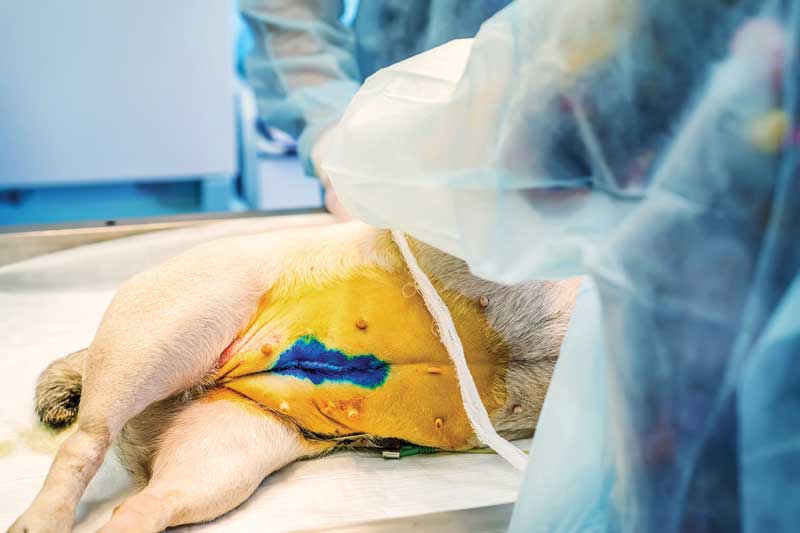
Image Source: www.veterinarypracticenews.com
What is Spaying?
Spaying is a common surgery for female dogs. It removes the dog’s ovaries and uterus. This surgery is also called an ovariohysterectomy. It stops the dog from having puppies. It also prevents heat cycles. This can help prevent certain health problems later on.
Why Do We Spay Dogs?
Spaying has many good points for your dog.
* It stops unplanned litters. This helps control the pet population.
* It prevents heat cycles. This means no messy bleeding. Your dog also won’t attract male dogs.
* It lowers the chance of certain cancers. These include mammary (breast) cancer.
* It removes the risk of a womb infection. This infection is called pyometra. It is very serious.
The Dog’s Heat Cycle: A Quick Look
Dogs go through a heat cycle. This is when they can get pregnant. It happens about twice a year for most dogs. This cycle has different stages. We need to know about them to talk about spaying during heat.
Proestrus
This is the first stage. It lasts about 9 days. Your dog will have a swollen vulva. She may bleed a little. Male dogs will be interested in her. But she will not let them mate with her yet.
Estrus
This is the main stage. It also lasts about 9 days. This is when your dog is “in heat.” She is ready to mate. She will let male dogs approach her. Her bleeding may lessen. Her vulva might get softer. This is the time she can get pregnant. This is also the stage we are talking about for spaying.
Diestrus
This stage follows estrus. It lasts about 60 days. If your dog got pregnant, she will carry her puppies now. If not, her body still acts like she might be pregnant. This stage ends with her body returning to normal.
Anestrus
This is the resting stage. It lasts about 4 to 5 months. Her reproductive system is not active. This is often the best time to spay a dog. We will talk more about this soon.
Spaying a Dog During Heat: The Core Question
As noted, vets can spay a dog in heat. But it is usually not the first choice. The dog’s body changes during heat. These changes make the surgery more difficult. They also make recovery harder.
What Happens Inside a Dog in Heat?
During heat, a dog’s body prepares for pregnancy.
* More blood goes to her uterus and ovaries.
* These organs get bigger.
* Her tissues become softer.
These changes are important to know. They directly impact the surgery.
Risks of Spaying a Dog in Heat
When a dog is in heat, there are clear risks of spaying dog in heat. These dangers make the surgery more complex. They can also lead to more problems after the surgery.
Increased Bleeding During Spay in Heat
This is a major risk. When a dog is in heat, her blood vessels in the reproductive area grow bigger. They also have more blood flowing through them. This means increased bleeding during spay in heat is very likely.
* Bigger blood vessels: These vessels are harder to see clearly. They are also more prone to injury during surgery.
* More blood flow: If a vessel is cut, it will bleed more quickly and heavily.
* Surgery takes longer: The vet must be extra careful. They need more time to control bleeding. This adds to the surgery time. Longer surgery times can also mean more risk for the dog.
* Blood loss concerns: Too much blood loss is dangerous. It can lead to shock. It might even need a blood transfusion.
Enlarged Uterus During Spay
During heat, the uterus gets bigger. It gets thicker. It also fills with more blood. This is called an enlarged uterus during spay.
* Harder to work with: A bigger uterus is harder to pull out of the body. It takes up more space inside. The vet has less room to work.
* More fragile: The tissues of the uterus are softer. They are also more likely to tear. This can cause more bleeding.
* More chance of infection: If the uterus is damaged, the risk of infection can rise.
Spaying Dog While in Estrus Complications
Beyond bleeding and an enlarged uterus, there are other spaying dog while in estrus complications.
* Longer Surgery Time: As mentioned, vets must be extra careful. This extends the surgery time. Longer surgery means more time under anesthesia. Anesthesia always has some risks.
* Higher Anesthesia Risk: The longer a dog is under anesthesia, the greater the chance of problems. These can include drops in blood pressure. They can also include breathing issues.
* More Swelling: The surgical area may swell more. This is due to the extra blood flow. Swelling can slow down healing.
* Slower Recovery: Dogs spayed in heat often take longer to heal. The surgical site might be more painful. The healing process can be slower than normal.
* Mammary Gland Changes: A dog’s mammary glands (breasts) also get ready for pregnancy during heat. They swell. They might even make milk. Spaying during this time can make them more prone to a false pregnancy. This is a hormonal issue.
Should I Wait to Spay My Dog?
Given these risks, you might ask, should I wait to spay my dog? In most cases, the answer is yes. Waiting is often the best choice.
* Safer surgery: A dog not in heat has smaller, less bloody reproductive organs. This makes the surgery easier. It also makes it safer.
* Lower risk of problems: The chance of bleeding or other issues drops a lot.
* Faster recovery: Your dog will likely heal more quickly. She will feel better sooner.
Postponing Spay Until After Heat
Many vets strongly advise postponing spay until after heat.
* When to wait: Vets usually tell you to wait for about 2-3 months after the heat ends. This gives the dog’s body time to return to normal.
* Hormones settle: Hormones need time to go down. This makes the uterus and ovaries shrink. It also reduces blood flow.
* Body heals: Any swelling or changes from the heat cycle will go away. This makes the surgical area healthy.
Why the Wait is Important
Waiting gives your vet a better surgical field. It makes the procedure cleaner. It lowers the risk of complications. It also helps your dog have an easier time recovering. This is why it’s a common veterinary recommendations spay in heat.
When Is It Safe to Spay Dog During Heat?
While vets prefer waiting, there are times when it might be necessary.
* Emergency: Sometimes, a dog needs spaying right away. This can happen if she has a serious womb infection (pyometra). Pyometra is life-threatening. The dog must have surgery even if she is in heat. In these cases, the risk of waiting is higher than the risk of surgery.
* Shelter policy: Some shelters spay all dogs before they leave. They may spay dogs in heat. This is to prevent more puppies right away. They weigh the risks against the need to control population.
* Owner choice: Some owners might choose to spay their dog during heat for various reasons. This is usually after talking risks with the vet.
Even in these cases, vets take extra steps. They are ready for more bleeding. They have blood ready if needed.
Table: Spaying During Heat vs. After Heat
| Feature | Spaying During Heat | Spaying After Heat |
|---|---|---|
| Bleeding Risk | High (more blood flow, enlarged vessels) | Low (normal blood flow, smaller vessels) |
| Uterus Size | Enlarged, swollen, fragile | Normal size, firm, healthy |
| Surgery Time | Longer (due to careful bleeding control) | Shorter (clearer surgical field) |
| Anesthesia Risk | Slightly higher (longer time under) | Lower (shorter time under) |
| Recovery Time | Longer (more swelling, pain possible) | Shorter, smoother recovery |
| Complications | Higher chance of issues (e.g., hemorrhage) | Lower chance of issues |
| Vet Preference | Avoid if possible, only for emergencies/need | Preferred, safer, and easier |
Dog Spay Recovery in Heat
Recovering from a spay when in heat can be harder. Dog spay recovery in heat often needs more care.
* More pain: The surgical site might be more sore. This is due to the enlarged organs and extra blood.
* More swelling: Expect more swelling around the incision. Keep an eye on it.
* Longer healing: The wound may take longer to close up.
* Hormonal effects: Your dog might still show signs of heat. This could include attracting male dogs. You must keep her away from them. This is true even after surgery. She cannot get pregnant. But an excited male dog could hurt her incision.
Care After Surgery
No matter when your dog is spayed, follow vet instructions closely.
* Limit activity: No running or jumping for at least 10-14 days. This helps the incision heal.
* Check incision: Look at the cut every day. Make sure it is clean and dry. Watch for redness, swelling, or discharge.
* Prevent licking: Your dog must not lick or chew the incision. An E-collar (cone) is often needed.
* Pain medicine: Give all pain medicines as prescribed. This helps your dog be more comfortable.
* Keep warm: Make sure your dog has a quiet, warm place to rest.
If your dog was spayed in heat, these steps are even more vital. The extra risks mean you must be extra watchful.
The Best Time to Spay a Dog
So, when is the best time to spay a dog? Vets mostly agree on this.
* Before the first heat: Many vets advise spaying a dog before she has her first heat. This is often around 6 months of age.
* Health benefits: Spaying before the first heat greatly reduces the risk of mammary cancer.
* Easier surgery: The dog is smaller. Her organs are undeveloped. This makes the surgery very quick and safe.
* No heat issues: You avoid dealing with any heat cycles.
* Between heat cycles: If your dog has had a heat cycle, wait until 2-3 months after it ends. This ensures her hormones are back to normal. Her body will have gone back to its non-pregnant state. This also makes the surgery much safer than during heat.
Age Matters for Spaying
There is some debate about the exact age.
* Smaller breeds: Often spayed earlier, around 5-6 months.
* Larger breeds: Some vets suggest waiting a bit longer, maybe 12-18 months. This allows bones and joints to grow more fully. Waiting longer for large breeds might increase the risk of certain cancers, but it can lower the risk of joint issues. Discuss this with your vet.
No matter the breed, spaying after a heat cycle means waiting until her body is fully recovered from that cycle.
Deciphering the Decision: To Spay in Heat or Wait?
The decision to spay a dog in heat is complex. It involves weighing the risks of spaying dog in heat against other factors.
When Waiting is Not an Option
Sometimes, waiting is simply not possible.
* Stray dogs: If a stray dog is found in heat, a shelter might spay her right away. This prevents immediate pregnancy. It helps control the pet population. The risks are known. But the alternative (more puppies) is a larger problem.
* Owner inability to manage: If an owner cannot keep a dog in heat safe from male dogs, spaying might be considered. This is a rare case. It is only if the risk of pregnancy is extremely high.
* Medical Emergency (Pyometra): This is when a dog has a serious womb infection. It happens often after a heat cycle. The uterus fills with pus. This is an emergency. The dog needs surgery at once. If she is in heat when this happens (less common but possible), the surgery must happen. This surgery is life-saving.
When Waiting is Best
For most pet owners, waiting is the veterinary recommendations spay in heat.
* Planned surgery: A planned spay allows for the safest procedure.
* Optimal health: Your dog will be in the best condition for surgery.
* Peace of mind: You will worry less about complications.
Conversations with Your Vet
Always talk to your vet. They know your dog’s health history best.
* Ask questions: Do not be afraid to ask about risks. Ask about benefits.
* Discuss timing: Your vet will help you decide the best time to spay. This depends on your dog’s breed and age.
* Talk about behavior: If your dog has behaviors linked to heat, tell your vet.
* Financial concerns: Spaying a dog in heat might cost more. This is due to longer surgery and extra care. Talk about this with your vet too.
How Vets Handle Spaying During Heat
If a vet must spay a dog in heat, they take extra steps.
* More careful surgery: The vet works more slowly. They tie off blood vessels with great care.
* Fluid support: IV fluids are given to keep blood pressure stable.
* Blood ready: In rare cases, blood for transfusion might be on hand.
* Special tools: Some vets use special tools that help seal blood vessels. This can lessen bleeding.
These extra steps aim to make the surgery as safe as possible. They help reduce the spaying dog while in estrus complications.
Grasping the Long-Term Benefits
Despite the temporary risks of spaying a dog in heat, spaying is still a good choice.
* No more heat cycles: This means no more messy discharge. You won’t have to worry about unwanted pregnancies. You won’t have male dogs waiting at your door.
* Healthier dog: Your dog has a much lower risk of certain cancers. She will not get pyometra. This is a very serious infection.
* Behavioral changes: Some female dogs become calmer after spaying. They may be less prone to roaming.
The decision is not if to spay, but when. And for most dogs, waiting until after heat is the safest choice.
Conclusion
Spaying a dog is a responsible choice for any pet owner. It has many health and behavior benefits. It also helps with pet overpopulation. While it is possible to spay a dog while she is in heat, it is not ideal. The risks of spaying dog in heat are much higher. These risks include increased bleeding during spay in heat, enlarged uterus during spay, and more spaying dog while in estrus complications.
Most veterinary recommendations spay in heat advise against it. They suggest postponing spay until after heat. Waiting 2-3 months after a heat cycle ends is often the best time to spay a dog. This allows her body to return to normal. It makes the surgery safer and recovery smoother.
If your dog is in heat, talk to your vet. Discuss the should I wait to spay my dog question. Your vet will help you make the best decision for your beloved pet. The goal is always a safe procedure and a quick, healthy dog spay recovery in heat.
Frequently Asked Questions (FAQ)
h4. Q1: How long after a heat cycle can I spay my dog?
A: Most vets suggest waiting about 2 to 3 months after a heat cycle ends. This time allows her hormones to settle. It lets her uterus and blood vessels go back to their normal size. This makes the surgery much safer.
h4. Q2: Can spaying a dog in heat cause more pain?
A: Yes, spaying a dog in heat can lead to more pain. This is because the surgical area is more sensitive. There is also more swelling and blood flow. Your vet will give pain medicine. But the recovery might be harder than for a dog spayed when not in heat.
h4. Q3: What should I do if my dog unexpectedly goes into heat before her spay appointment?
A: If your dog goes into heat before her spay, call your vet right away. They will likely tell you to reschedule the surgery. They will advise you to wait until 2-3 months after her heat ends. This is the safest way to proceed.
h4. Q4: Will my dog still attract male dogs after being spayed in heat?
A: Dog spay recovery in heat can be tricky. Even after spaying, some female dogs might still release hormones for a short time. This can attract male dogs. You must keep her away from un-neutered males. Do this for at least 2-3 weeks after surgery. This protects her incision. It also keeps unwanted visitors away.
h4. Q5: Is it more expensive to spay a dog in heat?
A: Yes, spaying a dog in heat can often cost more. The surgery takes longer. It needs more careful work from the vet. There is a higher risk of complications. This might mean more medicines or special care is needed. Always ask your vet about the estimated cost.
h4. Q6: What if my dog gets pregnant and then goes into heat again?
A: A dog can only get pregnant during her heat cycle. If she becomes pregnant, she cannot go into another heat cycle until after she gives birth. If she was bred, you might be thinking about a pregnancy instead of a new heat cycle. If you think your dog is pregnant and you want to spay her, talk to your vet immediately. This is a different kind of surgery. It has its own risks.