
Yes, you can spay a dog while she is in heat, but it is often riskier. Many vets prefer to wait until after her heat cycle ends. Spaying a dog when she is in estrus means higher risks. These include more blood loss and a longer surgery. It can also cost more. It is possible for a dog to be spayed while bleeding. This happens during her heat. But most vets recommend waiting. This is because there is an increased surgical risk spay in heat.
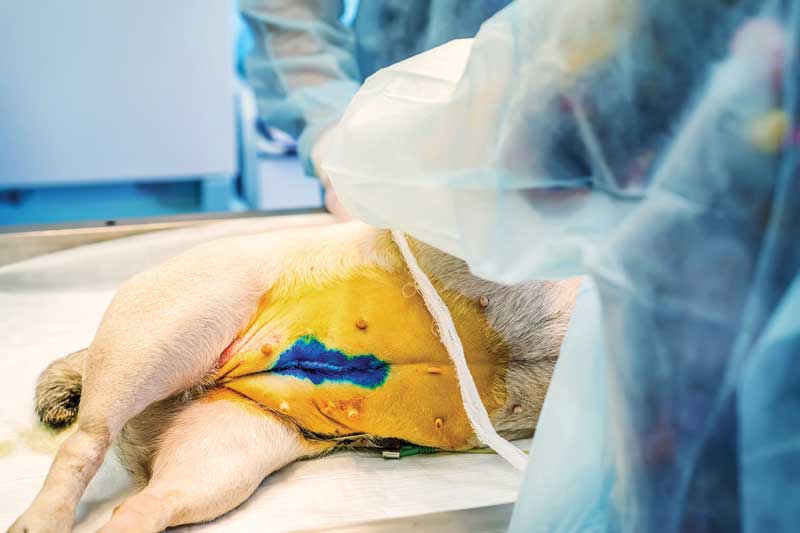
Image Source: www.veterinarypracticenews.com
Weighing the Choice: Spaying Your Dog While She Is In Heat
Spaying your female dog is a big step. It stops her from having puppies. It also helps her health. Many owners want to spay their dog early. But sometimes, a dog starts her heat cycle before she is spayed. This brings up a common question: Is it safe to spay a dog in heat? The simple answer is yes, it can be done. But it is not always the best path. There are more risks. There can be more complications. It is key to know these things. This helps you make the right choice for your dog.
The Science of Heat Cycles in Female Dogs
Before we talk about spaying, let us look at a dog’s heat cycle. Knowing this helps you see why spaying in heat is different.
Stages of a Dog’s Heat Cycle
A female dog’s heat cycle is also called estrus. It usually happens every 6 to 12 months. It lasts about 2 to 4 weeks. There are four main parts:
- Proestrus: This is the start. It lasts about 7 to 10 days. Your dog may have a swollen vulva. She may bleed a little. Males will be drawn to her. But she will not let them mate yet.
- Estrus: This is the main part. It lasts about 5 to 10 days. Your dog will be open to mating. She will let males mount her. Bleeding may lessen or stop. This is when she can get pregnant.
- Diestrus: This stage follows estrus. It lasts about 60 to 90 days. If your dog got pregnant, she would be carrying pups now. If not, her body acts as if she is pregnant. Her hormone levels change.
- Anestrus: This is a quiet period. It lasts 3 to 6 months. Her body rests before the next heat.
When we talk about spaying a dog in heat, we mean during Proestrus or Estrus. This is when her body changes most.
The Increased Risks of Spaying Dog in Estrus
Spaying a dog is a major surgery. It removes the uterus and ovaries. When a dog is in heat, her body is different. These changes make the surgery harder. They also raise the chance of problems. This is why vets often advise against spaying dog in heat unless it is urgent.
Why Spaying in Heat Carries More Risk
There are key reasons for the increased surgical risk spay in heat:
- More Blood Flow: During heat, a dog’s reproductive organs get more blood. This is to get ready for pregnancy. When a vet cuts these tissues, they bleed more. This can make the surgery longer. It also means more blood loss for your dog.
- Swollen Tissues: The uterus and ovaries swell during heat. They get bigger. This makes them harder to handle. It also makes them more fragile. It is easier for tissues to tear.
- Hormone Changes: High hormone levels in heat can affect the body. These hormones can make tissues more sensitive. This makes the surgery more delicate.
Specific Complications of Spaying a Dog in Heat
When a dog is spayed in heat, more problems can arise. These complications of spaying a dog in heat can be serious.
- More Bleeding (Hemorrhage): This is the biggest risk. More blood loss means a harder recovery. It can also lead to shock. In rare cases, it can be fatal.
- Longer Surgery Time: Because of more bleeding and swollen tissues, the vet takes longer. This means your dog is under anesthesia for longer. Longer anesthesia has its own risks.
- Higher Chance of Swelling/Bruising: The surgery site may swell more. There may be more bruising. This can make your dog uncomfortable after the surgery.
- Harder for the Surgeon: The vet has to be extra careful. This makes the surgery more challenging.
- Increased Risk of Infection: Any surgery has a risk of infection. With more bleeding, the risk can go up slightly.
These are strong reasons why many vets recommend delay spay until after heat cycle. They want the safest path for your dog.
Can a Dog Be Spayed While Bleeding? Addressing the Common Concern
Many people ask, “Can a dog be spayed while bleeding?” The answer is yes. Dogs bleed during the proestrus stage of heat. This bleeding is normal. It shows her body is preparing for mating. If a dog is spayed during this time, the bleeding is part of the heat cycle. It is not bleeding from injury. But as noted, it adds to the surgical difficulty. The vet will see more blood in the surgical field. This makes it harder to see vital structures. This is why most vets prefer not to spay a dog while she is actively bleeding from her heat cycle.
When Is the Best Time to Spay a Female Dog?
The best time to spay a female dog is usually before her first heat cycle. This is often around 6 to 12 months of age. Spaying before the first heat offers many benefits. It greatly lowers the risk of mammary (breast) cancer. It also prevents unwanted pregnancies.
Ideal Timing for Spaying
- Before First Heat: This is the most common advice. It gives the most health benefits. It also avoids all the risks of spaying in heat.
- After First Heat (But Not In It): If your dog has already had a heat cycle, the best time is 2 to 3 months after her heat has ended. This gives her body time to return to normal. The blood vessels shrink. Her tissues become less swollen. This makes the surgery safer and easier.
Reasons to Delay Spay Until After Heat Cycle
Many vets recommend delay spay until after heat cycle. This is because the risks of spaying dog in estrus are lower. The surgery is faster. There is less blood loss. Your dog recovers better. It is safer for your beloved pet.
The Cost of Spaying Dog in Heat
Spaying a dog usually has a set cost. But if your dog is in heat, the cost might go up.
Why Spaying in Heat Can Cost More
- Longer Surgery Time: As mentioned, the surgery takes more time. Vets charge for time.
- More Staff Needed: Sometimes, an extra vet tech might be needed. This is to help with blood loss. They help monitor the dog more closely.
- More Supplies: More surgical supplies might be used. This includes more sponges or special tools.
- Higher Risk of Complications: If problems happen, more treatments might be needed. This adds to the bill.
- Specialized Care: Some vets might charge more just because of the added risk. They know it is a harder surgery.
It is wise to ask your vet about the cost of spaying dog in heat upfront. Get a clear estimate. This way, you will not have any surprises.
Here is a simple table showing potential cost differences:
| Factor | Standard Spay | Spay During Heat |
|---|---|---|
| Surgery Time | Typical | Longer |
| Blood Loss | Low | Higher |
| Tissue State | Normal | Swollen, Fragile |
| Surgeon Difficulty | Standard | Increased |
| Potential Cost | Baseline | Higher |
What Vets Recommend Spaying Dog in Heat
Most vets recommend spaying dog in heat only if there is a strong reason. For example, if it is a rescue dog and waiting is not an option. Or if there is a medical issue that needs fast action. Otherwise, they will advise you to wait. They want to avoid the increased surgical risk spay in heat.
Common Vet Advice
- Wait and See: If your dog is in good health, your vet will likely tell you to wait. Let her heat cycle finish. Then wait two to three months. This period lets her body return to normal. This makes the spay surgery much safer.
- Discuss the Risks: If you must spay her in heat, your vet will talk to you. They will explain all the risks. They will make sure you know what to expect.
- Pre-Surgery Checks: The vet will do more tests. They may check her blood work. This helps ensure she is as healthy as possible for the surgery.
It is always best to follow your vet’s advice. They know your dog best. They also have the most experience with these surgeries.
Dog Spay Surgery During Heat: What to Expect
If you decide to go ahead with dog spay surgery during heat, be ready for a few things.
Before Surgery
- Full Exam: Your vet will do a thorough health check. They will make sure your dog is fit for surgery.
- Blood Tests: Blood tests are very important. They check for bleeding disorders. They check organ function. These tests are even more vital for a dog in heat.
- Discuss Risks Again: The vet team will talk to you one more time. They will confirm you know about the higher risks.
During Surgery
- Careful Monitoring: Your dog will be watched very closely. Her heart rate, breathing, and blood pressure will be checked often. This is key due to the higher risk of bleeding.
- Longer Time: Expect the surgery to take longer than normal. This gives the vet time to work slowly and carefully.
- Possible Blood Transfusion: In rare cases of severe blood loss, a blood transfusion might be needed. Your vet will discuss this possibility with you before the surgery.
After Surgery
- Close Watch: Your dog will be watched closely after surgery. They will look for signs of too much bleeding. They will check for pain.
- Pain Management: Pain medicine will be given. This helps your dog feel better.
- Longer Recovery: Your dog may need a bit more time to recover. Follow all post-op instructions very carefully.
Caring for Your Dog After Spay Surgery During Heat
Proper care after surgery is very important. This helps your dog heal well. It also helps prevent problems.
Key Post-Operative Steps
- Restrict Activity: Your dog needs to rest. No running, jumping, or rough play for 10-14 days. Short, slow leash walks are fine.
- Check the Incision: Look at the cut site every day. Check for redness, swelling, or discharge. A small amount of swelling is normal. But too much is a problem.
- Prevent Licking: Your dog must not lick or chew the incision. An Elizabethan collar (cone) is often needed. Keep it on at all times. Licking can cause infection. It can open the wound.
- Give Medicines: Give all pain medicines and antibiotics as directed. Do not skip doses.
- Proper Feeding: Offer small, light meals at first. Follow your vet’s feeding advice.
- Keep Warm and Quiet: A warm, quiet place helps your dog recover.
- Watch for Problems: Look for signs like:
- Lots of bleeding from the incision.
- Extreme swelling.
- Bad smell from the wound.
- Trouble breathing.
- Not eating or drinking.
- Vomiting or diarrhea.
- Being very weak or lethargic.
- Any of these means you should call your vet right away.
- Follow-Up Appointments: Go to all check-up visits. Your vet will check the incision. They will take out stitches if needed.
Remember, healing takes time. Be patient and give your dog lots of love and care.
The Benefits of Spaying Your Dog
Even with the risks of spaying in heat, spaying itself is very good for your dog.
Health Benefits
- Prevents Unwanted Pregnancies: This is the main reason. It helps control the pet population. It stops homeless pets.
- Reduces Cancer Risk: Spaying before the first heat greatly lowers the risk of mammary (breast) tumors. These tumors are often cancerous.
- Prevents Uterine Infections (Pyometra): Pyometra is a serious, life-threatening infection of the uterus. Spaying removes the uterus, so this cannot happen.
- Prevents Ovarian Tumors: Spaying removes the ovaries. This stops ovarian cancer.
- No More Heat Cycles: This means no more bleeding. No more messy discharge. Your dog will not attract male dogs.
Behavioral Benefits
- Less Roaming: Female dogs in heat often try to escape. They want to find a mate. Spaying stops this urge.
- Calmer Behavior: Some female dogs become restless or moody during heat. Spaying can help them be calmer.
- Less Marking: Some female dogs mark their territory with urine during heat. Spaying can reduce this behavior.
Spaying is a big decision. But its benefits for health and behavior are huge. Most vets feel the long-term benefits far outweigh the temporary risks, especially if you can spay outside of a heat cycle.
Tables Summarizing Key Points
Here are a few tables to make some key details clear.
Spay Timing Comparison
| Timing | Pros | Cons |
|---|---|---|
| Before First Heat | Safest; Lowest cancer risk; Easiest | None significant |
| 2-3 Months After Heat | Safe; Good recovery; Lower risks | Cancer risk slightly higher than before first heat |
| During Heat (Estrus) | Prevents immediate pregnancy | Higher surgical risk; More bleeding; Longer surgery; Higher cost |
Risks of Spaying in Heat
| Risk Factor | Description | Impact on Dog |
|---|---|---|
| Increased Blood Loss | Blood vessels in reproductive organs are swollen and engorged with blood. | Anemia; Shock; Longer recovery |
| Swollen/Fragile Tissue | Uterus and ovaries are larger and more delicate, harder to handle. | More difficult surgery; Higher chance of tears |
| Longer Anesthesia Time | More time under anesthesia increases general surgical risks. | Slower recovery; Higher strain on organs |
| Higher Cost | More time, supplies, and potentially more complex care required. | More expensive for owner |
| Increased Complications | Higher chance of post-operative swelling, bruising, or infection. | Discomfort; Prolonged healing |
Frequently Asked Questions (FAQs)
Is it always better to wait until after my dog’s heat cycle to spay her?
Yes, in most cases, it is much safer. Waiting 2-3 months after her heat ends makes the surgery easier. It lowers the risk of bleeding. It also lowers the chance of other problems.
What happens if my dog gets pregnant during her heat and I still need to spay her?
If your dog gets pregnant, you can still spay her. This is called a “spay abortion.” It is often more complex and risky than a regular spay. It carries all the risks of spaying a dog in heat. It also has added risks of removing a pregnant uterus. Discuss this fully with your vet.
How long after my dog’s heat should I wait to spay her?
It is best to wait 2 to 3 months. This gives her body enough time to return to normal. Her blood vessels shrink. Her tissues become less swollen. This makes the surgery safer and easier.
Will spaying my dog in heat cause more pain for her?
The surgery itself is done under anesthesia. So your dog will not feel pain during it. After surgery, pain is managed with medicine. But because the surgery can be harder, your dog might be more sore. She might need more time to heal.
Can my vet refuse to spay my dog in heat?
Yes, a vet can refuse. They might feel it is too risky for your dog. They might suggest you wait. They might refer you to another vet who feels comfortable doing it. But most vets want the safest option for their patients.
What are the signs my dog is in heat?
Signs include a swollen vulva. She may have bloody discharge. She may lick her private parts more. Male dogs will be very interested in her. She may act restless or nervous.
Will my dog’s behavior change after spaying?
Spaying can reduce some heat-related behaviors. These include roaming, marking, and restlessness. She may become calmer. Her basic personality usually does not change.
What if my dog has a “silent heat” and I don’t know she’s in heat?
Some dogs have very mild signs of heat. This is called a “silent heat.” If your vet plans to spay her and finds she is in heat, they will tell you. They will explain the risks. You can then decide to go ahead or wait.
Spaying your dog is a big step. It has many health benefits. Knowing the facts about spaying in heat helps you make the best choice. Talk to your vet. They are your best resource for your dog’s health.