
Yes, you can spay a dog while she is in heat, also known as being in her estrus cycle. It is surgically possible. However, it is often considered riskier than spaying a dog when she is not in heat. Many veterinarians prefer to wait until the heat cycle is completely over before performing the surgery. They make this recommendation based on the increased risks and potential complications spaying in heat can involve.
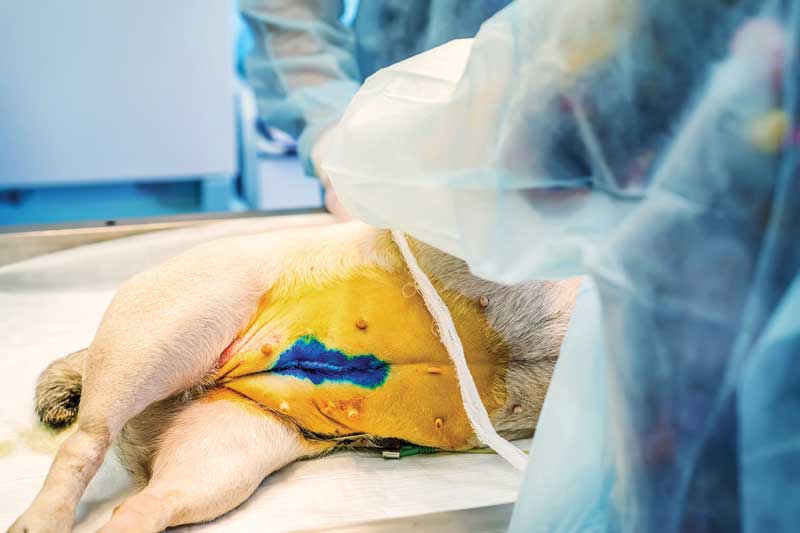
Image Source: www.veterinarypracticenews.com
Grasping the Dog’s Heat Cycle
Every female dog who has not been spayed will go through heat cycles. This is her body getting ready to breed and have puppies. Knowing about this cycle helps you know the best time to spay her.
Stages of the Heat Cycle
A dog’s heat cycle has different parts. These stages last for about 2-4 weeks in total, but it can vary a lot.
- Proestrus: This is the start. You might see swelling down below and bloody discharge. Male dogs get interested in her, but she won’t let them breed yet. This stage lasts about 7-10 days.
- Estrus: This is the main part – the “heat.” The discharge might become lighter. She becomes ready to breed and will accept male dogs. This is when she can get pregnant. This stage lasts about 7-10 days. Spaying during estrus means doing the surgery at this time.
- Diestrus: This stage follows estrus. If she got pregnant, she is pregnant now. If not, her body still acts like she might be pregnant for a while. This stage lasts about 60-90 days.
- Anestrus: This is the period of rest between heat cycles. Her body is not ready to breed. This quiet time lasts several months before the next proestrus starts. This is usually the best time to spay a dog.
Most dogs have heat cycles every 6-12 months. Smaller breeds might have them more often. Larger breeds might have them less often.
Why Spaying While in Heat is Different
Spaying surgery, or an ovariohysterectomy, removes a female dog’s ovaries and uterus. When a dog is in heat, big changes happen inside her body. Her reproductive organs get more blood flow. They also get larger and become more delicate.
Think of it like working on a plumbing system. If the water is turned off, the pipes are calm and easy to handle. If the water is running full blast, the pipes are swollen, under pressure, and bumping them might cause leaks or bigger problems. Spaying a dog not in heat is like working on the system with the water off. Spaying a dog during heat is like working on it with the water running.
The Risks of Spaying a Dog While In Heat
Veterinarians usually suggest waiting because the risks of spaying dog in heat are higher. The surgery becomes more complicated. It takes more time and care for the vet.
Increased Blood Flow and Bleeding
One of the biggest risks of surgery while dog in heat is bleeding. During heat, hormones make blood vessels in the uterus and ovaries much bigger. There are also more blood vessels. This means the entire area the vet needs to work on has a lot more blood moving through it.
When the vet cuts and ties off these blood vessels, there is a much greater chance of increased bleeding spay surgery heat. This can make the surgery harder. It can also lead to problems during or after the surgery.
Tissue Swelling and Brittleness
The tissues in and around the uterus and ovaries also swell up during heat. They can become more fragile or brittle. This makes them harder to handle during surgery. It’s easier for tissues to tear or bruise.
Longer Surgery Time
Because of the increased bleeding and delicate tissues, the surgery takes longer. The vet has to be extra careful to control bleeding and handle the swollen organs. A longer surgery time means the dog is under anesthesia for a longer period. This can add slightly more risk, especially for older dogs or dogs with other health problems.
Higher Risk of Sutures Breaking
The stitches (sutures) used to tie off blood vessels and close tissue layers might be under more stress due to swelling and blood flow. There is a slightly higher chance these sutures could come undone or fail, leading to internal bleeding after the surgery.
Potential for More Swelling and Discomfort Post-Surgery
The surgery site inside the dog might have more swelling than usual after spaying during heat. This can cause more pain and discomfort for the dog during recovery.
Let’s look at some of the complications spaying in heat might bring:
- More bleeding during the operation.
- Higher chance of internal bleeding after the operation.
- Increased pain and swelling at the surgery site.
- Longer surgery time.
- Slightly higher risk from being under anesthesia longer.
- A potentially tougher recovery after spaying dog in heat.
Veterinary Recommendations on Spaying While in Heat
Most vets follow similar veterinary recommendations spaying heat. They strongly prefer to spay dogs when they are not in heat.
Their main reasons are:
- Safety: It is simply safer for the dog when the blood vessels are smaller and the tissues are less swollen.
- Ease of Surgery: The surgery is technically easier and quicker for the vet.
- Reduced Complications: The chance of bleeding problems and other issues is much lower.
- Better Recovery: Dogs often have an easier, less painful recovery when spayed outside of heat.
If you call your vet to schedule a spay and your dog is in heat, they will likely ask you to wait. They will tell you to call back after her heat cycle has finished.
How Long to Wait After Heat?
So, if you can’t spay during heat, how long should you wait after it finishes? The typical waiting period spay after heat is about 2 to 4 months.
This waiting period allows:
- Hormone levels to go back to normal.
- The uterus and ovaries to shrink back to their normal size.
- Blood vessels in the area to become smaller again.
- The tissues to become less fragile.
Waiting this time makes the surgery much safer and less complicated. It gets the dog’s body back to the quiet, non-reproductive state which is best for spaying.
Waiting 2-4 months gives the vet the best chance to perform the surgery cleanly and quickly with minimal bleeding. This greatly lowers the risks of spaying dog in heat.
The Best Time to Spay a Dog
The best time to spay a dog is generally before her first heat cycle. This usually happens when she is between 5 and 6 months old.
Spaying a dog before her first heat has many health benefits:
- Prevents Heat Cycles: She will never go through the mess and stress of being in heat.
- Prevents Pregnancy: She cannot get pregnant.
- Greatly Reduces Mammary Cancer Risk: Spaying before the first heat lowers the risk of breast cancer (mammary tumors) almost completely. The risk increases with each heat cycle she goes through.
- Prevents Pyometra: This is a life-threatening infection of the uterus that happens only in unspayed female dogs. Spaying removes the uterus, so she can’t get it.
- Prevents Ovarian Cysts and Tumors: Removing the ovaries eliminates the risk of these issues.
If a dog has already gone through a heat cycle, the next best time to spay her is during her anestrus stage. As mentioned, this is the long period of rest between heat cycles, ideally 2-4 months after her last heat ended.
Exceptions and When Waiting Might Not Be Possible
While waiting is best, sometimes a dog needs to be spayed while in heat. This happens more often in certain situations:
- Animal Shelters: Shelters often spay dogs shortly after they arrive, regardless of their heat status. This is necessary because they need to spay dogs quickly before adoption to prevent unplanned litters. They have staff and procedures in place to manage the increased risks, but it is still a more difficult surgery.
- Emergency Situations: Rarely, a dog might have a medical issue that requires immediate surgery, even if she is in heat.
- Stray Dogs: If a stray dog is picked up and is in heat, she might be spayed quickly to prevent breeding.
In these cases, the surgery is done, but everyone knows it’s riskier and requires more care.
Deciphering the Surgery Process While In Heat
The basic steps for spaying a dog are the same whether she is in heat or not. However, the vet will take extra precautions when the dog is in heat.
- Preparation: The dog is given medication to relax her, then put under general anesthesia. The area for the incision is shaved and cleaned.
- Incision: The vet makes a cut, usually on the belly.
- Locating Organs: The vet finds the uterus and ovaries. When in heat, these organs are bigger, darker (due to more blood), and sometimes harder to see clearly due to surrounding fat and fluid.
- Tying Off Blood Vessels: This is the critical part. The vet uses sutures to tie off the main arteries and veins supplying blood to the ovaries and uterus. When in heat, these vessels are much larger and carry more blood. Tying them off securely takes more time and very careful technique to prevent bleeding.
- Removing Organs: Once the blood supply is tied off, the ovaries and uterus are carefully cut away.
- Checking for Bleeding: The vet carefully checks the surgery site to make sure there is no active bleeding. This step is extra important and takes longer when the dog was in heat because of the higher risk of uncontrolled bleeding.
- Closing the Incision: The muscle layers, fat layer, and skin are stitched back together in layers.
The main difference is the increased time, care, and focus required for step 4 (tying off blood vessels) and step 6 (checking for bleeding) when the dog is in heat. This is why the overall surgery takes longer and is more complex.
Recovery After Spaying Dog In Heat
Recovery after spaying dog in heat can sometimes be a bit tougher than recovery from a standard spay.
- More Swelling/Bruising: You might see more swelling or bruising around the incision site.
- More Pain: The dog might feel more pain than usual. Your vet will provide pain medication, and it’s important to give it exactly as directed.
- Longer Healing Time: While the skin incision usually heals in about 10-14 days (when stitches are removed), the internal healing might take a bit longer or require more careful monitoring due to the initial swelling.
General Recovery Care
Regardless of when the dog was spayed, proper aftercare is crucial.
- Limit Activity: Keep your dog calm and restrict her activity for about 10-14 days. No running, jumping, or rough play. Short leash walks for potty breaks only.
- Prevent Licking: She must wear an Elizabethan collar (cone) or a recovery suit to stop her from licking or chewing at the incision. Licking can cause infection or open the stitches.
- Check the Incision: Look at the incision site daily. It should be clean and dry. Some mild redness or swelling is normal at first, but call your vet if you see:
- Major swelling
- Redness that is getting worse
- Pus or discharge
- The incision opening up
- Excessive bruising
- Give Medications: Give all pain medication and any other prescribed medications exactly as your vet tells you.
- Monitor Appetite and Energy: Your dog should start eating normally within 12-24 hours after getting home. Some tiredness is normal for a day or two, but she should gradually become more active. If she stops eating, seems very weak, or is acting very sick, call your vet right away.
Because the surgery was more complex if done during heat, watching for any signs of problems is even more important during the recovery after spaying dog in heat.
Weighing the Risks and Benefits
While there are clear risks of spaying dog in heat, there are also benefits to spaying at all, even if it has to be done during heat.
| Feature | Spaying While NOT in Heat | Spaying While IN Heat |
|---|---|---|
| Safety for Dog | Higher | Lower (increased risks) |
| Surgical Difficulty | Lower (easier, quicker) | Higher (more complex, takes longer) |
| Bleeding Risk | Low | Higher (increased bleeding spay surgery heat) |
| Complication Risk | Lower | Higher (complications spaying in heat) |
| Recovery | Often smoother, less painful | Potentially tougher, more swelling/discomfort |
| Prevents Future Heat | Yes | Yes |
| Prevents Pregnancy | Yes | Yes (removes organs) |
| Prevents Pyometra | Yes | Yes (removes uterus) |
| Reduces Mammary Cancer | Yes (especially if done before 1st or 2nd heat) | Yes (but less effective than spaying before heat) |
| Veterinary Preference | Preferred | Avoided if possible |
| Cost | Standard cost | Might be slightly higher due to complexity/time |
As you can see, the health benefits of spaying (preventing pregnancy, pyometra, reducing cancer risk) are still achieved when spaying during heat. However, the process of the surgery and the immediate recovery carry more risk.
This is why the veterinary recommendations spaying heat are almost always to wait if possible. The benefits gained by spaying are significant, but it’s ideal to get those benefits with the lowest possible surgical risk, which is achieved by spaying outside of heat.
Planning for Your Dog’s Spay
The best plan is always to talk to your veterinarian. They can help you figure out the best time to spay a dog based on her age, breed, and health.
- If your puppy hasn’t had a heat yet: Discuss spaying her around 5-6 months old, before her first heat.
- If your adult dog has had heat cycles: Keep track of when her heat cycles start and end. Plan to schedule her spay for 2-4 months after her last heat finishes (the waiting period spay after heat).
- If your dog is currently in heat: Call your vet. They will tell you the increased risks of surgery while dog in heat and strongly recommend waiting. Ask them when they recommend scheduling the surgery after this heat cycle ends.
If you adopted a dog from a shelter who was spayed while in heat, follow their specific recovery instructions very carefully. They are experienced in managing these cases.
In Summary: Is It Safe to Spay Dog in Heat?
While it is possible to spay a dog while she is in heat, it is generally not as safe or simple as spaying when she is out of heat. The increased blood flow, swelling, and delicate nature of the reproductive organs during estrus lead to higher risks of spaying dog in heat, including more bleeding and potential complications.
Veterinarians usually advise waiting until 2-4 months after the heat cycle ends. This waiting period spay after heat allows the body to return to normal, making the surgery safer and promoting a smoother recovery after spaying dog in heat.
The best time to spay a dog is before her first heat, or during the resting phase (anestrus) between cycles. Always talk to your vet. They are the best resource for deciding the right time for your dog’s spay.
Frequently Asked Questions (FAQ)
h5 Is it okay to spay a dog while in heat?
It is possible but not ideal. It carries higher risks, like more bleeding and complications, compared to spaying a dog when she is not in heat. Most vets recommend waiting.
h5 How long should I wait to spay my dog after she finishes heat?
Veterinarians typically recommend waiting about 2 to 4 months after the heat cycle has completely ended. This gives the reproductive organs time to shrink back to normal and reduces the surgical risks.
h5 What are the main risks if a dog is spayed while in heat?
The main risks are increased bleeding during surgery, a higher chance of internal bleeding after surgery, and potentially more swelling and pain during recovery. The surgery itself is also more complex and takes longer for the vet.
h5 Does spaying a dog in heat cost more?
Sometimes. Because the surgery is more complicated and takes more time and resources (like extra supplies to control bleeding), some vets may charge a higher fee for spaying a dog in heat.
h5 Can my dog still get pregnant if she is spayed while in heat?
No, once the ovaries and uterus are removed during the spay surgery, she cannot get pregnant, even if she was in heat at the time of the operation.
h5 My dog was spayed while in heat at a shelter. Is that bad?
Shelters often spay dogs immediately because they need to prevent breeding and prepare them for adoption quickly. While the surgery is riskier, shelters are equipped to handle it. Just be extra careful following the specific recovery instructions the shelter gave you. Watch for signs of problems like excessive bleeding or swelling.
h5 How long does recovery take if a dog is spayed while in heat?
The visible incision usually heals in 10-14 days. However, because the surgery was potentially more invasive internally, your vet might advise stricter rest for the full 14 days. The dog might also seem more uncomfortable or swollen for a few days longer than a dog spayed outside of heat. Always follow your vet’s specific recovery plan.