
Yes, you can spay a dog when she is in heat, but it is generally not the best time for the procedure. While it is medically possible and sometimes done, spaying a dog during her estrus cycle (when she is in heat) involves higher risks and is more complex than spaying her when she is not in heat. Veterinary advice on spaying dog in heat often recommends waiting if possible due to these increased challenges.
This guide will explain what happens when a dog is in heat, the specifics of dog spaying during estrus, the risks involved, and why vets usually suggest waiting for the best time to spay a female dog cycle.
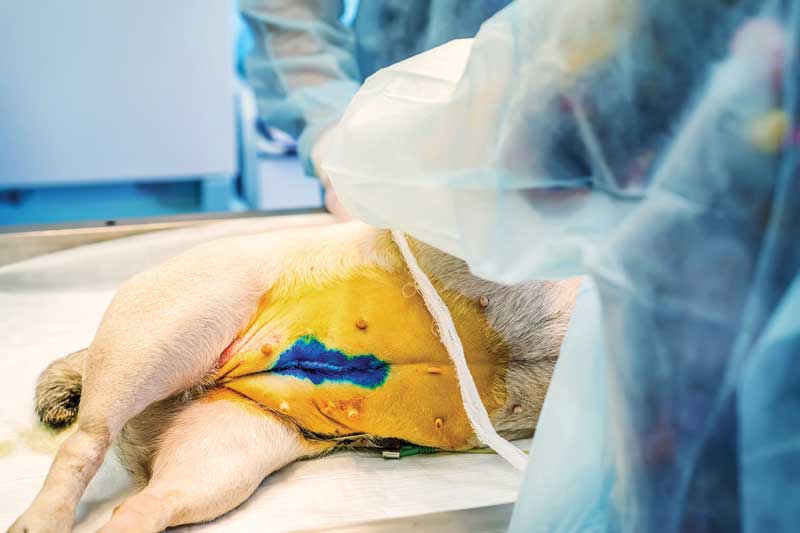
Image Source: www.veterinarypracticenews.com
What Happens During a Dog’s Heat?
Female dogs, unless spayed, go through reproductive cycles. This is commonly called being “in heat” or the “estrus” cycle. It happens about every six months, but this can vary a lot depending on the dog’s breed and size. Small dogs might cycle more often, while large breeds might cycle less often.
A dog’s heat cycle has different parts:
- Proestrus: This is the start. It usually lasts about 7 to 10 days. You might see swelling of the vulva and some bloody discharge. Male dogs become interested, but the female dog usually won’t let them mate yet. Hormones are rising.
- Estrus: This is the mating part, the actual “heat.” It lasts about 5 to 10 days. The discharge might become lighter or stop. The vulva is still swollen. This is when the female is fertile and will accept male dogs. Hormones are high, preparing the body for pregnancy.
- Diestrus: This phase follows estrus. It lasts about 60 to 90 days in a non-pregnant dog. Hormones stay high for a while, acting as if she might be pregnant, even if she isn’t.
- Anestrus: This is the resting period between cycles. It lasts about 2 to 4 months. Hormone levels are low.
When we talk about spaying a dog “in heat,” we usually mean during the Proestrus or Estrus phases, when the reproductive organs are under the strong influence of high hormones like estrogen.
Can a Dog Be Spayed While in Heat?
Yes, a vet can spay a dog while she is in heat. It is a surgical option if needed. Some shelters might spay dogs in heat because they need to be altered before adoption and managing heat in a shelter is hard. Sometimes an owner might need it done quickly for other reasons.
However, most vets prefer not to do the surgery during this time. They will explain the added difficulties and dangers to the owner. It’s a choice made after looking at the dog’s health and the situation.
Is Spaying a Dog in Heat Safe?
Spaying a dog when she is in heat is less safe than spaying her when she is not. This does not mean it is always dangerous, but the likelihood of problems happening is higher. The surgery is more complicated and takes longer, which naturally adds risk.
The main reason it is less safe comes down to how the dog’s body changes during heat.
Why Spaying During Heat is More Challenging
When a dog is in heat, her body prepares for pregnancy. This involves several changes that make spay surgery harder:
- Increased Blood Supply: High hormone levels cause blood vessels in the uterus and ovaries to become much larger and more numerous. This means there is significantly more blood flow to the area being operated on.
- Swollen Tissues: The reproductive tissues, including the uterus and ovaries, become swollen and more fragile. They are bigger and softer than when the dog is not in heat.
- Larger Uterus: The uterus itself gets thicker, heavier, and larger during heat. It is not as small and firm as it is in the resting phase.
These physical changes mean the vet must work with tissues that bleed more easily and are harder to handle. It takes more time to find and tie off blood vessels carefully. The surgery site is simply messier and more difficult to navigate.
Risks and Complications When Spaying in Heat
Because of the changes in the dog’s body during heat, spaying at this time carries a higher chance of certain problems. Knowing these risks helps owners make informed choices.
Here are some risks of spaying dog in heat:
- Higher Risk of Bleeding (Hemorrhage): This is the most significant risk. With larger and more blood vessels, there is a greater chance of heavy bleeding during the surgery. Sometimes, bleeding can continue after the surgery, requiring more intervention.
- Longer Surgery Time: The vet has to be extra careful and take more time to control bleeding. This makes the surgery last longer than a routine spay. More time under anesthesia slightly increases anesthetic risk.
- Increased Surgical Difficulty: The swollen, fragile tissues are harder to cut and stitch neatly. This requires more skill and effort from the surgical team.
- Higher Risk of Suture Problems: Because tissues are swollen and full of blood, stitches used internally to tie off vessels or close tissue might be more likely to slip or fail. This could lead to internal bleeding.
- Increased Risk of Infection: While still uncommon with sterile procedures, longer surgery times and more tissue handling can slightly raise the risk of infection at the surgical site.
- More Swelling and Bruising: The surgical area is likely to show more swelling and bruising after the surgery compared to a spay done during the resting phase.
- Potential for More Pain: Due to tissue swelling and increased manipulation, the dog might experience more discomfort or pain during recovery.
These complications of spaying dog in heat are why vets strongly prefer waiting until the heat cycle is completely over and hormones have settled down.
Evaluating the Pros and Cons of Spaying During Heat
Sometimes, spaying during heat might seem like the only option or the most convenient one. However, it is important to weigh the benefits against the drawbacks.
Here’s a look at the pros and cons of spaying during heat:
| Pros | Cons |
|---|---|
| Immediate Prevention of Pregnancy: Gets the surgery done now, stopping the chance of unwanted puppies from this heat. | Higher Surgical Risks: Increased risk of bleeding and other complications. |
| Avoids Managing the Rest of the Heat: Stops messy discharge and attracting male dogs right away. | More Complex Surgery: Takes longer and is more difficult for the vet. |
| Gets the Procedure Done: For owners who need to travel or have other reasons for immediate spaying. | Increased Cost: Usually costs more due to the added difficulty and time. |
| Harder Recovery: May involve more pain, swelling, and potential complications. | |
| Requires More Post-Op Care: Need to watch the dog even more closely for signs of problems. | |
| Less Preferred by Vets: Most vets advise waiting if possible. |
The “pros” mostly relate to owner convenience and immediate pregnancy prevention. The “cons” directly impact the dog’s health and safety during and after the surgery.
How Much Does it Cost to Spay a Dog in Heat?
The cost to spay dog in heat is almost always higher than spaying a dog when she is not in heat. This is because the surgery is more difficult and takes more resources.
Here’s why the cost increases:
- Longer Anesthesia Time: The surgery takes longer, so the dog is under anesthesia for more time. This means using more anesthetic drugs.
- More Supplies Used: Vets might need extra sutures to tie off larger vessels, more surgical sponges to manage bleeding, and possibly more pain medication after the surgery.
- Increased Vet and Staff Time: The surgeon and vet technicians spend more time on the procedure. This is valuable professional time.
- Potential for Overnight Stay: In some cases, the vet might recommend the dog stay overnight for closer monitoring after the surgery, adding to the bill.
- Higher Risk = Higher Fee: The increased complexity and risk are reflected in the surgical fee itself. It requires a higher level of skill and focus from the vet.
The exact cost difference varies greatly depending on the vet clinic, your location, the size of your dog, and how far along she is in her heat cycle. It could be anywhere from $50 to several hundred dollars more than a routine spay. Always ask your vet for a detailed estimate.
What to Expect for Recovery After Spaying in Heat
Recovery after spaying dog in heat can be a bit more challenging than a typical spay recovery. General spay recovery rules still apply:
- Strict Rest: Limit activity greatly for 10-14 days. No running, jumping, or rough play.
- Wear the Cone: The dog must wear an Elizabethan collar (the “cone of shame”) or recovery suit to stop her from licking or chewing the incision.
- Check the Incision: Look at the surgical site daily for redness, swelling, discharge, or opening.
- Give Medications: Give all pain medications and possibly antibiotics exactly as prescribed by the vet.
- Monitor Appetite and Energy: Watch that she is eating and drinking normally and seems alert.
For a dog spayed in heat, you might see:
- More Swelling: The area around the incision might appear more swollen and bruised than usual.
- More Tenderness: She might be more sensitive or guarded around her belly.
- Lingering Discharge: It is possible to see some mild bloody discharge from the vulva for a few days after the surgery, as the body adjusts. This should not be heavy bleeding.
- Need for Closer Monitoring: You need to be extra vigilant for any signs of complications like excessive bleeding from the incision or vulva, severe swelling, redness, or signs of extreme pain or lethargy.
It is crucial to follow your vet’s specific post-operative instructions very carefully. They may give tailored advice based on the dog’s surgery.
When is the Best Time to Spay a Female Dog?
Veterinary advice on spaying dog in heat consistently points to waiting if possible. The best time to spay a female dog cycle is typically when her reproductive hormones are lowest and the reproductive organs are in a quiet, resting state.
This usually means:
- Before the First Heat: Many vets recommend spaying dogs around 5-6 months of age, before they experience their first heat cycle. This significantly reduces the risk of mammary (breast) cancer later in life and avoids the complications of spaying in heat.
- Between Heat Cycles: If a dog has already gone through a heat cycle, the next best time to spay her is about 2 to 3 months after the heat cycle has completely finished. By this time, the hormones have gone back to their low, resting levels. The uterus and blood vessels have shrunk back to their normal size, making the surgery much safer and easier. Waiting this long allows the body to return to its non-estrus state.
Spaying during the anestrus phase (the resting period) minimizes the risks of bleeding and other surgical complications seen during estrus (heat).
What if Your Dog is Currently in Heat?
If your dog is in heat right now and you need to spay her, you have a few options, depending on your situation and your vet’s recommendation:
- Wait if Possible: The safest option is to manage her heat and wait until it is completely over, plus another 2-3 months, before scheduling the spay. Managing heat involves keeping her securely confined, walking her only on a leash away from male dogs, and using dog pants or diapers to manage mess.
- Discuss with Your Vet: Talk to your vet about the urgency. Can you wait? What are the specific risks for your dog given her age, health, and stage of heat?
- Consider a High-Risk Spay: If waiting is not possible (e.g., you cannot keep her confined and risk pregnancy, or it’s a shelter situation), the vet can perform the surgery. Be prepared for the higher cost and potential complications. Ensure you understand the increased care needed during recovery.
Never try to manage a dog in heat outdoors unsupervised or in areas where intact male dogs are present. Unwanted pregnancies can happen very quickly.
Veterinary Perspectives on Spaying in Heat
Most veterinarians will strongly advise against spaying a dog while she is actively in heat if there is any reasonable alternative. They will explain the risks of spaying dog in heat in detail and recommend waiting for the safer window between cycles.
However, a skilled vet can perform the surgery successfully during heat. Vets working in shelters often do this out of necessity. The veterinary staff are typically experienced in handling these more complex cases. They will take extra precautions to control bleeding and manage the surgery carefully.
Ultimately, the decision is made between the owner and the vet, taking into account the dog’s health, the owner’s ability to manage the heat period safely, and the urgency of the situation. The vet’s role is to inform you of the best practice (waiting) and the added dangers if the surgery must be done during heat.
Making the Decision: Talk to Your Vet
Deciding whether to spay your dog while she is in heat or wait is a choice best made with your veterinarian. They can examine your dog, assess her stage of heat, and discuss the specific pros and cons for her.
Here are some questions to ask your vet:
- What are the specific risks for my dog if we spay her now?
- How much more will it cost to spay her while she is in heat?
- How long after her heat should we wait before scheduling the spay if we decide to postpone?
- What special care will she need during recovery if she is spayed while in heat?
- What is the absolute safest time for her to be spayed?
Your vet’s expert advice, combined with your ability to manage your dog during her heat cycle, will help you make the best decision for her health and safety.
Frequently Asked Questions (FAQ)
Q: How long after a heat cycle can I spay my dog?
A: It’s best to wait about 2 to 3 months after the visible signs of heat (swelling, discharge, attracting males) have completely stopped. This allows her hormones and reproductive organs to return to a resting state.
Q: Can my dog get pregnant right before being spayed while in heat?
A: Yes! If she is in the estrus phase (willing to accept a male) right up until the time of surgery, she absolutely could have gotten pregnant. Spaying involves removing the uterus, which would end a very early pregnancy, but this highlights the risk of unwanted pregnancy if she isn’t kept strictly isolated from male dogs during heat.
Q: Does spaying in heat cause more pain for the dog?
A: It might. The tissues are more swollen and sensitive when the dog is in heat. The surgery is also longer and more complex. While vets provide excellent pain management, it is possible the dog might experience more discomfort during recovery compared to a routine spay.
Q: Will spaying a dog in heat affect her long-term health?
A: If the surgery is successful and there are no immediate complications, spaying a dog in heat does not typically have negative long-term health effects compared to a routine spay done at the ideal time. The concern is primarily with the increased risks during the surgery and immediate recovery.
Q: My dog just started bleeding. Is she in heat? Can she be spayed now?
A: Yes, bleeding is a sign she has entered her heat cycle (proestrus). While she can be spayed now, this is the start of the higher-risk period. It would be safer to wait until 2-3 months after the bleeding and swelling completely stop.
Q: Is it better to spay her during heat than risk an unwanted pregnancy?
A: This is a key question to discuss with your vet. If you absolutely cannot prevent access to intact males and the risk of pregnancy is very high, the vet might agree that spaying during heat is the necessary option despite the higher risks. However, if you can manage her confinement and keep her away from males, waiting is medically safer for the surgery itself.
Q: Why do some vets charge more for spaying a dog in heat?
A: They charge more because the surgery is harder, takes more time, requires more materials, and carries a higher level of risk for the patient and the vet. This extra effort and potential need for extended care (like extra monitoring) are reflected in the price.
Conclusion
While it is technically possible to spay a dog when she is in heat, it is important to understand that this procedure comes with increased risks and is more challenging than spaying a dog at other times in her cycle. The higher blood supply and swollen tissues make bleeding more likely and the surgery more complex.
Veterinary advice generally recommends waiting until about 2 to 3 months after the heat cycle ends. This is the best time to spay female dog cycle for safety, lower cost, and smoother recovery.
If your dog is currently in heat and you need to spay her, have an open and detailed discussion with your veterinarian. They can assess the situation, explain the risks and cost involved, and help you decide on the safest path forward for your beloved pet.