
Image Source: i.ytimg.com
Can You Shoot A Dog Attacking You: Legal Self-Defense
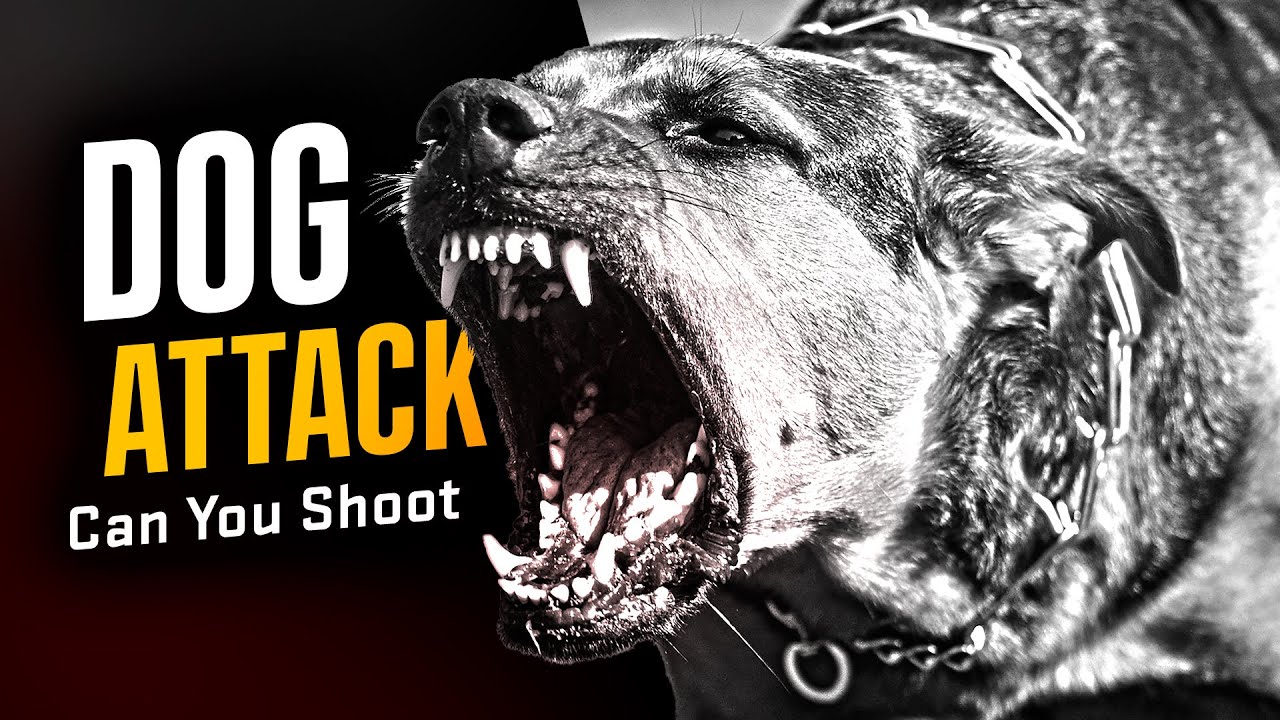
Can you shoot a dog attacking you? Yes, in many places, you can shoot a dog attacking you or another person, but it is a serious matter with strict rules and legal risks. Laws differ everywhere, so knowing your local rules is key. Using force against an aggressive dog, especially deadly force like shooting, is usually allowed only when you face a real and serious threat and have no other safe choice. This article will talk about your legal right to shoot a dog and the laws regarding killing a dog in self defense.
Navigating the Rules
Thinking about shooting a dog is scary. It means you or someone else is in danger. Legal rules about using force, like shooting a dog, try to balance keeping people safe and respecting animal life. Animals are seen as property under the law, which is different from laws about harming people. This fact shapes how courts and police look at cases where a dog is shot. It is not the same as human self-defense, though similar ideas apply, like the need for the attack to be happening right now.
When Force Might Be Necessary
Protecting yourself from a dog attack can involve different actions. Running away, getting behind a fence, or using something between you and the dog are safer first steps. But sometimes, a dog attack is so sudden and fierce that these simple steps are not possible. This is when using force might be needed for dog attack self defense. The type of force allowed depends on how bad the attack is. Hitting the dog with a stick or using pepper spray might stop a less severe attack. Shooting is seen as the most serious action, used only when the threat is very high.
How Laws Vary by Place
Laws regarding killing a dog or shooting a dog in self defense are not the same everywhere. Each state, and sometimes even cities or counties, has its own rules. Some places have laws that clearly state you can kill an animal if it is attacking you or another person. Other places have less clear rules, and the action is judged later based on general self-defense ideas. Knowing the dog attack law where you live is very important. What is legal in one town might lead to charges in the next.
State-by-State Differences
It is impossible to cover every single law here, but we can look at general ways states handle this.
- Clear Self-Defense Laws: Some states have specific laws saying you can kill a dog if it is attacking a person or sometimes even livestock. These laws often require that the attack is happening now and could cause serious harm.
- General Self-Defense Principles: In other states, shooting a dog is looked at under the same rules as using force to protect yourself from a person. You must prove you were in fear of serious harm and that shooting was the only way to stop the threat.
- Focus on Property/Animal Cruelty: Some states might focus more on the fact that you killed an animal (property). You might have to show very strongly that your life was in danger to avoid animal cruelty charges or civil lawsuits from the dog owner.
Key Things That Matter Legally
When someone shoots a dog, several things are checked to see if it was legal. These points help decide if you had a legal right to shoot a dog.
Was the Attack Happening Now?
The law usually requires that the threat is immediate. This means the dog must be actively attacking, charging, or showing clear signs it is about to attack right now. A dog barking far away or a dog that attacked someone last week does not meet this rule. The danger must be happening when you use force.
How Bad Was the Threat?
You must show the dog could cause serious harm. This is not just about a small nip. It is about a threat of bad bites, mauling, or other major injury. A large, powerful dog acting aggressively is more likely to be seen as a serious threat than a small dog just barking. The dog’s behavior, size, and past actions (if known) can matter.
Was Shooting the Only Choice?
Legal self-defense often requires that you had no other safe way to stop the threat. Did you try to escape? Was there a place to hide? Could you have used something else, like pepper spray or a stick, that would have stopped the dog without killing it? If there were other safe options to stop the attack, shooting might not be seen as necessary or legal. Using force against aggressive dog should start with the least harmful method that works.
Was the Force Reasonable?
The force you use must fit the level of the threat. Shooting a dog is using deadly force. This is usually only seen as reasonable if the dog’s attack could cause death or serious bodily harm to a person. Shooting a dog that is just barking or acting slightly aggressive is unlikely to be seen as reasonable or legal.
Where Did It Happen?
The location can also matter. Was the dog on your property, where you might have more rights to defend yourself and your property? Was it on public land, like a park or street? Was it on the dog owner’s property (where you likely have fewer rights unless invited and attacked without cause)? The location can affect the legal view of the event.
Defending Yourself vs. Others
Laws are clearest when you are protecting yourself or another person from serious harm. Shooting a dog in self defense to stop an attack on a child, an elderly person, or anyone else is often viewed the same as protecting yourself. The focus is on preventing serious injury to a human being.
Defending Your Pet
The rules change when the attack is on your pet. Can I kill a dog attacking my pet? This is often less clear than defending a person. In the eyes of the law, pets are usually considered property. While people feel strongly about their pets, using deadly force to protect property (even beloved pets) is often not allowed, or the rules are much stricter.
Some states have specific laws that permit killing a dog attacking livestock (like sheep or cows), as livestock are considered valuable property for farming. A few states have started to add protections for pets, allowing owners to use force, sometimes even deadly force, to stop an attack on their pet.
However, in many places, if you shoot a dog that is attacking your dog, you might face legal problems. You might have to prove that the attacking dog also posed a threat to a person, or that local laws specifically allow defending a pet with lethal force. It is a risky legal area.
What Counts as an “Attack”?
Legally, an “attack” usually means aggressive behavior that is likely to cause harm. A dog just being loud, running towards you without showing signs of aggression, or even nipping lightly might not be seen as an “attack” that justifies shooting. The dog must show intent and ability to cause serious injury. This often involves biting, lunging fiercely, or pursuing you aggressively in a way that makes you reasonably fear for your safety. Your fear must be reasonable given the dog’s actions.
Other Ways to Stop a Dog Attack
Before using lethal force, the law generally expects you to try other methods. Using force against aggressive dog can include:
- Creating Distance: Running away or finding shelter.
- Using Objects: Putting a fence, car, or other large object between you and the dog.
- Making Noise: Yelling loudly can sometimes scare a dog away.
- Using Barriers: An umbrella, a backpack, or a jacket can be used to block a dog.
- Non-Lethal Sprays: Carrying animal repellent spray (like pepper spray for dogs) can be very effective.
- Physical Deterrents: Using a stick or other object to hit the dog to stop the attack, not just to hurt the dog needlessly.
Shooting should be the last resort when these other methods are not possible or have failed, and a serious threat remains.
What Happens After You Shoot a Dog?
Shooting a dog, even if you believe it was necessary self-defense, is a serious event with potential legal consequences of shooting dog. You should expect contact with law enforcement.
Steps to Take Immediately:
- Ensure Safety: Make sure the threat is over and you and others are safe.
- Call the Police: Report the incident immediately. Explain clearly and calmly what happened – that a dog attacked you and you had to use force to stop it because you feared serious harm.
- Seek Medical Help: If you were bitten or injured, get medical attention.
- Gather Information: If possible and safe, get names of witnesses. Do not move anything. Let the authorities see the scene as it was.
- Be Careful What You Say: Stick to the facts when talking to police. You acted because you were attacked and feared serious injury. Do not guess or add details you are not sure about. Consider speaking with a lawyer before giving a full statement.
- Contact Animal Control: Report the dog attack to local animal control. They need to know about aggressive animals.
Potential Legal Issues
Even if you felt completely justified, shooting a dog can lead to legal problems. This highlights why knowing when is it legal to shoot a dog is critical.
Animal Cruelty Charges:
If authorities do not believe you were in serious danger, or if they think you used more force than needed, you could potentially face charges for animal cruelty. This depends heavily on the details of the event and local laws. If the dog was not actively attacking, or if you shot a dog that was running away, you could be in trouble.
Civil Lawsuits:
The dog’s owner might sue you for the value of their dog (as property) and possibly other costs. You would have to defend your actions in civil court, proving that you acted legally in self-defense. Even if criminal charges are not filed, a civil case is possible.
Discharge of a Firearm:
In some places, especially in crowded areas, there are rules about where you can legally fire a gun. If you shoot a dog in a place where discharging a firearm is illegal (like inside city limits), you could face additional charges, regardless of whether the shooting was self-defense.
When is it Legal to Shoot a Dog? Summing Up
Based on general legal ideas across many places, shooting a dog is most likely to be considered legal when:
- The dog is actively attacking or is moments away from attacking a person.
- The attack is likely to cause death or serious bodily harm.
- You have no safe way to escape the attack.
- You have no other reasonable, less harmful way to stop the attack (like using spray or a barrier).
- You are protecting yourself or another person. Protecting a pet is often legally much weaker.
- Your actions are reasonable given the immediate danger.
These points are often what legal officials look at to decide if you had a legal right to shoot a dog. It is rarely legal to shoot a dog just for being on your property, for barking, or for past behavior. The threat must be happening now and be severe.
Different Attack Situations
Let us look at a few simple examples, remembering that local laws always rule.
- Scenario A: Dog Charges Aggressively: You are walking, and a large dog escapes a yard, runs towards you barking fiercely, and lunges. It tries to bite your arm. You cannot run away safely. Using pepper spray does not stop it. You shoot the dog as it attacks you. Likely Legal (in many places) if all conditions met. You faced an immediate, serious threat with no other clear way to stop it.
- Scenario B: Dog Barks at Fence: A dog is inside its yard, barking loudly at you as you walk past. It is behind a fence and cannot get out. You shoot the dog to make it stop barking or because you are scared. Highly Unlikely to be Legal. The dog was contained and not an immediate physical threat to you. Shooting would not be considered necessary or reasonable self-defense.
- Scenario C: Dog Fights Your Dog: A loose dog attacks your leashed dog. They are fighting. The loose dog is hurting your pet. You shoot the attacking dog. Legally Risky. This falls under defending property (your pet). As discussed, this is often not a legal reason to use deadly force unless the attacking dog also threatened you or another person with serious harm during the fight.
Ways to Stay Safe and Avoid Conflict
The best way to avoid the legal issues of shooting a dog is to avoid the situation entirely.
- Be Aware: Pay attention to your surroundings when walking or running.
- Avoid Risky Areas: If you know a house has an aggressive dog that is not properly contained, try to use a different route.
- Report Dangerous Dogs: If there is a dog in your area that is often loose or acts aggressively towards people, report it to animal control before an attack happens. This creates a record and might lead to action to secure the dog.
- Carry Protection: Consider carrying legal animal repellent spray. It is often very effective and is not lethal, making it a much safer legal option for using force against aggressive dog.
- Learn Dog Behavior: Knowing simple signs of dog aggression can help you spot danger earlier.
Conclusion
The question “Can you shoot a dog attacking you?” has a complex answer that depends heavily on where you are and the exact situation. While laws in many places allow you to use deadly force, including shooting, to protect yourself or another person from a dog attack likely to cause serious harm, this is only when absolutely necessary. There must be an immediate threat, no other safe options, and the force used must be reasonable.
Defending your pet with lethal force is often legally questionable. The legal consequences of shooting dog can be severe, including criminal charges and civil lawsuits, even if you felt you were justified. Knowing the specific laws regarding killing a dog and the dog attack law in your area is vital. Ultimately, using non-lethal methods and avoiding dangerous situations are always the safest approaches to protecting yourself from a dog attack. Shooting a dog is a last resort with serious legal tests to pass.
Frequently Asked Questions (FAQ)
Q: Is it always legal to shoot a dog if it is on my property?
A: No. Just being on your property does not usually give you the right to shoot a dog. The dog must pose an immediate threat of serious harm to a person (or sometimes livestock, depending on the law) that you cannot otherwise stop.
Q: What if a dog is chasing me but hasn’t bitten me yet?
A: If the dog is chasing you aggressively in a way that makes you reasonably believe it will bite you and cause serious harm, and you cannot escape, this could be considered an imminent attack justifying force. However, simply being chased without signs of imminent, serious aggression might not be enough to legally justify shooting.
Q: Can I shoot a dog that attacked me last week if I see it again?
A: No. Self-defense laws require the threat to be immediate, meaning it is happening right now. You cannot use force, especially deadly force, for a past threat. You should report the dog to authorities.
Q: Do I have to try other things before shooting?
A: Yes, generally you must show that you had no other safe and reasonable way to stop the serious threat. This includes trying to escape or using non-lethal methods if possible. Shooting is usually only legal as a last resort when facing immediate, serious harm.
Q: What proof do I need that the dog was attacking?
A: Witness statements, injuries to you or others, photos/videos of the scene (if available later), and reports from animal control or police who observe the dog’s behavior or the scene can serve as proof. Your own statement about your fear and the dog’s actions is also evidence, but it is stronger when supported by other facts.
Q: Can the dog’s owner sue me if I shoot their dog attacking me?
A: Yes, they can sue you for civil damages (like the value of the dog). You would then have to prove in civil court that your action was legally justified self-defense under state and local law to avoid paying damages.