
Can you put Sevin Dust on a dog for fleas? No, absolutely not! Applying Sevin Dust directly to your dog for flea control is extremely dangerous. This product contains carbaryl, a chemical that is toxic to dogs and can cause severe poisoning, leading to serious health problems or even death. Always use only flea treatments made for pets and approved by a veterinarian.
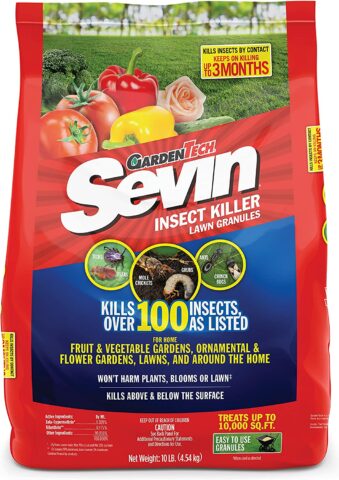
Image Source: www.hepper.com
Deciphering Sevin Dust: What It Is and Its Purpose
Sevin Dust is a common garden product. Many people use it in their yards. It helps kill bugs on plants. The main chemical in Sevin Dust is called carbaryl. This chemical is a pesticide. It works well on many garden pests. But it is not meant for pets. It is made for outdoor plants and soil. The instructions on the label are clear. They tell you not to use it on animals. This is a very important rule to follow. Using it for anything else can be very harmful. This includes using it on dogs or other pets.
What is Carbaryl?
Carbaryl is a type of chemical. It belongs to a group called carbamates. These chemicals kill bugs. They work by messing up a bug’s nervous system. When a bug touches or eats carbaryl, its nerves stop working right. This leads to the bug dying. Carbaryl is strong. It is effective against many insects. This is why it is used in gardens. It stops bugs from eating plants. But what hurts bugs can also hurt pets. This is a key point to remember.
Why Sevin Dust Poses a Grave Risk to Dogs
Applying Sevin Dust to your dog is very risky. The chemical carbaryl is dangerous for dogs. It can get into their body in a few ways. They can breathe it in. They can lick it off their fur. It can also soak through their skin. Once inside, carbaryl causes problems. It messes with a part of the dog’s body called the nervous system. This can lead to serious illness. The risks are high. Pet owners must know these dangers.
Carbaryl Toxicity Dogs: A Serious Threat
Carbaryl toxicity dogs is a big concern. When a dog gets too much carbaryl, it gets poisoned. This happens because carbaryl stops an important chemical in the body. This chemical is called acetylcholinesterase. It helps nerves work right. When it is stopped, nerves fire too much. This causes many body parts to act strangely. Things like muscles, glands, and even breathing can be affected. It is a very serious type of poisoning.
The body tries to get rid of the carbaryl. But if too much is there, the body cannot keep up. The poison builds up. This makes the dog sicker and sicker. Small amounts can cause mild issues. Large amounts can cause death. This is why you must never use Sevin Dust on your dog. It is not made for them. Their bodies cannot handle this strong chemical.
Sevin Dust Side Effects on Dogs: What to Watch For
Sevin dust side effects on dogs can be very clear. They show up fast. Dogs can start to feel sick quickly. The signs depend on how much dust they get on them. They also depend on how much they lick off. Even breathing the dust can make them sick. The symptoms can range from mild to very bad. Knowing these signs is vital. It helps you act fast.
Some common side effects affect the digestive system. Dogs might drool a lot. They might throw up. They might have diarrhea. These are early signs. They mean something is wrong. The chemical is irritating their body.
Other signs affect breathing. Dogs might cough. They might have trouble breathing. Their breathing might be fast or shallow. This means the chemical is affecting their lungs. It can also affect their heart rate.
The nervous system is also hit hard. Dogs might act shaky. They might be weak. Their muscles might twitch. They might even have seizures. These are very serious signs. They mean the brain is affected. Their eyes might get small. This is called miosis.
If you see any of these signs, get help fast. Your dog needs a vet right away. Do not wait to see if they get better. Every minute counts.
Pesticide Poisoning Symptoms in Dogs
Pesticide poisoning symptoms in dogs can appear quickly. They often show up within minutes to hours. The symptoms reflect how the carbaryl affects the dog’s nervous system. Here is a list of common signs:
- Drooling a lot: Their mouth might water constantly.
- Throwing up: They might vomit many times.
- Diarrhea: Their stools will be loose and watery.
- Small pupils: Their eyes might look very tiny.
- Muscle tremors: Their muscles might twitch or shake uncontrollably.
- Weakness: They might seem very tired or unable to stand.
- Stumbling: They might lose their balance when walking.
- Difficulty breathing: They might pant heavily or gasp for air.
- Slow heart rate: Their pulse might feel very sluggish.
- Seizures: Their body might go into fits of uncontrolled shaking.
- Collapse: They might fall down and be unresponsive.
- Coma: They might go into a deep sleep and not wake up.
Some people remember the acronym SLUDGE. This helps recall some symptoms:
* Salivation (drooling)
* Lacrimation (tears)
* Urination
* Defecation (pooping)
* Gastrointestinal upset (throwing up, diarrhea)
* Emesis (vomiting)
These signs are very serious. If you see them, do not hesitate. Call your vet or an emergency vet clinic right away. Quick action can save your dog’s life.
Garden Insecticide Use on Animals: A Dangerous Misstep
Garden insecticide use on animals is a dangerous mistake. Products like Sevin Dust are made for plants. They are not tested on animals. They are not made to be safe for them. The strength of these chemicals is too high for pets. Animals absorb chemicals differently than plants. Their bodies react differently. What kills a bug on a rose bush can poison a dog.
Many garden products have warning labels. These labels often say “Keep out of reach of children and pets.” This is not just a suggestion. It is a vital safety rule. Ignoring these warnings can lead to tragic results. Using a garden product on a pet is misuse. It is not what the product is for. Always read labels carefully. Only use products as they are meant to be used. For fleas on dogs, use products made for dogs.
Harmful Chemicals for Dogs: Knowing the Dangers
Many household and garden items contain harmful chemicals for dogs. Pesticides are just one example. Antifreeze, cleaning supplies, and even some human medicines can hurt pets. It is important to know what is in your home. Keep dangerous items locked away. Store them where pets cannot reach them.
Dogs are curious. They explore with their noses and mouths. This makes them prone to getting into bad things. A spilled chemical can be deadly. A bag of dust left open is a hazard. Always be aware of your surroundings. Protect your pets from chemical harm. Think about what your dog might get into. Then take steps to prevent it.
Signs of Sevin Dust Poisoning in Dogs: A Quick Guide
Recognizing poisoning signs quickly is key. The faster you act, the better for your dog. Symptoms can vary. They depend on how much poison your dog got. They also depend on how strong the dog is.
Here is a table showing common signs:
| Symptom Group | Specific Signs to Watch For | Severity Level |
|---|---|---|
| Mild Signs | Too much drooling, minor vomiting, loose stools, slight shaking. | Low |
| Moderate Signs | Lots of drooling, repeated vomiting, bad diarrhea, muscle tremors, | Medium |
| weakness, trouble breathing (fast or shallow breaths). | ||
| Severe Signs | Hard to breathe, severe muscle twitching, seizures, collapse, coma, | High |
| very slow heart rate, very small pupils. |
Remember, even mild signs need attention. They can quickly get worse. Never ignore any of these signs.
What to Do If Your Dog is Exposed: Urgent Action
If you think your dog got into Sevin Dust, act fast. This is an emergency. Do not wait.
1. Stay Calm and Act Quickly:
* Your dog needs your help. Panic does not help.
* Get your dog away from the dust source.
2. Protect Yourself:
* Wear gloves if you need to handle the dog.
* The dust can get on you too.
3. Call Your Veterinarian or Emergency Clinic:
* This is the most important step. Call them right away.
* Tell them what happened.
* Tell them the name of the product (Sevin Dust).
* Tell them the active ingredient (carbaryl).
* Tell them how your dog got exposed (licked, breathed, on skin).
* Tell them any symptoms you see.
* They will tell you what to do next.
4. First Aid at Home (Only if told by vet):
* Skin Exposure: If the dust is on their fur, put on gloves. Gently brush off as much dust as you can. Then, bathe your dog. Use a mild dish soap. Wash them well. Rinse thoroughly. This helps remove the chemical. Do this outdoors if possible.
* Ingestion: If your dog ate it, do NOT make them throw up. This can make things worse.
* Breathing: Get them into fresh air.
5. Get to the Vet:
* Follow your vet’s directions.
* Take the Sevin Dust package with you. The label helps the vet know exactly what they are dealing with.
Veterinary Treatment for Carbaryl Poisoning
At the vet, they will work fast. Their goal is to get the poison out. They also want to control the symptoms.
* Decontamination: They might wash your dog again. They might give charcoal to absorb the poison if the dog ate it.
* Medication: They often give a drug called atropine. This drug helps reverse some of the bad effects on the nervous system. It helps with drooling, small pupils, and breathing.
* Supportive Care: Your dog might get fluids through an IV. They might need oxygen if breathing is hard. They might need medicine for seizures. They will watch your dog closely. They will check heart rate, breathing, and body temperature.
The treatment can take time. Your dog might need to stay at the vet for a while. The faster treatment starts, the better the chance for a full recovery.
Debunking Myths: Is Sevin Dust Safe for Pets?
Some people think Sevin Dust is safe for pets. This is a myth. It is simply not true. The answer to “Is Sevin dust safe for pets?” is a strong NO. The dust is toxic. It is designed to kill insects. It is not safe for mammals. Dogs are mammals. Their bodies are not like insects. But the chemical can still harm them greatly.
This myth might come from old practices. Years ago, people did not know as much. They used many things without knowing the risks. Today, we have much more science. We know carbaryl is dangerous for dogs. We also have many safe choices for flea control. Do not rely on old ideas. Always choose safety.
Dog Flea Powder Safety: What to Look For
When you buy flea powder for dogs, check the label. It must say it is safe for dogs. It should also say the age of the dog it is safe for. Some powders are for puppies. Some are for older dogs.
Look for active ingredients like pyrethrins. These are natural pesticides. They come from chrysanthemum flowers. They are much safer for dogs than carbaryl. But even these can cause mild reactions in some dogs. Always use them as the label says.
Never use a product not meant for dogs. Never use a product for plants on your dog. This is a basic rule of pet safety.
Why Professional Guidance Matters: Trust Your Vet
Your veterinarian is your best source of advice. They know a lot about pet health. They know about safe flea control. They can tell you what is right for your dog. Do not guess. Do not trust what you read online from non-experts. Do not use products just because a neighbor says they work.
Veterinarian Recommended Flea Control: The Best Choice
Veterinarian recommended flea control is always the safest. Vets pick products that are:
* Effective: They kill fleas and stop new ones.
* Safe: They are tested on dogs. They have low risks.
* Right for Your Dog: Vets consider your dog’s age, size, and health.
Vets can offer many options. They can give you pills. They can give you spot-on treatments. They can give you special collars. They know the best choices for your specific situation. They can also tell you how to use them. Follow their advice. It protects your dog.
Safe and Effective Alternatives for Flea Control
Instead of dangerous chemicals like Sevin Dust, use safe methods. Many good options exist. They kill fleas. They also keep your dog safe.
Alternative Flea Treatments for Dogs
There are several types of safe flea treatments. Each works a little differently. Your vet can help you pick the best one.
-
Oral Medications (Pills):
- How they work: Your dog eats a pill. The medicine gets into their bloodstream. When fleas bite, they take in the medicine and die.
- Pros: Very effective, works fast, no messy residue on fur. Cannot be washed off.
- Examples: Bravecto, NexGard, Simparica, Comfortis. These are common and safe.
- Flea prevention methods for canines: Many of these pills also prevent ticks and other parasites.
-
Topical Spot-Ons (Liquids):
- How they work: You put a small amount of liquid on your dog’s skin. Usually between the shoulder blades. The medicine spreads over the skin. It also goes into oil glands. Fleas die when they touch the treated fur.
- Pros: Easy to use, works for about a month.
- Cons: Can be messy for a short time. Your dog cannot get wet right after applying.
- Examples: Frontline Plus, K9 Advantix II, Advantage II.
-
Flea Collars (Specific Types):
- How they work: Some modern collars release active ingredients. These chemicals spread over the dog’s skin and fur. They repel or kill fleas.
- Pros: Long-lasting, some work for many months.
- Cons: Not all collars are equal. Old-style collars can be less effective or even harmful.
- Example: Seresto collar is a popular and safe option.
-
Flea Shampoos and Dips (Vet-Approved):
- How they work: These products kill fleas on contact. You bathe your dog with the shampoo. Or you dip them in a solution.
- Pros: Good for killing fleas on your dog right now.
- Cons: Short-term solution. Does not prevent new fleas. Can be drying to skin.
- Note: Use only vet-approved formulas. Never use harsh chemicals.
-
Environmental Control Products:
- How they work: These products treat your home and yard. They kill fleas where they live and breed.
- Pros: Essential for breaking the flea life cycle. Fleas spend most of their life off the pet.
- Examples: Sprays for carpets, foggers, yard treatments.
- Note: Choose pet-safe options. Use them when pets are not in the area. Let dry completely before pets return.
-
Natural Remedies (with caution):
- Some people try natural methods. These include things like diatomaceous earth (food grade), certain essential oils (diluted), or apple cider vinegar.
- Caution: Many natural remedies are not proven to work well. Some can even be harmful if not used right. Essential oils can be toxic to dogs if not diluted properly or if ingested. Always talk to your vet before trying any natural remedy. They can tell you if it is safe and effective. Do not rely only on natural methods for a bad flea problem.
Preventing Flea Infestations: A Holistic Approach
The best way to fight fleas is to stop them before they start. A good prevention plan keeps your dog safe. It also keeps your home free of fleas.
-
Year-Round Flea Prevention:
- Fleas are not just a summer problem. They can live indoors all year.
- Use a vet-approved flea control product every month or as directed. Do this all year.
- This stops fleas from getting on your dog. It also stops them from laying eggs in your home.
-
Regular Cleaning of Your Home:
- Vacuum often. Especially areas where your pet sleeps. This picks up flea eggs, larvae, and pupae.
- Wash pet bedding weekly in hot water. This kills all flea stages.
- Clean carpets and furniture. Fleas love to hide in these spots.
-
Groom Your Dog Regularly:
- Brush your dog often. This helps find fleas early.
- Use a flea comb. These combs have fine teeth. They can pull fleas and flea dirt off your dog.
- If you find fleas, wash them off the comb. Put them in soapy water to kill them.
-
Treat Your Yard (If Needed):
- Fleas can live in your yard. Especially in shady, moist areas.
- If you have a bad problem, you might need to treat your yard.
- Use pet-safe yard treatments. Look for products with insect growth regulators (IGRs). These stop fleas from growing.
- Always follow instructions carefully. Keep pets away from the area until it is dry.
-
Check All Pets:
- If you have more than one pet, check and treat them all.
- Fleas can jump from one pet to another.
- Even indoor cats can get fleas.
By doing these things, you create a safe zone for your dog. You make it hard for fleas to live and breed. This keeps your dog happy and healthy.
Grasping the Risks: A Summary
In short, putting Sevin Dust on your dog for fleas is a very bad idea. It is a garden chemical. It contains carbaryl. Carbaryl is highly toxic to dogs. It can cause serious illness or even death. The symptoms of poisoning are severe. They affect many body systems.
Always prioritize your dog’s safety. Never use products not made for pets on your dog. Trust your veterinarian. They can guide you to safe and effective flea treatments. These include oral pills, topical liquids, and special collars. A holistic approach to flea prevention is best. This means treating your dog, cleaning your home, and checking your yard. Keep your dog free of fleas the safe way.
Frequently Asked Questions (FAQ)
Q1: What exactly makes Sevin Dust so dangerous for dogs?
A1: Sevin Dust contains carbaryl. Carbaryl is a cholinesterase inhibitor. This means it stops an important chemical in the dog’s nervous system. This causes nerve signals to fire too much. It leads to severe problems. These include muscle tremors, breathing issues, vomiting, and seizures. It can even cause death.
Q2: Can I use a very small amount of Sevin Dust on my dog?
A2: No. Any amount of Sevin Dust is unsafe. Even a small amount can cause sickness. Dogs can lick it off their fur. They can breathe it in. It can soak through their skin. It is not worth the risk.
Q3: My dog was just around Sevin Dust. What should I do?
A3: Act fast. Get your dog away from the dust. Call your veterinarian or an emergency vet clinic right away. Tell them what happened. They will tell you what to do next. You might need to wash your dog. You might need to take them to the clinic.
Q4: What are the safest ways to kill fleas on my dog quickly?
A4: The safest ways are veterinarian-approved products. These include fast-acting oral pills like Capstar. They also include topical spot-on treatments. Or special flea shampoos approved by your vet. Always talk to your vet first to choose the best option for your dog.
Q5: How do I know if a flea product is safe for my dog?
A5: A flea product is safe if it is specifically made for dogs. It must clearly say “for dogs” on the label. It should also have specific dose instructions for your dog’s weight and age. Most importantly, it should be recommended by your veterinarian. Avoid products not labeled for pets. Avoid general garden insecticides.
Q6: Are there any natural flea remedies that are safe for dogs?
A6: Some natural remedies are discussed. These include things like food-grade diatomaceous earth or diluted essential oils. However, many are not proven effective. Some can even be harmful if used wrong. Always talk to your vet before trying any natural method. Your vet can tell you if it is safe and if it will work. For severe flea problems, vet-prescribed options are often best.
Q7: Can flea collars be dangerous for dogs?
A7: Some old-style flea collars might contain harsh chemicals. They can cause skin irritation or other issues. However, many modern flea collars are very safe and effective. Examples include the Seresto collar. It is important to choose a vet-recommended collar. Always read the label. Make sure it is right for your dog’s size and age.