
Yes, you can often take legal action if a dog bites you. While “pressing charges” typically means filing criminal charges, most dog bite cases are civil matters. This means you can sue the dog’s owner for money to cover your harm. In certain serious cases, like when an owner shows great carelessness or a dog has attacked before, criminal charges are possible. This guide helps you learn your rights and steps after a dog bite.
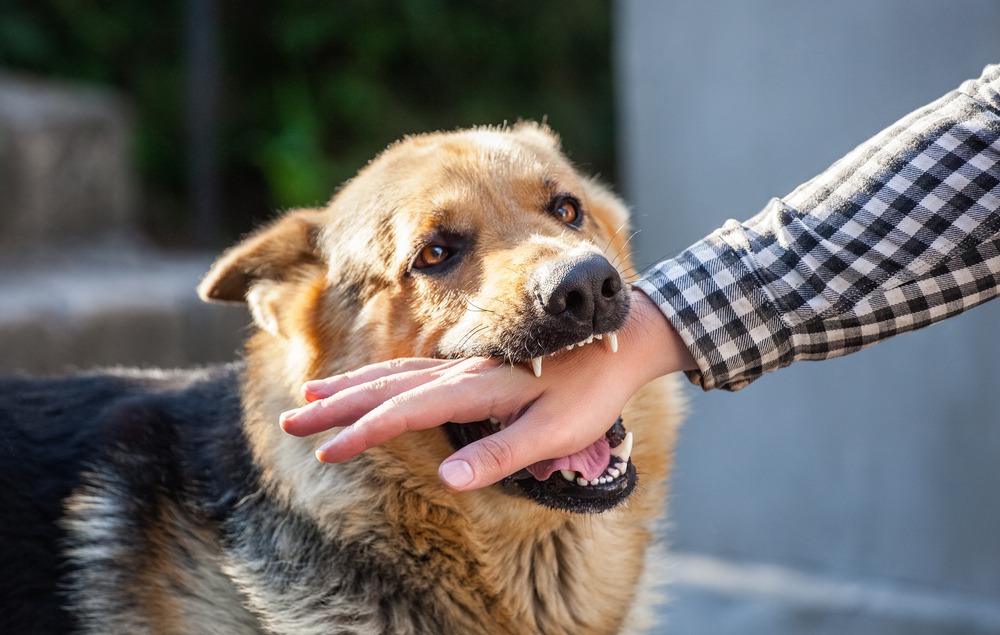
Image Source: www.underwoodlawoffice.com
Grasping ‘Pressing Charges’: Civil vs. Criminal Actions
When someone talks about “pressing charges,” they usually mean starting a criminal case. This is when the state, not a private person, brings a case against someone for breaking the law. For most dog bites, this is not what happens. Instead, you typically file a civil claim.
A Civil Claim: Your Path to Compensation
A civil claim is a private dispute. You, the person hurt, sue the dog owner directly. Your goal is to get money for your injuries. This money is called “compensation.” This is where a dog bite lawsuit comes into play. It’s about getting financial help for what you went through.
When Criminal Charges Might Apply
Criminal charges are rare for a dog bite. But they can happen if:
- The owner was very careless (gross negligence).
- The dog was known to be dangerous, and the owner did not control it.
- The dog was used as a weapon.
- The owner broke specific laws, like allowing a known dangerous dog to roam free.
In these cases, police and prosecutors decide if they will file criminal charges. This is separate from your civil case to get money.
Dog Owner Liability Rules
Who pays for a dog bite depends on the rules where you live. Each state has its own state dog bite laws. These laws decide how much responsibility a dog owner has for bites. There are two main types of laws:
1. Strict Liability States
In some states, dog owners are “strictly liable.” This means they are responsible for bites even if they did nothing wrong. It does not matter if they knew their dog might bite. If the dog bites, the owner pays. Most states follow this rule, at least in part.
2. One-Bite Rule States
Other states follow a “one-bite rule.” This rule says an owner is only responsible if they knew their dog was likely to bite. This usually means the dog had bitten someone before. Or, the dog showed signs of being mean or aggressive. If the owner did not know the dog was dangerous, they might not be liable for the first bite.
Other Ways to Prove Responsibility
Even in “one-bite” states, you might still get compensation. You can show the owner was careless. This is called “negligence.”
- Carelessness: The owner did not control their dog. They let it off-leash when rules said otherwise. They did not fix a broken fence. These are acts of carelessness.
- Breaking a Rule: The owner broke a law. For example, a leash law. If breaking that law led to the bite, the owner might be responsible.
Things That Can Change Responsibility
Some things can affect if an owner is liable:
- Trespassing: If you were on the owner’s property without permission, you might not get compensation.
- Provocation: If you teased or hurt the dog, and it bit you because of that, your claim might be weaker.
- Known Danger: If you knew the dog was dangerous and still went near it, this could also affect your case.
Steps to Take Immediately After a Dog Bite
A dog bite can be scary and painful. Taking the right steps right away is very important. These steps help your health. They also help your legal case later.
1. Safety First and Medical Care
- Move Away: Get away from the dog and its owner. Make sure you are safe.
- Clean the Wound: Wash the bite with soap and warm water for several minutes. This helps prevent infection.
- Seek Medical Help: Go to a doctor or an urgent care clinic at once. Dog bites can cause bad infections. They can also cause rabies. A doctor needs to check your wound. They can also document your injuries. Keep all medical records and bills. These are key for compensation for dog bite injuries.
2. Get Information
If you can, get these details right away:
- Dog Owner Information:
- Name, address, and phone number of the dog owner.
- Ask if they have homeowner’s or renter’s insurance. This insurance often covers dog bites.
- Dog Information:
- Dog’s breed, name, and color.
- Ask if the dog has its shots, especially for rabies.
- Witness Information:
- Names and contact details of anyone who saw the bite. Their statements can be very helpful.
- Take Photos:
- Take pictures of your injuries. Do this often as they heal.
- Take photos of the dog and the place where the bite happened.
3. Reporting the Bite
- Call Animal Control: This is a very important step. Reporting a dog bite incident to animal control creates an official record. This record can help your case. It also helps public safety.
- Call Police (If Serious): If the bite was very bad, or if you feel unsafe, call the police too. They can also make a report.
Reporting a Dog Bite Incident
Reporting a dog bite is a key part of the process. It is important for your health and for your potential legal claim.
Who to Report To
- Animal Control: This is the main agency. They will investigate. They check if the dog has had rabies shots. They might watch the dog for a few days. They create an animal control dog bite report. This report is vital evidence.
- Local Health Department: Sometimes, these departments also take dog bite reports. They care about public health, especially rabies.
- Police Department: Call them if the bite was severe. Or if the owner was aggressive. Or if you think a crime happened.
What Happens When You Report
When you report a bite to animal control:
- They ask for details about the bite, the dog, and the owner.
- They might contact the dog owner.
- They may check the dog’s rabies shot records.
- They might tell the owner to quarantine the dog. This means keeping it separate for a time.
- They will write an official report. Ask for a copy of this animal control dog bite report.
Why Reporting Matters
- Health Safety: It helps stop the spread of rabies.
- Official Record: The report is solid proof the bite happened. This helps your personal injury claim dog attack.
- Public Safety: It helps animal control know if a dog is dangerous. They can take steps to protect others. This can lead to a dangerous dog designation.
Dog Attack Victim Rights
As a victim of a dog attack, you have important rights. These rights aim to protect your health and help you recover financially.
Your Key Rights
- Right to Medical Care: You have the right to get proper medical care for your injuries. The dog owner should pay for these costs.
- Right to Information: You have the right to know about the dog and its owner. This includes rabies shot records.
- Right to Compensation: You have the right to seek money for your losses. This covers more than just doctor bills.
- Right to Safety: You have the right to live without fear from dangerous dogs. Reporting helps make sure this happens.
What You Can Get Paid For
When you seek compensation for dog bite injuries, you can ask for money to cover many things.
| Type of Damage | What It Means | Examples |
|---|---|---|
| Medical Bills | Costs for all medical care you need. | Doctor visits, hospital stays, medicines, therapy. |
| Lost Wages | Money you could not earn because of your injury. | Time off work, lost tips, missed work chances. |
| Pain and Suffering | Money for your physical pain and mental anguish. | Ongoing pain, discomfort, scars, emotional stress. |
| Emotional Distress | Money for mental harm like fear or anxiety. | PTSD, fear of dogs, sleepless nights. |
| Property Damage | Costs if your belongings were ruined. | Torn clothes, broken glasses. |
| Future Costs | Money for medical care or lost wages in the future. | Future surgeries, long-term therapy. |
Seeking Compensation for Dog Bite Injuries
Getting money for your injuries is a major step. It can help you get back on your feet.
Ways to Get Money
- Dog Owner’s Insurance: Most often, the dog owner’s homeowner’s or renter’s insurance policy will cover dog bite claims. You file a claim with their insurance company. This is usually the first step.
- Directly from the Owner: If the owner has no insurance, or their policy does not cover it, you might need to sue them directly.
- Personal Injury Claim: This is the legal process you use. It’s a personal injury claim dog attack.
The Process of a Claim
- Gather Proof: Collect all your medical records, bills, photos, and the animal control report. Get statements from witnesses.
- Notify Insurance: Tell the dog owner’s insurance company about the bite.
- Demand Letter: Your lawyer sends a letter to the insurance company. It asks for a specific amount of money. It explains why you deserve it.
- Negotiation: The insurance company might offer less money. Your lawyer will try to get you more. Most cases settle here without going to court.
- Lawsuit: If you cannot agree on a fair amount, you might file a dog bite lawsuit in court.
Navigating a Dog Bite Lawsuit
Filing a dog bite lawsuit can seem big. But it’s often the best way to get fair compensation for dog bite injuries.
When a Lawsuit is Needed
- Serious Injuries: If your injuries are bad, with high medical bills or lasting harm.
- No Settlement: If the insurance company will not pay a fair amount.
- Owner Has No Insurance: If you need to get money directly from the owner.
- Disputed Facts: If the owner says their dog did not bite you, or that you caused it.
Key Stages of a Lawsuit
- Finding a Lawyer: This is the first and most important step. A lawyer can guide you. (More on this later.)
- Investigation: Your lawyer will gather all evidence. This includes medical records, bills, witness statements, and the animal control report.
- Filing the Complaint: Your lawyer files legal papers with the court. These papers say what happened and what you are asking for.
- Discovery: Both sides exchange information. This might involve written questions (interrogatories), asking for documents, and talking to witnesses under oath (depositions).
- Mediation/Negotiation: Before trial, a neutral person (a mediator) might try to help both sides agree on a settlement. Many cases settle at this stage.
- Trial: If no settlement is reached, the case goes to trial. A judge or jury hears the evidence and decides. Trials are rare for dog bite cases.
The Role of Your Lawyer
Your lawyer is your guide and fighter. They will:
- Explain State Dog Bite Laws: They will tell you how the laws in your state affect your case.
- Gather Evidence: They will get all the papers, photos, and reports needed.
- Talk to Others: They will talk to the insurance company, the dog owner, and witnesses.
- Fight for You: They will work hard to get you the most money possible.
- Handle Court: If needed, they will take your case to court.
When a Dog Gets a Dangerous Designation
Sometimes, after a bite, a dog can be officially called “dangerous.” This is a dangerous dog designation. It means the dog is a known threat.
How a Dog Becomes “Dangerous”
- Serious Bite: If the dog causes severe injury or death.
- Repeated Bites: If the dog bites more than once.
- Unprovoked Attack: If the dog attacks without being teased or threatened.
- Threatening Behavior: If the dog acts in a way that makes people fear for their safety.
Animal control or a court usually makes this decision. They might hold a hearing. The dog owner can argue their case.
What Happens After a “Dangerous Dog” Designation
Once a dog is called “dangerous,” the owner must follow strict rules. These rules vary by state but often include:
- Special Enclosure: The dog must be kept in a strong, locked pen.
- Muzzle Use: The dog must wear a muzzle outside the home.
- Leash Rules: The dog must always be on a short, strong leash with an adult.
- Special Insurance: The owner might need to buy special insurance.
- Warning Signs: Signs must be put up on the property.
- Spaying/Neutering: The dog might need to be spayed or neutered.
- Microchip: The dog must have a microchip.
- Euthanasia (Rare): In very bad cases, especially repeat attacks, the dog might be put down.
A dangerous dog designation is a serious step. It aims to protect the public from future attacks. It also shows a record of the dog’s bad behavior. This record can be very helpful if the dog bites someone again.
State Dog Bite Laws: A Varied Look
As mentioned, state dog bite laws are not the same everywhere. Knowing your state’s rules is key.
Two Main Types of Laws (Recap)
- Strict Liability States: In these states, if a dog bites, the owner is usually responsible. It does not matter if the owner knew the dog was dangerous. Most states lean this way.
- One-Bite Rule States: In these states, the owner is only responsible if they knew, or should have known, their dog might bite. This usually means the dog had a history of aggression.
Other Laws That Matter
- Leash Laws: Many cities and counties have laws saying dogs must be on a leash in public. If a dog bites while off-leash, this can show owner carelessness.
- Rabies Laws: All states have rules about rabies shots.
- Dangerous Dog Laws: States have rules for how to declare a dog dangerous and what happens next.
Knowing your state’s laws is important. This is why seeking legal advice after a dog bite is so valuable. A lawyer knows the rules in your area.
Cruciality of Seeking Legal Advice After Dog Bite
After a dog bite, you have a lot to deal with. Injuries, bills, and fear. Trying to handle a legal claim alone can be too much. This is why seeking legal advice after dog bite is so important.
Why a Lawyer Helps So Much
- Knows the Law: A personal injury lawyer knows all the complex state dog bite laws. They know how to apply them to your case.
- Handles Paperwork: They manage all the legal forms and deadlines. This is a big load off your shoulders.
- Collects Evidence: They know what evidence you need. They will gather medical records, police reports, and witness statements.
- Talks to Insurers: Dealing with insurance companies can be hard. They try to pay as little as possible. Your lawyer protects your rights. They negotiate for you.
- Gets More Money: Studies show people with lawyers often get much more money than those without. This is because lawyers know the real value of your claim. They know how to fight for it.
- Goes to Court: If you cannot agree on a fair amount, your lawyer can take your case to court.
- No Upfront Fees: Most personal injury lawyers work on a “contingency fee” basis. This means you do not pay them unless they win your case. Their fee comes out of the money you receive.
Finding the Right Lawyer
- Specialty: Look for a lawyer who focuses on “personal injury” cases, especially dog bites.
- Experience: Choose a lawyer with a good track record of winning dog bite cases.
- Local: A local lawyer knows the courts and laws in your area.
- Good Fit: Pick someone you feel comfortable with. Someone who listens to you.
What to Expect at the First Meeting
Most lawyers offer a free first meeting. At this meeting, be ready to:
- Tell your story.
- Show photos of your injuries.
- Share any papers you have (medical bills, animal control report).
- Ask questions about the legal process and fees.
This meeting helps you decide if that lawyer is right for you. It also helps the lawyer decide if they can help you.
Frequently Asked Questions (FAQ)
Q1: Can I get money if the dog bite happened on the owner’s property?
Yes, often you can. If you were invited onto the property, the owner usually still has a duty to keep you safe from their dog. If you were trespassing, it might be harder to get compensation.
Q2: What if the dog owner is a friend or family member?
It can be tough to sue someone you know. But remember, you are usually suing their homeowner’s or renter’s insurance, not them directly. Their insurance covers the costs. A lawyer can help make this easier and keep your relationship intact.
Q3: How long do I have to file a dog bite lawsuit?
Each state has a time limit called a “statute of limitations.” This time limit varies. It can be from one to several years from the date of the bite. If you miss this deadline, you might lose your right to sue. It is very important to talk to a lawyer quickly.
Q4: What if I don’t know who owns the dog?
This makes it harder, but not impossible. Animal control might be able to help find the owner. Witnesses might know. If you can’t find the owner, you usually cannot file a claim.
Q5: Will the dog be put down?
Not usually for a first bite, especially if it’s not severe. Animal control will often quarantine the dog. If the bite is very bad, or the dog has bitten before, then a “dangerous dog designation” or even euthanasia is possible, but it’s rare.
Q6: Do I need a lawyer for a small dog bite?
For very minor bites with no real injury, you might not need a lawyer. But even a small bite can get infected. Or it can cause lasting fear. It’s always a good idea to talk to a lawyer. They can tell you if your case is worth pursuing. Many offer free talks.