
Can you press charges if a dog attacks your dog? Yes, you can often take legal action if a dog attacks your dog. This means you can seek money for costs like vet bills or, in some cases, ask local officials to declare the other dog dangerous. The exact steps and options depend on where you live and what happened.
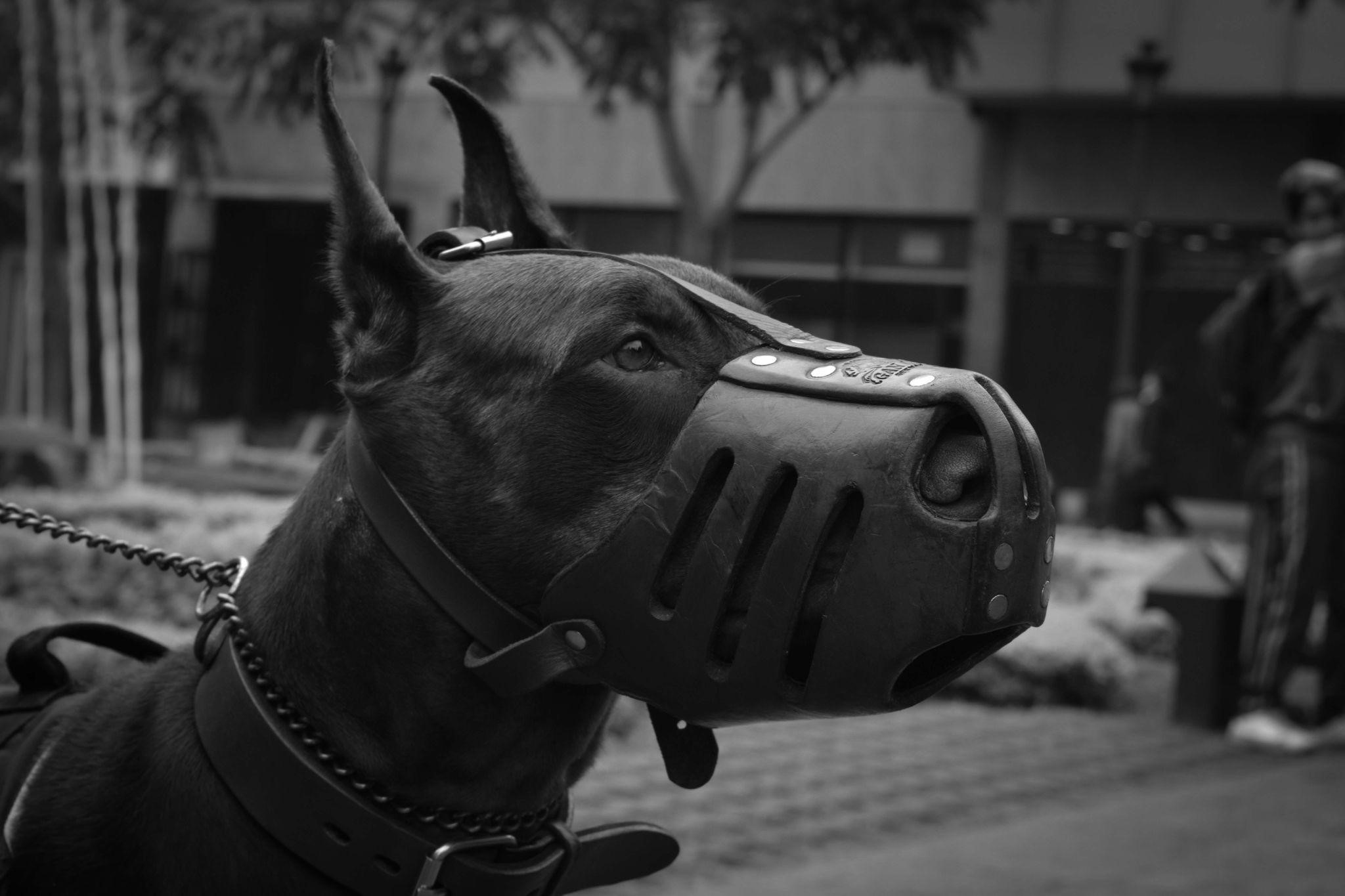
Image Source: boesenlaw.com
What to Do Right After a Dog Attack
A dog attack on your pet is a scary event. Your first job is to keep your dog safe and get help. Quick action can help your pet and also help your case later.
Secure Your Dog and Yourself
After a dog attack, your own dog might be hurt. It could be scared or in pain.
* Get to Safety: Move your dog away from the other animal and any danger. If the other dog is still around, make sure it cannot hurt your dog or you again.
* Check for Injuries: Look over your dog right away. Check for bites, cuts, or limping. Sometimes, injuries are not clear at first. Even small wounds can hide deep damage.
* Stay Calm: It’s hard, but try to stay calm. This helps you think clearly. It also helps keep your dog from getting more stressed.
Get Contact Information
If the other dog’s owner is there, get their details. This is very important.
* Owner’s Name: Ask for their full name.
* Phone Number: Get a good contact number.
* Address: Ask for their home address.
* Dog’s Name and Breed: Ask what kind of dog they have.
* License or Microchip Info: If they have it, ask for their dog’s license number or microchip details.
* Witnesses: Look around for anyone who saw the attack. Ask them for their names and phone numbers. Their story can help your case a lot.
Take Photos and Videos
Proof is key. Pictures and videos show what happened.
* Injuries: Take clear photos of your dog’s wounds. Take many pictures from different angles. Show how big the wounds are. Take photos of your dog’s face, body, and legs.
* Attack Site: Get photos of where the attack happened. Show the street, park, or yard.
* Other Dog and Owner: If it is safe, take pictures of the other dog and its owner. This helps show who was there.
* Surroundings: Take photos of anything else that might be important. This could be a broken fence, a gate left open, or a “Beware of Dog” sign.
* Timeline: Take pictures as soon as you can. Take more pictures over days to show how the wounds heal or get worse.
Seek Vet Care Right Away
Your dog needs a doctor. Even small bites can cause big problems.
* Emergency Vet Visit: Take your dog to the vet quickly. The vet will clean the wounds and check for hidden problems. They might give shots to stop infection or pain.
* Keep Vet Records: Ask the vet for a clear report of all injuries. Keep all bills and receipts. These records prove your dog was hurt and show how much it cost.
* Follow Vet Advice: Do everything the vet tells you to do. This helps your dog heal. It also shows you are a good pet owner.
Getting Clear on Dog Bite Laws
The rules about dog attacks are different everywhere. They come from state laws, city laws, and county rules. These are called dog bite laws. While they often talk about bites on people, many parts also apply to attacks on other animals.
“Strict Liability” Rules
Some places have “strict liability” laws. This means the dog owner is at fault if their dog bites someone or another animal, even if the owner did nothing wrong. They do not have to know their dog was dangerous. If their dog bit, they pay.
* Example: If a dog runs out of a yard and bites your dog, the owner is likely responsible under strict liability laws. It does not matter if the fence broke by accident.
“One-Bite Rule”
Other places follow the “one-bite rule.” This means an owner is only at fault if they knew their dog was dangerous before the attack. This usually means the dog had bitten someone or another animal before.
* Proof Needed: If your area has this rule, you must show the owner knew their dog was a danger. This can be hard to prove. You might need to find past victims or proof of complaints.
* First Bite: If it’s the dog’s first known bite, the owner might not be seen as at fault under this rule, unless they were very careless.
Careless Dog Owner
No matter the local law, if an owner is careless, they can be held responsible. This is called “negligence.” A negligent dog owner is someone who does not take proper care to stop their dog from harming others.
* Examples of Carelessness:
* Letting a dog run free when it should be on a leash.
* Not fixing a broken fence.
* Letting a known aggressive dog near other dogs or people.
* Not watching their dog in a public place.
* Your Duty: You must show the owner acted carelessly. You must also show that this carelessness caused your dog’s injuries.
Reporting to Animal Control
Animal control reporting is a key step. Animal control is a local agency that handles animal issues. They help keep pets and people safe. Reporting the attack can lead to official action.
Why You Should Report
- Official Record: A report creates an official record of the attack. This is strong proof if you need to go to court later.
- Safety for Others: Your report might stop the dog from hurting other pets or people. Animal control can step in.
- Help with Vet Bills: Animal control may help you get your veterinary bill liability covered by the other owner. They might send a formal notice.
- Dangerous Dog Declaration: If the dog is dangerous, your report could start the process for a dangerous dog declaration. This can force the owner to take special steps to control their dog.
How to Report
- Call Them: Call your local animal control or police non-emergency line. Tell them what happened.
- Give Details: Give them all the facts you have. This includes the date, time, place, and names of all involved. Tell them about your dog’s injuries.
- Share Proof: Give them copies of your photos, videos, and vet records.
- Follow Up: Ask for a report number. Call back to check on the case.
What Animal Control Does
When you report an attack, animal control might:
* Investigate: They will look into the attack. They might talk to the other owner and any witnesses.
* Quarantine: They might make the biting dog stay home for a time. This checks for rabies.
* Fines: The other owner might get a ticket or a fine. This depends on local rules.
* Warning or Order: They might tell the owner to keep their dog on a leash or fix their fence.
* Dangerous Dog Hearing: If the dog has a history of bites, animal control might start a hearing to declare it a dangerous dog.
Getting Money for Vet Bills: Who Pays?
One of your biggest worries is the cost of your dog’s care. This is where veterinary bill liability comes in. The other dog’s owner should pay for your dog’s medical costs if they are at fault.
What Costs Can You Claim?
You can claim money for:
* Emergency Vet Care: The first visit to stop bleeding or clean wounds.
* Ongoing Vet Care: Follow-up visits, medicines, and special treatments.
* Surgery: If your dog needs an operation.
* Pain and Suffering (for your pet): In some places, you can ask for money for the pain your pet went through. This is harder to get and less common.
* Property Damage: If any of your items were damaged during the attack.
How to Get the Other Owner to Pay
- Ask Directly: First, talk to the other owner. Share your vet bills. Ask them to pay. They might agree.
- Send a Demand Letter: If they do not pay, send a formal letter. This letter should ask for the money. It should list all your costs. It should say you will take legal action if they do not pay.
- Insurance Claim: The other owner might have home insurance or renter’s insurance. These policies sometimes cover dog bite claims. Ask them to file a claim. You might talk to their insurance company directly.
- Small Claims Court: If the owner still does not pay, you can sue them in small claims court. This court is for smaller money disputes. You do not always need a lawyer for this.
Table: Common Dog Attack Costs
| Cost Type | What It Includes |
|---|---|
| Initial Vet Visit | Emergency exam, wound cleaning, stitches, pain medicine, anti-infection shots |
| Follow-up Appointments | Checking healing, changing bandages, giving more shots |
| Medications | Antibiotics, pain killers, anti-inflammatory drugs |
| Surgery | Repairing deep wounds, fixing broken bones, internal injuries |
| Rehabilitation | Physical therapy for long-term injuries, special exercises |
| Euthanasia (if needed) | If injuries are too bad, cost of putting pet down and cremation/burial |
| Psychological Care | For your dog (if vet says it needs it for fear) or for you (if laws allow) |
| Property Damage | Cost to fix or replace items ruined during the attack (e.g., leash, clothes) |
Proving a Careless Owner: Evidence Dog Attack
To win your case, you need to show the other owner was at fault. This means gathering strong evidence dog attack. This proof shows what happened and who is to blame.
Types of Evidence
- Photos and Videos: As noted before, these are vital. They show injuries, the scene, and maybe the other dog.
- Vet Records: These prove your dog was hurt and how much it cost to treat. Make sure the records list the cause of injury as a dog attack.
- Witness Statements: People who saw the attack can write down what they saw. Get their contact info. Their words can back up your story.
- Animal Control Report: The official report from animal control is strong evidence. It shows an agency looked into the attack.
- Police Report: If police were called, get their report.
- Medical Records (for you): If you were hurt breaking up the fight, your medical records also help.
- Emails/Texts: Any messages between you and the other owner can be useful. These show if they admitted fault or refused to pay.
- Expert Witness: In complex cases, a vet or dog behavior expert might give a professional opinion. This is rare for dog-on-dog cases in small claims court.
Building Your Case
- Keep Everything Organized: Put all your documents, photos, and notes in one place. Use folders or digital files.
- Write Down What Happened: As soon as you can, write a detailed story of the attack. Include dates, times, and specific actions. This helps you remember facts later.
- Show the Link: You must show a clear link between the other owner’s actions (or lack of action) and your dog’s injuries. For example, “The owner let their dog off leash in a park where leashes are required, and that dog then attacked my leashed dog.”
Declaring a Dangerous Dog
A dangerous dog declaration is a formal process. It labels a dog as a threat. This can lead to strict rules for the owner. It aims to stop future attacks.
How It Works
- Your Request: You can ask animal control or a court to declare the dog dangerous.
- Investigation: Animal control will review your report, any past incidents, and their own findings.
- Hearing: There might be a public hearing. Both you and the other owner can present your sides.
- Decision: A judge or animal control official decides if the dog is dangerous.
What Happens if a Dog is Declared Dangerous?
If a dog is declared dangerous, the owner might face strict rules:
* Special Enclosure: The dog might need to be kept in a strong, locked pen.
* Muzzle: The dog might have to wear a muzzle in public.
* Leash Rules: It might always have to be on a short, strong leash with a strong owner.
* Insurance: The owner might need special liability insurance.
* Signage: A “Beware of Dog” sign might be required.
* Spaying/Neutering: The dog might need to be spayed or neutered.
* Euthanasia: In very rare and extreme cases, especially after repeated serious attacks, the dog might be put down. This is usually a last resort.
This declaration can make the other owner more careful. It can also help you feel safer knowing that controls are in place.
Taking Legal Steps: Civil Lawsuit Pet Injury
If you cannot settle things with the other owner, you might file a civil lawsuit pet injury. This is a legal case where you ask a court to make the other owner pay you money.
Small Claims Court
For most dog-on-dog attacks, small claims court is the best option.
* What it is: This court handles money claims below a certain limit (e.g., $5,000 or $10,000). The limit varies by state.
* Simpler Process: It is designed for people to use without a lawyer. The rules are simpler than in higher courts.
* How to File: You fill out forms, pay a small fee, and then serve the other owner with the papers. “Serving” means giving them the court papers in a proper way.
* Hearing: You go before a judge. You present your evidence. The other owner presents theirs. The judge makes a decision.
* Getting Paid: If you win, the judge orders the other owner to pay you. If they do not pay, you might need to take more steps to collect the money.
When to Get a Lawyer
You might need a lawyer if:
* High Costs: Your vet bills are very high, more than the small claims limit.
* Complex Case: The facts are messy, or it is hard to prove fault.
* Serious Injuries: Your dog had very bad injuries or passed away.
* Emotional Distress: You also suffered very much and want to claim money for that.
* Other Side Has a Lawyer: If the other owner hires a lawyer, you should too.
A lawyer can help you gather evidence, know the laws, and fight for your rights. They can help you with the legal recourse pet owner options available.
Prosecuting a Dog Owner: More Than Just Money
The term “prosecuting dog owner” often means making them pay for damages. But sometimes, it can mean facing criminal charges. This is less common for dog-on-dog attacks unless there are serious laws broken.
When Criminal Charges Might Happen
Criminal charges are very rare for dog-on-dog attacks. They usually only happen if:
* Repeated Attacks: The owner has a history of letting their dog attack and does nothing.
* Breeding Fighting Dogs: The owner is involved in illegal dog fighting.
* Extreme Neglect: The owner’s carelessness was so bad it amounted to cruelty or a clear danger to public safety.
* Violating Dangerous Dog Orders: The owner ignores a court order about their dangerous dog, and it attacks again.
* Specific Local Laws: Some cities have very strict laws about dog attacks. Breaking these laws might lead to criminal fines or jail time.
In most cases, if a dog attacks another dog, the legal steps are civil. This means you seek money, not jail time for the owner.
Grasping Dog on Dog Aggression Laws
Many local laws talk about dog on dog aggression laws. These rules are about how dog owners must control their pets to prevent fights.
Leash Laws
Most places have leash laws. These laws say dogs must be on a leash when outside their owner’s property.
* Importance: If an unleashed dog attacks your leashed dog, the owner of the unleashed dog is often clearly at fault. They broke the law.
* Your Dog’s Leash: Make sure your dog is always on a leash where required. If your dog was also off leash, it could hurt your case. The court might say you are partly to blame.
Nuisance Laws
Some laws classify a dog that attacks or harasses other animals as a “nuisance.” This can lead to fines for the owner.
Public Nuisance vs. Private Nuisance
- Public Nuisance: Affects a whole community. For example, a dog that attacks many dogs in a park. Animal control might act.
- Private Nuisance: Affects one person or a small group. Your private lawsuit against the owner is a way to deal with a private nuisance.
Specific Breed Laws
Some areas have laws about certain dog breeds, like pit bulls or Rottweilers. These laws might require special rules for owners of these dogs. They might need a strong leash, a muzzle, or extra insurance. If an owner does not follow these rules and their dog attacks, they are more likely to be found at fault.
Seeking Your Options: Legal Recourse Pet Owner
As a legal recourse pet owner, you have several paths you can take after an attack. Your choice depends on the harm, the cost, and how much time and effort you want to put in.
Option 1: Informal Settlement
- What it is: You talk to the other owner directly. You ask them to pay for your vet bills.
- When to use: For minor injuries, when the other owner seems reasonable, or when you want to avoid court.
- Pros: Quick, cheap, less stress.
- Cons: No guarantee of payment, owner might deny fault.
Option 2: Animal Control Action
- What it is: You report the attack to animal control. They investigate and may fine the owner or declare the dog dangerous.
- When to use: Always a good first step. It creates an official record. It is free to report.
- Pros: Creates official record, might stop future attacks, free.
- Cons: Animal control might not get your money back, not all attacks lead to fines or declaration.
Option 3: Small Claims Court
- What it is: You file a lawsuit for money owed.
- When to use: When the other owner will not pay, and your vet bills are within the court’s limit.
- Pros: Can get your money back, relatively simple process, no need for lawyer (usually).
- Cons: Takes time, court fees, you must gather evidence and present your case.
Option 4: Full Civil Lawsuit (Higher Court)
- What it is: You file a lawsuit in a higher court. This usually needs a lawyer.
- When to use: For very serious injuries, high costs (over small claims limit), or if your dog died.
- Pros: Can seek more money, lawyer handles complex legal work.
- Cons: Very expensive, takes a lot of time, stressful.
Table: Choosing Your Legal Path
| Path | Cost to You | Complexity | Expected Outcome | When to Choose |
|---|---|---|---|---|
| Informal Talk | Low | Very Low | Money for vet bills (if owner agrees) | Minor injuries, reasonable other owner, desire to avoid conflict. |
| Animal Control Report | Very Low | Low | Official record, possible fines/rules | Always do this. It creates a paper trail and addresses public safety. Not for direct money recovery, but helps future cases. |
| Small Claims Court | Low (filing fees) | Medium | Money for vet bills, damages | Other owner refuses to pay, costs are within the court’s limit (e.g., up to $10,000), you have clear evidence. |
| Full Civil Lawsuit | High (lawyer fees) | High | Significant damages, vet bills, distress | Severe injuries, very high vet bills, dog died, clear evidence of extreme negligence, or when a lawyer advises it. |
Remember to act quickly. Laws have time limits for filing cases, called “statutes of limitations.” If you wait too long, you might lose your right to sue.
Staying Safe After an Attack
After a dog attack, you might feel worried. It is important to know how to keep yourself and your dog safe going forward.
* Avoid the Other Dog: If you know the other dog, try to avoid it. Change your walking route.
* Leash Your Dog: Always keep your dog on a leash when outside your property. This protects your dog and shows you are a responsible owner.
* Train Your Dog: A well-trained dog is often safer. Good recall (coming when called) can help in bad situations.
* Be Aware: Pay attention to your surroundings when walking your dog. Look for unleashed dogs or dogs that seem to be aggressive.
* Pepper Spray/Air Horn: Some people carry legal pepper spray or an air horn for emergencies. These can scare off an attacking dog. Check local laws first.
Taking action after a dog attack on your pet is not just about getting money. It is about holding irresponsible owners accountable. It is about protecting your pet. It is also about helping to keep other pets and people safe in your community. Knowing your rights and the steps to take can make a hard time a little bit easier.
Frequently Asked Questions (FAQ)
Q1: Can I “press charges” in a criminal sense for a dog attacking my dog?
A1: It is rare. “Pressing charges” usually means starting a criminal case. Most dog-on-dog attacks are civil cases. This means you seek money for damages. Criminal charges might happen if the owner broke a very serious law or if their dog had a bad record and they did nothing.
Q2: What is the first thing I should do after my dog is attacked?
A2: First, make sure your dog is safe and move it away from the other dog. Then, check for injuries. Get contact information from the other dog’s owner. Take photos and videos. Get your dog to a vet right away.
Q3: Will the other owner’s insurance pay for my vet bills?
A3: Maybe. Homeowners or renters insurance can sometimes cover costs from dog attacks. Ask the other owner if they have such insurance. If they do, they might file a claim.
Q4: Do I need a lawyer to get money for my vet bills?
A4: Not always. For most dog-on-dog attacks, especially if the costs are not huge, you can go to small claims court yourself. This court is for smaller money problems. You do not need a lawyer for it. If the costs are very high or the case is complex, a lawyer can help a lot.
Q5: What if I do not know who the other dog’s owner is?
A5: This makes it harder. Report the attack to animal control. Give them a detailed description of the dog. They might be able to find the owner. Without knowing the owner, it is very hard to seek money for damages.
Q6: What if my dog also bit the other dog during the attack?
A6: This can make things tricky. The court might look at who started the fight. It might also look at who was more at fault. If both dogs were off leash, or if your dog provoked the attack, it could affect how much money you can get. The court might say you are partly to blame.
Q7: How long do I have to file a lawsuit?
A7: Each state has a “statute of limitations.” This is a time limit for filing a lawsuit. It varies, often from one to several years for personal property damage (your dog is seen as property). It is best to act quickly.
Q8: What does it mean if a dog is declared “dangerous”?
A8: If a dog is declared dangerous, its owner must follow strict rules. This can include keeping it in a special pen, muzzling it in public, or getting special insurance. The goal is to prevent the dog from harming anyone else.
Q9: Can I get money for the emotional pain my dog went through?
A9: This is very hard to do. In most places, pets are seen as property in a legal sense. You can usually only get money for their vet bills and other direct costs. Some states are starting to allow money for emotional distress, but it is not common and hard to prove.