
Yes, a vet can spay a dog in heat. It is possible for your dog to have the surgery during this time. However, there are higher risks involved. This makes the question, “Is it safe to spay a dog in heat?” more complex. Many vets prefer to wait. They suggest spaying your dog when she is not in her heat cycle. This helps lower risks.
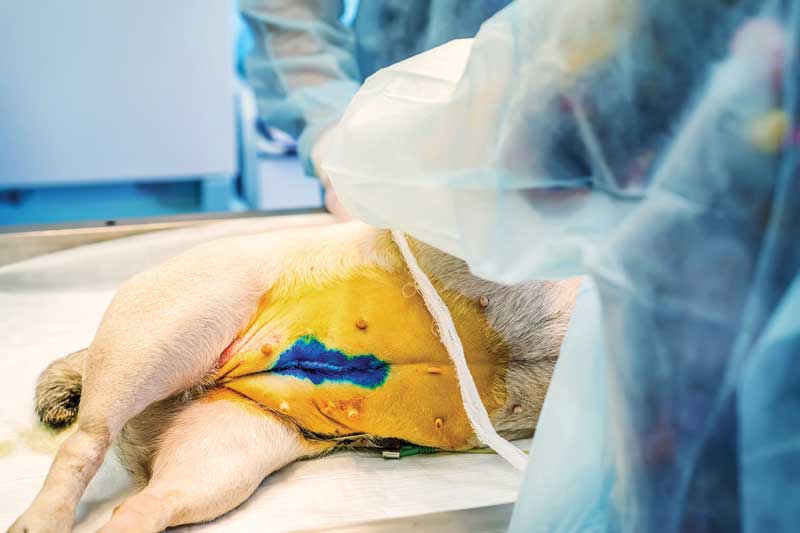
Image Source: www.veterinarypracticenews.com
Grasping the Canine Heat Cycle
Female dogs go through a heat cycle. This is when they can get pregnant. It happens often. The cycle usually begins when they are 6 to 24 months old. Smaller dogs may start sooner. Larger dogs might start later. A cycle can last for about two to four weeks. Most dogs have two heat cycles each year. Some dogs may have more. Others may have fewer.
Signs of Heat
It is important to know when your dog is in heat. This helps you plan. You can watch for clear signs.
* Swollen Vulva: The outer part of her private area will look bigger. It might also look redder.
* Bleeding: You may see blood spots. These can be on the floor. They can be on her bed. The amount can change. Some dogs bleed a lot. Others bleed very little.
* Licking: She will lick her private area more often. This is normal.
* Behavior Changes: She might seem more restless. She could be more clingy. Some dogs become more playful. Others might be a bit moody.
* Tail Flagging: When male dogs are near, she might move her tail to the side. This shows she is ready to mate.
Stages of Heat
The heat cycle has four main stages.
* Proestrus: This is the start of heat. It lasts about 7 to 10 days. You will see swelling and bleeding. Male dogs will be drawn to her. But she will not let them mate yet.
* Estrus: This is the mating stage. It lasts about 5 to 10 days. Bleeding may lessen. The vulva might soften. She will be open to mating. This is when she can get pregnant.
* Diestrus: This stage follows estrus. It lasts about 60 to 90 days. If she got pregnant, she will carry puppies. If not, her body still thinks she might be. Hormones are still active.
* Anestrus: This is the resting stage. It is the time between heat cycles. It lasts about 4 to 5 months. Her body is calm. This is often the safest time for spaying.
Can a Vet Spay a Dog in Heat?
Yes, vets can spay a dog in heat. It is not impossible. Many vets have done this. They have the skills. But it is not the usual plan. Most vets will tell you to wait. They want your dog to finish her heat cycle first. This is because spaying a dog in heat has more challenges. These challenges can make the surgery harder. They can also increase risks for your dog. Your vet will discuss these points with you. They will help you make the best choice.
Is It Safe to Spay a Dog in Heat?
This is a key question for dog owners. The short answer is yes, it can be done safely. But it is not as safe as spaying when she is not in heat. The main reason is how her body changes during heat. Her organs, especially the uterus, get more blood. This makes surgery riskier. There is a higher chance of problems. Your vet will weigh these risks. They will tell you what to expect. They will also talk about waiting. Waiting is often the safer choice.
Risks of Spaying a Dog in Heat
Spaying a dog while she is in heat carries several risks. These are why most vets prefer to wait. Knowing these risks helps you make a good decision.
Increased Bleeding During Spay in Heat
This is the biggest risk. When a dog is in heat, her blood vessels grow larger. They also carry more blood. This is true for the uterus and nearby tissues. During surgery, the vet must cut these vessels. When they are bigger and fuller, they bleed more.
* More Blood Loss: Your dog can lose more blood. This can lead to low blood pressure. It can also make her weak.
* Longer Surgery Time: The vet must take more time. They have to carefully tie off these larger vessels. This adds to the time your dog is under anesthesia. Longer anesthesia time always carries more risk.
* Harder to See: More blood in the surgical area makes it harder for the vet to see. This can make the surgery more complex. It requires even greater care.
Other Complications of Spaying Dog in Estrus
Beyond bleeding, other issues can come up. These complications of spaying dog in estrus are why careful planning is needed.
* Swollen Tissues: The uterus and surrounding tissues are swollen. They are also fragile. This makes them harder to handle during surgery. It increases the chance of tearing.
* Surgical Challenges: The vet has to work through more inflamed tissue. This can make it harder to find the parts they need to remove. It demands more skill and precision.
* Suture Problems: Swollen tissues might not hold stitches as well. This can lead to issues after surgery. Stitches could loosen or tear out.
* Recovery Issues: Your dog might take longer to recover. The increased trauma to the body from swollen tissues can make healing slower.
* Post-Surgery Swelling: More swelling can happen after the surgery. This can cause discomfort for your dog. It might also delay healing.
Longer Surgery Time
As mentioned, increased bleeding and swollen tissues lead to longer surgery.
* More Anesthesia: Your dog is under anesthesia for a longer time. Anesthesia always has some risk. The longer the time, the higher the risk of side effects. These can include problems with breathing or heart rate.
* Increased Stress on Body: A longer surgery is more stressful for your dog’s body. This can affect her recovery. It can make her feel worse after the procedure.
Post-Surgery Recovery
Recovery might be harder.
* Pain: Your dog may feel more pain. The tissues are more sensitive from the heat.
* Swelling: Expect more swelling around the incision site. This is due to the earlier tissue changes.
* Activity Limits: You will need to limit her activity even more strictly. Too much movement can cause bleeding or other problems.
* Monitoring: You will need to watch her very closely. Look for any signs of trouble. This includes more bleeding, swelling, or pain.
Best Time to Spay a Female Dog
Most vets agree on the best time. They prefer to spay a female dog when she is not in heat. This lowers risks. It makes the surgery easier. It also makes recovery smoother.
Ideal Age
The ideal age for spaying depends on the dog’s breed and size.
* Small to Medium Breeds: Many vets suggest spaying before their first heat. This is often around 5 to 6 months old. This completely prevents heat cycles. It also greatly reduces the risk of mammary (breast) cancer.
* Large and Giant Breeds: Some vets now suggest waiting a bit longer. This might be after their first heat cycle. It could be around 12 to 18 months of age. This helps their bones and joints grow fully. These breeds grow slower. They can have bone issues if spayed too early.
Always talk to your vet. They know your dog’s breed. They know her health. They can give the best advice for her.
Spaying a Dog After Her Heat Cycle
This is often the safest choice if your dog has already started heat cycles.
* Wait Time: Vets usually recommend waiting about 2 to 3 months after her heat ends. This gives her body time to return to normal.
* Hormone Levels: Her hormone levels will go down.
* Uterus Size: Her uterus will shrink back to its normal size.
* Blood Vessels: The blood vessels will also go back to their normal size. This greatly reduces the risk of increased bleeding.
* Less Swelling: Tissues will be less swollen. This makes the surgery simpler. It also means less chance of complications.
* Easier Recovery: Your dog will likely have an easier recovery. Less trauma means less pain and faster healing.
Weighing the Pros and Cons
Deciding when to spay your dog is a big choice. It is good to look at all sides.
Benefits of Spaying a Dog
There are many good reasons to spay your dog. These benefits are for your dog’s health. They also help your family.
* Prevents Unwanted Puppies: This is a major benefit. Spaying stops pregnancies. It helps control the pet population. Many shelters are full of unwanted animals.
* Stops Heat Cycles: No more messy bleeding. No more attracting male dogs. This makes life easier for you and your dog.
* Reduces Cancer Risk: Spaying greatly lowers the chance of mammary (breast) cancer. This is especially true if done before her first heat. It also removes the risk of ovarian and uterine cancers.
* Prevents Pyometra: Pyometra is a serious uterus infection. It can be deadly. Spaying completely removes the uterus. So, pyometra cannot happen.
* Less Roaming: Female dogs in heat often try to escape. They want to find a mate. Spaying removes this urge. This keeps your dog safer at home.
* Better Behavior: Some spayed dogs show less aggressive behavior. They might also be calmer. This is not true for all dogs. But it can be a benefit.
Risks of Waiting
If you choose to wait, there are also risks.
* Unwanted Pregnancy: If she gets out, she can get pregnant. This means surprise puppies.
* More Heat Cycles: Each heat cycle comes with its own risks. More cycles mean more chances for mammary tumors to grow.
* Pyometra Risk: With every heat cycle, the risk of pyometra increases. This can become a life-threatening emergency. It often requires urgent surgery.
* Mammary Tumors: The longer you wait, the higher the risk of breast cancer. Some of these tumors can be deadly.
* Roaming: She might try to run away during heat. This puts her in danger of cars or getting lost.
The Surgical Process
Dog spay surgery in heat follows general spay steps. But it needs extra care. Your vet will take specific steps to manage the risks.
Pre-Surgery Steps
Before the surgery, your vet will do a full check-up.
* Physical Exam: The vet will check her overall health. They will listen to her heart and lungs.
* Blood Tests: Blood work is very important. It checks if her organs work well. It also checks her blood clotting ability. This is even more vital if she is in heat.
* Discussion: The vet will talk to you about the risks. They will explain why it is riskier now. They will discuss the plan to keep her safe.
* Fasting: You will be told not to feed your dog food or water for a set time before surgery. This is to prevent vomiting during anesthesia.
During Surgery
The surgery itself is more involved when a dog is in heat.
* Anesthesia: Your dog will be given anesthesia. She will be fully asleep and feel no pain.
* Incision: The vet will make a cut on her belly.
* Locating Organs: The vet will find the ovaries and uterus. They will be larger and have more blood flow. This takes more care.
* Ligation and Removal: The vet will carefully tie off the blood vessels. This stops bleeding. Then, they will remove the ovaries and uterus. This step is slower and more delicate when in heat. They must be extra careful not to cause too much bleeding.
* Closing: The vet will close the muscle layers and skin with stitches.
Post-Surgery Care
Care after surgery is crucial for a good recovery. This is even more true if your dog was spayed in heat.
* Pain Management: Your vet will give you pain medicine. Give it as directed. Your dog will likely need more pain relief than if she was spayed when not in heat.
* Limit Activity: Keep your dog calm and quiet. No running, jumping, or rough play. This is to protect the incision. It also prevents more bleeding.
* Cone of Shame: Your dog will likely need to wear a cone. This stops her from licking or chewing the stitches. Licking can cause infection or make stitches come out.
* Check Incision: Look at the incision daily. Check for swelling, redness, discharge, or open areas. A small amount of swelling is normal. Too much is not.
* Follow Vet Instructions: Follow all instructions from your vet carefully. This includes giving all medicines. It also includes when to come back for a check-up.
* Watch for Signs of Trouble:
* Excessive bleeding from the incision.
* Severe swelling.
* Green or yellow discharge.
* Vomiting or diarrhea.
* Not eating or drinking.
* Lethargy (very tired).
* Fever.
* Severe pain.
If you see these signs, call your vet right away.
Cost of Spaying a Dog in Heat
The cost of spaying a dog in heat can be higher. This is because of the extra risks and challenges.
Factors Affecting Cost
Several things can change the price.
* Location: Vets in big cities often charge more.
* Clinic Type: A low-cost clinic will be cheaper. A full-service private clinic will cost more.
* Dog Size: Larger dogs usually cost more to spay. They need more anesthesia. The surgery itself is also bigger.
* In-Heat Status: Spaying a dog in heat adds to the cost. The vet knows it will take more time. They know it will be more complex. They might need more supplies. This extra work is added to the bill.
* Pre-Surgery Tests: Blood tests are often needed. These add to the total cost. They are very important for safety.
* Pain Medicine: The cost of pain relief for after surgery is sometimes extra.
* Complications: If problems happen during or after surgery, the cost will go up. This is for more care or longer stays.
Comparing Costs
Here is a general idea of costs. Keep in mind these are just estimates. Actual costs vary widely.
| Item | Typical Cost (Not in Heat) | Typical Cost (In Heat) | Notes |
|---|---|---|---|
| Standard Spay | $200 – $500 | $300 – $800+ | Price increases due to longer surgery, more supplies, higher risk. |
| Pre-Surgery Blood Work | $50 – $150 | $75 – $200 | Often more critical for in-heat spays. |
| Pain Medication | $20 – $50 | $30 – $70 | May need more or stronger pain relief. |
| Elizabethan Collar | $10 – $30 | $10 – $30 | “Cone of shame” to prevent licking stitches. |
| Total Estimated Cost | $280 – $730 | $415 – $1100+ | These are rough estimates. Always ask your vet for an exact quote. |
Always get a written estimate from your vet. Ask about all costs. This helps avoid surprises.
Making the Best Choice for Your Dog
Deciding whether to spay your dog while she is in heat is a big choice. It is not an easy one. You must weigh the risks and benefits.
* Talk to Your Vet: Your vet is your best guide. They know your dog’s health. They can explain the specific risks for her. They can help you decide.
* Consider the Risks: Remember the higher chance of bleeding. Think about the longer anesthesia time. Consider the harder recovery.
* Think About Benefits of Waiting: Waiting until after her heat cycle is usually safer. Her body will be back to normal. The surgery will be simpler. Recovery will be easier.
* Urgency: Is there a strong reason to spay now? For example, if you cannot keep her from getting pregnant. Or if she has a health issue that makes waiting dangerous.
* Financial Impact: Be ready for higher costs. Spaying in heat usually costs more.
Your dog’s safety and comfort are most important. Work closely with your vet. Together, you can make the right decision for your beloved pet.
Frequently Asked Questions (FAQ)
Q: How long does a dog bleed when in heat?
A: A dog can bleed for about 7 to 10 days during her heat cycle. Some dogs bleed for shorter or longer times. This is part of the first stage of heat, called proestrus.
Q: Can a dog get pregnant right after her heat cycle?
A: No, a dog cannot get pregnant right after her heat cycle. She is most fertile during the estrus stage. This is usually in the middle of her heat. After her heat ends, she cannot get pregnant until her next cycle. But it is always best to keep her away from male dogs during and immediately after heat.
Q: Will spaying my dog in heat stop her from getting pregnant?
A: Yes, spaying your dog will stop her from getting pregnant. This is true whether she is in heat or not. The surgery removes her ovaries and uterus. She will not be able to carry puppies.
Q: What if my dog gets pregnant and then I spay her?
A: This is called an “ovariohysterectomy” or “spay” while pregnant. It is possible. But it carries even higher risks than spaying a dog just in heat. The uterus is much larger. It has even more blood flow. This means a much higher risk of bleeding. It is often more costly too. It is best to avoid this if possible.
Q: How long after heat can I spay my dog?
A: Most vets suggest waiting about 2 to 3 months after her heat cycle ends. This gives her hormones time to go down. Her uterus returns to its normal size. The blood vessels shrink. This makes the surgery safer and easier.
Q: Will my dog’s behavior change after spaying?
A: Spaying can change some behaviors. Dogs will no longer seek out mates. They will not roam to find male dogs. Some dogs might become calmer. They may be less restless. But spaying does not change their personality. It does not cure all behavior problems.
Q: Are there alternatives to spaying if my dog is in heat?
A: No, there are no good alternatives to spaying. Spaying is the only sure way to prevent pregnancy and stop heat cycles. It also provides the best health benefits. You can manage a dog in heat by keeping her away from male dogs. But this is not a permanent solution. It does not offer the health benefits of spaying.