
Myth vs. Fact: Can You Get Rabies From A Vaccinated Dog?
Can you get rabies from a vaccinated dog? The direct answer is no, it is extremely rare, almost impossible, to get rabies from a properly vaccinated dog. A dog that has received all its required rabies shots and booster shots on time is highly protected against the rabies virus. This strong protection makes it nearly impossible for them to catch or spread the disease.
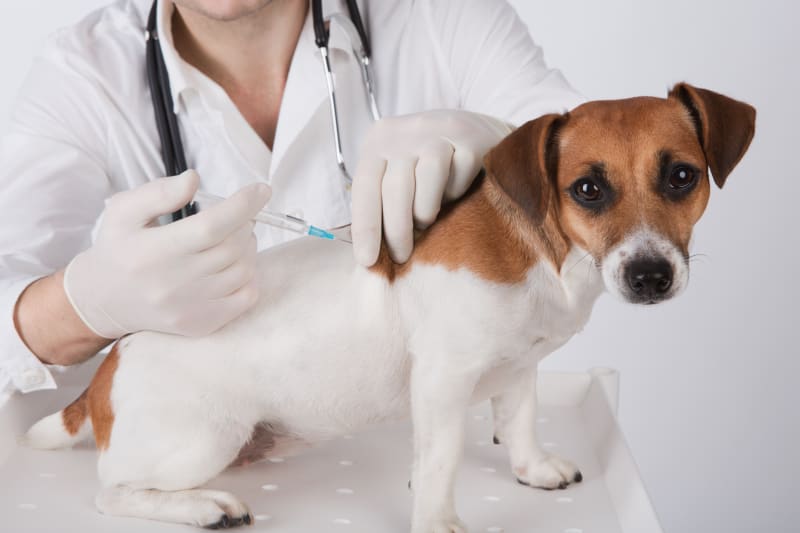
Image Source: d2zp5xs5cp8zlg.cloudfront.net
Grasping the Rabies Virus
Rabies is a very serious disease. It attacks the brain and nerves. It can affect warm-blooded animals and humans. The disease is caused by the rabies virus. This virus lives in the saliva of infected animals. The disease is almost always deadly once symptoms start.
What is Rabies?
Rabies is a viral disease. It causes severe damage to the brain and spinal cord. The rabies virus characteristics make it especially dangerous. It is a neurotropic virus. This means it likes to infect nerve cells. The virus travels from the bite site up the nerves to the brain. Once in the brain, it causes inflammation and swelling. This leads to the symptoms we often see.
The time from getting bitten to showing symptoms is called the incubation period. This period can vary. It might be a few weeks or even months. It depends on where the bite happened. Bites closer to the brain, like on the face, mean the virus gets there faster.
How Rabies Spreads
Rabies usually spreads through a bite. An infected animal’s saliva carries the virus. When it bites another animal or a person, the virus enters the body. Licks on open wounds or scratches can also spread the virus. However, this is less common.
The rabies transmission risk is highest from wildlife. Wild animals like raccoons, bats, foxes, and skunks often carry rabies. They can spread it to pets and farm animals. If these infected animals bite a human, the risk is real. Domestic animals, like dogs and cats, are also a risk if they are not vaccinated. This is why pet vaccination is so important.
The Power of Prevention: Vaccinating Dogs
Vaccination is our best tool against rabies. It creates a shield inside the animal’s body. This shield fights off the virus. For dogs, regular rabies shots are a must. They protect pets, families, and communities.
The Core of Protection: Rabies Vaccines
Rabies vaccines are incredibly effective. Their rabies vaccine efficacy is nearly 100%. This means they offer almost full protection when given correctly. The vaccine teaches the dog’s body to make antibodies. These antibodies are like tiny soldiers. They recognize and destroy the rabies virus if it enters the body.
Once vaccinated, a dog builds up immunity. This immunity protects them. It stops the virus from taking hold and spreading. The vaccine prevents the dog from getting sick. It also stops them from passing the virus to others. This is a key public health benefit.
The Dog Vaccination Schedule
A proper dog vaccination schedule is vital. Puppies get their first rabies shot when they are young. This is usually around 3-4 months of age. After the first shot, booster shots are needed. These boosters keep the dog’s immunity strong. The timing of boosters varies. It depends on the vaccine type and local laws. Some boosters are needed every year. Others are needed every three years.
Here is a general example of a dog vaccination schedule for rabies:
| Age of Dog | Vaccine Dose | Important Note |
|---|---|---|
| 12-16 weeks | First Rabies Vaccine | This is the puppy’s initial shot. |
| 1 year after first shot | First Booster Vaccine | Essential for long-term immunity. |
| Every 1 or 3 years (depending on vaccine type and local law) | Subsequent Booster Vaccines | Keeps immunity strong; check local regulations. |
It is very important to follow this schedule. Missing shots can leave a dog unprotected. Always keep your dog’s rabies tags and certificates. They prove your dog is vaccinated.
Can a Vaccinated Dog Really Transmit Rabies? Deconstructing the Myth
The idea that a vaccinated dog can spread rabies is a myth. It causes needless worry. While no vaccine is 100% foolproof, rabies vaccines come very close. A dog that is properly vaccinated is safe.
The Very Low Risk
The risk of a properly vaccinated dog spreading rabies is extremely low. It is almost zero. When we say “properly vaccinated,” it means a few things:
* Full Course: The dog got all needed shots.
* Up-to-Date: The dog’s boosters are current.
* Immunity Developed: Enough time passed after the shot for antibodies to form.
Once a dog’s immunity is high, the virus cannot take hold. If a vaccinated dog is bitten by a rabid animal, their immune system fights off the virus. They do not get sick. They do not shed the virus in their saliva. This means they cannot pass it on. Cases of “breakthrough” rabies in fully vaccinated dogs are incredibly rare. When they happen, they often involve a very severe exposure. Or, the dog might have a very weak immune system.
When “Vaccinated” Might Not Mean “Protected”
Sometimes, a dog might have a rabies shot but still not be fully protected. This can happen for a few reasons:
* Incomplete Vaccination: The dog only got one shot, but needed a booster. Or, it was too young for the shot to be fully effective.
* Vaccine Failure: This is very rare. A vaccine might not work well in some animals. This can happen if the dog’s immune system does not react strongly to the vaccine.
* Compromised Immune System: A dog with a weak immune system might not build good protection. This can happen due to other diseases or certain medicines.
* Recent Vaccination: It takes time for immunity to build up. A dog just vaccinated might not be fully protected for a few weeks. If exposed during this time, there is a small risk.
* Improper Vaccine Handling: Vaccines must be stored and given correctly. If not, they might lose their power. This is why getting shots from a licensed vet is key.
In these rare cases, a dog might seem “vaccinated” but lack full protection. Such a dog could, theoretically, become infected and spread the virus. This highlights the importance of proper vaccination practices.
Rabies Antibody Testing: Checking Protection
Sometimes, people want to know how well protected their dog is. This is especially true for international travel. Rabies antibody testing dog measures the level of antibodies in a dog’s blood. A high antibody level means good protection.
This test is not part of routine vaccination. It is usually done for specific purposes. For example, many countries require a rabies antibody test. This test shows that the dog’s vaccine worked. It proves they have enough protection to enter the country. It also helps confirm immunity in special situations.
Recognizing the Signs: Rabies Symptoms in Animals
Knowing the signs of rabies in animals is very important. This helps protect people and other animals. If you see an animal acting strangely, keep your distance. Do not try to help it.
Spotting Rabies: Animal Signs
Rabies symptoms animals can be tricky to spot early on. They often look like other illnesses. But, as the disease gets worse, symptoms become clearer. Rabies affects the brain. So, it causes changes in behavior and movement.
Symptoms usually appear in stages:
1. Prodromal Stage: This is the first stage. It lasts 1-3 days. The animal might show subtle changes. A wild animal might become friendlier or less fearful. A pet might become shy, restless, or anxious. They might lick or chew at the bite site. They might also have a low fever.
2. Furious Stage: This stage is often what people think of with rabies. Animals become very agitated and aggressive. They might attack anything. They might bite at imaginary things. They can be very irritable. They might wander aimlessly. They often lose fear of humans. This stage can last 2-4 days.
3. Paralytic (Dumb) Stage: This stage often follows the furious stage. Or, it can happen first. Muscles slowly become paralyzed. The jaw might drop, making it hard to swallow. This leads to a lot of drooling. The animal might choke. They might lose control of their legs. They will become weak and unable to move. Death usually occurs within 2-10 days of symptoms starting. This is due to breathing failure.
Any sudden change in an animal’s behavior needs attention. This is especially true for wild animals acting tame or pets acting wild. Contact animal control or your local health department immediately.
Taking Action: Animal Bite Protocol
If an animal bites you, act quickly. Fast action can save your life. This is true whether the animal is vaccinated or not.
What to Do After an Animal Bite
Following the animal bite protocol is crucial. Here are the steps:
1. Wash the Wound: Wash the bite wound right away. Use soap and water for at least 15 minutes. This helps remove the virus from the wound. It is the most important first step.
2. Seek Medical Help: Go to a doctor or emergency room immediately. Even if the bite seems small. Tell the doctor everything about the bite. Describe the animal. Say where it happened.
3. Report the Bite: Report the bite to your local health department or animal control. Give them as many details as you can. They will help find the animal and check its health. This is vital for public safety.
The doctor will decide if you need shots. They will consider the type of animal, the bite, and local rabies rates. Do not delay medical care. Rabies is deadly if not treated early.
Dealing with the Biting Animal
After a bite, the biting animal needs to be dealt with. If it is a pet, it will likely be quarantined. This means it is kept away from others. This is usually for 10 days. During this time, vets watch for signs of rabies. If the animal stays healthy for 10 days, it means it did not have rabies at the time of the bite. This is because animals with rabies usually die within 10 days of showing symptoms.
If the animal is wild, it might be caught and tested. If the animal runs away, it is treated as if it could be rabid. This means the bitten person will likely need preventive shots. The rabies antibody testing dog is not usually done after a bite if the dog is current on its vaccines and can be observed. The 10-day observation is the standard. However, knowing the dog’s vaccination status is very important. This helps guide medical decisions for the bitten person.
Human Protection: Post-Exposure Prophylaxis (PEP)
If you are bitten by an animal that might have rabies, immediate treatment is key. This treatment is called Post-Exposure Prophylaxis.
Why PEP is Key
Post-exposure prophylaxis (PEP) is a series of shots. It is given after a possible rabies exposure. PEP stops the rabies virus from reaching the brain. It is nearly 100% effective if given quickly. Once symptoms start, PEP is too late.
PEP involves two main parts:
1. Rabies Immune Globulin (RIG): This is given right away. It provides immediate, short-term antibodies. These antibodies start fighting the virus at the wound site. They give the body immediate help while it builds its own defense. RIG is injected into and around the wound if possible.
2. Rabies Vaccine Series: A series of rabies vaccine shots is given over several weeks. These shots teach your body to make its own long-lasting antibodies. This is like the vaccine given to dogs. It builds your own strong immunity.
The number and timing of these shots depends on several things. Your doctor will make a plan for you. Do not skip any shots. Every shot is important for full protection. The faster you get PEP after exposure, the better your chances.
Global Efforts: Rabies Prevention and Surveillance
Rabies is a worldwide problem. Many groups work to control and end it. These efforts protect both animals and people.
Broad Rabies Prevention Measures
Many steps are taken to prevent rabies. Rabies prevention measures aim to stop the spread of the virus. These include:
* Pet Vaccination Campaigns: Making sure pets are vaccinated is the most important step. Mass vaccination clinics help reach many pet owners.
* Stray Animal Control: Controlling stray dog and cat populations helps. Fewer strays mean less chance for rabies to spread among animals.
* Wildlife Control: Managing rabies in wild animals is harder. Oral rabies vaccines are sometimes put in baits. These baits are dropped in areas with infected wildlife. Animals eat the baits and get vaccinated.
* Public Education: Teaching people about rabies is key. People need to know how to avoid bites. They need to know what to do if bitten.
* International Cooperation: Rabies crosses borders. Countries work together to share data and strategies. This helps control the disease globally.
These measures work together. They create a strong defense against rabies.
Monitoring the Threat: Rabies Surveillance Programs
Rabies surveillance programs track rabies cases. They watch where the disease is. They look for outbreaks. This helps public health officials act fast. These programs are vital for controlling the disease.
How surveillance works:
* Reporting Cases: Vets, doctors, and the public report suspected rabies cases.
* Testing Animals: Animals that bite or show signs of rabies are tested. This confirms if rabies is present.
* Data Collection: All information is collected. This includes where cases happen, what animals are involved, and how many cases there are.
* Risk Maps: Data helps create maps of high-risk areas. This guides vaccination efforts and public warnings.
* Public Health Response: If an outbreak is found, public health teams respond. They might set up vaccination clinics. They might warn people in affected areas.
These programs help keep communities safe. They show us where rabies is a threat. They allow us to put resources where they are most needed. They also show how effective vaccination programs are.
Conclusion
The question “Can you get rabies from a vaccinated dog?” leads us to a clear answer: it is incredibly unlikely. A properly vaccinated dog is a safe dog. The rabies vaccine efficacy is very high. This means the vaccine gives strong protection. Pet owners must stick to the dog vaccination schedule. This ensures their pets stay protected.
While the rabies transmission risk from a vaccinated dog is tiny, vigilance remains important. Knowing rabies symptoms animals show is helpful. Acting quickly with the right animal bite protocol and seeking post-exposure prophylaxis if needed are life-saving steps. Global rabies prevention measures and rabies surveillance programs work hard to control this deadly disease.
Responsible pet ownership is a key part of public health. Vaccinating your dog protects not only your pet but also your family and community. It helps us move closer to a world free from rabies.
Frequently Asked Questions (FAQ)
Q1: How often does my dog need a rabies shot?
A1: Your dog usually needs a rabies shot every 1 to 3 years. This depends on the specific vaccine used and local laws. Your vet will tell you the exact schedule.
Q2: What if my vaccinated dog bites someone?
A2: Even if your dog is vaccinated, it will still need to be quarantined for 10 days. This lets officials watch for any signs of rabies. If your dog stays healthy during this time, it confirms it did not have rabies at the time of the bite.
Q3: Can a dog get rabies if it has had all its shots?
A3: It is extremely rare for a fully vaccinated dog to get rabies. The vaccine provides very strong protection. In rare cases, a dog with a weak immune system or extreme exposure might get sick. But this is not common.
Q4: Do all states require rabies vaccination for dogs?
A4: Yes, almost all states and many local areas require rabies vaccination for dogs by law. It is a key public health rule to stop the spread of the disease.
Q5: What should I do if a bat is in my house?
A5: Do not touch a bat. Call animal control or your local health department. Bats can carry rabies. If you find a bat indoors, especially if it was in a room with a sleeping person or child, get advice from health experts. They may suggest post-exposure prophylaxis as a safety measure.
Q6: Is there a cure for rabies in humans?
A6: Once rabies symptoms appear in humans, the disease is almost always fatal. There is no cure. However, post-exposure prophylaxis (PEP) given before symptoms start is highly effective at preventing the disease. This is why quick action after a bite is so important.
Q7: How can I tell if a wild animal has rabies?
A7: Wild animals with rabies often act strangely. They might be friendly when they should be shy. Or they might be aggressive and bite without reason. They might walk strangely or drool a lot. If you see a wild animal acting odd, do not go near it. Call animal control right away.
Q8: Can cats get rabies too?
A8: Yes, cats can get rabies. Like dogs, cats should also be vaccinated against rabies. This protects them and prevents spread to humans.
Q9: What is the purpose of rabies antibody testing dog?
A9: This test checks the level of antibodies in a dog’s blood. It shows if the dog’s vaccine worked and if it has enough protection. It is often required for international travel. It is not a routine test after vaccination.