
Before You Cut Dog Hair With Human Clippers; Read This.
Can you cut dog hair with human clippers? The short and simple answer is a strong no. You should never use human hair clippers on your dog. These tools are made for human hair, which is much different from dog fur. Using them can hurt your dog, damage their coat, and even break your clippers. It is very important to use the right tools for your furry friend.
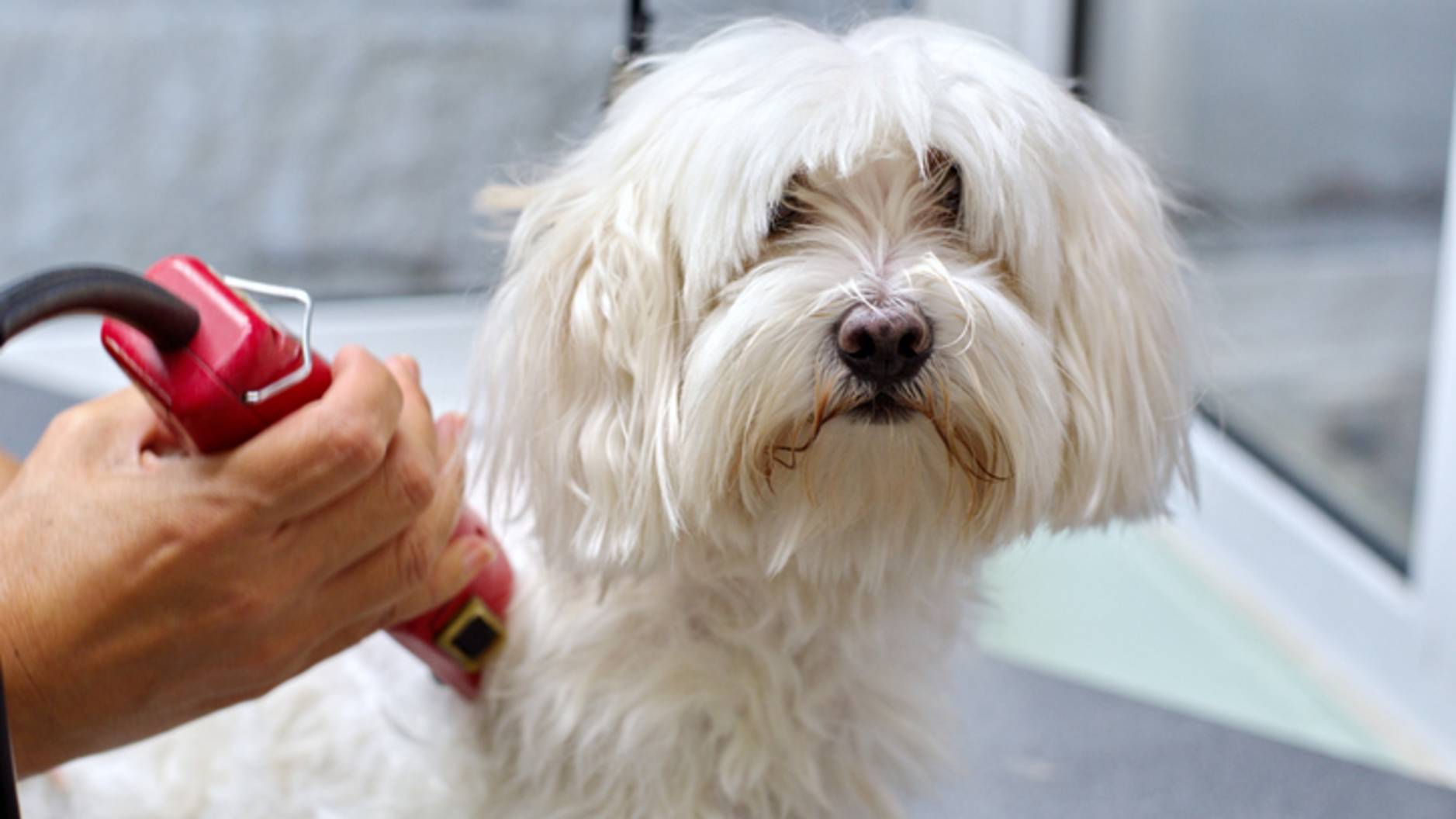
Image Source: cdn.mos.cms.futurecdn.net
The Big Difference: Human Clippers vs. Dog Clippers
Many people think hair is hair. They might believe any clipper will work. But this is not true, especially for dogs. Dog hair is unique. It grows in different ways and has many textures. Human hair clippers are just not built to handle these things. They are too weak and not safe for dogs.
Why Your Dog Needs Special Clippers
Your dog’s coat is special. It needs tools made for it. Think of it like this: you would not use a hammer to cut wood. You need a saw. The same idea applies to clippers for your dog.
Deciphering Dog Clipper Blade Differences
The blades are a key part of any clipper. Human clippers have blades made for fine, single-strand human hair. These blades are often very close together. They might be made of steel or ceramic. They cut quickly and smoothly through thin hair.
Dog clipper blades are very different. They are made to cut through thick, dense, and often coarse dog fur.
Here are some main dog clipper blade differences:
- Material: Dog blades are usually made of strong, carbon steel. This helps them stay sharp. Some may have ceramic parts to stay cool.
- Teeth Spacing: Dog blades have wider spaces between their teeth. This stops hair from getting stuck. It lets thick fur pass through easily.
- Sharpness and Angle: Dog blades are super sharp. They cut thick hair without pulling. The angle helps them glide over the dog’s skin.
- Types: Dog blades come in many sizes. A #10 blade leaves short hair. A #7F leaves hair longer. Different blades are for different fur types and lengths.
Human clipper blades are not built for dog fur. They will quickly get hot. They will pull your dog’s hair. This causes pain and discomfort. It can also lead to skin problems.
Pet Clipper Motor Strength Matters
Imagine trying to cut a thick rope with a small pair of scissors. It would be hard. You might not even get through it. This is like trying to cut dog hair with weak human clippers. The pet clipper motor strength is very important.
Dog clippers have strong motors. These motors can be:
- Rotary Motors: These are strong and work well for most dogs. They have a good balance of speed and power. They can handle tough jobs.
- Pivot Motors: These are slower but have high power. They work well for thick, coarse hair. They are good for heavy use.
- Magnetic Motors: These are fast. They are good for lighter coats or quick trims.
Human clippers have weaker motors. They are made for soft human hair. They spin very fast but lack the power to push through thick dog fur. When used on a dog, these motors will slow down. They will struggle. This causes the blades to heat up fast. It also makes the clippers wear out quickly. A weak motor leads to poor cuts and more pain for your dog.
Grooming Dog Hair Texture: A Challenge
Dogs have many kinds of coats. Each one needs special care. The grooming dog hair texture is a big reason why human clippers fail.
Some dogs have:
- Double Coats: Breeds like Huskies, Golden Retrievers, and German Shepherds have two layers of fur. A soft undercoat and a tougher outer coat. Human clippers get stuck in double coats. They can damage the undercoat. This can stop the dog from growing new fur properly. It can also mess up their ability to stay warm or cool.
- Silky Coats: Breeds like Yorkies or Shih Tzus have fine, silky hair. Human clippers can snag and pull this hair. This hurts the dog.
- Wiry Coats: Terriers have stiff, wiry hair. Human clippers can break this hair. They make the coat look fuzzy.
- Curly Coats: Poodles and Bichon Frises have tight curls. This hair is dense. Human clippers cannot get through it well. They will pull and jam.
Human clippers are not made for these textures. They are not strong enough. They do not have the right blades. They will leave your dog with a bad haircut. Worse, they can cause skin issues or pain.
Big Dangers: Risks Using Human Clippers on Dogs
Using the wrong tools comes with big dangers. When you use human clippers on your dog, you put them at risk. These risks range from mild discomfort to serious injury.
Overheating Clippers Pet Grooming
One of the biggest dangers is heat. Human clippers are not made for long use on thick fur. Their motors are not strong enough for dog coats. When they struggle, they work harder. This makes them heat up very fast. This is known as overheating clippers pet grooming.
Hot clipper blades can cause:
- Clipper Burn: This is like a burn from a hot iron. It happens when hot blades touch the dog’s skin. Clipper burn is painful. It causes red skin, bumps, and sores. It can even lead to skin infections. Dogs with thin skin or short coats are more at risk.
- Discomfort: Even if not a full burn, hot blades make grooming very uncomfortable. Your dog will try to move away. This makes it harder to groom them safely.
Dog clippers have better cooling systems. They have stronger motors that do not overheat as quickly. Many dog groomers also use cooling sprays on the blades. This keeps them safe for the dog. Human clippers do not have these features. They are a big risk for clipper burn.
Dog Skin Irritation From Clippers
Beyond burns, human clippers cause other problems. Dog skin irritation from clippers is very common when using the wrong tools.
Here’s how human clippers can hurt your dog’s skin:
- Pulling and Snagging Hair: Human clippers are not sharp enough for dog fur. They will pull and snag hair instead of cutting it cleanly. This is painful. It can make your dog scared of grooming.
- Nicks and Cuts: The blades on human clippers are not designed to glide over uneven dog skin. They can easily catch folds of skin or moles. This leads to painful cuts and nicks.
- Folliculitis: This is when hair follicles get inflamed or infected. Pulling hair or having blades that are too hot can cause this. It looks like red bumps or pimples on the skin.
- Stress and Fear: A bad grooming experience can make your dog afraid of grooming. This makes future grooming harder and more stressful for both of you.
A dog’s skin is more delicate than human skin in many ways. It is important to use tools that respect this.
Ruining Your Dog’s Coat
A bad haircut is not just about looks. Using the wrong clippers can cause lasting damage to your dog’s coat.
- Uneven Cuts: Human clippers will struggle. They will leave choppy, uneven patches. Your dog will look bad.
- Permanent Coat Damage: For double-coated dogs, shaving with human clippers can ruin their fur. The soft undercoat may grow back thick and fuzzy. The coarser guard hairs may not grow back at all. This changes how the coat protects the dog. It makes them hotter in summer and colder in winter. It can also make them more prone to skin problems.
- Texture Changes: The coat can become coarse, brittle, or very soft in places. It may lose its natural shine.
- Hair Loss: Repeated damage can lead to areas of thinning hair or even bald spots.
It’s better to leave the coat alone or seek a professional groomer than to risk such damage with human clippers.
Picking the Right Tools: Professional Dog Grooming Tools
Now that we know what not to use, let’s talk about what you should use. Using the right professional dog grooming tools is key to a safe and happy grooming experience for your dog.
Essential Dog Grooming Kit
If you plan to groom your dog at home, invest in good tools. They will save you money in the long run. They will also keep your dog safe.
Here’s what your essential dog grooming kit should include:
- Good Quality Dog Clippers:
- Corded Clippers: These offer constant power. They are great for heavy grooming. Brands like Andis, Oster, and Wahl make excellent corded clippers.
- Cordless Clippers: These offer freedom of movement. They are good for quick touch-ups or nervous dogs. Look for models with long battery life.
- Speed: Some clippers have one speed. Others have two or more. Multi-speed clippers give you more control.
- Different Blade Types and Sizes:
- Start with a #10 blade. This is a common length for many parts of the dog.
- Add a #7F or #5F for longer cuts.
- Use skip-tooth blades (like #7 skip-tooth) for thick, matted coats. Be very careful with these, as they are more likely to nick the skin.
- Always use blades made specifically for dogs.
- Grooming Shears (Scissors): These are for tricky areas like paws, faces, and ears. Get blunt-tip shears for safety.
- Combs and Brushes: A good slicker brush and a steel comb are a must. They help remove tangles before clipping.
- Clipper Oil and Cooling Spray:
- Clipper Oil: Use this before, during, and after grooming. It keeps blades running smooth and cool.
- Cooling Spray: Spray this on blades if they get warm. It cools them down fast and helps prevent clipper burn.
- Nail Clippers: Always a good idea to have on hand for nail trims.
- Styptic Powder: This stops bleeding quickly if you accidentally cut a nail too short.
Having these tools ready makes grooming easier and safer.
Best Clippers for Matted Dog Hair
Matted hair is a common and serious problem for dogs. It can be painful. It pulls on their skin. It also traps dirt and moisture. This leads to skin problems. If your dog has mats, you need extra care.
The best clippers for matted dog hair are usually:
- High-Power Clippers: You need a strong motor to get through mats. Rotary motor clippers are often a good choice.
- Sharp Blades: Very sharp blades are a must. Dull blades will pull and hurt your dog.
- Specific Blades for Mats:
- Skip-Tooth Blades (e.g., #7 skip-tooth): These blades have wider teeth. They help to lift and cut through matted fur. Use these with extreme caution. They are more likely to cut the skin.
- Wide Blades: Some blades are wider. They cover more area. This can help with large mats.
- “Reverse” Clipping: Sometimes, a groomer might clip against the grain of the hair. This can help remove mats. But it must be done with great care.
- De-matting Tools: Special combs or rakes can help break up smaller mats. But for large, tight mats, clipping is often the only safe option.
Important Note for Matted Hair: For severe mats, it is often best to go to a professional groomer. They have the right tools and skills. They can remove mats safely. Trying to cut large mats at home can be very dangerous for your dog. It can cause serious cuts and skin damage. Sometimes, a dog needs to be shaved down completely if mats are too bad.
Keeping Your Dog Safe: Safety Tips Dog Grooming
Even with the right tools, grooming needs care. Follow these safety tips dog grooming to keep your dog happy and healthy.
Prep is Key
Good preparation makes grooming much easier and safer.
- Bathe and Dry Your Dog: Always groom a clean dog. Dirt and oil can dull clipper blades fast. They can also make the blades get hot. A clean, dry coat helps blades glide smoothly. Make sure your dog is fully dry before clipping.
- Brush Out Tangles: Before you start clipping, brush your dog thoroughly. Remove all loose hair, tangles, and small mats. Clippers cannot go through tangles. They will snag and pull hair. This hurts your dog.
- Calm the Dog: A calm dog is a safe dog.
- Start grooming when your dog is relaxed, perhaps after a long walk.
- Use treats and praise.
- Keep grooming sessions short at first.
- Talk to your dog in a calm, soothing voice.
- If your dog gets too stressed, take a break. Never force them.
Proper Clipping Techniques
How you use the clippers matters as much as the clippers themselves.
- Hold the Clipper Correctly: Hold the clipper firmly but comfortably. Your hand should be relaxed.
- Stretch the Skin: Use your free hand to gently stretch the skin where you are clipping. This makes the surface smooth. It helps prevent nicks and cuts, especially in thin-skinned areas like armpits or bellies.
- Clip with the Grain: For most cuts, clip in the direction the hair grows. This gives a smoother, more natural finish. It also helps prevent irritation. For matted areas, you might need to go against the grain with extreme caution.
- Take Breaks: Do not try to do everything at once. Take short breaks. This helps your dog relax. It also lets the clipper blades cool down.
- Check Clipper Temperature: Every few minutes, touch the clipper blade. If it feels warm, stop. Use cooling spray. If it is too hot, put on a cool blade. Never put a hot blade on your dog’s skin.
- Be Gentle Around Sensitive Areas: Be extra careful around ears, eyes, paws, and under the tail. Use scissors with blunt tips for these spots if needed. Or use a smaller, safer blade.
Knowing When to Stop
Sometimes, home grooming is not the best choice.
- Signs of Distress: Watch your dog for signs of stress. This includes panting, trembling, whimpering, trying to bite, or trying to run away. If your dog is too stressed, stop.
- When to Call a Pro:
- If your dog has severe mats that you cannot safely remove.
- If your dog is very nervous or aggressive about grooming.
- If you are unsure about how to groom a specific breed.
- If you see any skin problems or injuries you cannot handle.
Professional groomers have years of training. They know how to handle different breeds and temperaments. They have all the right tools.
Human Clippers vs. Dog Clippers Comparison
Let’s look at a quick table to show the main differences. This human clippers vs dog clippers comparison will help make it clear why you need special tools for your dog.
| Feature | Human Hair Clippers | Dog Grooming Clippers |
|---|---|---|
| Motor Strength | Weak, designed for thin hair | Strong, made for thick, dense fur |
| Blades | Fine, close teeth; dull quickly on dog fur | Wide-spaced, sharp teeth; durable for pet coats |
| Blade Material | Often steel or ceramic; less durable for pet hair | High-carbon steel, ceramic; heat-resistant, long-lasting |
| Heat Control | Poor; prone to overheating quickly | Better; designed for longer use, some have cooling |
| Noise Level | Can be loud; stressful for some dogs | Quieter motors for less stress, especially high-end models |
| Vibration | Can vibrate a lot; uncomfortable for dogs | Less vibration; more stable and smooth |
| Safety Features | None for animal skin; easy to nick and cut | Designed with animal safety in mind; less likely to cut |
| Hair Type Suitability | Fine, straight human hair | All dog hair types (double, curly, wiry, silky) |
| Cost | Generally cheaper | More expensive upfront, but a necessary investment |
| Result | Pain, skin irritation, damaged coat | Safe, smooth cut, healthy coat |
In short, human clippers are a bad choice for dogs. They are not built for the job. They put your dog at risk.
Grooming your dog at home can be a great way to bond. It can also save you money over time. But only if you use the right tools and techniques. Investing in good dog clippers is not just about a nice haircut. It is about your dog’s safety, comfort, and health. Do not risk clipper burn, cuts, or coat damage. Choose dog-specific tools. Your furry friend will thank you for it.
Frequently Asked Questions (FAQ)
Q: Can I use human hair scissors on my dog?
A: You should not use regular human hair scissors on your dog. Just like clippers, human scissors are not made for dog fur. They can pull hair. They can also give uneven cuts. Always use sharp grooming shears made for dogs. These often have blunt tips for safety.
Q: How often should I groom my dog?
A: This depends on your dog’s breed and coat type. Some dogs need daily brushing and trims every few weeks. Others might only need professional grooming a few times a year. Your vet or a professional groomer can give you the best advice for your dog.
Q: What kind of clippers do professional groomers use?
A: Professional groomers use high-quality, powerful clippers. Brands like Andis, Oster, and Wahl are popular. They often use corded models for steady power. They also have a wide range of blades for different coat types and lengths. They invest in durable, quiet clippers.
Q: How do I clean dog clippers?
A: After each use, brush loose hair from the blades. Spray them with a cleaner/coolant. Then, oil the blades with clipper oil. This keeps them sharp. It also stops rust. Store your clippers in a dry place.
Q: Is it cheaper to groom my dog at home?
A: Yes, in the long run, grooming your dog at home can save money. The first cost for good tools can be high. But it will be less than paying a professional groomer often. Remember, quality tools last longer. They also keep your dog safer and happier.