
Losing a beloved dog brings deep sadness. Many pet owners want to keep their furry friend close, even after they pass. This often leads to thinking about burying a dog in the backyard. Can you bury your dog in your yard? The direct answer is: it depends on where you live. Many places have rules about pet burial laws backyard that might make home burial illegal or risky. Always check your local city, county, and state laws first. This guide will help you understand the pros and cons of home burial, proper methods, and other options.
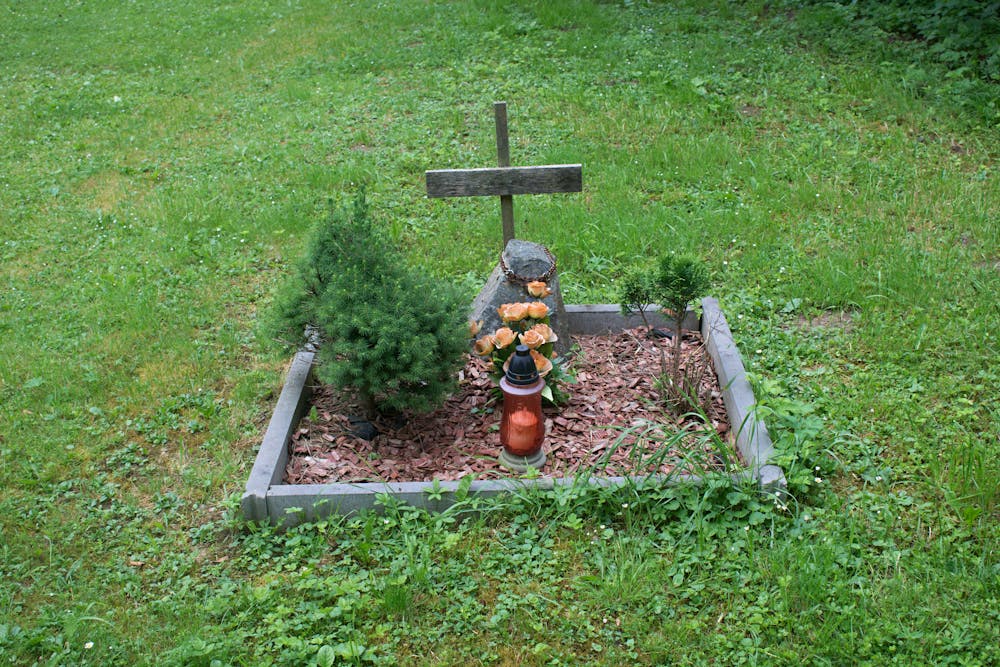
Image Source: images.theconversation.com
Grasping the Rules: Is Home Pet Burial Legal?
The question, is home pet burial legal, is complex. There is no simple “yes” or “no” for everyone. Rules differ a lot from one place to another. What is fine in one town might be against the law in the next.
Local Rules Vary Greatly
Most laws about burying pets at home are set at the local level. This means city or county governments often decide. Some places forbid it completely. They might worry about public health or environmental harm. Other places allow it but have strict rules. These rules can cover things like:
- Property Type: You might not be able to bury a pet if you live in an apartment or rented home. Some laws are for rural areas only.
- Zoning: Residential areas might have different rules than agricultural zones. For instance, burying a pet in a dense city neighborhood is often banned. Rural land may have fewer restrictions.
- Distance from Water: Laws often demand that pet graves be far from water sources. This includes wells, rivers, lakes, and even drainage ditches. This helps stop water pollution. A common minimum distance might be 100 feet (about 30 meters).
- Distance from Property Lines: To avoid problems with neighbors, there might be rules about how close a grave can be to your property line. This prevents disputes and respects others’ land use.
- Depth Requirements: There are often rules for backyard pet burial depth. This is to stop scavengers and protect health. We will go into more detail on this soon.
- Pet Size Limits: Some places may allow small pets but not large ones like big dogs. This is often due to the amount of space needed for proper burial and decomposition.
- Cause of Death: If your pet died from a contagious disease, home burial might be banned. This protects other animals and people from the spread of illness. Examples include rabies or certain highly infectious viruses.
To find out your local pet burial laws backyard, you should:
- Call Your Local Animal Control: They often know the rules or can tell you who to ask. This is usually the fastest way to get direct answers.
- Contact Your City or County Clerk’s Office: They handle local ordinances and zoning laws. Their office can provide copies of specific regulations.
- Check Your State’s Environmental or Health Department Websites: Some states have broader guidelines that might apply to pet burials. These departments focus on public health and environmental protection.
Breaking these laws can lead to fines. In some cases, you might even have to remove your pet’s remains. This is called exhumation. It is a very upsetting process. It is vital to check first to avoid more sadness and trouble during an already difficult time.
Responsible Choices: Proper Pet Burial Methods Backyard
If home burial is allowed in your area, doing it the right way is very important. This helps protect your family, other animals, and the environment. It also gives your pet a respectful final resting place.
Key Steps for a Proper Burial
- Choose the Right Spot:
- Away from Water: Pick a spot far from any water sources. This includes wells, streams, ponds, and even septic tanks. A distance of at least 100 feet is often suggested, but more is better. This prevents contamination of drinking water or natural bodies of water.
- Away from Utility Lines: Before you dig, call your local utility companies. In the US, you can often dial 811. They can mark underground pipes and wires. Digging into these can be dangerous and costly. You could hit gas lines, water pipes, or electrical cables.
- Away from Property Lines: Keep the grave a good distance from your neighbors’ land. At least 5 to 10 feet (about 1.5 to 3 meters) from boundaries is a good idea. This avoids future problems and respects property rights.
- Well-Drained Soil: Choose an area where water does not pool. Wet soil can slow decomposition. It can also lead to more fluid leaching into the ground. A spot with sandy or loamy soil is better than heavy clay.
- Digging the Grave:
- Backyard pet burial depth: This is a crucial point. The grave should be deep enough to keep scavengers away. A common rule is that the top of the body should be at least 3 to 5 feet (about 1 to 1.5 meters) below the surface. Some places require even deeper. For smaller pets, like cats or very small dogs, 3 feet might be enough. For larger dogs, 5 feet is safer. The deeper the better to prevent disturbance.
- Size of the Grave: Make the hole large enough for your pet to lie comfortably. There should be at least 6 inches (about 15 cm) of space around the body on all sides. This allows for proper decomposition.
- Preparing Your Pet:
- Wrap the Body: You can wrap your pet in a natural material. A blanket, towel, or old sheet works well. Avoid plastic bags or synthetic fabrics. These slow down decomposition. They also add non-biodegradable waste to the earth.
- Remove Non-Biodegradable Items: Take off collars, leashes, tags, or any other items that will not break down in the earth. Metal or plastic objects will remain in the ground for a very long time.
- Consider a Biodegradable Container: If you wish, you can place your pet in a wooden box, cardboard box, or a special pet casket made of biodegradable materials. These provide a bit more protection in the initial stages and are earth-friendly.
- Placing Your Pet:
- Gently lower your pet into the grave. Handle them with care and respect.
- Say a final goodbye or hold a small ceremony. This can be a very important part of your grieving process.
- Filling the Grave:
- Fill the hole completely with the soil you dug out.
- Pack the soil down firmly to prevent sinking. You might want to create a small mound. This helps if the soil settles later. Over time, the soil will compact. A mound stops a depression from forming.
- Marking the Grave:
- Place a stone, a small marker, or plant a tree or bush above the grave. This helps you remember your pet. It also lets others know the spot. This is important if you ever sell your home. A marker can also deter accidental digging.
Remember, following these steps helps you mourn your pet in a way that is safe and caring for everyone. It shows respect for your pet and your environment.
The Good Side: Pros of Home Burial
For many pet owners, burying a dog in their yard offers unique benefits. It is a very personal way to say goodbye.
Comfort and Closeness
- Proximity: Your pet remains close to you. This can bring great comfort during grief. You know exactly where they are. You can feel their presence nearby.
- Personal Connection: It feels like a very private and intimate act. You are providing their final resting place with your own hands. This can strengthen your bond even after they are gone. It can be a powerful final act of love.
- Ongoing Memorial: You can visit the grave anytime. You can talk to your pet, leave flowers, or simply sit nearby. This continuous connection helps with the grieving process. It allows you to create a lasting memorial in your own space, right in your garden.
Cost-Effective Option
- Lower Costs: Compared to professional services, home burial is often the cheapest option. You save money on cremation fees, pet cemetery plots, or other professional services. Professional pet disposal can range from $50 to several hundred dollars.
- No Hidden Fees: What you see is what you get. You only need digging tools and perhaps a simple marker. There are no surprise bills or ongoing maintenance fees, unlike some cemetery plots.
Private Grieving Space
- Privacy: You can grieve in your own way, in your own time. There is no need to worry about other people or public settings. You can cry, talk, or sit in silence without judgment.
- Family Rituals: Home burial allows families to create their own unique rituals. This might involve a small ceremony, sharing memories, or planting a tree together. These private moments can be very healing and bring the family closer during a difficult time.
A Lasting Tribute
- Permanent Memorial: The grave becomes a lasting part of your home and garden. It is a physical reminder of the love you shared. A garden memorial can grow and change with the seasons, much like memories.
- Sense of Closure: For some, the act of burying their pet themselves provides a strong sense of closure. It is a final act of love and care. This active participation can help process the reality of the loss.
- Personalized Touch: You can design the grave site exactly as you wish. You can choose specific plants, stones, or decorations that reflect your pet’s personality or your bond.
While these benefits are significant, it is important to also look at the downsides before making a decision. Weighing both sides carefully is key to a responsible choice.
The Hard Truth: Cons of Home Burial
While home burial offers emotional comfort, it also comes with notable drawbacks. These range from legal issues to health and environmental concerns. It’s important to think about these before deciding.
Potential Health Risks Burying Dog at Home
Burying a pet can pose risks if not done correctly.
- Disease Spread: If your pet died from a contagious disease, like parvovirus, distemper, or rabies, home burial can spread it. The pathogens can stay in the soil. They could infect other animals, or in rare cases, even people. This is a major concern for public health. For example, some viruses can survive in soil for weeks or months. This risk is why vets often advise against home burial if the cause of death is unknown or contagious.
- Drug Contamination: If your pet was euthanized with drugs, these drugs can remain in the body. The most common euthanasia drug, pentobarbital, is very stable. As the body breaks down, the drugs can leach into the soil. This can harm other animals that might dig up the grave. Scavengers like foxes, coyotes, or even neighborhood dogs could be poisoned if they eat contaminated remains. This is a serious health risks burying dog at home. Even very small amounts of these drugs can be lethal to other animals.
- Attracting Pests and Scavengers: A shallow grave can attract unwanted animals. Rodents, insects, or larger scavengers like coyotes, raccoons, or even neighborhood dogs might try to dig up the remains. This is upsetting for the family. It also creates a mess and spreads disease. The smell of decomposition, even if faint to humans, is strong to animals. This risk shows why backyard pet burial depth is so important. A grave that is not deep enough is an open invitation to scavengers.
Environmental Impact of Pet Burial
The act of burying a pet can affect the natural world around us.
- Groundwater Contamination: One of the biggest worries is water pollution. As a body breaks down, fluids can leak into the ground. These fluids can carry bacteria, viruses, or euthanasia drugs. If the grave is too close to a water source or in soil that lets water pass through easily (like sandy soil), these harmful substances can get into groundwater. This can pollute wells, rivers, or streams. This is a significant environmental impact of pet burial. Polluted water can affect human health, local wildlife, and aquatic ecosystems.
- Soil Disruption: Digging a large hole disrupts the soil ecosystem. It can affect plant roots and the natural balance of microorganisms. While usually minor for one burial, it’s still a factor. The soil layers are disturbed, which can alter drainage and nutrient cycling in that specific spot.
- Non-Biodegradable Materials: If plastic bags, synthetic blankets, or non-biodegradable caskets are used, they will stay in the ground for a very long time. This adds waste to the soil. These materials do not break down and can become a permanent underground litter.
Legal Complications
- Breaking Local Laws: As discussed, pet burial laws backyard vary widely. If you bury your pet without checking, you could be breaking the law. This can lead to fines. It might also mean you have to exhume your pet, which is a very painful task. Local authorities can order the removal of illegally buried remains.
- Future Property Sale: If you sell your home, disclosing a pet burial site can be an issue. Some buyers might be uncomfortable with it. Others might worry about the legal or environmental effects. It can complicate the sale. Buyers might ask for the remains to be moved. This can delay or even stop a home sale.
Emotional Burden
- The Act of Burial: Digging a deep grave is physically hard work. It can be very strenuous, especially for a large pet. It can also be emotionally draining during a time of grief. This can be a heavy burden for a grieving family, adding physical stress to emotional pain.
- Lingering Sadness: For some, knowing their pet is buried in the yard can keep the grief fresh. Every time they see the spot, it might bring back sadness. This can make it harder to move forward in the grieving process. Some people find it hard to feel peace when their pet is so close yet gone.
Considering these cons is as important as looking at the pros. It helps you make a choice that is best for your unique situation and peace of mind.
Exploring Other Paths: Pet Funeral Alternatives
If home burial is not right for you, many other choices exist. These options also offer ways to honor your pet and find closure.
Professional Cremation Services
Cremation is a very common choice for pet owners today. It offers flexibility and peace of mind.
- Individual Cremation: Your pet is cremated alone. Their ashes are then returned to you. This allows you to keep your pet’s remains in an urn. You can place the urn on a mantel, bury it in a special spot (like a garden without a full burial), or scatter the ashes. This is a deeply personal choice. The ashes are clean and sterile. You can scatter them in a meaningful place, like a favorite park (if allowed) or your own garden.
- Communal Cremation: Several pets are cremated together. Their ashes are not returned to individual owners. These ashes are often scattered in a shared memorial garden or buried in a common plot at a pet cemetery. This is a more affordable option. It provides a caring end for your pet, even if you do not get their ashes back. It ensures responsible disposal without the personal burden of home burial.
Pet Cemeteries: A Dedicated Final Rest
- Pet cemetery vs backyard burial: Pet cemeteries offer a dedicated, lawful place for your pet. They are designed for this purpose.
- Permanence: Cemeteries offer a permanent plot. You do not need to worry about moving or digging up your pet if you move homes. The plots are legally secured.
- Professional Care: These places are managed by professionals. They handle the burial process respectfully. They ensure all legal and health rules are met. This takes the burden off the grieving owner.
- Visiting Rights: You can visit your pet’s grave whenever you wish. Many cemeteries have beautiful grounds. They provide a peaceful place for reflection. They often offer markers, benches, and other memorial items.
- Community: Some pet cemeteries offer a sense of community. You are surrounded by others who understand pet loss. This shared experience can be comforting.
- Cost: Pet cemetery burial is typically more expensive than home burial. It involves fees for the plot, burial services, and sometimes perpetual care (long-term upkeep). These costs can vary widely based on location and services chosen.
Other Memorial Options and Pet Funeral Alternatives
Beyond traditional burial or cremation, there are many creative ways to remember your pet. These can help with grief support pet loss.
- Memorial Gardens: Create a special garden space in your yard. It can be a place to plant flowers or a tree in memory of your pet. This can be done even if you choose cremation and scatter ashes there. It provides a beautiful, living tribute.
- Keepsakes: Many companies offer services to turn your pet’s ashes into special items. These include jewelry, glass art, or even diamonds. Other keepsakes might include paw prints, nose prints, or locks of fur. These provide a tangible reminder of your pet.
- Donations in Their Name: You can donate to an animal charity or shelter in your pet’s memory. This helps other animals in need. It turns your grief into a positive action. Many organizations have special memorial donation programs.
- Living Memorials: Plant a tree or shrub in your pet’s honor. As it grows, it will be a living tribute to their life and the joy they brought you. You can choose a plant that your pet loved to lie under or a species that thrives in your area.
- Pet Loss Support Groups: Attending a support group or talking to a counselor can be very helpful. These groups offer a safe place to share feelings. They connect you with others who understand your pain. This is a crucial part of grief support pet loss. Your veterinarian may have a list of local resources.
Choosing an alternative can help you honor your pet in a way that feels right for you and your family. It allows for grieving without the potential complications of home burial.
What Happens If You Bury Your Pet? The Process of Decomposition
When you bury your pet, nature takes its course. The body goes through a process called decomposition. Knowing what happens can help you understand the practical aspects of burial.
The Breakdown Process
Decomposition is the natural way organic matter breaks down. It involves several stages:
- Fresh Stage: Right after death, the body cools. The blood settles. Cells begin to break down from within. This stage lasts for a short period, typically from a few hours to a day.
- Bloat Stage: Bacteria inside the body start to multiply. They produce gases. This causes the body to swell. This stage also attracts insects, which play a role in breaking down the body. The gases can also cause a strong odor.
- Active Decay Stage: The body starts to collapse. Fluids leak into the soil. Insects and bacteria work hard. Most of the soft tissues disappear during this stage. This is when any drugs or disease agents could enter the soil. This stage involves the most significant breakdown of the body’s mass.
- Advanced Decay Stage: Most of the body is gone. Only tougher parts like skin, hair, and bones remain. Fungi might start to grow. This stage involves the slower breakdown of remaining tissues.
- Skeletal Remains Stage: Only the skeleton remains. This can last for a very long time, often many years. Bones are very durable and break down much slower than soft tissues.
Factors Affecting Decomposition
Many things can change how fast a body breaks down:
- Temperature: Warmer soil speeds up decay. Colder soil slows it down. In freezing conditions, decomposition can almost halt.
- Moisture: Very wet or very dry soil can slow decomposition. Ideal conditions are moderately moist. Too much water can prevent oxygen from reaching bacteria. Too little water can dry out tissues.
- Soil Type: Sandy soil with good drainage and oxygen allows for faster breakdown than heavy clay soil. Clay soil is dense and holds water, which slows decomposition.
- Pet Size: Larger pets take much longer to decompose than smaller ones. A small hamster might be gone in months. A large dog could take years for soft tissue to disappear.
- Burial Depth: A deeper burial can slow decomposition slightly. This is because there is less oxygen and fewer active organisms found deeper in the soil.
- Wrapping Material: Biodegradable materials like natural fabrics or wood break down with the body. Plastic or synthetic materials stop the process. They create a barrier that prevents soil organisms from reaching the body.
It is important to remember that decomposition is a natural and necessary part of the cycle of life. However, improper burial can turn this natural process into a health or environmental risk. That is why following proper pet burial methods backyard is so important. These methods are designed to ensure decomposition happens safely and cleanly.
Navigating Loss: Grief Support for Pet Owners
Losing a pet is a deeply painful experience. It is a true bereavement. Just like losing a human family member, the grief can be intense. Finding good grief support pet loss is vital for healing.
Validating Your Feelings
Many people do not realize how much pet loss hurts. You might hear comments like “it was just a pet.” But your pet was family. They offered unconditional love and companionship. Your feelings of sadness, anger, guilt, or confusion are normal and valid. Do not feel ashamed of your grief. Acknowledge your pain. It is a sign of the deep love you shared.
How to Find Support
There are many ways to get help during this tough time:
- Talk to Loved Ones: Share your feelings with family and friends who understand your bond with your pet. Even if they do not have pets, they can offer comfort simply by listening.
- Pet Loss Support Groups: Many communities and online forums have groups specifically for pet owners in mourning. Being with others who understand can make you feel less alone.
- In-Person Groups: Check with local animal shelters, veterinary clinics, or humane societies. They often host or know about these groups. These groups provide a safe space to share and listen.
- Online Forums/Groups: Many online communities provide a safe space to share stories and support each other. You can find these on social media or dedicated websites.
- Counseling or Therapy: If your grief feels too heavy, a professional counselor can help. Some therapists specialize in pet loss. They can provide coping strategies and guide you through the mourning process. This can be especially helpful if you feel overwhelmed or stuck in your grief.
- Veterinary Staff: Your vet and their team often have resources. They see pet loss daily and can offer compassion and advice. They may have brochures or contacts for local support services.
- Books and Resources: Many books are written to help people cope with pet loss. Reading about others’ experiences can be comforting. These resources can validate your feelings and offer new ways to cope.
- Memorializing Your Pet: Creating a memorial can be a very healing part of grief. This might be:
- A photo album.
- A special piece of art.
- Planting a tree.
- Writing down memories.
- These actions help you honor your pet’s life and process your feelings. They keep your pet’s memory alive in a positive way.
The Role of Burial Choices in Grief
The choice of burial can affect your grieving process.
- Home Burial and Grief: For some, having their pet nearby brings comfort. It is a constant reminder of love. It allows for easy visits to the grave site. For others, seeing the grave might make grief harder to move past. It can be a constant reminder of the loss.
- Cremation and Grief: Having ashes allows for flexibility. You can scatter them, keep them, or bury them later. This can give a sense of control over the final disposition. It offers closure without the physical demands of burial.
- Pet Cemetery and Grief: A dedicated plot offers a structured place to visit. It provides a formal space for grieving, much like a human cemetery. It can also provide a sense of peace, knowing your pet is cared for professionally.
There is no “right” way to grieve. The most important thing is to allow yourself to feel. Seek support when needed. Make choices that help you heal. Your journey through grief is unique.
Frequently Asked Questions (FAQ)
Here are common questions people ask about burying pets at home.
Q1: How deep should a pet grave be in the backyard?
A1: A pet grave should be at least 3 to 5 feet deep. The top of your pet’s body should be at least 3 feet below the ground for smaller pets, and 5 feet for larger ones. This helps prevent scavengers from digging it up and reduces health risks.
Q2: Is it safe to bury a pet that was put down by a vet?
A2: It is generally not safe to bury a pet that was euthanized with drugs. These drugs can remain in the body. As the body breaks down, the drugs can leach into the soil. This can harm other animals that might dig up the grave. It is best to choose cremation or professional disposal for these pets.
Q3: Can I bury my pet near my well or water source?
A3: No. You should never bury a pet near a well, spring, river, or any water source. The fluids from the decomposing body can contaminate the water. This poses a serious health risk to people and other animals. Most laws require graves to be at least 100 feet from water sources.
Q4: How long does it take for a dog to decompose in the ground?
A4: The time it takes for a dog to decompose varies greatly. It depends on factors like size, burial depth, soil type, temperature, and moisture. A small dog might decompose in a few months to a year. A large dog can take several years for soft tissues to break down. Bones can remain for many decades.
Q5: What materials are safe to bury a pet with?
A5: Use only biodegradable materials. Natural fabrics like cotton blankets, old towels, or sheets are good. You can also use untreated wood boxes or special biodegradable pet caskets. Avoid plastic bags, synthetic fabrics, or anything that will not break down naturally.
Q6: What happens if I bury my pet illegally?
A6: If you bury your pet illegally, you could face fines. You might also be required to exhume your pet. This can be a very distressing and costly experience. Always check your local pet burial laws backyard before burying your pet.
Q7: Should I mark my pet’s grave?
A7: Yes, it is a good idea to mark your pet’s grave. A stone, a small marker, or a planted tree or bush can serve as a memorial. It also helps you remember the spot. This is especially important if you ever sell your property.
Final Thoughts: Making the Right Choice
Saying goodbye to a beloved dog is one of life’s hardest moments. The decision of how to lay them to rest is deeply personal. Home burial offers comfort for some, keeping their cherished companion nearby. However, it also comes with real challenges. These include legal hurdles, health risks, and environmental concerns.
Before you consider home burial, it is essential to check your local pet burial laws backyard. Make sure is home pet burial legal where you live. If allowed, follow proper pet burial methods backyard. This means digging deep enough (backyard pet burial depth) and choosing the right spot. This helps keep your family, other animals, and the environment safe. Think about the health risks burying dog at home and the environmental impact of pet burial.
Many pet funeral alternatives exist. Professional cremation or a pet cemetery vs backyard burial offer safe and respectful options. These can often ease the burden of decision-making during grief. Remember, what happens if you bury your pet in terms of decomposition and potential issues.
No matter your choice, finding grief support pet loss is key. Allow yourself to mourn. Remember the love and joy your pet brought into your life. The best way to honor your pet is to make a choice that brings you peace while also being responsible and caring.