
Can you bury a dog in the backyard? Yes, in many places, you can bury a dog in your backyard, but this depends on local rules and where you live. Is it safe to bury a dog at home? It can be, but you must think about your pet’s health, local laws, and the environment. You also need to know how deep to bury a pet and what to do if your pet was euthanized.
Losing a beloved pet is a tough time. Many people want to keep their furry friend close, even after they pass away. Burying a pet in the backyard often feels like the most natural choice. It offers a sense of comfort and allows for a personal goodbye. But before you pick up a shovel, it is very important to know all the facts. There are many things to think about, from local rules to health risks and the environment.
This guide will help you decide if backyard burial is right for you. We will look at what the law says, safety issues, and how to do it correctly. We will also talk about other choices you have. This way, you can make a good choice during a sad time.
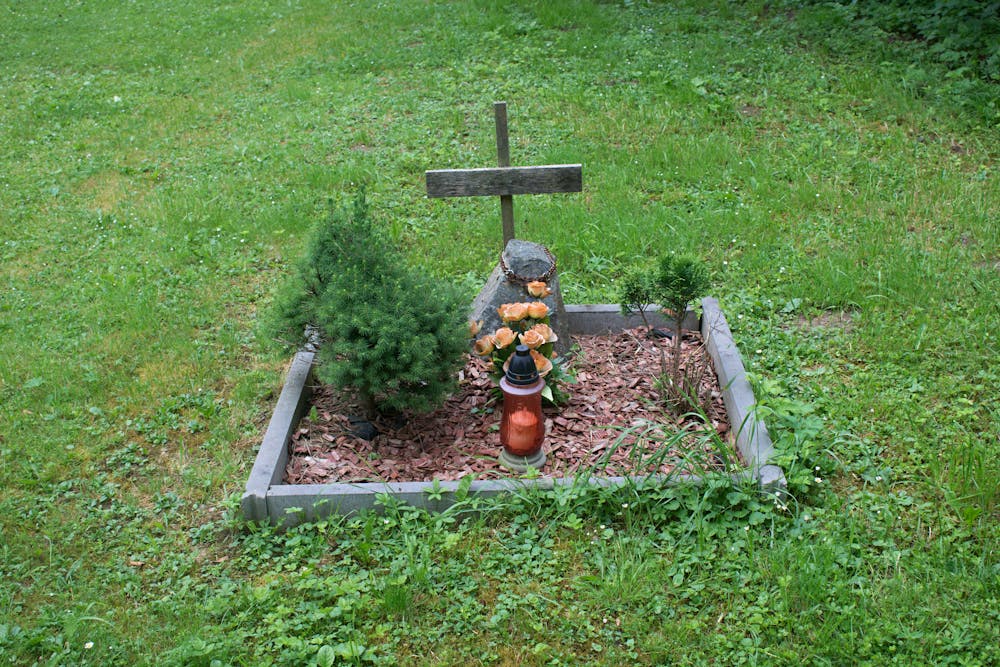
Image Source: images.theconversation.com
Grasping the Rules: Pet Burial Laws and Home Pet Burial Regulations
Before you bury your dog at home, you must know the rules. Pet burial laws backyard are different in different places. What is okay in one town may not be in another. These rules come from several places. They come from your state, your county, and your city. It is very important to check all these levels.
State and Local Laws: A Mixed Bag
Some states let you bury pets on your own land. Others do not. Many states do not have a clear rule about it. Instead, they let local areas make their own laws. This means your city or county health department sets the rules. They might also have rules about animal control.
Home pet burial regulations often focus on a few key things:
- Distance from Water: They might say how far the burial spot must be from wells, streams, or lakes. This helps stop groundwater contamination pet burial.
- Depth: There is often a rule about how deep the grave must be. This stops other animals from digging up the body.
- Type of Land: Some rules say you cannot bury a pet if your land is too wet or close to a flood zone.
- Population Density: In crowded areas, backyard burial might be banned. There simply is not enough space.
- Permits: A few places might ask you to get a permit before burying your pet. This is not common, but it can happen.
How to find your local rules:
- Call Your City or County Health Department: This is the best first step. Ask them about pet burial laws.
- Contact Animal Control: They often know about local rules for pet disposal.
- Check Local Ordinances Online: Many cities and counties have their laws posted on their websites. Look for terms like “animal disposal” or “pet burial.”
Do not guess about these rules. Breaking them can lead to fines. It can also cause problems for your neighbors or the environment. Always check first.
Key Things to Ask About Local Rules
When you check with local groups, ask these questions:
- Is backyard pet burial allowed in my area?
- Are there rules about how deep the grave must be?
- How far must the grave be from water sources or property lines?
- Do I need a special permit?
- Are there rules for pets that died from a disease?
Being ready with these questions will help you get clear answers.
Weighing the Risks: Is It Safe to Bury a Dog at Home?
You might think burying a pet in your backyard is always safe. But there are important health and safety things to think about. Is it safe to bury a dog at home? It can be, if done right. But there are risks.
Disease Spread and Contamination Worries
If your dog died from a disease, burying them might spread that disease. This is especially true for diseases that can live in the soil. Or for diseases that can pass to other animals or even people.
- Zoonotic Diseases: These are sicknesses that can go from animals to people. Rabies or certain fungi are examples. If your pet had such a disease, burial could be risky.
- Other Animals: Scavengers like raccoons, foxes, or even neighborhood dogs might smell the body. They could dig it up. This can spread disease. It can also be very upsetting for you and your family.
- Soil Contamination: Some diseases can stay in the soil for a long time. This could affect future use of that part of your yard.
Always talk to your vet if your pet died from an unknown cause or a serious illness. They can tell you if backyard burial is safe for that specific case.
Groundwater Contamination Pet Burial: A Serious Concern
One of the biggest worries with home pet burial is groundwater contamination pet burial. Groundwater is the water that is under the ground. Many people get their drinking water from this groundwater. If a buried body contaminates it, it can be a big problem.
- Decomposition Byproducts: As a body breaks down, fluids and bacteria are released. These can seep into the soil. If the grave is not deep enough, or if the soil is too porous (like sandy soil), these can reach the groundwater.
- Euthanasia Drugs: This is a very important point. If your pet was put to sleep by a vet, they used special drugs. These drugs are very strong. They can stay in the body for a long time. If buried, these drugs can get into the soil and water. This is why euthanized pet burial considerations are so important.
- The main drug used is often sodium pentobarbital. It can stay active in the body and soil for a long time.
- If another animal digs up the body and eats parts of it, they could get very sick or even die from these drugs. This includes wild animals and other pets.
- It can also affect the soil and water.
How to lower the risk of contamination:
- Choose the Right Spot: Pick a spot far from water sources (wells, streams, ponds). Know your property’s water table. If the water table is high (water is close to the surface), burial might not be safe.
- Proper Depth: This is key. A deep grave helps prevent contamination and stops digging by other animals.
- Soil Type: Clay soil holds fluids better than sandy soil. But clay soil can also slow down decomposition.
- Avoid Wet Areas: Do not bury your pet in low spots that collect water or near flood zones.
Understanding these risks helps you make a choice that is safe for your family, your neighbors, and the environment.
Backyard Pet Burial Guidelines: A Step-by-Step Guide
If you decide to bury your dog at home, and it is allowed, you need to do it correctly. Following good backyard pet burial guidelines will help. It ensures respect for your pet and safety for your yard.
Selecting the Right Burial Site
The spot you choose is very important. Think about these things:
- Distance from Water: At least 100 feet from any water source (wells, streams, ponds, lakes). Some rules say even more.
- Distance from Utility Lines: Before you dig, call 811. This service tells you where underground utility lines are. Hitting one can be very dangerous.
- Distance from Property Lines: Give yourself space from your neighbors’ land. This avoids problems later.
- Soil Type: Well-draining soil is best. Avoid very sandy or very clay-heavy soil. A mix is often good.
- Future Plans: Will you plant a tree or a marker? Think about what you want for the spot in the future.
- Sunlight: A shady spot might be better for decomposition than a very sunny one.
- Privacy: Choose a spot that feels right for you and your family.
Preparing the Grave: How Deep to Bury a Pet
This is one of the most common questions. How deep to bury a pet? The general rule is to dig at least 3 feet deep. For larger dogs, you might need to go even deeper.
Why depth matters:
- Prevents Scavengers: A deep grave makes it harder for other animals to dig up the body.
- Limits Odor: Deeper burial helps contain any smells during decomposition.
- Environmental Protection: It helps reduce the chance of contaminants reaching the surface or shallow groundwater.
Steps for Digging:
- Mark the Spot: Use stakes or string to mark the area. Make it wide enough to fit your pet comfortably.
- Dig Deep: Aim for at least 3 feet (about 1 meter) deep. For big dogs, 4-5 feet is even better. The bottom of the grave should be below the frost line in cold climates.
- Make it Wide Enough: The grave should be wide enough so you can place your pet easily. It should not be a tight fit.
- Consider a Coffin or Shroud: You can place your pet in a strong box (like wood or a heavy cardboard box). This is not required but can offer more dignity. If you use a shroud, make sure it is made of natural, fast-breaking-down materials like cotton or linen. Avoid plastic or synthetic fabrics.
- Adding Lime? No! Some people think adding lime helps decomposition. It does not. It can actually hurt the environment and slow down the process. Do not use it.
Burying Your Pet with Care
Once the grave is ready:
- Place Your Pet: Gently place your pet into the grave. If using a coffin, make sure it is sturdy.
- Cover with Soil: Fill the grave with soil. Make sure to mound it up a bit. The soil will settle over time. Mounding helps prevent a dip in the ground later.
- Mark the Spot: Place a stone, plant a tree, or put up a small marker. This is a personal choice to honor your pet.
- Water the Area: Lightly water the newly filled grave. This helps the soil settle.
Euthanized Pet Burial Considerations
As discussed, euthanized pet burial considerations are very important. If your pet was put to sleep by a vet, they likely used pentobarbital. This drug can stay in the body for a long time.
- Risk to Scavengers: Other animals that dig up the body and eat it can be poisoned.
- Environmental Concerns: The drug can leach into the soil and potentially into groundwater.
Many vets and environmental groups advise against backyard burial for euthanized pets. Cremation or professional burial at a pet cemetery are often safer choices for these pets. If backyard burial is your only choice, ensure the grave is very deep (at least 4-5 feet) and far from any water sources.
The Process Below: Dog Decomposition Time Underground
What happens to your pet’s body once it is buried? Dog decomposition time underground is not a quick process. Many things affect how fast a body breaks down.
Factors Affecting Decomposition
- Size of the Pet: A small dog will break down faster than a very large dog. More mass means more time.
- Soil Type:
- Sandy Soil: Allows good airflow, which can speed up some parts of decomposition. But it also lets fluids drain away quickly.
- Clay Soil: Is denser and holds moisture. It can slow down decomposition because of less air.
- Loamy Soil: A mix of sand, silt, and clay, often good for decomposition.
- Moisture Levels: Too dry, and the body can mummify. Too wet, and decomposition slows down due to less oxygen. Moderate moisture is best.
- Temperature: Warmer soil temperatures speed up the process. Very cold soil (frozen ground) stops it almost completely.
- Burial Depth: Deeper graves are often cooler and have less oxygen. This can slow down decomposition.
- Presence of Oxygen: Oxygen helps certain bacteria break down tissue. If there is little oxygen (deep in dense soil), different types of bacteria take over, and the process is slower.
- Wrapping/Container: A plastic bag or a sealed container will slow decomposition a lot. Natural materials like cotton or a simple wooden box allow for better breakdown.
- Cause of Death/Health: Pets that were very sick or had certain diseases might decompose differently. Pets with a lot of fat might also take longer.
What Happens During Decomposition?
Decomposition is a natural cycle. It turns the body back into basic elements.
- Initial Breakdown: Soon after death, cells break down. Bacteria already inside the body start to work.
- Bloating: Gases build up as bacteria work, causing the body to swell.
- Active Decay: The body changes more. Fluids leak out. Insects might become involved if the grave is shallow.
- Advanced Decay: Most soft tissues are gone. Hair, skin, and some bones remain.
- Skeletonization: Only bones, teeth, and possibly hair remain.
- Disintegration: Over time, even the bones will break down into the soil.
How Long Does it Take?
There is no exact answer for dog decomposition time underground. It can range from a few months to many years.
- Small Dog in Ideal Conditions: (warm, moist, well-draining soil, shallow but safe burial) — could be mostly decomposed in 6-12 months.
- Large Dog in Less Ideal Conditions: (cold, dense soil, deep burial, or in a sealed container) — could take several years, even decades, for bones to fully break down.
Generally, for soft tissues to disappear, it can take 1-3 years for a medium-sized dog. Bones take much longer. This is why a proper burial depth is so important. You want to make sure the process happens without affecting the surface or being disturbed.
| Factor | Effect on Decomposition Speed |
|---|---|
| Pet Size | Smaller = Faster |
| Soil Type | Loamy/Sandy = Faster |
| Moisture | Moderate = Faster |
| Temperature | Warmer = Faster |
| Burial Depth | Deeper = Slower |
| Container | Sealed = Slower |
| Drugs (e.g., euthanasia) | Slower/Can alter |
This table gives a general idea. Every burial site is unique.
Other Choices: Legal Pet Disposal Options and More
Backyard burial is one option, but it is not the only one. Many people choose other ways to say goodbye. Knowing all your legal pet disposal options can help you make the best decision for you and your family.
Pet Cremation vs. Backyard Burial: Making the Choice
One of the most common alternatives is cremation. Pet cremation vs backyard burial comes down to many factors.
Pet Cremation:
- How it Works: Your pet’s body is burned at very high temperatures. This turns the body into ash.
- Types of Cremation:
- Private Cremation: Your pet is cremated alone. You get only your pet’s ashes back. Many people choose this if they want to keep the ashes.
- Communal Cremation: Several pets are cremated together. You do not get your pet’s ashes back. The ashes are often spread in a memorial garden or buried in a group plot.
- Cost: Cremation costs more than backyard burial. Private cremation is more expensive than communal.
- Benefits:
- No Contamination Risk: No risk of drugs or diseases spreading into the ground or water.
- Convenience: Pet owners do not need to dig a grave or worry about laws.
- Portability: You can keep your pet’s ashes with you if you move.
- Symbolic: Ashes can be put in an urn, buried in a special spot, or scattered in a meaningful place (check local rules for scattering).
- Peace of Mind: It is a widely accepted and respectful way to dispose of a pet. Especially good for euthanized pets.
- Drawbacks:
- Cost.
- Some people prefer a physical burial.
Backyard Burial (as discussed):
- Benefits:
- No direct cost (aside from tools, maybe a marker).
- Pet stays on your property, a sense of closeness.
- Allows for a very personal farewell ceremony.
- Drawbacks:
- Legal restrictions.
- Environmental and health risks (contamination, scavengers, disease).
- Can be emotionally hard to dig the grave.
- What happens if you move?
Other Legal Pet Disposal Options
Beyond cremation and backyard burial, you have other choices:
- Pet Cemeteries:
- What it is: A dedicated place for pet burials. Like a human cemetery, but for animals.
- Benefits: A formal, lasting resting place. No worries about local laws or environmental issues. Provides a place to visit.
- Drawbacks: Can be costly (plot, burial service, upkeep). May be far from your home.
- Veterinary Services:
- Most vets offer pet disposal services. They work with cremation services or other proper disposal companies.
- Benefits: Very easy during a hard time. You do not have to handle the body. You know it will be handled correctly.
- Drawbacks: Often more costly than backyard burial. You might not know exactly what happens to the body (unless you choose private cremation).
- Animal Control/Shelters:
- In some areas, local animal control or shelters offer pet disposal.
- Benefits: Often a low-cost or free option. It is a legal and safe way to dispose of a pet.
- Drawbacks: It is a very impersonal service. You will not get ashes back, and you will not know where the body goes. This is usually for general disposal.
- Rendering Plants (Less Common for Individuals):
- Some areas have rendering plants that process animal remains. This is more for large farms or commercial settings. It is rarely an option for individual pet owners.
Choosing the right option is a personal decision. Think about your feelings, your budget, and what is allowed in your area. Always make sure to choose a legal and safe way to say goodbye to your beloved pet.
Finding Comfort and Closure
No matter how you choose to say goodbye, the most important thing is to honor your pet. The grief of losing a dog is real and deep. Many people find comfort in a ceremony or a special place.
- Memorializing Your Pet: Whether it is a backyard burial with a marker, a special urn with ashes, or a donation in their name, finding a way to remember them can help.
- Allowing Yourself to Grieve: Do not rush your feelings. It is okay to be sad. Talk to friends or family. Look for pet loss support groups.
- Remembering the Good Times: Focus on the joy and love your pet brought into your life.
Your pet was a part of your family. Giving them a respectful farewell is a final act of love.
Conclusion: Making an Informed Choice
So, can you bury a dog in the backyard? The answer is “maybe.” It truly depends on where you live and the rules in your area. While the idea of keeping your pet close can be comforting, it is very important to consider all the legal, safety, and environmental points.
Before you make any plans, always check your local pet burial laws backyard and home pet burial regulations. Think about is it safe to bury a dog at home, especially if they were sick or euthanized. Remember the risks of groundwater contamination pet burial and the importance of how deep to bury a pet.
Also, think about dog decomposition time underground and how it works. Consider euthanized pet burial considerations very carefully. If backyard burial is not possible or not right for you, look into other legal pet disposal options, like pet cremation vs backyard burial or pet cemeteries.
Losing a pet is never easy. By knowing all the facts, you can make a good, informed choice. This way, you can say goodbye to your beloved dog in a way that respects them, your home, and the environment.
Frequently Asked Questions (FAQ)
Q1: Is it illegal to bury a pet in my backyard?
A1: It depends on where you live. Many cities and counties have rules about backyard pet burial. You must check your local health department or animal control for specific laws in your area.
Q2: How deep does a dog need to be buried in the backyard?
A2: Generally, a pet should be buried at least 3 feet deep to stop other animals from digging it up and to help with decomposition. For larger dogs, 4-5 feet is even better.
Q3: Can I bury a dog that was euthanized by a vet?
A3: It is generally not advised to bury a euthanized pet in your backyard. The drugs used for euthanasia (like pentobarbital) can stay in the body for a long time. These drugs can harm other animals that might dig up the body. They can also affect the soil and water. Cremation is often a safer choice for euthanized pets.
Q4: How long does it take for a dog to decompose in the ground?
A4: Dog decomposition time underground varies a lot. It depends on the dog’s size, the type of soil, moisture, and temperature. Soft tissues might break down in 1-3 years for a medium dog, but bones can take many years, even decades.
Q5: Will burying my dog contaminate my water?
A5: There is a risk of groundwater contamination pet burial if the grave is too shallow, too close to a water source (like a well or stream), or if the soil drains too quickly. Euthanasia drugs can also be a concern. Always choose a spot far from water and dig deeply.
Q6: What if I move after burying my dog in the backyard?
A6: This is a common concern. If you move, you cannot take the buried remains with you. Some people find this hard. This is one reason why options like cremation, where you can keep the ashes, are popular.
Q7: Can I bury my dog in a plastic bag or blanket?
A7: You should not bury a dog in a plastic bag. Plastic slows down decomposition a lot and traps fluids. If you use a shroud, pick a natural material like cotton or linen that will break down over time. You can also use a simple wooden or cardboard box.