
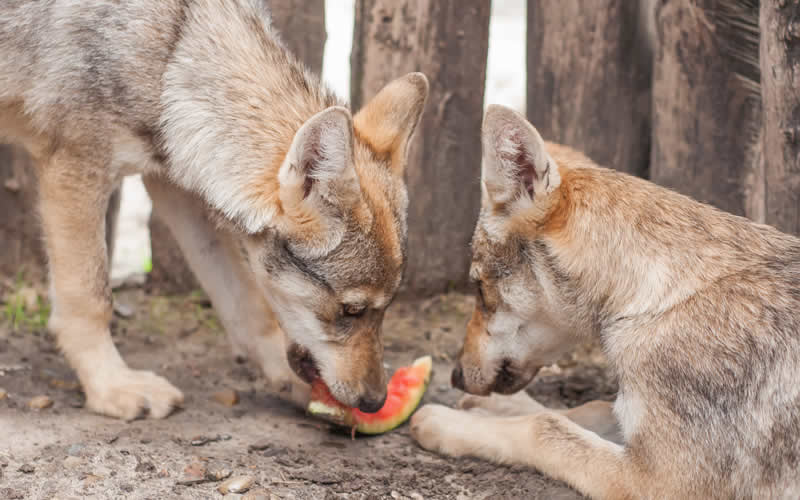
Image Source: vegan-dogfood.co.uk
Can Wolves Eat Dog Food? Wild vs. Domestic Diets.
Can wolves eat dog food? In short, while a wolf can physically eat dog food, it is not healthy or suitable for them in the long term. Dog food is made for domestic dogs, whose bodies and needs have changed over thousands of years. Wolves, as wild animals, have very different nutritional needs of wolves and a specific wild wolf diet that dog food cannot meet. Feeding dog food to a wolf can lead to many health problems, making it a poor choice for their well-being.
A Look at the Wild Wolf Diet
Wild wolves are apex predators. This means they are at the top of the food chain in their natural homes. Their lives revolve around hunting. The wild wolf diet mostly consists of large hoofed animals. These include deer, elk, moose, caribou, and bison. They also eat smaller prey like beaver, rabbits, and rodents. Even birds and fish can be part of their meals.
When a wolf pack takes down large prey, they eat every part of it. This includes the muscle meat, internal organs, bones, bone marrow, and even some fur or hide. Each part provides different vital nutrients.
- Muscle Meat: This is full of protein and some fat. It helps wolves build and repair muscles.
- Organs: The liver, kidneys, heart, and lungs are nutrient powerhouses. They provide vitamins like A, D, and B vitamins. They also offer important minerals such as iron and zinc.
- Bones: Chewing on bones helps keep wolf teeth clean and strong. Bones also give calcium and phosphorus. These are key for healthy bones and teeth.
- Bone Marrow: This fatty tissue inside bones is rich in energy and healthy fats.
- Fur/Hide: While not a main food source, ingesting fur or hide helps with digestion. It adds fiber and can clean the digestive tract.
This whole-prey approach ensures wolves get all the vitamins, minerals, fats, and proteins they need. It is a complete and balanced diet tailored by nature for their bodies. Their bodies are built to digest these raw, unprocessed ingredients.
The Wolf Digestive System: A Carnivore’s Machine
The wolf digestive system is a marvel of evolution. It is perfectly designed for a diet of raw meat and bones. Wolves are obligate carnivores. This means their bodies must have meat to live and thrive.
Let’s look at some key features:
- Powerful Jaws and Teeth: Wolves have strong jaws and sharp teeth. Their canines are long for gripping prey. Their molars are like shears, perfect for tearing meat and crushing bone. They can crack open large bones to get to the marrow.
- Short, Simple Digestive Tract: Compared to plant-eating animals or even humans, a wolf’s digestive tract is short. This allows food to pass through quickly. This is important for raw meat, which can spoil fast if it stays too long.
- Highly Acidic Stomach: Wolves have very strong stomach acid. This acid is much stronger than a human’s or a dog’s. It helps break down tough proteins, dissolve bones, and kill harmful bacteria often found in raw meat. This strong acid also makes it easier to digest entire carcasses.
- Efficient Nutrient Absorption: Despite the short tract, their bodies are very good at taking in nutrients from meat. They quickly absorb proteins, fats, and vitamins.
This system is built for processing raw animal material. It is not made for plant matter, grains, or processed foods. This is a key reason why dietary differences between wolves and dogs are so big. Dogs have evolved to better handle some starches, but wolves have not.
Nutritional Needs of Wolves in Their Natural Habitat
The specific nutritional needs of wolves are very high in protein and fat. They need these to power their active, demanding lives. Hunting, running, and surviving in harsh environments burn a lot of energy.
Here’s a breakdown of what a wolf needs:
- High Protein: Wolves need a lot of animal protein. This comes from muscle meat and organs. Protein builds and repairs tissues. It also helps with enzyme and hormone production.
- High Fat: Animal fats are crucial for energy. They are also needed for absorbing fat-soluble vitamins (A, D, E, K). Marrow and fatty tissues from prey provide this.
- Essential Fatty Acids: These include Omega-3 and Omega-6 fatty acids. They are found in fresh meat. These fats support brain function, skin, and coat health. They also help with inflammation.
- Vitamins and Minerals: Wolves get a wide range of vitamins and minerals from eating whole prey.
- Vitamin A: From liver and other organs, important for vision and immune health.
- Vitamin D: From fatty tissues, crucial for bone health.
- B Vitamins: From muscle meat and organs, vital for energy and metabolism.
- Iron: From blood and meat, essential for red blood cells.
- Calcium and Phosphorus: From bones, key for skeletal strength.
- Zinc: From meat, important for immune function and healing.
Wolves get all these nutrients in their most usable forms directly from raw prey. They do not need carbohydrates from grains or starches for energy. Their bodies are built to use fat and protein as their main fuel. This makes their diet very different from what is found in most dog foods.
Dog Food Ingredients for Wolves: A Mismatch?
Now, let’s look at dog food ingredients for wolves. Most commercial dog foods, especially kibble, are a big mismatch for a wolf’s natural diet. Dog food is made for dogs, who have lived with humans for thousands of years. Their diets have changed to include more plants and grains.
Common dog food ingredients for wolves often include:
- Grains: Corn, wheat, rice, barley. These are cheap fillers. Wolves have a very limited ability to digest large amounts of grains.
- Plant Proteins: Pea protein, soy protein. These are not as easily used by a wolf’s body as animal proteins.
- Starches: Potatoes, sweet potatoes, tapioca. These provide carbohydrates. While dogs can get energy from carbs, wolves mostly use protein and fat.
- Processed Meats and By-products: Often, the meat in dog food is not fresh. It is heavily processed or comes from rendered animal parts. It may not have the same nutrient quality as whole, raw meat.
- Artificial Additives: Colors, flavors, and preservatives are common in dog food. These offer no nutritional value to a wolf and can be harmful.
When a wolf eats dog food, they are getting a diet that is:
- Too Low in Animal Protein and Fat: Most dog foods have much less animal protein and fat than a wolf needs.
- Too High in Carbohydrates: Grains and starches overload a wolf’s digestive system. They cannot easily break them down. This can lead to digestive upset.
- Missing Key Nutrients: Dog food does not offer the complex mix of nutrients found in whole prey. Things like specific enzymes, beneficial bacteria, and the right balance of calcium/phosphorus from bones are missing.
- Highly Processed: The cooking process for kibble destroys some nutrients. It also makes other nutrients harder to absorb.
In short, dog food is an incomplete and incorrect diet for a wolf. It does not provide the right building blocks for a wild animal’s health.
Health Effects of Dog Food on Wolves
The long-term health effects of dog food on wolves can be severe. Because their bodies are not made for this diet, they suffer in many ways.
Here are some common problems:
- Digestive Upset: Wolves often get diarrhea, vomiting, and stomach pain from dog food. Their systems cannot handle the high amount of grains and processed ingredients. Their strong stomach acid is meant for raw meat, not cooked kibble.
- Nutrient Deficiencies: Without the whole-prey diet, wolves miss out on vital vitamins, minerals, and fatty acids. This can lead to:
- Poor Bone Health: Lack of raw bone can cause calcium and phosphorus imbalances. This weakens bones and teeth.
- Weakened Immune System: Missing key nutrients makes them more likely to get sick.
- Poor Coat and Skin Health: A dull coat, skin issues, and shedding can happen without proper fats and vitamins.
- Muscle Loss: Not enough high-quality animal protein can lead to muscle wasting.
- Obesity and Related Issues: Dog food is often calorie-dense, especially with carbohydrates. If a wolf eats too much, or if their activity levels are low (as in captivity), they can become overweight. Obesity leads to joint problems, heart disease, and diabetes.
- Dental Problems: Wild wolves keep their teeth clean and strong by tearing meat and crushing bones. Dog food, especially soft kibble, does not clean teeth. This leads to plaque buildup, gum disease, and tooth decay. Dental problems are painful and can make it hard for them to eat.
- Organ Strain: Over time, the liver and kidneys may struggle to process the unnatural ingredients in dog food. This can lead to chronic organ disease.
- Behavioral Issues: A poor diet can affect behavior. Wolves might become restless, destructive, or show signs of stress. This happens because their bodies are not getting what they need, and their instincts are not being met.
It is clear that feeding dog food to a wolf harms their overall health and well-being. It goes against their natural design.
Wolves Scavenging Human Food and Its Dangers
Sometimes, wild wolves, especially those living near human areas, might resort to wolves scavenging human food. This can happen when their natural prey is scarce. Or it might occur due to habituation to human presence. While a wolf might eat a discarded sandwich or leftovers, this is also highly dangerous for them.
Here’s why wolves scavenging human food is a problem:
- Nutritionally Inadequate: Human food, like dog food, is not balanced for a wolf. It often contains high sugar, salt, and unhealthy fats. These are harmful to a wolf’s digestive system.
- Toxic Substances: Many human foods are poisonous to canids.
- Chocolate: Contains theobromine, which is toxic.
- Grapes and Raisins: Can cause kidney failure.
- Onions and Garlic: Can lead to red blood cell damage.
- Xylitol: A sugar substitute found in many sweets, highly toxic.
- Cooked Bones: Cooked bones splinter easily. They can cause internal cuts or blockages. Raw bones, in contrast, are digestible and safe.
- Digestive Issues: Processed human foods can cause severe stomach upset, vomiting, and diarrhea.
- Altered Behavior: When wolves get used to eating human food, they can lose their fear of people. This leads to conflicts. They might approach homes or campsites, which often results in them being hurt or killed. Wildlife authorities may have to remove or even put down wolves that become a danger to people.
- Disease Transmission: Scavenging can expose wolves to diseases from domestic animals or waste.
Therefore, even if a wolf can eat human food, it is a big risk. It harms their health and often leads to bad outcomes for the wolf.
Captive Wolf Feeding: Mimicking Nature
For wolves in zoos, sanctuaries, or research centers, captive wolf feeding is a major challenge. The goal is to copy their natural diet as closely as possible. This means avoiding commercial dog food.
Best practices for captive wolf feeding include:
- Whole Prey Items: The ideal diet for captive wolves is whole prey animals. This includes deer, goats, rabbits, or even day-old chicks. These are often purchased from farms or suppliers. This ensures they get all the necessary nutrients, just like in the wild.
- Raw Meat and Bones: When whole prey is not available, a raw meat diet is used. This includes muscle meat, organs (liver, heart, kidney), and raw meaty bones. This mimics the nutrient profile of whole prey. It also helps keep their teeth clean.
- Balanced Supplements (if needed): Sometimes, a vet or nutritionist might add specific vitamins or minerals. This happens if the raw diet is not perfectly balanced or if a wolf has special needs. This is done carefully to avoid overdosing.
- Variety: Offering different types of prey or meat helps ensure a wide range of nutrients. It also keeps the wolves interested in their food.
- Feeding Schedule: Wolves in captivity are often fed in a way that encourages natural behaviors. For example, feeding them less often but with larger meals, much like a successful hunt.
Institutions that care for wolves understand that dog food is not an option. They invest in natural, raw diets to keep their wolves healthy and thriving. This highlights the dietary differences between wolves and dogs and the specific needs of wolves.
The Wolf-Dog Hybrid Diet: A Special Case
The wolf-dog hybrid diet is more complex. A wolf-dog hybrid is an animal with both wolf and domestic dog ancestry. Their dietary needs can vary greatly. It depends on how much wolf is in them (their ‘content level’).
- High-Content Hybrids (more wolf-like): These animals are very close to wolves in their biology. They often have the same strong digestive system. Their diet should be very similar to a pure wolf’s diet. This means a high-quality raw diet with muscle meat, organs, and raw meaty bones. Processed kibble is usually a poor choice for them.
- Low-Content Hybrids (more dog-like): These animals may have more domestic dog traits. Their digestive systems might be more tolerant of some carbohydrates. A high-quality, grain-free dog food might be an option. But even then, supplementing with raw meat or choosing a raw-fed diet is often best.
For any wolf-dog hybrid, it is always best to consult with a vet. The vet should have experience with wolf-dogs. They can help choose the right diet based on the animal’s specific needs and wolf content. The goal is always to lean towards a more natural, raw, meat-based diet. This reduces the risk of health effects of dog food on wolves and hybrids.
Processed Kibble for Wild Animals: A Broader View
The issue of processed kibble for wild animals extends beyond just wolves. In general, processed kibble is almost never suitable for wild carnivores.
- Designed for Domesticated Species: Commercial kibble is made for pets. These pets have evolved over thousands of years to live alongside humans. Their bodies have adapted to new food sources.
- Nutrient Profile Mismatch: Wild animals have very specific needs. Their bodies are optimized for the raw, unprocessed food they find in nature. Kibble’s nutrient balance, source of protein, and carbohydrate load are rarely correct.
- Lack of Dental Benefits: Many wild carnivores rely on chewing bones and tough hide to clean their teeth. Kibble offers very little of this benefit.
- Digestive Challenges: The digestive systems of wild animals are often less tolerant of processed ingredients, grains, and starches. This leads to gut problems.
For instance, feeding commercial cat food to a wild bobcat or fox would cause similar issues. Their bodies are built for whole prey, just like wolves. While some specialty kibbles exist for certain exotic animals in zoos, these are often designed for specific, limited needs and are highly customized. They are very different from standard dog food. The general rule is: processed kibble for wild animals is a bad idea.
Deciphering Dietary Differences Between Wolves and Dogs
To truly grasp why dog food fails wolves, it helps to compare the dietary differences between wolves and dogs side-by-side. While they share a common ancestor, domestication has changed dogs significantly.
Here’s a table to show the key distinctions:
| Feature | Wild Wolves | Domestic Dogs (Typical) |
|---|---|---|
| Evolutionary History | Wild carnivores, adapted to hunt whole prey. | Evolved from wolves, domesticated over millennia. |
| Primary Food Source | Large ungulates (deer, elk), smaller prey, carrion (whole animals). | Commercial dog food (kibble, wet), table scraps, human food. |
| Digestive Adaptations | Very strong stomach acid, short digestive tract, designed for raw meat and bone. | Strong stomach acid (less potent than wolves), more tolerant to starches. |
| Carbohydrate Tolerance | Very low; use protein/fat for energy. | Higher tolerance; can digest some starches due to increased amylase production. |
| Nutrient Needs | High animal protein, high animal fat, diverse vitamins/minerals from whole prey. | Moderate protein, moderate fat; needs met by balanced commercial food. |
| Dental Health | Maintained by chewing raw bones and tough hides. | Requires brushing or dental chews; kibble offers little benefit. |
| Health Implications | Thrive on raw, whole-prey diet. | Can thrive on well-formulated commercial diets; issues with raw diets if not balanced. |
| Example Diet | Entire deer, rabbit, beaver, organs, bones. | Commercial kibble with meat meals, grains, vegetables. |
This table clearly highlights why dog food ingredients for wolves are so wrong. Dogs have evolved specific gene changes, like increased amylase production (an enzyme that breaks down starch). Wolves do not have these changes. This fundamental difference in their biology makes dog food a poor fit for wolves.
Conclusion: A Wild Diet for a Wild Animal
In conclusion, while a wolf might eat dog food out of hunger, it is by no means a healthy or appropriate long-term diet. The wild wolf diet is based on raw, whole prey, and their wolf digestive system is perfectly tuned for this. Their nutritional needs of wolves are high in animal protein and fat, with minimal carbohydrates.
Dog food ingredients for wolves are a stark mismatch. They often contain too many grains, plant-based proteins, and processed components. This can lead to serious health effects of dog food on wolves, including digestive issues, nutrient deficiencies, dental problems, and obesity. Even wolves scavenging human food poses similar, if not greater, risks.
For captive wolf feeding, experts always choose raw, whole prey or raw meat diets that mimic their natural eating habits. The wolf-dog hybrid diet also leans heavily towards raw and meat-based meals, especially for more wolf-like hybrids. The broader lesson is that processed kibble for wild animals is rarely suitable.
Ultimately, the dietary differences between wolves and dogs are too great to ignore. Wolves are wild carnivores, and their biology demands a wild diet. Providing anything less compromises their health and well-being.
Frequently Asked Questions (FAQ)
H4: Is kibble bad for wolves?
Yes, kibble is bad for wolves. It does not meet their special dietary needs. It is too high in carbohydrates and often lacks enough animal protein and fat. It can cause many health problems for a wolf.
H4: What do wolves eat if they can’t find large prey?
If wolves cannot find large prey, they will hunt smaller animals. These include rabbits, rodents, beavers, and birds. They will also eat carrion (dead animals) when available. They are adaptable but always aim for meat.
H4: Can wolves eat vegetables or fruits?
Wild wolves might eat very small amounts of plant matter if it is in the gut of their prey. But they do not seek out vegetables or fruits directly. Their bodies are not designed to digest them well. They get all their needed nutrients from animal sources.
H4: Why are dog’s diets different from wolves if dogs came from wolves?
Dogs came from wolves, but thousands of years of living with humans changed them. Dogs evolved to digest starches and other foods humans ate. This happened through gene changes. Wolves did not go through these changes.
H4: Do wolves need special supplements?
In the wild, wolves get all their nutrients from eating whole prey. They do not need supplements. Captive wolves, if not fed a perfect whole-prey diet, might get specific supplements. This is only done under expert guidance to balance their diet.