
Can my dog have jello? No, your dog cannot have most jello. It is very important to know that most store-bought jello is bad for dogs. This is because it has a lot of sugar or harmful artificial sweeteners. These ingredients can make your dog very sick. However, plain, unflavored gelatin, with no sugar or additives, is generally safe for dogs in small amounts. It can even offer some health benefits. Always check labels with great care. Never give your dog any jello made for people unless it is plain gelatin.
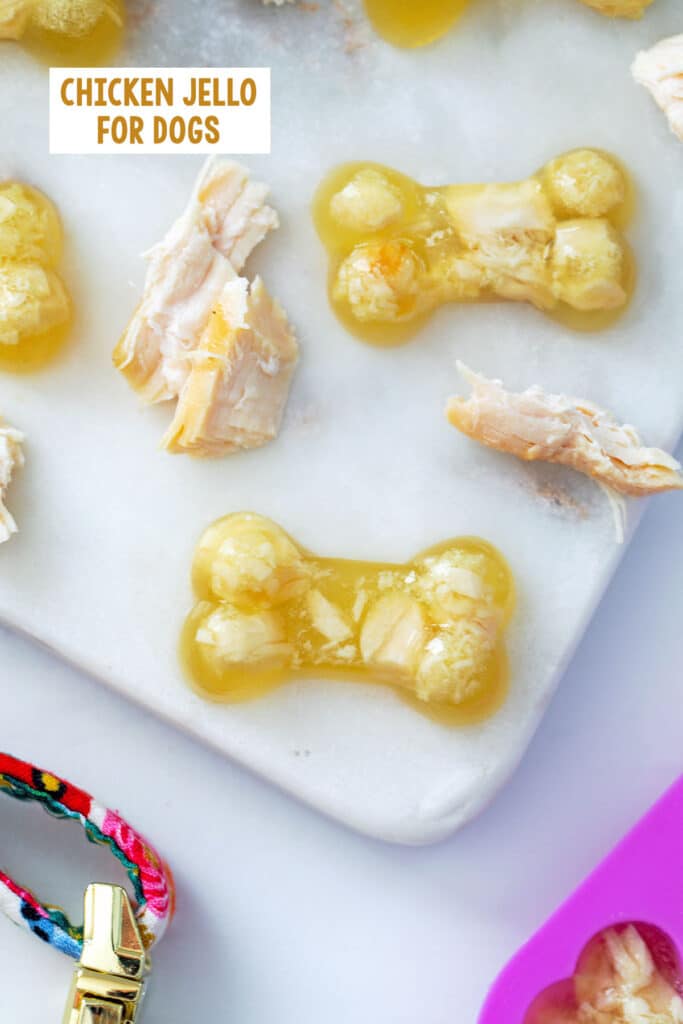
Image Source: wearenotmartha.com
Grasping Jello Basics for Dogs
Jello is a wobbly, sweet treat. People like it very much. It is made from gelatin. Gelatin comes from animal parts. It is a protein. This protein helps jello become firm. But jello also has other things. It has sugar. It has colors. It has flavors. Some jello has fake sugars. These extra things are usually not good for dogs. Some are very, very bad.
What is Gelatin?
Gelatin is a pure protein. It comes from collagen. Collagen is found in animal bones, skin, and tissues. When you buy plain gelatin, it is just this protein. It has no sugar. It has no color. It has no flavor. This plain form is what we talk about when we say “safe” for dogs. It is different from store-bought jello mixes.
The Big Difference: Plain Gelatin vs. Store-Bought Jello
Think of it like this:
* Plain Gelatin: This is like the pure building block. It is just protein. It has no taste or color on its own.
* Store-Bought Jello Mix: This is the building block plus many other things. It has sugar. It has bright colors. It has fruit flavors. It might have fake sugars. These added things are the problem for your dog.
It is very important to tell these two apart. Giving your dog plain gelatin is one thing. Giving them a box of cherry jello is another. One can be okay. The other can cause big problems.
The Big No-No: Flavored and Sugar-Free Jello
Do not give your dog flavored jello. Do not give your dog sugar-free jello. These types of jello are very dangerous for dogs. They have ingredients that can harm your dog’s health. Some can even be deadly.
Can Dogs Eat Flavored Jello? A Resounding No
No, dogs cannot eat flavored jello. Flavored jello has many things that are bad for dogs.
* High Sugar Content: Most flavored jello is full of sugar. Too much sugar is bad for dogs. It can lead to weight gain. It can cause tooth decay. It can make their blood sugar go up quickly. Over time, it can lead to diabetes.
* Artificial Colors: Jello comes in many bright colors. These colors are not natural. They are made in a factory. Dogs do not need these colors. Some dogs can have bad reactions to them. These reactions might be skin problems or hyper behavior.
* Artificial Flavors: Jello gets its taste from fake flavors. These flavors are also made in a factory. We do not know how these flavors affect dogs long-term. It is safer to avoid them.
* Other Additives: Flavored jello can have other chemicals. These chemicals help it stay fresh. They help it look good. They help it taste good. We do not know how these chemicals affect a dog’s body. It is always best to be safe.
Sugar-Free Jello Dogs Safe? Why Xylitol is a Deadly Threat
Is sugar-free jello safe for dogs? Absolutely not. This is perhaps the most critical point. Many sugar-free products, including jello, contain xylitol. Xylitol dog toxicity is a very serious concern. Xylitol is a type of sugar alcohol. It is safe for humans. But for dogs, it is extremely toxic.
When a dog eats xylitol, their body thinks it is real sugar. Their pancreas releases a lot of insulin. Insulin is a hormone that lowers blood sugar. Because dogs release so much insulin, their blood sugar drops very, very fast. This is called hypoglycemia. It can happen in just 10-60 minutes.
Symptoms of xylitol poisoning include:
* Vomiting
* Weakness
* Stumbling or trouble walking
* Seizures
* Collapse
In serious cases, xylitol can cause liver failure. It can also cause death. Even a small amount of xylitol can be very dangerous for a dog. Always check the label of any sugar-free item. Look for xylitol. If it has xylitol, do not give it to your dog. Keep it far away from them.
Artificial Sweeteners Dog Health: Beyond Xylitol
Xylitol is the most dangerous artificial sweetener for dogs. But other artificial sweeteners dog health risks are also a concern.
* Sorbitol: Less toxic than xylitol, but can cause gas, bloating, and diarrhea if eaten in large amounts.
* Erythritol: Generally considered less harmful than xylitol. Still, large amounts can cause digestive upset in some dogs. More research is needed to fully know its effects.
* Aspartame: Some studies suggest it might cause issues in humans. For dogs, it can lead to digestive upset. Long-term effects are not well known.
* Sucralose (Splenda): Some dogs might have digestive issues like diarrhea or gas. While not as toxic as xylitol, it is best to avoid it.
The best rule is to avoid all artificial sweeteners for your dog. They offer no nutritional value. They can cause upset stomachs. Some can cause severe poisoning. It is not worth the risk.
Why Plain Gelatin Can Be Good (in Moderation)
Plain, unflavored, unsweetened gelatin is a different story. In small amounts, it can offer some benefits for your dog. Remember, this is pure gelatin, not flavored jello mix.
Plain Gelatin for Dogs Benefits: A Closer Look
Plain gelatin is mostly protein. It contains amino acids. These are building blocks for protein in the body. Some of these amino acids, like glycine and proline, are good for certain parts of your dog’s body.
- Joint Health: Gelatin is made from collagen. Collagen is a main part of joints, bones, and cartilage. Giving plain gelatin might support healthy joints. It may help with stiffness. This is especially true for older dogs. It is not a cure for joint problems. But it can be a good helper for their health.
- Skin and Coat Health: The amino acids in gelatin can help your dog’s skin. They can make their fur shiny. They can help with dry skin. A healthy coat means a happy dog.
- Nail Strength: Some dog owners report stronger nails. Brittle nails can be a problem. Gelatin might help them grow better.
- Digestive Aid: Gelatin can help soothe the digestive tract. It forms a protective layer. This can be helpful for dogs with mild dog digestive issues jello. It can help absorb water. This may make stools softer and easier to pass. It might help with nutrient absorption.
- Appetite Stimulant: For dogs that are picky eaters or recovering from illness, a small amount of plain gelatin can be a good way to add protein. It has very little taste. It can be mixed with food or broth.
- Hydration: If mixed with water or broth, gelatin can help add extra fluids to your dog’s diet. This helps with hydration.
How Much is Safe?
The amount of plain gelatin depends on your dog’s size. It also depends on their health needs.
* Small Dogs (under 20 lbs): A pinch to 1/2 teaspoon per day.
* Medium Dogs (20-50 lbs): 1/2 to 1 teaspoon per day.
* Large Dogs (over 50 lbs): 1 to 2 teaspoons per day.
Always start with a very small amount. Watch your dog for any changes. If they have loose stools, give them less. You can mix plain gelatin powder into their food. You can also mix it with warm water or broth. Let it set. Then offer it as a wobble treat.
Making It Safe: Homemade Dog Gelatin Treats
Making your own treats is the best way to be sure they are safe. You control all the ingredients. Homemade dog gelatin treats are a great way to use plain gelatin. They are easy to make. Your dog will love them.
Simple Recipe: Bone Broth & Gelatin Bites
This recipe uses plain gelatin and bone broth. Bone broth is very good for dogs. It is full of nutrients.
What you need:
* 1 cup plain, unsalted bone broth (or low-sodium chicken/beef broth)
* 2 tablespoons unflavored gelatin powder (like Knox gelatin)
* Silicone molds (small shapes work best, like ice cube trays)
Steps:
1. Warm the broth: Pour 1/2 cup of broth into a small pot. Heat it gently on low heat. Do not boil it. It just needs to be warm.
2. Add gelatin: Sprinkle the gelatin powder over the warm broth. Whisk it well. Keep whisking until all the powder is gone. Make sure there are no lumps.
3. Add rest of broth: Stir in the remaining 1/2 cup of cold broth. This helps it set faster.
4. Pour into molds: Carefully pour the liquid into your silicone molds.
5. Chill: Put the molds in the fridge for at least 2-4 hours. They need to be firm.
6. Pop out and store: Once firm, pop the treats out. Store them in an airtight container. Keep them in the fridge. They will last about 5-7 days.
You can also use pureed fruits or vegetables instead of broth. Make sure they are dog-safe fruits and veggies. (Examples: pumpkin puree, blueberries, carrots.)
Tips for Safe Preparation
- Always use plain gelatin: Make sure it says “unflavored” and “unsweetened.” Do not guess.
- Check broth labels: If you use store-bought broth, check the label. It must be low in sodium. It must have no onions, garlic, or xylitol. These are toxic for dogs. Homemade bone broth is best.
- Portion control: Give treats in small amounts. Too much can upset their stomach.
- Introduce slowly: If your dog has never had gelatin, give a very small piece first. Watch for any reaction.
- Storage: Always keep homemade treats in the fridge. They do not have preservatives. They can spoil quickly.
Jello Ingredients Bad for Dogs: A Detailed List
To keep your dog safe, you need to know what ingredients to avoid. Many things in human foods are not good for dogs. Jello, especially, contains several problematic items.
Table: Harmful Jello Ingredients for Dogs
| Ingredient Type | Specific Examples | Why It’s Bad for Dogs |
|---|---|---|
| Artificial Sweeteners | Xylitol (most dangerous), Sorbitol, Erythritol, Aspartame, Sucralose (Splenda), Saccharin | Xylitol: Highly toxic, causes rapid blood sugar drop, liver failure. Others: Can cause digestive upset (gas, diarrhea, vomiting), long-term effects often unknown or not fully studied for dogs. |
| High Sugar Content | Sucrose (table sugar), Fructose, Corn Syrup | Leads to obesity, dental problems, diabetes. Can cause stomach upset (vomiting, diarrhea) if consumed in large amounts. |
| Artificial Colors | Red 40, Blue 1, Yellow 5 & 6 | No nutritional value. Can cause allergic reactions, hyperactivity, or other behavioral issues in some sensitive dogs. |
| Artificial Flavors | Imitation Fruit Flavors (cherry, lime, strawberry) | No nutritional value. Can contain unknown chemicals. May cause digestive upset or allergic reactions in sensitive dogs. |
| Caffeine | Rarely in jello, but some desserts may have it. | Toxic to dogs. Can cause hyperactivity, restlessness, increased heart rate, tremors, seizures, and even death in large enough doses. Check ingredient lists for any form of caffeine. |
| Other Additives | Preservatives, Stabilizers | Can cause digestive upset or other unknown reactions. Not naturally found in a dog’s diet and should be avoided when possible. |
Always read the ingredient list carefully. If you do not know what an ingredient is, do not give it to your dog. It is better to be safe than sorry.
Spotting Trouble: Dog Digestive Issues Jello & Dog Upset Stomach Symptoms
What if your dog eats something bad? It is important to know the signs. If your dog eats flavored or sugar-free jello, watch them closely. They might get sick.
Common Dog Upset Stomach Symptoms
If your dog has an upset stomach, they might show these signs:
* Vomiting: They throw up their food or bile.
* Diarrhea: Loose or watery stools.
* Loss of appetite: They do not want to eat their food.
* Lethargy: They are very tired or have no energy.
* Abdominal pain: They might whine, guard their belly, or stretch in unusual ways.
* Excessive drooling: More drool than usual.
* Gulping or lip smacking: Signs of nausea.
* Restlessness: They cannot get comfortable.
* Bloating: Their belly looks bigger than normal.
If your dog eats jello with xylitol, the signs can be more severe. Watch for:
* Weakness
* Stumbling or trouble walking
* Tremors
* Seizures
* Collapse
These signs mean an emergency. Get your dog to the vet right away.
When to See the Vet
Do not wait if you think your dog ate something toxic.
* Emergency: If your dog ate sugar-free jello (with xylitol) or shows severe signs like seizures, collapse, or major weakness, go to an emergency vet right now. Call them on the way.
* Concerned: If your dog ate a lot of sugary jello and has bad vomiting or diarrhea, call your vet. They can tell you what to do.
* Monitoring: If they ate a tiny bit of flavored jello with no xylitol and seem fine, watch them. If symptoms appear, call your vet.
It is always better to call your vet. They know best. Tell them what your dog ate. Tell them how much. Tell them when. This helps them help your dog quickly.
Safer Alternatives: Safe Human Snacks for Dogs
Many human foods are safe and healthy for dogs. Instead of risky jello, offer these treats. They are good for your dog. They will enjoy them.
Table: Vet-Approved Safe Human Snacks
| Snack Type | Examples | Benefits | How to Serve |
|---|---|---|---|
| Fruits | Blueberries, Apples (no seeds), Bananas, Watermelon (no seeds or rind), Strawberries, Cantaloupe | Vitamins, fiber, antioxidants. Good for immune system and digestion. | Small pieces, fresh or frozen. Always remove seeds, pits, and rinds. |
| Vegetables | Carrots, Green Beans, Cooked Sweet Potatoes, Broccoli (small amounts), Pumpkin (plain, canned) | Vitamins, minerals, fiber. Good for digestion and overall health. | Raw or cooked, plain. Cut into small, chewable pieces. Plain canned pumpkin is great for upset stomachs. |
| Proteins | Plain Cooked Chicken, Turkey, Lean Beef, Eggs, Plain Yogurt (no xylitol) | High-quality protein for muscles. Eggs are a complete protein. Yogurt has probiotics for gut health. | Cooked thoroughly, no seasoning. Boiled or scrambled eggs. Plain yogurt, small amounts. |
| Grains/Starches | Plain Cooked Rice, Plain Pasta, Oatmeal (cooked) | Can help with an upset stomach. Provide energy. | Cooked plain, no butter or salt. Small amounts. |
Important Tips for Feeding Human Snacks
- Moderation is key: Treats should not be more than 10% of your dog’s daily food intake.
- Plain and simple: Always serve foods plain. No salt, sugar, spices, or butter.
- Avoid harmful foods: Never give grapes, raisins, onions, garlic, chocolate, avocado, macadamia nuts, or alcohol. These are toxic.
- Check for allergies: Introduce new foods slowly. Watch for any signs of allergy or digestive upset.
- Cut small: Always cut food into small, bite-sized pieces. This stops choking.
Conclusion: Making Informed Choices for Your Dog’s Health
To sum it up, the answer to “Can my dog have jello?” is mostly no. Store-bought, flavored, or sugar-free jello is dangerous. It has too much sugar, artificial colors, or, most importantly, deadly xylitol. Xylitol dog toxicity is a real and serious threat.
However, plain, unflavored, unsweetened gelatin can be good for dogs in small amounts. It can help with joints, skin, and digestion. You can make homemade dog gelatin treats using safe ingredients like bone broth. This way, you know exactly what your dog is eating.
Always be careful about what your dog eats. Read food labels. Look for jello ingredients bad for dogs. If your dog shows dog upset stomach symptoms or other signs of illness after eating something, call your vet right away. There are many safe human snacks for dogs that are better choices than risky jello. Your dog’s health depends on your careful choices.
Frequently Asked Questions (FAQ)
Q1: What is the biggest danger of my dog eating regular jello?
A1: The biggest danger is the artificial sweetener xylitol, often found in sugar-free jello. Xylitol is very toxic to dogs and can cause a rapid drop in blood sugar, seizures, and liver failure.
Q2: Can I give my dog just a tiny bit of my flavored jello?
A2: No, it’s not a good idea. Even a tiny bit of flavored jello can contain too much sugar, artificial colors, or other additives that are not good for your dog. It’s best to avoid it completely.
Q3: My dog ate some jello with xylitol. What should I do?
A3: This is an emergency. Call your vet or an emergency vet clinic right away. Do not wait for symptoms to appear. Quick action can save your dog’s life.
Q4: Is plain gelatin the same as plain jello?
A4: No. Plain gelatin is a pure protein powder. It has no flavor, color, or sugar. Plain jello usually refers to gelatin mixed with water and sugar, often with flavors. You should only give your dog plain gelatin powder.
Q5: How can plain gelatin help my dog?
A5: Plain gelatin can help support joint health, improve skin and coat, and aid digestion. It provides helpful amino acids from collagen.
Q6: Can I use beef or chicken broth to make homemade dog gelatin treats?
A6: Yes, but make sure the broth is low-sodium and has no onions, garlic, or other harmful ingredients for dogs. Homemade bone broth is the safest choice.
Q7: My dog has a sensitive stomach. Can I give them plain gelatin?
A7: Start with a very small amount. Plain gelatin can sometimes help soothe the digestive tract. However, if your dog has any adverse reaction, stop giving it and consult your vet.
Q8: Are there any fruits my dog should not eat if I want to make gelatin treats?
A8: Yes, never use grapes or raisins. They are highly toxic to dogs. Always check if a fruit is safe for dogs before using it. Remove all seeds and pits from safe fruits like apples or cherries.