
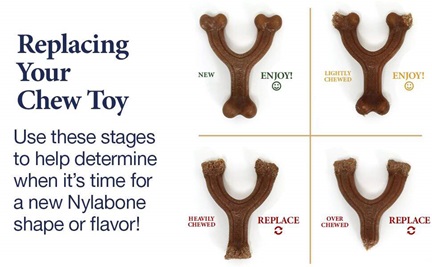
Image Source: www.nylabone.com
Important Safety Tips: Can My Dog Eat Nylabone Chew
Can my dog eat Nylabone? No, generally, your dog should not eat a Nylabone chew. Nylabones are made to be chewed on, not eaten. They are usually made from tough, durable nylon or other hard plastics. While small shavings might come off and pass through the dog’s system without harm, Nylabones are considered indigestible dog chews. The real danger comes if a dog ate Nylabone piece that is too large to pass safely. This can lead to serious Nylabone safety concerns, including blockages or internal injuries.
Decoding Nylabone Chews
Let’s look at what Nylabone chews really are. Nylabone is a well-known brand of chew toys for dogs. They make many different types of chews. Most of their popular, long-lasting chews are made from very hard materials like nylon or polyurethane. These materials are not food. Dogs are meant to gnaw on them. The chewing action helps clean teeth and keeps dogs busy.
The Purpose of a Nylabone
Why give a dog a Nylabone?
* It helps dogs chew on something safe instead of furniture or shoes.
* It can ease boredom and anxiety.
* Chewing can help keep teeth clean by scraping off soft plaque.
* It gives puppies something to chew when they are teething.
But the key idea is that the chew should last a long time. It should wear down very slowly. Dogs should not be able to bite off big chunks.
What Happens if Dog Eats Nylabone?
This is the biggest worry for dog owners. What happens if dog eats Nylabone? The answer depends on how big the piece is.
Small Pieces vs. Large Pieces
If your dog chews off a tiny, rice-sized piece, it might pass through their digestive system without any problem. This is what Nylabone intends to happen as the chew wears down slowly over time.
However, if your dog ate Nylabone piece that is larger – say, the size of a grape, a coin, or even bigger – this can cause serious issues. Nylabone is an indigestible dog chew. The dog’s stomach acid cannot break it down. The intestines cannot push it through easily.
Risks of Swallowed Plastic
When a Nylabone swallowed plastic piece moves through the body, several bad things can happen.
Internal Damage
The hard, often rough edges of a broken Nylabone can scrape or cut the lining of the esophagus, stomach, or intestines. This can cause pain, bleeding, and infection.
Blockage (Foreign Body Obstruction)
This is perhaps the most common and dangerous risk of Nylabone ingestion. An indigestible piece can get stuck anywhere along the digestive tract.
* It could get stuck in the esophagus, making it hard for the dog to swallow or breathe.
* It could sit in the stomach, causing chronic vomiting.
* Most often, it gets stuck in the small intestine. This stops food and liquid from passing through.
An intestinal blockage is a medical emergency. It needs quick action from a vet.
Signs Your Dog Might Have Swallowed a Piece
Watch for these signs if you think your dog ate Nylabone piece:
* Vomiting (especially repeated vomiting)
* Loss of appetite
* Lethargy (acting tired, not wanting to move)
* Pain in the belly (they might cry when you touch their stomach area, or hunch over)
* Straining to poop or not being able to poop
* Weakness or collapse
These signs can appear hours or even days after the dog chew bone ingestion. If you see any of these, call your vet right away.
Is Nylabone Digestible? Addressing a Key Question
Let’s be clear: Is Nylabone digestible? For the most part, no. Nylabones are made of synthetic materials like nylon. Unlike natural chews or some processed dental chews, your dog’s digestive system is not built to break down nylon.
This is why they are called indigestible dog chews. They are meant to be chewed and slowly worn away, not consumed. The design relies on the small particles that break off being tiny enough to pass through the system safely. But this doesn’t always happen, especially with strong chewers or damaged toys.
Evaluating Nylabone Safety Concerns
Manufacturers like Nylabone design their products with safety in mind, assuming they are used correctly and supervised. However, Nylabone safety concerns arise when the product is misused or when a dog chews more aggressively than the toy can handle.
Here are some main concerns:
Choking Hazard
A broken or worn-down Nylabone can become a Nylabone choking hazard. If a dog manages to break off a large chunk or gets a piece stuck in their throat, it can block their airway. Always watch your dog when they are chewing.
Tooth Damage
Very hard chews, including some Nylabones, can potentially break or chip a dog’s teeth. This is more likely if the chew is harder than the dog’s teeth. If you can’t indent the chew with your fingernail, it might be too hard for your dog’s teeth. A broken tooth is painful and requires veterinary care.
Digestive Upset
Even small pieces, if enough are swallowed, can irritate the stomach or intestines, leading to vomiting or diarrhea.
Material Concerns
While generally considered non-toxic, the goal is for the dog not to eat the material. The long-term effects of small amounts of synthetic plastic passing through the body are not fully known, but the immediate risks of blockage or damage are the most pressing.
Mitigating Risks: Important Safety Tips
Giving your dog chew toys is great for their well-being. But it must be done safely. Here are crucial tips for using Nylabone or any similar hard chew:
Tip 1: Choose the Right Size and Type
Nylabone makes chews for different dog sizes and chewing strengths.
* Size Matters: A chew that is too small for a large dog is a huge Nylabone choking hazard. The large dog can easily get the whole chew in their mouth or break off big pieces. A chew that is too big for a small dog might not be chewable, or could still pose a risk if broken. Always follow the manufacturer’s size guidelines on the package.
* Chewing Style: Some dogs are gentle chewers, others are power chewers. Choose a chew designed for your dog’s chewing intensity. Nylabone offers different toughness levels. A power chewer needs a very durable chew.
Tip 2: Inspect the Chew Regularly
Before and after each chew session, look closely at the Nylabone.
* Is it breaking down too fast?
* Are there large cracks or missing chunks?
* Are sharp points developing?
If the chew is significantly damaged, has large pieces missing, or has sharp edges that could hurt your dog’s mouth or cause damage if swallowed, it’s time to throw it away. Do not let your dog chew on a broken Nylabone. This is when the risks of Nylabone ingestion go up a lot.
Tip 3: Supervise Chew Time
Never give your dog a Nylabone and leave them alone with it. Always watch them when they are chewing.
* See how they are using the chew. Are they gnawing or trying to bite off pieces?
* If they manage to break off a piece, take it away immediately.
* If the chew looks too small or damaged, take it away.
Supervision is key to preventing dog ate Nylabone piece situations or dealing with a Nylabone choking hazard quickly.
Tip 4: Know When to Replace It
Don’t wait until the Nylabone is tiny or severely broken. Nylabone often shows a picture on the package showing when the chew is worn down too much. This is typically when the ends are significantly gnawed down, or the chew has lost a lot of its original size or shape. Replace the chew before it becomes small enough to swallow or break into large pieces easily.
Tip 5: Teach “Leave It” or “Drop It”
Training your dog to drop things from their mouth on command is a life-saving skill. If they break off a piece of the Nylabone or have a dangerous piece in their mouth, you can tell them to drop it. Practice this command often with less valuable items first.
What to Do If Your Dog Swallows a Piece
You saw your dog ate Nylabone piece. What next?
Assess the Situation
- How big was the piece?
- How long ago did they eat it?
- How is your dog acting now? Are they showing any signs of distress (coughing, gagging, vomiting, pain)?
Call Your Veterinarian
Even if your dog seems fine, it’s always best to call your vet. Describe what happened, how big the piece was (estimate if possible), and how your dog is acting.
Your vet will give you advice based on the size of your dog, the size of the piece eaten, and the type of Nylabone.
- For very small pieces in a large dog, they might advise you to simply watch your dog closely for the next few days for any signs of blockage.
- For larger pieces, they might suggest bringing the dog in. They might recommend taking X-rays to see if the piece is visible and where it is. They might also recommend procedures to try and get the piece out.
Watch for Symptoms
As mentioned before, keep a close eye out for vomiting, not eating, pain, or tiredness. These are critical signs of a potential blockage and mean you need urgent vet care. Don’t wait if you see these signs. What happens if dog eats Nylabone and it causes a blockage is a serious medical issue that often requires surgery to fix.
Comparing Nylabone to Other Safe Dog Chew Toys
Nylabones are just one type of chew toy. Many safe dog chew toys exist, each with pros and cons. Comparing them helps you choose the best options for your dog and understand the risks of Nylabone in context.
Here’s a simple comparison of different indigestible dog chews and other chew types:
| Chew Type | Material | Intended Use | Risks | Safety Tips |
|---|---|---|---|---|
| Hard Nylon (Nylabone) | Nylon/Plastic | Gnawing, Teeth Cleaning | Ingestion (blockage, damage), Tooth fracture, Choking | Right size, Supervise, Inspect, Replace when worn |
| Hard Rubber Toys (e.g., KONG) | Durable Rubber | Chewing, Stuffing | Ingestion if destroyed, Tooth fracture (less common) | Right size/strength, Inspect, Replace if damaged |
| Natural Bones (Raw) | Bone | Chewing, Nutrients | Tooth fracture, Choking, Ingestion (splinters, blockage), Bacterial contamination | Size appropriate, Never cooked, Supervise, Discard after short time |
| Natural Bones (Cooked) | Bone | AVOID | Splintering, Blockage, Tooth fracture | Never give cooked bones! |
| Antlers | Antler | Long-lasting chewing | Tooth fracture, Ingestion (less common chunks) | Hardness check (don’t buy if harder than teeth), Supervise |
| Horns | Horn | Long-lasting chewing | Tooth fracture, Ingestion (less common chunks), Odor | Hardness check, Supervise |
| Bully Sticks | Beef Pizzle | Chewing, Digestible | Choking (last piece), Digestive upset, Calories | Size appropriate, Supervise (especially end), Factor into diet |
| Rawhide | Animal Hide | Chewing, Somewhat digestible? | Choking, Blockage (swells), Digestive upset | Many vets advise avoiding due to blockage risk |
| Dental Chews | Starch, Enzymes etc. | Quick chew, Dental | Choking (if gulped), Calories, Digestive upset | Right size, Supervise, Use as directed |
As you can see, the risks of Nylabone (ingestion leading to blockage or damage, tooth fractures) are similar to some other hard, indigestible dog chews like antlers or horns. They contrast with fully digestible chews like bully sticks (though those have other risks like choking on the end piece).
Choosing safe dog chew toys means knowing the risks of each type and how to use them properly. For hard nylon chews like Nylabone, the main takeaway is: supervise closely and prevent ingestion of pieces.
Grasping Dog Chew Bone Ingestion Risks
The term dog chew bone ingestion can refer to eating any chewable item, whether it’s a natural bone, rawhide, or a synthetic indigestible dog chew like Nylabone. The dangers are largely the same: can the item be broken down and passed safely, or will it cause problems?
With natural bones, splinters are a major worry (especially cooked ones). With rawhide, swelling in the stomach is a risk. With hard plastics like Nylabone, the rigid, indigestible nature of the material itself is the primary concern if swallowed.
It’s vital for owners to assess the individual dog and the specific chew. A dog who “eats” their chews quickly instead of just gnawing on them is at higher risk for any type of chew.
The Importance of Supervision
Let’s emphasize this again. Supervision is not just a suggestion; it’s critical safety advice for indigestible dog chews. If your dog is chewing a Nylabone without you watching, you won’t know if they break off a piece or when the chew becomes too small and dangerous.
Set aside specific times to give your dog their Nylabone while you are present. Put the chew away when you can’t watch them. This simple step drastically reduces the chance of your dog ate Nylabone piece emergency.
Interpreting Wear and Tear
Knowing when a Nylabone is worn out is important. Don’t just look at how much is left. Look at how it’s wearing.
* Fraying: Some fraying on the ends is normal. This creates a brush-like texture that helps with teeth cleaning.
* Chunks Missing: If you see definite chunks gone, not just tiny shavings, this is a bad sign. It means your dog can break pieces off.
* Sharp Edges: Feel the chew. If edges are sharp or pointed, they could hurt your dog’s mouth or internal organs if swallowed.
* Significantly Smaller: If the chew is much smaller than when you bought it, it’s more likely to be swallowed whole or break into swallowable pieces.
Compare the used chew to a new one or the wear indicator on the package. If it looks like it’s seen better days and poses a risk, throw it out. Better safe than dealing with what happens if dog eats Nylabone and needs emergency surgery.
Preventing Nylabone Swallowing
Beyond supervision and choosing the right chew, consider these prevention tips:
- Teach Appropriate Chewing: Redirect your dog to their chew toy if they try to chew on inappropriate items. Praise them for chewing on the Nylabone.
- Rotate Toys: Don’t leave the Nylabone out all the time. Put it away and bring it out for supervised chew sessions. This keeps it special and lets you control access.
- Offer Variety: Provide different types of safe dog chew toys with various textures and purposes. This keeps dogs engaged and prevents them from focusing too intensely on just one hard chew.
- Mental Stimulation: Ensure your dog gets enough physical exercise and mental stimulation. A bored dog is more likely to chew destructively or ingest parts of toys out of frustration or boredom.
Veterinary Perspective on Indigestible Chews
Veterinarians see the negative results of indigestible dog chews being eaten. Blockages from pieces of toys, bones, and chews are common emergencies. They will often recommend caution with any chew that a dog can potentially swallow large pieces of.
If your dog has a history of eating parts of toys or other non-food items, they are at higher risk. Discuss this with your vet. They might recommend avoiding certain types of chews altogether and sticking to options that are fully digestible or too large/durable to break.
When a vet suspects a blockage from dog chew bone ingestion, they will often:
* Perform a physical exam, feeling the dog’s belly for pain or masses.
* Take X-rays. Sometimes indigestible items don’t show up well on X-rays, but they might see signs like gas buildup behind the blockage.
* Perform an ultrasound, which can sometimes show the object or the condition of the intestines.
* If a blockage is confirmed or strongly suspected, surgery is usually needed to remove the foreign body. This is a major surgery with recovery time and costs.
Understanding these potential outcomes highlights why preventing dog ate Nylabone piece situations is so important.
Summarizing the Nylabone Chew Question
So, can your dog eat a Nylabone? No, not in the sense of consuming it like food. They can chew on it. The risk comes when they manage to break off and swallow pieces. Because Nylabones are indigestible dog chews, swallowed pieces are a major risk of Nylabone, potentially causing serious internal damage or blockages.
Choosing the right size, inspecting the toy often, and always supervising your dog when they chew are the most important steps to minimize Nylabone safety concerns. If your dog ate Nylabone piece and shows signs of illness, call your vet without delay. By being informed and careful, you can help ensure chew time is safe and enjoyable for your dog.
Frequently Asked Questions (FAQ)
Q: My dog swallowed a small piece of Nylabone. What should I do?
A: Call your vet. Describe the size of the piece and your dog’s size. Your vet might tell you to watch for signs of problems like vomiting, not eating, or pain.
Q: How can I tell if a Nylabone is too hard for my dog?
A: Try to indent it with your fingernail. If you can’t, it might be too hard. Also, listen while your dog chews. If you hear their teeth scraping or grinding loudly against the chew, it could be too hard.
Q: What are the signs of a blockage from eating a Nylabone piece?
A: Look for repeated vomiting, not wanting to eat, acting very tired (lethargy), pain when you touch their belly, or trouble pooping. Call your vet right away if you see these signs.
Q: How often should I check my dog’s Nylabone?
A: Check it before and after every chew session. Look for big chunks missing, sharp points, or significant wear.
Q: When should I throw away a Nylabone?
A: Throw it away when it gets too small for your dog (follow package guides), if it has large pieces broken off, if it has sharp edges, or if it’s badly cracked or damaged.
Q: Are there any Nylabones that are okay for dogs to eat?
A: Nylabone makes some edible chews, but these are different from their durable nylon chews. Edible chews are meant to be fully consumed and digested. Always read the package carefully to know if a product is meant to be eaten or just chewed on. The durable nylon chews are indigestible dog chews and not meant to be eaten.