
Jello for Dogs: Can My Dog Eat Jello and What to Know
Can my dog eat jello? No, your dog should not eat store-bought jello. This includes popular brands like Jell-O. Most jello products contain harmful ingredients like sugar and artificial sweeteners, especially xylitol, which is highly toxic to dogs. While plain, unflavored gelatin can be safe and even offer some health benefits in very small amounts, it is crucial to avoid all pre-made, flavored jello. This guide will help you understand the risks and discover safe, healthy options for your furry friend.
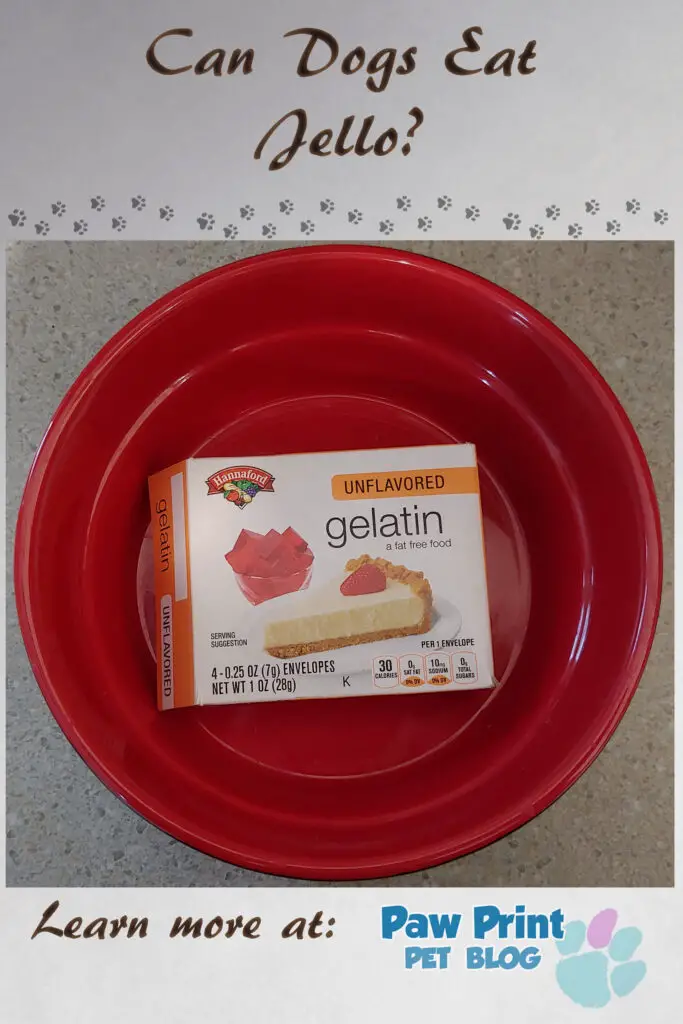
Image Source: www.pawprintpetblog.com
The Core Question: Can Dogs Eat Jello?
Let’s be clear: store-bought, flavored jello is not for dogs. It might seem like a fun, jiggly treat. But it holds hidden dangers for your pet. Your dog’s health is too important to risk with such items.
Why Most Jello Is Bad for Dogs
Most jello found in stores is packed with things dogs should not eat. These include:
- Sugar: Too much sugar is bad for dogs. It offers no real nutrients. It can cause weight gain and other health issues.
- Artificial Colors: These add no value. Some dogs might even react poorly to them.
- Artificial Flavors: Similar to colors, these are added chemicals. They serve no good purpose for your dog.
- Artificial Sweeteners: This is the biggest danger. Many sugar-free jello products have xylitol.
The main concern regarding dog jello safety comes from these added ingredients. Always check the label if you are unsure. Better yet, avoid it completely.
Why Store-Bought Jello Is a Bad Idea for Dogs
Taking a closer look at the ingredients will show you why store-bought jello is a no-go. Pet owners need to be very careful. What seems like a harmless human treat can be dangerous for dogs.
Sweeteners and Your Canine Pal
Sweeteners are a major red flag in many human foods, including jello.
h5. Sugar’s Negative Impact
Regular jello contains a lot of sugar. This is just like eating too much candy for people. For dogs, a lot of sugar can lead to:
- Weight Gain: Extra calories quickly add up. This can lead to obesity. Obesity causes many other health problems for dogs.
- Dental Issues: Sugar feeds bad bacteria in the mouth. This can cause tooth decay and gum disease.
- Digestive Upset: Too much sugar can upset your dog’s stomach. It can cause diarrhea or vomiting.
- Diabetes Risk: Over time, a diet high in sugar can increase the risk of your dog getting diabetes. This is a serious health condition.
h5. Artificial Sweeteners Harmful to Dogs
This is where the real danger lies. Many jello products, especially “sugar-free” ones, use artificial sweeteners. Some of these are deadly for dogs.
- Xylitol in Jello Dogs: Xylitol is extremely toxic to dogs. It is found in many sugar-free products. This includes chewing gum, candies, baked goods, and yes, sugar-free jello. Even a small amount of xylitol can cause a rapid and severe drop in blood sugar levels. This condition is called hypoglycemia. It can happen within minutes to hours of eating xylitol. If not treated quickly, it can lead to liver failure and even death. It’s vital to check labels for xylitol. If you see it, do not give that product to your dog.
- Other Artificial Sweeteners: Other sweeteners like aspartame, sucralose, saccharin, and acesulfame potassium are also used. While not as toxic as xylitol, they are still not good for dogs. They can cause digestive problems. They can also mess with your dog’s gut bacteria. It is best to avoid them entirely. Always look for sugar free jello for dogs that specifies “xylitol-free” and also avoids other artificial sweeteners. However, the safest choice is to avoid all artificially sweetened jello.
Artificial Colors and Flavors
These ingredients make jello look and taste more appealing to humans. But they offer no benefit to your dog. In fact, they can be harmful.
- Allergies and Sensitivities: Some dogs can have allergic reactions to artificial colors and flavors. This can show as skin issues, itching, or digestive upset.
- Hyperactivity: Just like in some children, artificial additives can cause hyperactivity in sensitive dogs.
- No Nutritional Value: These chemicals add nothing healthy to your dog’s diet. They just take up space where real nutrients should be.
High Sugar Content
Even if a jello does not have xylitol, it often has a lot of regular sugar. We touched on this already. But it bears repeating. High sugar content is a big problem. It leads to weight gain and dental issues. It can also cause stomach upset. Your dog needs a balanced diet. Jello does not fit into that diet.
Grasping Dog Jello Safety: What to Look For
The best way to keep your dog safe is to check ingredients. Do not assume any human food is safe for dogs. Always read the label.
The only truly safe option is plain unflavored gelatin for dogs. This is simply gelatin powder. It has no added sugar, no artificial sweeteners, no colors, and no flavors.
Why Plain Gelatin Is Different
Gelatin powder is made from collagen. Collagen is a protein found in animal bones, skin, and connective tissues. When cooked, it turns into gelatin. This is the same stuff used to make bone broth. It is pure protein. It has no sugar or chemicals.
Here is what plain unflavored gelatin offers:
- Protein Source: It provides amino acids. These are the building blocks of protein.
- No Harmful Additives: It is free from all the dangerous ingredients found in flavored jello.
- Versatile: You can mix it with dog-safe liquids. This lets you make healthy treats.
When looking for gelatin, make sure the package clearly states “unflavored” and “plain.” Check the ingredients list to be sure there are no hidden sugars or sweeteners.
The Good News: Is Gelatin Good for Dog Joints and More?
While flavored jello is a no-go, plain unflavored gelatin can offer some surprising health benefits for your dog. These benefits come from the collagen it contains.
Joint Health Support
One of the most talked-about benefits of gelatin is its help for joints.
- Building Blocks for Cartilage: Gelatin is full of amino acids like proline and glycine. These are key for making cartilage. Cartilage is the soft tissue that cushions joints. It helps bones move smoothly.
- Less Inflammation: Some studies suggest that gelatin can help reduce inflammation in joints. This can ease pain and stiffness, especially in older dogs. Dogs with arthritis or hip and elbow dysplasia may see some relief.
- Improved Mobility: By supporting healthy cartilage and reducing inflammation, gelatin can help your dog move more easily. This can lead to better quality of life.
Digestive Health Boost
Gelatin can also be good for your dog’s gut.
- Gut Lining Support: Gelatin can help strengthen the lining of the digestive tract. It forms a protective layer. This can help with issues like “leaky gut” syndrome. Leaky gut means that the gut lining is too permeable. This lets toxins and undigested food particles pass into the bloodstream. Gelatin can help seal these gaps.
- Aids Digestion: It can help absorb water in the gut. This makes it easier for food to pass through. It can help prevent constipation. It can also make stools firmer for dogs with loose stools.
- Nutrient Absorption: A healthier gut means better absorption of nutrients from food.
Skin and Coat Health
Just like for humans, gelatin can contribute to a shiny coat and healthy skin for your dog.
- Collagen for Skin Elasticity: Collagen is a main part of skin. It gives skin its strength and elasticity. Gelatin can help keep skin healthy and supple.
- Stronger Hair and Nails: The amino acids in gelatin are also important for healthy hair growth. They can help make your dog’s coat look better. They can also make nails stronger and less prone to breaking.
Boosting Overall Wellness
Adding plain gelatin to your dog’s diet, in small amounts, can be a simple way to support their overall health. It is not a cure-all. But it can be a good addition to a balanced diet. Always talk to your vet before adding new supplements to your dog’s diet. This is especially true if your dog has existing health conditions.
Spotting Trouble: Dog Ate Jello Symptoms
What if your dog accidentally ate jello? Knowing the signs of trouble is vital. Quick action can save your dog’s life, especially if xylitol was involved.
Symptoms of Xylitol Poisoning
If your dog ate jello with xylitol, symptoms can show up fast. They can also be very serious. Seek emergency vet care immediately if you suspect xylitol poisoning.
Symptoms can include:
- Vomiting: Often the first sign.
- Lethargy: Your dog will seem very tired and weak.
- Loss of Coordination: They might stumble, stagger, or act drunk. This is due to low blood sugar affecting the brain.
- Difficulty Standing or Walking: They might collapse.
- Tremors or Shaking: Uncontrolled muscle movements.
- Seizures: In severe cases, low blood sugar can lead to seizures.
- Coma: If untreated, the condition can worsen.
Xylitol poisoning can also cause liver damage or failure. Symptoms of liver damage might not show up for a few days. These include yellowing of gums or eyes (jaundice).
If you know your dog ate something with xylitol, do not wait for symptoms. Go to the vet right away. Time is very important.
Symptoms of Too Much Sugar or Upset Stomach
If the jello did not have xylitol but had a lot of sugar, the symptoms are usually less severe. They are mostly digestive issues.
These can include:
- Diarrhea: Loose or watery stools.
- Vomiting: Throwing up the jello or other food.
- Stomach Discomfort: Your dog might seem restless, whine, or have a bloated belly.
- Loss of Appetite: They might not want to eat their regular food.
These symptoms usually pass within a day or two. But if they are severe, last longer, or your dog seems very sick, call your vet.
What to Do If Your Dog Eats Harmful Jello
- Stay Calm: Panic does not help.
- Identify the Product: Check the packaging of the jello your dog ate. Look for a list of ingredients. Pay special attention to sweeteners.
- Call Your Vet Immediately: This is the most important step. Tell them:
- What your dog ate (product name, flavor).
- How much they ate.
- When they ate it.
- Your dog’s weight and age.
- Any symptoms you have noticed.
- Follow Vet Instructions: Your vet will tell you what to do next. They might tell you to bring your dog in right away. Or they might tell you to watch for symptoms at home. Do not try to make your dog throw up unless your vet tells you to. This can be dangerous if done wrong.
Prevention is always the best path. Keep all human foods, especially those with xylitol or high sugar, out of your dog’s reach.
Choosing Wisely: Can Dogs Have Flavored Jello?
No, dogs cannot have flavored jello. We have gone over the reasons: sugar, artificial colors, artificial flavors, and highly dangerous artificial sweeteners like xylitol. The risks far outweigh any pleasure your dog might get from a quick bite. It is simply not worth the danger to their health.
Instead of flavored jello, think about dog-safe alternatives. These will be much better for your dog. They will still feel like a treat.
Crafting Healthy Canine Treats: Homemade Dog Friendly Gelatin
The best way to give your dog gelatin, if you want to, is to make it yourself. This way, you control every ingredient. You can make sure it’s healthy and safe. This is where homemade dog friendly gelatin comes into play.
Ingredients for Safe Jello
Making safe gelatin for your dog is simple. You only need two main things:
- Plain Unflavored Gelatin Powder: Make sure it is pure gelatin. Check the label. It should have no added sugar, no artificial sweeteners, and no colors or flavors. Brands like Knox Gelatine are often plain.
-
Dog-Safe Liquids: This is where you add flavor naturally and safely.
- Low-Sodium Broth: Chicken, beef, or vegetable broth. Make sure it is truly low-sodium. Also, check for onion or garlic, which are toxic to dogs. Many store-bought broths contain these. It is best to make your own broth at home using dog-safe ingredients.
- Fruit Purees: Use fruits that are safe for dogs. Blend them into a smooth puree. Good choices include:
- Blueberries
- Strawberries
- Raspberries
- Apples (without seeds or core)
- Bananas
- Vegetable Purees: Many vegetables are great for dogs. Cook and blend them.
- Pumpkin (canned, plain, not pie filling)
- Sweet Potato
- Carrots
- Green Beans
- Water: If you want a very simple, pure gelatin.
Simple Recipe Ideas for Homemade Dog-Friendly Gelatin
Here are some easy recipes to get you started.
h5. Basic Broth Gelatin Cubes
This is a great option for a savory treat.
What You Need:
* 1 cup low-sodium, dog-safe broth (chicken, beef, or vegetable)
* 2 tablespoons plain unflavored gelatin powder
* Ice cube tray or silicone mold
Instructions:
1. Warm the Broth: Gently warm about half a cup of the broth in a saucepan. Do not boil it. It just needs to be warm enough to dissolve the gelatin.
2. Dissolve Gelatin: Sprinkle the gelatin powder over the warm broth. Whisk it well until the gelatin fully dissolves. Make sure there are no lumps.
3. Add Remaining Broth: Stir in the rest of the cold broth. This helps cool the mixture.
4. Pour into Molds: Carefully pour the liquid into an ice cube tray or small silicone molds.
5. Chill: Put the molds in the refrigerator for at least 2-4 hours. They need to be firm.
6. Serve: Once firm, pop them out of the molds. Give them to your dog as a treat. Store leftovers in an airtight container in the fridge for up to a week.
h5. Fruity Gelatin Bites
A sweet, healthy option for a hot day.
What You Need:
* 1 cup dog-safe fruit puree (e.g., blueberries, strawberries, bananas)
* 2 tablespoons plain unflavored gelatin powder
* Ice cube tray or silicone mold
Instructions:
1. Prepare Puree: If using fresh fruit, blend it until smooth. If using canned pumpkin, ensure it’s plain.
2. Warm Puree: Take half a cup of the fruit puree. Warm it gently in a saucepan. Do not boil.
3. Dissolve Gelatin: Sprinkle the gelatin powder over the warm puree. Whisk until it fully dissolves.
4. Add Remaining Puree: Stir in the rest of the cold fruit puree.
5. Pour and Chill: Pour the mix into molds. Chill in the fridge for 2-4 hours until firm.
6. Serve: Offer these refreshing treats to your dog. Keep them in the fridge.
h5. Veggie Power Gelatin
A great way to sneak in some healthy vegetables.
What You Need:
* 1 cup cooked and pureed dog-safe vegetables (e.g., sweet potato, carrots, green beans)
* 2 tablespoons plain unflavored gelatin powder
* Ice cube tray or silicone mold
Instructions:
1. Prepare Puree: Cook your chosen vegetables until very soft. Then, mash or blend them into a smooth puree.
2. Warm Puree: Gently warm half a cup of the veggie puree.
3. Dissolve Gelatin: Sprinkle gelatin powder over the warm puree. Whisk until dissolved.
4. Add Remaining Puree: Mix in the rest of the cold veggie puree.
5. Pour and Chill: Pour into molds. Chill until firm, about 2-4 hours.
6. Serve: A healthy, savory treat for your dog. Store in the fridge.
Serving Tips for Homemade Gelatin
- Moderation is Key: Even safe gelatin is a treat. It should not replace a balanced meal. Give in small amounts.
- Introduce Slowly: Give your dog only one or two pieces at first. Watch for any upset stomach.
- Size Matters: Cut the gelatin into small, bite-sized pieces. This prevents choking.
- Not for Puppies: Puppies have sensitive stomachs. It is best to avoid giving them any gelatin. Stick to puppy-specific treats.
- Always Supervise: Always watch your dog when they eat new treats.
Better Choices: Healthy Dog Treat Alternatives
Beyond homemade gelatin, there are many other excellent and healthy dog treat alternatives. These treats offer good nutrition without the risks of processed human foods.
Safe Fruits
Many fruits are wonderful, natural treats. They are full of vitamins and fiber.
- Apples: Remove seeds and core, as they contain cyanide. Cut into small pieces.
- Bananas: A good source of potassium. Give in moderation due to sugar content.
- Blueberries: Small, antioxidant-rich powerhouses.
- Strawberries: Full of Vitamin C.
- Watermelon: Remove seeds and rind. Great for hydration, especially in summer.
- Cantaloupe: Another hydrating option.
Safe Vegetables
Vegetables are low in calories and high in nutrients.
- Carrots: Great for dental health, crunchy and sweet.
- Green Beans: A low-calorie snack.
- Pumpkin: Plain, canned pumpkin (not pie filling) is excellent for digestive health. It can help with both diarrhea and constipation.
- Sweet Potatoes: Cooked and plain are a good source of fiber and vitamins.
- Broccoli: In small amounts, cooked or raw. Can cause gas in some dogs.
- Celery: Crunchy and low-calorie.
Lean Meats
Cooked, plain lean meats are a fantastic protein source.
- Cooked Chicken (Plain): Boiled or baked, without skin or bones.
- Cooked Turkey (Plain): Same as chicken.
- Lean Beef (Plain): Cooked, unseasoned.
Store-Bought Dog Treats
When buying treats, read the labels carefully. Look for:
- Natural Ingredients: Treats made with whole foods.
- No Artificial Additives: Avoid colors, flavors, and preservatives.
- No Xylitol: This is critical.
- Low Sugar: Or no added sugar.
- Limited Ingredients: Simple is often best.
Examples include plain dental chews, biscuits with simple ingredients, or freeze-dried meat treats.
Key Takeaways and Final Advice
When it comes to jello for dogs, remember these key points:
- Avoid Store-Bought Jello: Standard flavored jello and sugar-free jello are dangerous. They often contain sugar, artificial ingredients, and especially toxic xylitol.
- Xylitol Is a Major Threat: Even small amounts of xylitol can cause severe illness or death in dogs. Always check labels.
- Plain Gelatin Can Be Safe: Unflavored gelatin powder, when used in homemade treats, can offer health benefits like joint support and better digestion.
- Make Your Own: The safest way to give your dog gelatin is to make it at home using plain gelatin and dog-safe ingredients.
- Always Consult Your Vet: Before adding any new food or supplement to your dog’s diet, especially if they have health issues.
Your dog’s health is in your hands. Making smart choices about treats is a big part of keeping them happy and healthy. Stick to safe, natural options. Always be informed about what your dog eats.
Frequently Asked Questions (FAQ)
h4. Can dogs eat sugar-free jello?
No, dogs cannot eat sugar-free jello. This is because most sugar-free products contain artificial sweeteners, and xylitol is a common one. Xylitol is extremely toxic to dogs and can cause a rapid drop in blood sugar, liver failure, and even death. It is best to avoid all sugar-free jello for your dog.
h4. Is Jell-O bad for dogs?
Yes, standard Jell-O brand products are bad for dogs. They are full of sugar, artificial colors, and artificial flavors. Sugar-free Jell-O often contains xylitol, which is highly toxic to dogs. For these reasons, never give Jell-O to your dog.
h4. What kind of gelatin is safe for dogs?
Only plain, unflavored gelatin powder is safe for dogs. It should have no added sugar, no artificial sweeteners (like xylitol), and no artificial colors or flavors. This type of gelatin is simply cooked collagen, which can offer health benefits.
h4. Can puppies have jello?
It is best to avoid giving jello, even homemade plain gelatin, to puppies. Puppies have very sensitive digestive systems. Their diet should focus on high-quality puppy food. If you wish to offer treats, stick to puppy-specific treats or small amounts of plain, vet-approved foods.
h4. Can dogs eat fruit-flavored gelatin?
No, dogs cannot eat fruit-flavored gelatin. Whether it’s store-bought or made with fruit puree, if it contains added sugar or artificial sweeteners, it’s unsafe. Even if made with real fruit, if it’s a commercial product, it likely has other unsafe additives. Stick to homemade gelatin made with plain powder and pure, dog-safe fruit purees without any added sugar or sweeteners.
h4. How much plain gelatin can a dog have?
Plain gelatin should only be given in very small amounts as a treat. The amount depends on your dog’s size and individual needs. Start with a very small piece, like half of a homemade gelatin cube, and see how your dog reacts. It’s always best to talk to your vet to get specific advice on how much plain gelatin is appropriate for your dog’s health needs and diet.