
Can I use my human hair trimmer on my dog? The short answer is no, you should not use your human hair trimmer or even your beard trimmer on your dog. These tools are made for human hair, which is very different from dog fur. Using them can hurt your dog, cause cuts, or make the grooming job hard and messy. For safe and good results, you need special pet grooming clippers designed for dogs.
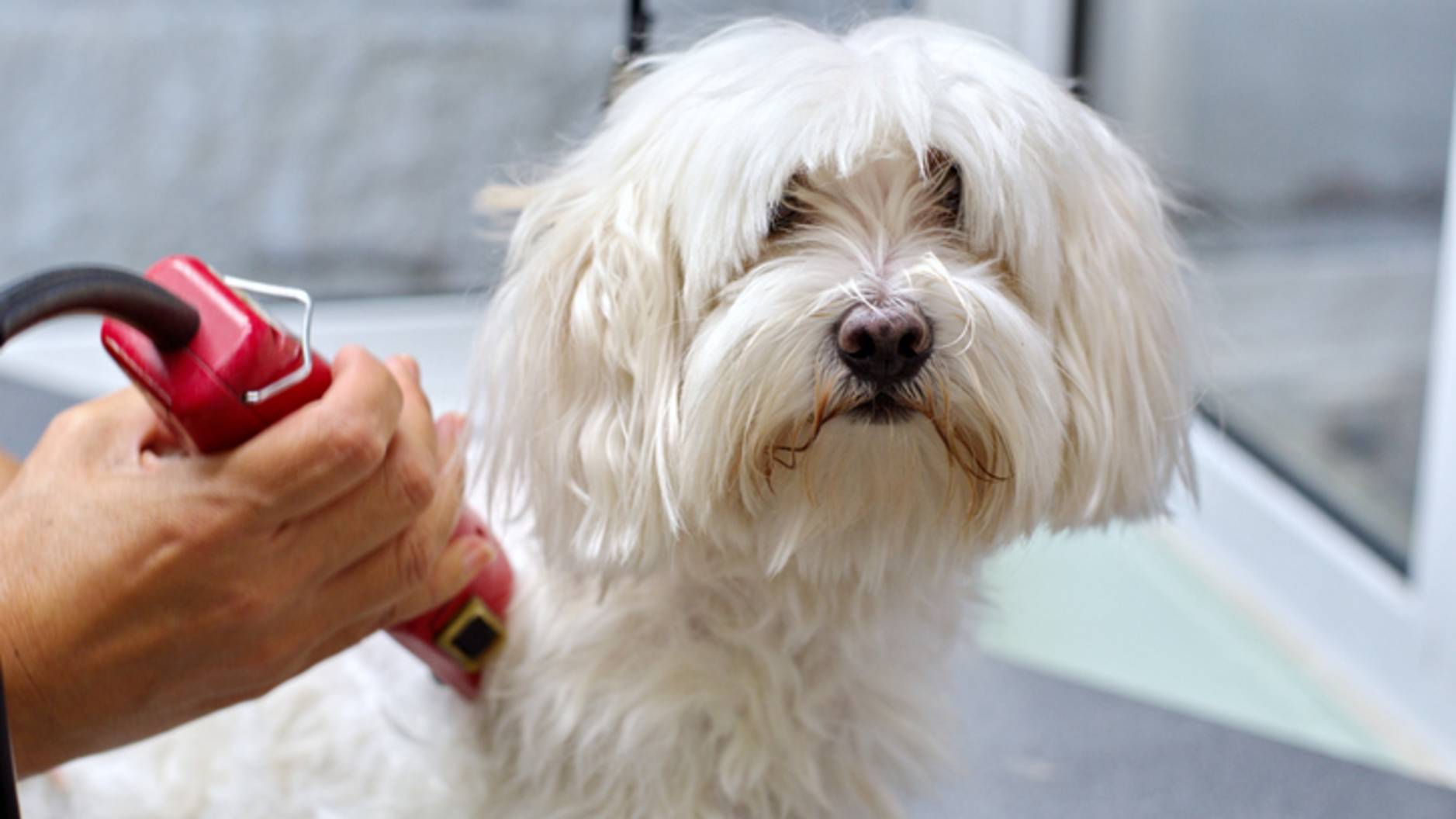
Image Source: cdn.mos.cms.futurecdn.net
Why Human Trimmers Fall Short for Dog Grooming
You might think a hair trimmer is just a hair trimmer. But this is not true, especially when it comes to grooming your dog. There are big differences between tools made for people and tools made for pets. Knowing these differences helps you keep your dog safe.
Blade Design
Human hair is fine and grows from single hair roots. Dog fur is often thick, dense, and can have many layers (like a topcoat and an undercoat). Each hair follicle might have many hairs. This makes a big difference for the blades.
- Human blades: These blades have fine, sharp teeth that are set very close together. They are made to cut single strands of human hair cleanly. When these blades meet a dog’s thick fur, they can pull, snag, and get stuck. This causes pain for your dog. They can also cut the dog’s skin easily. Dog skin is much thinner and looser than human skin.
- Dog blades: Pet grooming clippers have blades with wider spacing between the teeth. The teeth are also stronger and often have rounded tips. This design helps them glide through thick, often matted dog fur. They are made to cut through many hairs at once without pulling. These blades are also made to stay cooler for longer use.
Motor Strength and Speed
Imagine trying to cut a thick rope with small scissors. That’s a bit like using a human trimmer on a dog.
- Human trimmers: These tools have weaker motors. They are built for the relatively light work of cutting human hair. When you try to use them on dense dog fur, the motor can slow down or stop completely. This causes the blades to pull your dog’s hair instead of cutting it. It’s very painful for your dog. A weak motor also means the trimmer can overheat fast.
- Dog clippers: Professional dog clippers and even good quality clippers for home use have powerful motors. These motors are made to work continuously on tough, thick dog coats. They can handle the resistance of dog fur without slowing down. This power helps the blades cut cleanly and quickly. It also helps prevent painful hair pulling. Many good dog clippers also have different speeds. This lets you choose the right speed for different parts of your dog’s body or different fur types.
Noise and Vibration
Dogs have very sensitive hearing. Loud noises can scare them easily.
- Human trimmers: Many human trimmers are quite loud. They often make a high-pitched buzzing sound and vibrate a lot. This can make grooming a very scary and stressful time for your dog. A scared dog might move suddenly, making it harder to groom them safely. It also makes them dislike grooming in the future.
- Quiet dog trimmers: A key feature of good pet grooming clippers is low noise and low vibration. Manufacturers know that dogs get stressed by loud sounds. They design clippers to be as quiet as possible. This helps your dog stay calm during grooming. A calm dog is much easier and safer to groom. Look for clippers that say “quiet” or “low-vibration” on the box.
Heat Generation
Blades get hot from friction when they cut.
- Human trimmers: Because human trimmers have weaker motors and are not made for long, tough jobs, their blades can heat up very quickly. This heat can burn your dog’s skin. Dog skin is very sensitive. A hot blade can cause serious discomfort or even a burn.
- Professional dog clippers: Quality dog clippers are designed to manage heat better. They often have ventilation systems or blades that conduct heat away from the skin. Some even come with two batteries so you can swap them out if one gets hot. Still, you must always check the blade temperature when grooming your dog.
Safety Features
Dog grooming tools are made with your pet’s safety in mind.
- Human trimmers: These tools do not have safety features for pets. They are designed for human use, where the user can feel pain or heat and react.
- Dog clippers: Pet clippers often come with safety features like guard combs. These plastic or metal attachments fit over the blade. They prevent the blade from touching the skin directly. This reduces the risk of cuts and clipper burn. Dog grooming clippers also have specific blade types for different coats and durable casings to protect the motor.
Table: Human Trimmer vs. Pet Grooming Clipper
| Feature | Human Hair Trimmer | Pet Grooming Clipper (Dog) |
|---|---|---|
| Blades | Fine, closely spaced, sharp tips. | Wider teeth, durable, often rounded tips for safety. |
| Motor Power | Lower power, suitable for fine human hair. | High power, designed for thick, matted dog fur. |
| Noise/Vibration | Often high, can scare pets. | Designed for quiet operation, low vibration. |
| Heat Output | Overheats quickly with thick fur. | Better heat dissipation, designed for longer use. |
| Safety | No pet-specific safety features. High risk of cuts/pulls. | Guard combs, specific blade types reduce injury risk. |
| Cost | Generally lower. | Varies, but often higher for quality professional models. |
Choosing the Right Tools: Pet Grooming Clippers
To groom your dog safely and well at home, you need the right tools. Pet grooming clippers are the key. Investing in good quality clippers will make the job easier for you and more comfortable for your dog.
Key Features to Seek in Dog Clippers
When you shop for an electric dog shaver, look for these important features:
- Motor Power: This is very important.
- Single-speed clippers are good for basic grooming or for dogs with simpler coats.
- Multi-speed clippers give you more control. You can use a lower speed for sensitive areas or a higher speed for thick, tough mats (though you should be careful with mats).
- Corded clippers usually have more consistent power. They don’t lose power as the battery runs down. They are good if you have a place to plug them in.
- Cordless clippers offer freedom of movement. They are great if your dog moves around a lot or if you don’t have an outlet nearby. Make sure they have a good battery life.
- Quiet Operation: Always look for quiet dog trimmers. This helps keep your dog calm and reduces stress for both of you. Many brands advertise “low noise” or “silent” features. Read reviews from other pet owners to see how quiet they truly are.
- Blade Material and Type:
- Most dog hair clipper blades are made of steel or ceramic.
- Steel blades are strong and durable. They are the most common.
- Ceramic blades stay cooler longer than steel blades. They are also lighter. However, they can be more fragile if dropped.
- Detachable blades are a must. They let you change blades easily for different cuts. They also make cleaning and oiling much simpler. Look for clippers that use standard A5 style blades. These are interchangeable among many brands.
- Ergonomics: This means how comfortable the clipper feels in your hand. You might be holding it for a long time. A clipper that fits your hand well and is not too heavy will make the job much easier.
- Accessories: Many clippers come with useful extras. These include:
- Comb attachments: These are plastic or metal guards that snap onto the blade. They leave the fur at a specific length. This is crucial for safety and getting an even cut.
- Blade oil: Essential for keeping blades cool and running smoothly.
- Cleaning brush: For brushing hair off the blades.
- Storage case: Helps keep your tools organized and protected.
Different Types of Dog Hair Clipper Blades
Choosing the right blade is just as important as choosing the right clipper. Blades are measured in numbers. A higher number means a shorter cut.
- #10 blade: This is a very common blade. It cuts hair very short, leaving about 1/16 inch. It’s often used for sanitary areas, paw pads, and bellies. It’s a good all-around blade for general use.
- #30 blade: This blade cuts even shorter than a #10, leaving about 1/50 inch. It’s used for very close cuts, often before surgery or for specific show cuts. It’s not usually used for general grooming at home due to the risk of irritation.
- Finish blades (e.g., #7F, #5F, #4F): The “F” means “Finish.” These blades have a full tooth pattern that makes a smooth, finished cut.
- #7F: Leaves about 1/8 inch of hair. Good for a short, smooth body cut.
- #5F: Leaves about 1/4 inch of hair. Good for a slightly longer body cut.
- #4F: Leaves about 3/8 inch of hair. For a medium-length body cut.
- Skip-tooth blades (e.g., #7, #5, #4): These blades have alternating long and short teeth. They are used to cut through matted or thick fur. However, they are riskier for beginners as the skipped teeth can grab skin more easily. It’s usually best to use a finish blade or a comb attachment over a #10 blade.
- Comb attachments: These clip over a #10 or #30 blade. They lift the hair and let the blade cut at a longer, specific length. This is the safest way to achieve longer cuts and a consistent length. They come in many sizes, from 1/2 inch to over 1 inch.
Always make sure your dog hair clipper blades are sharp. Dull blades pull and snag hair, which is painful for your dog. They also leave an uneven cut.
Electric Dog Shaver vs. Manual Shears
- Electric dog shaver (clippers): These are best for doing most of your dog’s body. They offer speed and an even cut, especially on large areas.
- Manual shears (scissors): You will still need good grooming scissors. These are perfect for sensitive areas like around the eyes, ears, and paws where clippers might be too risky. They are also good for finishing touches and blending. Choose blunt-tipped scissors for extra safety around the face.
Grooming Your Dog at Home: Preparation and Safety Tips
Grooming at home can save you money and build a stronger bond with your dog. But safety must always come first. Careful preparation makes the job easier and safer.
Getting Ready for Safe Dog Hair Cutting
- Brush First: This is perhaps the most important step before clipping. Use a slicker brush, a comb, or a de-shedding tool to remove all tangles, knots, and loose hair. If you try to clip through mats, the blades will snag, pull, and cause pain. It can also damage your clippers. For badly matted dogs, you might need to use scissors to carefully cut into the mat (never towards the skin) or seek a professional groomer.
- Bathe and Dry: Always bathe your dog before clipping, if possible. Clean fur is much easier to cut. Dirt, grit, and oils can dull your blades quickly. Make sure your dog is completely dry before you start clipping. Wet fur clogs blades and gives an uneven cut. Use a towel or a pet blow dryer.
- Gather All Dog Grooming at Home Tools: Have everything ready before you start. This includes your quiet dog trimmers, the right blades, various comb attachments, a brush, a comb, grooming scissors (blunt-tipped for safety), blade oil, coolant spray, treats, and a towel. Also, keep styptic powder or a styptic pencil nearby. This stops bleeding quickly if you accidentally nick the skin.
- Choose the Right Space: Pick a calm, well-lit area. Use a non-slip surface, like a grooming table with a rubber mat or a rubber bath mat on a regular table. This prevents your dog from slipping and feeling unsure. Make sure the area is free from distractions.
Techniques for Effective and Safe Grooming
Patience and a gentle touch are key.
- Start Slow: Let your dog get used to the sound and feel of the quiet dog trimmers. Turn them on near your dog first. Let your dog sniff them. Give treats. Gently touch the back of the clippers to your dog’s body (with the blades off) so they get used to the vibration. Start clipping in an easy area, like the back or shoulder, where the skin is less sensitive.
- Hold Skin Taut: Always use your free hand to pull the skin flat and tight where you are clipping. Dog skin is very loose and can easily get caught in the blades. Holding the skin taut makes a flat surface for the blade to glide over. This prevents nicks and cuts.
- Clip with the Grain (First Pass): For a natural look and to prevent skin irritation, clip the fur in the direction it grows (with the grain). This leaves a slightly longer, smoother cut. If you want a much shorter cut, you can try clipping against the grain, but do so with great care and only after your dog is used to grooming. Clipping against the grain can irritate the skin.
- Short Strokes: Use short, smooth strokes. Do not press hard. Let the clipper do the work. Overlapping strokes slightly will ensure an even cut.
- Watch for Hot Blades: Blades can get very hot. Stop every few minutes to touch the blade to the back of your hand. If it feels too hot for your hand, it’s too hot for your dog’s skin. Use a blade coolant spray to cool them down. You might also need to swap blades if you have an extra set.
- Sensitive Areas: These areas need extra care.
- Paws: Be careful around the paw pads and between the toes. The skin is thin here. Use a #10 blade or smaller, or grooming scissors.
- Ears: Hold the ear leather flat and away from the blade. Use clippers on the outside, but scissors on the inside or around the edges.
- Face: Use blunt-tipped scissors around the eyes and muzzle. If using clippers, use a very small blade with a guard, and always hold the skin tight.
- Armpits and Belly: The skin is very thin and folds easily here. Be extra careful.
- Sanitary Area: Use a #10 blade very carefully for hygiene. Pull the skin taut and always clip away from sensitive parts.
- Breaks and Rewards: Keep grooming sessions positive. Give your dog breaks often. Offer praise and treats for good behavior. If your dog gets stressed, stop and try again later. Never force your dog.
Specific Considerations for Grooming Long Haired Dogs
Grooming long haired dogs can be a bit more challenging due to their dense coats and tendency to mat. Breeds like Shih Tzus, Poodles, Golden Retrievers, and Old English Sheepdogs need special attention.
Special Care for Lush Coats
- Heavy Pre-Brushing: This is even more vital for long-haired dogs. They often have a thick undercoat that sheds. If this undercoat is not brushed out, it can form large, painful mats. Use de-shedding tools and slicker brushes daily or weekly. This will make clipping much easier and safer.
- Blade Choice for Length: For long-haired breeds, you will likely use comb attachments over your #10 blade to leave more length. If you want a shorter cut, consider a #4F or #5F finishing blade. These blades are designed to give a smooth, even finish on longer coats.
- Handling Mats: If your long-haired dog has mats, never try to clip straight through them with a regular blade. This is extremely painful and can pull the skin, causing severe injury.
- Small, loose mats: You might be able to tease them out with a comb or mat splitter after applying a de-matting spray.
- Large, tight mats: These often need to be cut out using scissors carefully. Cut into the mat, not towards the skin. Or, for severe matting, a professional groomer is the safest option. They have special tools and skills to remove mats without hurting your dog. Sometimes, a severely matted dog needs to be shaved down completely by a vet under sedation.
Maintenance and Care for Your Pet Grooming Clippers
Your pet grooming clippers are an investment. Taking good care of them will make them last longer and perform better. Proper maintenance also ensures safe dog hair cutting.
Keeping Your Tools in Top Shape
- Cleaning Blades: After every grooming session, brush off all hair from the blades using the small cleaning brush that came with your clippers. Then, use a blade wash (a liquid cleaner) to remove any remaining hair, dirt, and oil. Immerse the running blade in the blade wash for a few seconds. This keeps them clean and sharp.
- Oiling Blades: This is crucial. Before, during (if needed), and after each use, put a few drops of blade oil on the teeth and the side rails of the blade. Turn the clipper on for a few seconds to let the oil spread. Oiling reduces friction, keeps the blades cool, and prevents rust. It also helps the blades cut smoothly.
- Cooling Blades: Even with oil, blades can get hot during long grooming sessions. Use a clipper coolant spray to quickly cool down the blades. This spray also cleans and lubricates the blades. Never put a hot blade on your dog’s skin.
- Storage: Always store your clippers and blades in a clean, dry place. A storage case is ideal to protect them from dust and damage.
- Sharpening: Even the best dog hair clipper blades will become dull over time. Dull blades pull hair and make grooming uncomfortable. When your blades start pulling, it’s time to get them sharpened. You cannot sharpen them at home. Send them to a professional blade sharpener who specializes in grooming tools. It’s often smart to have two sets of blades so you can use one while the other is being sharpened.
When to Seek Professional Help
While dog grooming at home can be very rewarding, there are times when calling a professional groomer is the best and safest choice.
Knowing Your Limits
- Severe Matting: If your dog has large, tight mats, trying to remove them yourself can be very painful and dangerous. Professional groomers have the tools and experience to safely remove severe matting, sometimes requiring special techniques.
- Aggressive or Fearful Dogs: If your dog is very scared, anxious, or aggressive during grooming, a professional groomer might be better equipped to handle them. They have training in animal behavior and can use calming techniques or special handling methods to make the experience less stressful.
- Complex Breed Cuts: Some dog breeds have very specific cuts that require a lot of skill and practice. For example, a Poodle’s elaborate clip or a Schnauzer’s traditional cut. If you want your dog to have a breed-specific style, a professional groomer is your best bet. Professional dog clippers and groomers have the expertise.
- Lack of Time or Confidence: Grooming a dog, especially a large or long-haired one, can take a lot of time and effort. If you don’t have the time, or if you simply don’t feel confident enough to do a good job safely, it’s perfectly fine to rely on a professional.
- Skin Issues: If your dog has skin conditions, hot spots, or lumps, a professional groomer can often spot these issues. They can groom around them carefully or advise you to see a vet.
Conclusion
Using your human hair trimmer on your dog is not a good idea. It can cause harm, stress, and lead to poor grooming results. The differences in blade design, motor strength, noise, and heat generation make human clippers unsuitable for dog fur.
Instead, invest in proper pet grooming clippers. Choose quiet dog trimmers with powerful motors and the right dog hair clipper blades. Always prepare your dog by brushing and bathing them. Follow safe dog hair cutting techniques, holding the skin taut and checking blade temperature. Remember to maintain your tools by cleaning and oiling them.
Grooming your dog at home can be a great way to keep them healthy and looking good. But always prioritize their safety and comfort. If you face challenges like severe matting or an anxious dog, or if you simply want a specific cut, do not hesitate to seek help from a professional groomer. Your dog’s well-being is always the most important thing.
Frequently Asked Questions (FAQ)
Can I use my beard trimmer on my dog?
No, you should not use your beard trimmer on your dog. Beard trimmers are a type of human hair trimmer. They have fine blades and weak motors not suited for a dog’s thick fur. Using them can pull your dog’s hair, cause skin irritation, or even cuts. Always use clippers made for dogs.
What is the best type of electric dog shaver for beginners?
For beginners, a good corded or cordless electric dog shaver with a quiet motor and detachable A5 blades is best. Look for a clipper that comes with comb attachments (guards) to help you get an even length and avoid cutting too short. A #10 blade is a good starting blade for many general purposes.
How often should I groom my dog with an electric dog shaver?
The frequency of grooming depends on your dog’s breed, coat type, and lifestyle. Some dogs need grooming every 4-6 weeks, while others might only need it a few times a year. Dogs with continuously growing hair (like Poodles, Shih Tzus) need more frequent grooming. Dogs with double coats that shed seasonally might need less clipping but more brushing.
What are common mistakes people make when doing dog grooming at home?
Common mistakes include not brushing the dog thoroughly before clipping (leading to painful pulling), using dull blades, not oiling the blades (causing overheating), not checking blade temperature, trying to rush the process, and not holding the skin taut, which can lead to nicks and cuts.
How do I prevent clipper burn on my dog?
To prevent clipper burn, always use clean, oiled blades. Check the blade temperature often by touching it to the back of your hand. If it’s hot, cool it down with a coolant spray or swap to a fresh, cool blade. Do not press too hard when clipping. Ensure your dog’s coat is clean and tangle-free.
Are professional dog clippers really worth the cost?
Yes, professional dog clippers are often worth the cost if you plan to groom your dog regularly at home. They have stronger motors, are designed to last longer, stay cooler, and are much quieter. This makes the grooming process safer, faster, and more comfortable for your dog, saving you money on professional groomer visits in the long run.