
Can I Use My Hair Conditioner On My Dog? Dangers Explained.
No, you should not use your human hair conditioner on your dog. It is not safe. Human conditioners have ingredients and a pH balance that are harmful to your dog’s skin and coat. Using them can cause many problems. These include skin irritation, allergic reactions, and even toxic effects if your dog licks their fur. This article will show you why human products are bad for dogs. We will explain the dangers and help you choose safe options.
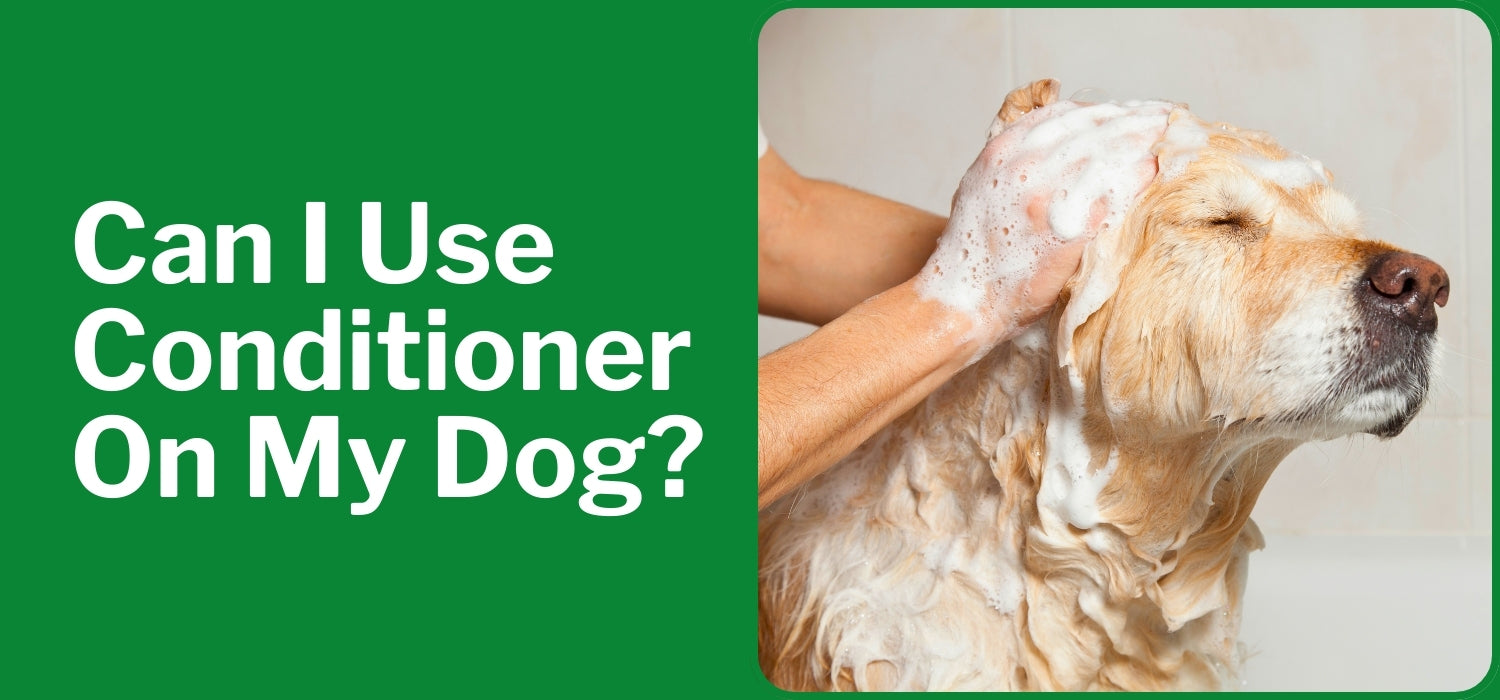
Image Source: thedogdoctors.co.uk
The Core Issue: Why Human Products Are Bad for Dogs
Dogs are not just furry people. Their bodies work differently than ours. This includes their skin. What works for your hair can harm your dog. It is important to know these differences. This helps keep your dog safe and healthy.
Grasping Skin Differences: Dog vs. Human pH
Your skin and your dog’s skin are very different. One big difference is their pH level. pH measures how acidic or alkaline something is. It goes from 0 (very acidic) to 14 (very alkaline). A pH of 7 is neutral.
Human skin is acidic. Our pH is usually around 5.5. This low pH helps protect our skin from germs. It also keeps our skin moist.
A dog’s skin is different. Their pH is more neutral. It is usually between 6.2 and 7.4. This means dog skin is less acidic than human skin. It is closer to neutral.
pH Balance Dog vs Human Skin Comparison:
| Feature | Human Skin pH | Dog Skin pH |
|---|---|---|
| Average Range | 4.5 – 6.0 | 6.2 – 7.4 |
| Nature | Acidic | More Neutral |
| Protection | Acid mantle | Different oil/acid mantle |
| Product Needs | Acidic to neutral products | Neutral to slightly alkaline products |
When you use human conditioner on your dog, you mess up their skin’s natural pH. Human conditioners are made for acidic skin. They are often more acidic than what a dog needs. This can strip away the natural oils from your dog’s skin.
What happens when a dog’s skin pH is off?
* Dry Skin: Their skin becomes very dry and flaky.
* Irritation: Their skin gets itchy, red, or sore.
* Infections: Harmful bacteria or fungi can grow easily. This leads to skin infections.
* Dull Coat: Their fur may look dull and unhealthy.
So, using human conditioner changes their skin’s balance. This makes their skin open to problems.
Harmful Ingredients Lurking in Your Conditioner
Many ingredients in human conditioner are not safe for dogs. Even small amounts can cause issues. Dogs often lick their fur. This means they can swallow chemicals left behind. These chemicals can be very bad for them.
Here are some harmful ingredients in human conditioner for dogs:
- Fragrances/Perfumes: These make conditioners smell nice. But they often contain many chemicals. Some, like phthalates, are very bad for dogs. Fragrances can cause skin irritation. They can also trigger allergies. If swallowed, they can upset a dog’s stomach or cause more serious issues.
- Preservatives (Parabens, Formaldehyde Releasers): These stop mold and bacteria from growing in the product. But parabens can mess with hormones. Formaldehyde releasers can cause skin reactions. They are also known to cause cancer in larger amounts.
- Sulfates (SLS, SLES): These are strong cleaning agents. They are in many shampoos and conditioners to make foam. But sulfates strip natural oils. This leads to very dry skin. They can also cause irritation. They are especially harsh on a dog’s sensitive skin.
- Dyes/Artificial Colors: These add color to the conditioner. They serve no purpose for your dog’s coat or skin. Many dyes are made from petroleum. They can cause skin irritation or allergic reactions.
- Propylene Glycol: This is a common humectant. It helps skin absorb moisture. But it can be irritating. In large amounts, it is toxic to dogs, especially if swallowed.
- Phthalates: These chemicals make fragrances last longer. They can also make plastics softer. Phthalates are known to harm hormones. They can also affect organ systems. They are very dangerous if a dog licks them off their fur.
- Alcohol: Many conditioners have alcohol to help dry faster or to thin the product. Alcohol is very drying to skin. It can cause a lot of irritation and flakiness on a dog’s coat.
- Some Essential Oils: While some essential oils are natural, many are toxic to dogs. Tea tree oil, peppermint oil, and citrus oils are examples. They can cause skin burns, vomiting, tremors, or even liver damage if ingested or absorbed through the skin. Human conditioners may contain these oils.
These ingredients can build up on your dog’s skin. They can cause a lot of harm over time.
The Dangers: Side Effects Human Conditioner on Dog
Using human conditioner on your dog can lead to many health problems. These problems can range from mild skin issues to serious health crises. It is crucial to be aware of these risks.
Here are common side effects human conditioner on dog:
- Skin Irritation: This is often the first sign. Your dog’s skin may become red, inflamed, or itchy. They might scratch or lick more than usual. This can lead to raw spots or rashes.
- Dry Skin and Dandruff: The wrong pH and harsh chemicals can strip your dog’s natural oils. This makes their skin very dry. You might see white flakes (dandruff) in their fur.
- Allergic Reactions: Dogs can be allergic to the chemicals in human conditioner. Signs include hives, swelling, redness, or even breathing problems. In severe cases, it can lead to anaphylactic shock.
- Hair Loss or Coat Damage: Over time, the harshness can damage hair follicles. This can lead to thinning fur or patches of hair loss. The coat may become brittle, dull, or greasy.
- Toxicity from Ingestion: Dogs lick their fur. If they lick off conditioner, they can swallow the chemicals. This can cause stomach upset, vomiting, diarrhea, or even poisoning. Toxic ingredients can harm their liver, kidneys, or nervous system.
- Fungal or Bacterial Skin Infections: When the skin barrier is damaged, it is easier for bad germs to grow. This can lead to painful fungal or bacterial infections. These often need vet visits and medicine.
- Hot Spots: These are moist, red, painful skin sores. They often start when a dog scratches or licks an itchy spot too much. Human conditioner can cause the initial itchiness.
- Eye Irritation: Conditioner can get into your dog’s eyes during a bath. The chemicals can cause pain, redness, or even eye damage.
These side effects highlight why using human products on dogs is not a good idea. Always choose products made for dogs.
Can Human Shampoo Be Used on Dogs? A Related Caution
Just like conditioner, human shampoo should not be used on dogs. The reasons are very similar. Both products are made for human skin and hair.
Human shampoos often have a pH that is too acidic for dogs. They also contain harsh detergents, strong fragrances, and other chemicals. These can strip a dog’s natural oils. This leads to dry, itchy skin. It can also cause skin irritation and infections.
Some people think “baby shampoo” is safe for dogs. This is also not true. While baby shampoo is milder than adult shampoo, it is still made for human skin. It still has a different pH than a dog’s skin needs. It might also have ingredients that are not good for dogs if swallowed.
So, the rule is simple: if it is for humans, do not use it on your dog. This applies to both shampoo and conditioner.
Opting for Safety: Best Dog Conditioner for Dry Skin
If your dog has dry, itchy skin or a dull coat, they need a good conditioner. But it must be a dog-specific conditioner. Look for products made to help with dry skin. These products will have the right pH and gentle ingredients.
What to look for in the best dog conditioner for dry skin:
- pH Balanced for Dogs: This is the most important thing. The product should clearly state it is pH balanced for dogs. This protects their skin.
- Moisturizing Ingredients: Look for natural moisturizers.
- Oatmeal: Very soothing for itchy, dry skin.
- Aloe Vera: Helps calm irritation and adds moisture.
- Shea Butter: A rich moisturizer that helps soften the coat.
- Coconut Oil (topical grade): Helps hydrate skin and fur.
- Hypoallergenic Formulas: These are made for sensitive skin. They have fewer common irritants.
- Free from Harsh Chemicals: Avoid sulfates, parabens, dyes, strong fragrances, and alcohol. Read the label carefully.
- Natural and Gentle: Products with natural extracts are often better. They should be mild enough for regular use.
A good dog conditioner will help restore moisture to your dog’s skin. It will also make their fur soft, shiny, and easy to comb. It can help prevent future skin problems.
Decoding Dog Friendly Conditioner Ingredients
Knowing what to look for on a label can feel hard. But some ingredients are known to be safe and helpful for dogs. These are the “dog friendly conditioner ingredients” you want to see.
Here are some excellent ingredients for dog conditioners:
- Oatmeal: Colloidal oatmeal is finely ground oats. It is great for soothing itchy, inflamed, and dry skin. It creates a protective barrier on the skin.
- Aloe Vera: This plant extract is known for its calming properties. It helps reduce redness and adds moisture to dry skin.
- Shea Butter: A natural fat from the shea nut. It is deeply moisturizing. It helps soften fur and heal dry skin.
- Coconut Oil (topical grade): When used topically, coconut oil can help condition the fur. It adds shine and moisture to dry skin. Make sure it’s meant for pets.
- Vitamin E: An antioxidant that helps protect skin cells. It can also support a healthy coat.
- Glycerin: A humectant. It attracts moisture from the air to the skin. This keeps the skin hydrated.
- Chamomile: Has calming and anti-inflammatory properties. It can soothe irritated skin.
- Hydrolyzed Proteins (like Keratin or Silk Protein): These are broken-down proteins. They can help strengthen hair shafts. They also make the coat smoother and more manageable.
- Omega Fatty Acids (like from Flaxseed Oil): These can improve skin health and coat shine. They often come from plant sources in topical products.
- Panthenol (Pro-Vitamin B5): Helps to hydrate and improve the elasticity of the hair. It makes the coat smoother and shinier.
Always check the full ingredient list. If you see a long list of chemicals you do not know, or strong fragrances, it is best to avoid it. Simpler is often better for your dog.
Natural Conditioner for Dogs: DIY and Commercial Options
Many people look for natural ways to care for their dog’s coat. There are “natural conditioner for dogs” options available. These include both store-bought products and some DIY methods.
Commercial Natural Dog Conditioners:
Many pet brands now offer natural conditioners. These often use plant-based ingredients. They avoid harsh chemicals. Look for labels that say:
* “Natural”
* “Organic”
* “Sulfate-free”
* “Paraben-free”
* “Dye-free”
* “Fragrance-free” (or natural essential oils that are dog-safe)
Always read reviews and check the ingredients. Even “natural” products can have ingredients that some dogs react to.
DIY Natural Conditioner Options (Use with Caution and Vet Approval):
While some natural ingredients can be helpful, always talk to your vet first. This is especially true if your dog has skin issues. Some “natural” things can still cause problems.
- Apple Cider Vinegar Rinse: A very diluted solution (1 part ACV to 10-20 parts water) can help balance skin pH. It can also help with dandruff and itching. Rinse it off well after a few minutes. Do NOT use it on open wounds or irritated skin.
- Aloe Vera Gel: Pure aloe vera gel (not from a plant, but a pet-safe product) can be applied directly to dry patches. It soothes and moisturizes. Make sure it does not contain alcohol or other additives.
- Diluted Coconut Oil Mask: Warm a small amount of virgin coconut oil. Gently massage it into your dog’s dry fur and skin. Leave it on for 5-10 minutes. Then, shampoo it out thoroughly. This can be very moisturizing. Be careful not to use too much, as it can make fur greasy if not rinsed fully. Only use food-grade coconut oil.
Remember, DIY options are not always suitable for every dog. Your vet can tell you if they are safe for your pet.
Vet Recommendations Dog Hair Products: Trust the Experts
When it comes to your dog’s health, your vet is the best source of advice. This includes advice on “vet recommendations dog hair products.” If your dog has ongoing skin problems, a vet visit is a must.
Why vet input is crucial:
* Diagnosing Underlying Issues: Dry skin or a dull coat can be a sign of a bigger health problem. This could be allergies, infections, parasites, or even a nutritional problem. Your vet can find the true cause.
* Medicated Shampoos/Conditioners: If your dog has a skin infection, allergies, or other conditions, your vet might prescribe special medicated products. These are not found in regular stores. They are made to treat specific problems.
* Tailored Advice: Your vet knows your dog’s breed, age, health history, and local environment. They can suggest products best suited for your dog’s unique needs. For example, a dog with a thick double coat might need different products than a dog with short hair.
* Preventive Care: Vets can also recommend products for general health and coat maintenance. They can help you set up a bathing schedule that is right for your dog.
Do not guess when your dog has skin issues. A quick trip to the vet can save your dog from pain and solve the problem fast. They can also tell you about products that are safe and effective.
Beyond Conditioning: Pet Safe Detangler Spray
For dogs with long or thick coats, tangles are a common problem. Brushing can be hard. A “pet safe detangler spray” can help a lot. Just like with conditioners, human detanglers are a no-go.
Why you need a dog-specific detangler:
* Safe Ingredients: Pet detanglers are made with ingredients that are safe if licked. They usually avoid harsh chemicals, silicones, and alcohol.
* pH Balanced: They are made for a dog’s skin and coat.
* Gentle on Fur: They help loosen knots without pulling or damaging the hair.
What to look for in a pet safe detangler spray:
* Silicone-Free: Some silicones can build up on fur. This can make it feel greasy or heavy.
* Alcohol-Free: Alcohol is drying and irritating.
* Natural Extracts: Look for things like aloe vera, argan oil, or coconut oil. These add moisture and slip.
* Lightweight Formula: It should not make the coat sticky or heavy.
How to use a detangler spray:
1. Spray a light mist directly onto the tangled area.
2. Let it sit for a few minutes. This allows the spray to work.
3. Gently work out the knot with your fingers or a wide-toothed comb.
4. Always brush your dog before and after bathing. This helps prevent mats.
Using a pet-safe detangler can make grooming much easier. It also makes it more comfortable for your dog.
Comprehensive Guide to Bathing Your Dog Safely
Bathing your dog is a key part of grooming. Doing it right keeps them clean and healthy. Follow these steps for a safe bath:
- Brush Before Bathing: Always brush your dog thoroughly before getting them wet. This helps remove loose fur, dirt, and any mats or tangles. Water can make mats worse and harder to remove.
- Gather Supplies: Get everything ready beforehand. You will need:
- Dog-specific shampoo (diluted if needed)
- Dog-specific conditioner
- Towels (lots of them!)
- A brush or comb for after the bath
- Treats for rewards!
- Use Lukewarm Water: Test the water temperature on your wrist. It should be comfortably warm, not hot or cold.
- Wet Your Dog Thoroughly: Gently wet your dog from head to tail. Be careful around their eyes and ears. You can put cotton balls in their ears to keep water out.
- Apply Dog Shampoo Gently: Apply the dog shampoo. Start from the neck and work your way down. Massage it into their coat. Make sure to get all the dirty spots. Avoid their face and eyes.
- Rinse Thoroughly (Crucial Step): This is one of the most common mistakes. Rinse your dog completely. Any shampoo left behind can cause skin irritation or dry patches. Rinse until the water runs clear and no suds are left.
- Apply Dog Conditioner: After rinsing the shampoo, apply the dog conditioner. Work it into their coat. Let it sit for the time stated on the product label. This is usually a few minutes.
- Rinse Conditioner Completely: Just like with shampoo, rinse the conditioner off completely. It is important to get all of it out. Residue can lead to greasy fur or skin issues.
- Towel Dry: Use a towel to absorb as much water as possible. Gently squeeze and pat their fur. Do not rub too hard, as this can cause tangles.
- Air Dry or Low-Heat Blow Dry: Let your dog air dry in a warm spot. Or, use a pet-specific blow dryer on a low, cool setting. Never use a human blow dryer on high heat. This can burn your dog’s skin.
- Reward: Give your dog lots of praise and treats. This makes bath time a positive experience.
Regular, proper bathing helps keep your dog’s skin and coat healthy.
Signs of a Bad Reaction
Even with the best care, sometimes a dog can have a reaction to a new product. Or they might show signs of problems from past misuse of human products. Knowing what to look for is important.
Watch for these signs after a bath or if you suspect problems:
- Excessive Scratching or Licking: This is often the first sign of irritation. Your dog might scratch or lick certain spots more than usual.
- Redness, Rash, or Bumps: Check their skin. You might see red patches, small bumps, or a rash.
- Flaky Skin or Dandruff: White flakes in their fur mean their skin is dry.
- Greasy or Dull Coat: Their fur might look oily or lack shine. This can mean product residue or skin imbalance.
- Hair Loss: Patches of hair loss can point to skin damage or infection.
- Strong Odor: A bad smell can mean a bacterial or fungal infection.
- Lethargy, Vomiting, Diarrhea: If your dog licked off a harmful product, they might show signs of being sick. This could include being tired, throwing up, or having loose stools.
- Eye Irritation: If they got conditioner in their eyes, they might rub their eyes, blink a lot, or have red, watery eyes.
If you see any of these signs, contact your vet right away. Do not try to treat it yourself. Your vet can figure out the problem and give the right treatment. Early action can stop small problems from becoming big ones.
Conclusion
Using human hair conditioner on your dog is a big risk. It can cause many problems. Their skin has a different pH than ours. Human products have harsh chemicals. These things are simply not safe for your dog.
Always choose products made specifically for dogs. Look for pH-balanced shampoos and conditioners. Choose those with gentle, natural ingredients. If your dog has dry skin or other issues, talk to your vet. They can help you find the best products for your dog’s needs.
Your dog’s health and comfort depend on your choices. By using the right products, you keep their skin healthy. You also keep their coat shiny and soft. This makes your dog happy and safe.
Frequently Asked Questions (FAQ)
Is human conditioner safe for dogs?
No, human conditioner is not safe for dogs. It has a different pH level than a dog’s skin needs. It also contains harsh chemicals and fragrances. These can cause skin irritation, dryness, allergic reactions, or even poisoning if swallowed.
What if my dog licks human conditioner?
If your dog licks human conditioner, watch them closely. They might get an upset stomach, vomit, or have diarrhea. Some ingredients are toxic. If they show any serious signs like lethargy, tremors, or severe vomiting, call your vet or an animal poison control center right away.
How often should I condition my dog’s fur?
The frequency depends on your dog’s breed, coat type, and skin condition. Most dogs do not need conditioner every time they are bathed. For dogs with long fur, dry skin, or a dull coat, conditioning every 2-4 weeks might help. Always use a dog-specific conditioner. Talk to your vet or groomer for advice specific to your dog.
Can I use baby conditioner on my dog?
No, you should not use baby conditioner on your dog. While baby products are milder than adult ones, they are still made for human skin. They do not have the correct pH for dogs. They may also contain ingredients that are not safe if ingested by pets.
What ingredients should I avoid in dog conditioner?
When buying dog conditioner, avoid products that contain:
* Strong artificial fragrances or perfumes
* Parabens (e.g., methylparaben, propylparaben)
* Sulfates (e.g., Sodium Lauryl Sulfate, Sodium Laureth Sulfate)
* Artificial dyes or colors
* Alcohol
* Propylene Glycol
* Phthalates
* Certain essential oils (e.g., tea tree oil, peppermint oil, citrus oils) unless specifically stated as dog-safe and in proper dilution.