
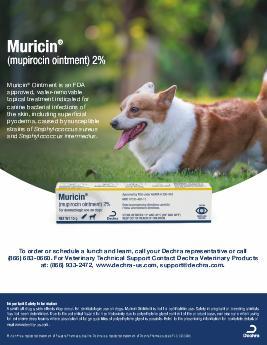
Image Source: www.dechra-us.com
Can I Use Mupirocin Ointment On My Dog? Safety Guide
Yes, you can use mupirocin ointment on your dog, but only if your veterinarian tells you to. Mupirocin is an antibiotic medicine. It is safe for dogs when used the right way and for the right problems. It helps treat certain skin infections caused by bacteria. Always talk to your vet before you use any medicine on your dog, even creams. They will tell you if mupirocin is the right choice for your dog and how to use it safely. This guide will help you learn more about mupirocin for dog skin infection and its safe use.
What Is Mupirocin?
Mupirocin is a type of medicine called an antibiotic. It works to stop the growth of certain germs called bacteria. These bacteria often cause skin infections. Mupirocin comes as a cream or ointment. It is put right onto the skin where the infection is.
The goal of mupirocin is to kill or stop bacteria. This helps your dog’s skin heal. For people, mupirocin is known by the brand name Bactroban. So, if you hear about Bactroban for dogs, it means the same medicine. It is a common choice for dog bacterial skin infection treatment.
How Mupirocin Works
Mupirocin stops bacteria from making important proteins. Bacteria need these proteins to grow and spread. When bacteria cannot make these proteins, they cannot multiply. This makes it easier for your dog’s body to fight off the infection. Or, the bacteria simply die off.
Because mupirocin works in a special way, it is often good against bacteria that other medicines might not kill. This makes it a useful tool for vets. It targets specific types of bacteria that often cause skin issues in dogs.
Formulations and Availability
Mupirocin is mostly found as a cream or an ointment. These forms are meant for putting on the skin. You cannot give this medicine by mouth. It is only for outside use.
- Ointment: This form is often thicker. It stays on the skin longer.
- Cream: This form may spread more easily.
Your vet will pick the best form for your dog’s needs. The strength of the medicine is usually 2%. This means 2 grams of mupirocin are in every 100 grams of the cream or ointment. It is important to use the specific veterinary mupirocin ointment or cream your vet gives you. Do not use human mupirocin without a vet’s clear OK. Some human products might have other ingredients not good for dogs.
When to Use Mupirocin on Dogs
Mupirocin is a powerful tool for certain skin problems. Vets use it when they find a bacterial skin infection. It is not for all skin issues. It works best when bacteria are the main problem.
Treating Dog Skin Infections
One main use for mupirocin is general dog bacterial skin infection treatment. Dogs can get skin infections for many reasons. This includes allergies, flea bites, or cuts that get infected. These infections often cause redness, itching, and pus.
Mupirocin helps clear up these infections. It stops the bacteria from getting worse. This helps your dog feel better faster. The skin can then start to heal.
Hot Spots
Mupirocin for dog hot spots is a very common use. Hot spots are also called acute moist dermatitis. They are red, sore, and often wet skin patches. Dogs make them worse by licking, chewing, or scratching too much. This damages the skin. Bacteria then grow very quickly in the damaged area.
Hot spots are painful and can spread fast. Mupirocin helps by killing the bacteria in the hot spot. This stops the infection from getting worse. It also helps the hot spot dry out and heal.
Canine Pyoderma Treatment
Pyoderma is a medical word for bacterial skin infection. When your vet talks about canine pyoderma treatment, mupirocin might be one of their first choices. Pyoderma can be on the surface of the skin or deeper.
- Surface pyoderma: This is when the infection is just on the top layers of the skin. Things like skin folds or hot spots can be surface pyoderma.
- Deep pyoderma: This is when the infection goes deeper into the skin. It is more serious. Mupirocin can help with deep pyoderma too, but it might be used with other medicines, like pills.
Mupirocin is especially good for pyoderma caused by a common type of bacteria called Staphylococcus. This is a very common germ found on dog skin.
Other Uses
Sometimes, vets might use mupirocin for other problems. This could include:
- Infected wounds: If a small cut or scrape gets infected with bacteria.
- Skin fold infections: Some dog breeds have many skin folds. These folds can get moist and trap bacteria, leading to infection. Mupirocin can help here.
- Minor abscesses: Small pockets of pus on the skin.
Always remember that mupirocin is an antibiotic. It only works on bacteria. It will not work on infections caused by fungi (like ringworm) or viruses. Your vet must know what is causing your dog’s skin problem to pick the right medicine.
Safety First: Is Mupirocin Safe for Dogs?
Many dog owners worry about using human medicines on their pets. It is a good concern to have. For mupirocin, the short answer is yes, is mupirocin safe for dogs when a vet tells you to use it. However, “safe” means used the right way and for the right reasons.
Veterinarian Guidance Is Key
The most important rule is to always get advice from your veterinarian. They know your dog’s full health history. They can tell if mupirocin is the best option. They will also tell you how to use it safely.
Your vet will check your dog’s skin problem. They might take a sample to look under a microscope. This helps them know exactly what kind of infection your dog has. This step is key to making sure mupirocin is the right medicine.
How It Is Absorbed
Mupirocin is a topical medicine. This means it goes on the skin. It does not get absorbed into the body much. This is a good thing for safety. It means less chance of problems with other organs inside the body. Most of the medicine stays right where you put it. This helps it work directly on the skin infection.
Because so little gets into the bloodstream, it is generally safer than medicines your dog takes by mouth. Still, some small amount can be absorbed, especially if the skin is very broken or raw.
When It Might NOT Be Safe
Even though mupirocin is generally safe, there are times when it might not be the best choice or could cause problems:
- Very deep wounds: Mupirocin is best for surface or mild to moderate deep skin infections. For very deep or large wounds, your vet might pick a different treatment or combine mupirocin with other medicines.
- Allergic reactions: Some dogs can be allergic to mupirocin. This is rare but can happen. If you see signs of allergy (more redness, swelling, hives, or trouble breathing), stop using it and call your vet right away.
- Licking: If your dog licks the ointment, it can cause problems. It might upset their stomach, leading to vomiting or diarrhea. It can also make the infection worse if the medicine is licked off. We will talk more about preventing licking soon.
- Certain medical conditions: If your dog has kidney problems, your vet might be more careful. Even though little medicine is absorbed, vets might still adjust things for dogs with serious health issues.
- Not for non-bacterial issues: If the skin problem is from a fungus, virus, or allergy without infection, mupirocin will not help. Using it could even delay the right treatment.
How to Use Mupirocin on Dogs
Using veterinary mupirocin ointment the right way is very important. This helps the medicine work well and keeps your dog safe. Always follow your vet’s specific directions.
Cleaning the Area
Before you put on the ointment, it is a good idea to clean the infected area. Your vet might tell you to gently wash it with a mild antiseptic wash. You might also need to trim the fur around the area. This helps the medicine reach the skin better. It also makes it easier to keep the area clean.
- Trim hair: Use blunt-nosed scissors or electric clippers. Be very careful not to cut your dog’s skin.
- Clean gently: Use warm water and a vet-approved antiseptic wash if told to. Pat dry gently.
Applying the Ointment
Mupirocin is a thin layer applied directly to the skin.
- Wash your hands: Always wash your hands well before and after touching the infected area or the ointment.
- Use a small amount: A very thin layer is all you need. Do not glob it on.
- Rub in gently: Gently rub the ointment into the skin. Make sure it covers the whole infected spot.
- Frequency: Your vet will tell you how often to put it on. This is usually 2 to 3 times a day.
Mupirocin Dosage for Dogs
There is no set mupirocin dosage for dogs in terms of milligrams per pound of body weight, like with pills. Because it is a topical medicine, the dose is about how much you apply and how often.
Your vet will tell you:
- How much to use: Usually, a very thin film covering the affected skin.
- How often to apply: Typically 2-3 times a day.
- How long to use it: This is very important. You must use it for as long as your vet says, even if the skin looks better. Stopping too soon can make the infection come back or become harder to treat.
A common course might be 7 to 14 days. For deep infections, it could be longer. Never stop using the medicine without talking to your vet first.
Preventing Licking
This is one of the biggest challenges when using topical medicines on dogs. Dogs lick their wounds. This is a natural behavior. But licking off the mupirocin can stop it from working. It can also cause problems for your dog.
If your dog licks the ointment, they might swallow some. This can lead to:
- Upset stomach: Vomiting, diarrhea.
- Taste issues: Mupirocin might taste bad, making your dog drool or foam at the mouth.
- Medicine not working: If it is licked off, it cannot treat the infection.
To stop licking:
- Elizabethan Collar (E-collar/Cone of Shame): This is the most effective way. It keeps your dog from reaching the treated area.
- Bandages: For some areas, a light bandage might help. Make sure it is not too tight. Change it as your vet says.
- Distraction: Right after applying, distract your dog with a treat or a short walk until the ointment absorbs a bit.
- Dog shirts/onesies: Special dog clothing can cover areas on the body.
Your vet will help you pick the best way to prevent licking for your dog and the location of the infection.
Possible Mupirocin Side Effects in Dogs
Like all medicines, mupirocin can cause side effects. Luckily, mupirocin side effects in dogs are usually mild and happen where the medicine is put on the skin. Serious side effects are rare because so little of the medicine gets into the body.
Local Skin Reactions
The most common side effects happen right on the skin where you put the ointment. These include:
- Mild redness: The skin might look a bit redder than before.
- Itching: Your dog might scratch the area a little more.
- Stinging or burning: This can happen when the ointment is first put on. Your dog might act a bit uncomfortable.
- Dryness or flakiness: The skin might become dry or flaky.
If these effects are mild and go away quickly, it is usually nothing to worry about. If they get worse, do not go away, or seem very uncomfortable for your dog, call your vet.
General Side Effects (If Licked)
If your dog manages to lick off a lot of the ointment, they might have more general side effects. This is why preventing licking is so important.
- Upset stomach: Vomiting or diarrhea are the most common signs.
- Excessive drooling: Mupirocin can have a bitter taste. If your dog tastes it, they might drool a lot or foam at the mouth. This is usually just a reaction to the taste and not serious.
- Lack of appetite: Your dog might not want to eat if their stomach is upset.
If your dog licks the ointment and shows these signs, call your vet. They can tell you if you need to do anything.
Allergic Reactions (Rare)
Though rare, some dogs can have an allergic reaction to mupirocin. Signs of an allergic reaction are usually more serious and include:
- Increased swelling: The treated area or even other parts of the body might swell a lot.
- Hives or severe rash: Red, bumpy, very itchy spots on the skin.
- Trouble breathing: Wheezing, panting, or labored breathing.
- Swelling of the face, lips, or tongue.
- Collapse or weakness.
If you see any of these signs, stop using the ointment right away and get your dog to a vet emergency clinic. This is a serious situation.
What to Do If Side Effects Occur
- Stop using the ointment: If you see any worrying side effects, especially if they are getting worse or if your dog seems very uncomfortable.
- Call your veterinarian: Describe what is happening. They will tell you if you need to stop treatment, use less, or come in for a check-up.
- Prevent licking: If the side effect is an upset stomach, it means your dog is likely ingesting the ointment. Double down on preventing licking.
Remember, most dogs use mupirocin without any serious issues. Being aware of the possible side effects helps you know what to watch for.
Important Warnings and Precautions
To use mupirocin safely and effectively, there are a few important things to keep in mind. Following these rules helps ensure your dog gets better without added problems.
Not for All Infections
Mupirocin is an antibiotic. This means it only kills bacteria.
- It will not work for fungal infections. Fungal infections like ringworm need antifungal medicines.
- It will not work for viral infections. Viral infections are different and need different treatments.
- It will not help with non-infectious skin problems. If your dog’s skin problem is just from allergies, dryness, or irritation without bacteria, mupirocin is not the right choice.
Using mupirocin when it is not needed can make bacteria resistant to antibiotics. This means the medicine might not work when it is truly needed in the future. Always get a correct diagnosis from your vet.
Not for Deep or Puncture Wounds
Mupirocin is best for skin surface infections or mild deep ones. It is not meant for very deep wounds, puncture wounds, or open wounds that might be very dirty or have foreign objects in them. These types of wounds need a vet’s close care. They often need special cleaning, stitching, or other types of antibiotics.
Pregnant or Nursing Dogs
If your dog is pregnant or nursing puppies, tell your vet. While very little mupirocin gets into the body, vets are often extra careful with pregnant or nursing animals. They will weigh the benefits and risks before giving you the OK to use it.
Drug Interactions
Since very little mupirocin gets into the bloodstream, it is rare for it to react with other medicines your dog might be taking. However, always tell your vet about all medicines, supplements, or herbs your dog is on. This includes flea and tick prevention. It helps your vet check for any possible issues.
Do Not Mix with Other Topical Treatments
Unless your vet tells you to, do not mix mupirocin with other creams, ointments, or sprays on the same spot. This can change how mupirocin works or increase the risk of skin reactions. It is best to use only one topical medicine at a time on an area.
Finish the Full Course
This is a critical rule for all antibiotics, topical or oral. Even if your dog’s skin looks much better after a few days, you must finish the full course of treatment your vet prescribed.
- Why? Stopping too soon means some bacteria might still be alive. These weaker bacteria might not cause symptoms, but they can quickly grow back.
- Antibiotic Resistance: If bacteria are not fully killed, the strongest ones survive. These “super” bacteria can become resistant to the antibiotic. This makes future infections much harder to treat.
Always follow your vet’s instructions for how long to use the ointment. If you forget a dose, apply it as soon as you remember. Then, go back to the regular schedule. Do not apply extra to make up for a missed dose.
Alternatives to Mupirocin for Dogs
Sometimes, mupirocin might not be the best choice. This could be because your dog has a different type of infection, or perhaps mupirocin did not work well. Your vet has many other tools for dog bacterial skin infection treatment.
Other Topical Antibiotics
Mupirocin is just one of many topical antibiotics. Your vet might choose others based on the type of bacteria or your dog’s specific needs.
- Bacitracin/Neomycin/Polymyxin B (Triple Antibiotic Ointment): These are common in over-the-counter human products. Some vets might recommend them for minor skin issues, but they are not as strong for deep bacterial infections. Always check with your vet first. Many dogs are allergic to neomycin.
- Silver sulfadiazine: This is another broad-spectrum cream used for burns and other skin wounds. It also has antibacterial properties.
- Fusidic acid: Another topical antibiotic used in some veterinary products for skin infections.
Oral Antibiotics
For more serious, widespread, or deep skin infections, your vet might prescribe antibiotics that your dog takes by mouth. These medicines get into the whole body through the bloodstream. They can reach infections that topical creams cannot.
Common oral antibiotics for dog skin infections include:
- Cephalexin
- Amoxicillin-clavulanate
- Clindamycin
- Doxycycline
Oral antibiotics are often used with topical treatments. They are a common part of canine pyoderma treatment, especially for deep cases. Oral antibiotics have more potential side effects, like stomach upset, and must be used exactly as prescribed.
Antiseptic Washes and Shampoos
Often, a key part of treating skin infections is using special medicated shampoos or washes. These can help:
- Clean the skin: Remove bacteria, dirt, and dead skin cells.
- Reduce bacterial load: Many contain ingredients that kill bacteria or yeast.
- Soothe the skin: Reduce itching and inflammation.
Common ingredients in medicated washes include:
- Chlorhexidine: A strong antiseptic that kills bacteria and yeast.
- Benzoyl peroxide: Helps clean out hair follicles and kills bacteria.
- Miconazole: An antifungal, often combined with chlorhexidine to treat both bacterial and yeast infections.
Your vet might tell you to bathe your dog with these shampoos several times a week. This is often used along with topical or oral antibiotics.
Corticosteroids (For Inflammation and Itching)
If the skin infection is very itchy or inflamed, your vet might prescribe a steroid. This can be a topical cream (like hydrocortisone) or an oral pill (like prednisone). Steroids help reduce swelling and stop itching. They do not kill bacteria. So, they are often used with antibiotics. Using steroids alone on a bacterial infection can sometimes make it worse by suppressing the immune system.
Natural Remedies and Supportive Care
Some minor skin irritations might get better with very simple care. However, for true bacterial infections, natural remedies alone are usually not enough. Always talk to your vet before trying anything.
- Warm compresses: Can help soothe and clean the area.
- Epsom salt soaks: Can help draw out infection and reduce swelling for minor issues.
- Aloe vera: Can soothe minor skin irritation (ensure it’s safe for dogs and not ingested).
For more serious bacterial infections or canine pyoderma treatment, these might be used as a small part of a larger plan, not as the main treatment.
When to See the Vet
You should always see your vet first before using mupirocin or any other medicine on your dog. Beyond that, here are signs that mean you need to get your dog to the vet.
- No improvement: If you have been using mupirocin as told, but your dog’s skin infection is not getting better after a few days.
- Getting worse: If the redness, swelling, pus, or pain gets worse, even with treatment.
- New symptoms: If your dog develops new problems, like fever, loss of appetite, or seems very tired.
- Signs of side effects: If you see any worrying side effects, especially signs of an allergic reaction (swelling, trouble breathing).
- Deep wounds: If your dog has a deep cut, a wound that won’t stop bleeding, or a bite mark. These need immediate vet care.
- Spreading infection: If the infection seems to be spreading to other parts of your dog’s body.
- If you are unsure: If you are not sure what is causing your dog’s skin problem, or if you are not sure how to use the medicine. It is always better to ask.
Your vet is the best person to diagnose and treat your dog’s skin problems. They can tell you if mupirocin is right and guide you through the process for the best outcome.
Frequently Asked Questions (FAQ)
Can I buy mupirocin over the counter for my dog?
No, you cannot buy mupirocin over the counter in most places. You need a prescription from your vet. This is because a vet must check your dog to make sure mupirocin is the right medicine for their specific skin problem.
How long does mupirocin take to work on dogs?
You might start to see some improvement in your dog’s skin infection within a few days of using mupirocin. But it is very important to keep using it for the full time your vet tells you, even if the skin looks better. This helps make sure all the bad bacteria are gone.
What happens if my dog licks mupirocin ointment?
If your dog licks a small amount of mupirocin, it usually causes mild stomach upset, like vomiting or diarrhea. They might also drool a lot because it tastes bitter. If they lick a lot, or if the upset stomach is bad, call your vet. Using an Elizabethan collar (cone) is key to stop licking.
Can mupirocin be used for fungal infections?
No, mupirocin is an antibiotic. It only kills bacteria. It will not work on fungal infections, like ringworm. Your vet must figure out if the infection is bacterial or fungal to give the right medicine.
Is Bactroban the same as mupirocin for dogs?
Yes, Bactroban is a brand name for mupirocin, mostly used for people. When people talk about Bactroban for dogs, they mean mupirocin ointment. It is the same medicine, but always make sure to use a product meant for veterinary use or one your vet says is okay.
Can I use mupirocin on an open wound?
Mupirocin is generally for surface skin infections or mild deeper ones. It is not usually recommended for very deep, large, or dirty open wounds. These kinds of wounds need a vet to clean them and may need other treatments. Always ask your vet before using mupirocin on an open wound.
What is the typical mupirocin dosage for dogs?
For mupirocin ointment, there is no “dosage” like a pill. Instead, your vet will tell you to apply a very thin layer to the infected skin. This is usually done 2 to 3 times a day for a specific number of days. Always follow your vet’s exact instructions for how much and how often.
What are some alternatives to mupirocin for dog skin infections?
If mupirocin is not right or does not work, your vet has other choices. These include other topical antibiotic creams, oral antibiotics (pills), and special medicated shampoos or washes. The best choice depends on what kind of infection your dog has.