
Can I use human conditioner on a dog? No, you should not use human conditioner on a dog. Human conditioners are made for human skin and hair. Dogs have very different skin. Using human products can cause problems for your dog. It might harm their skin and coat.
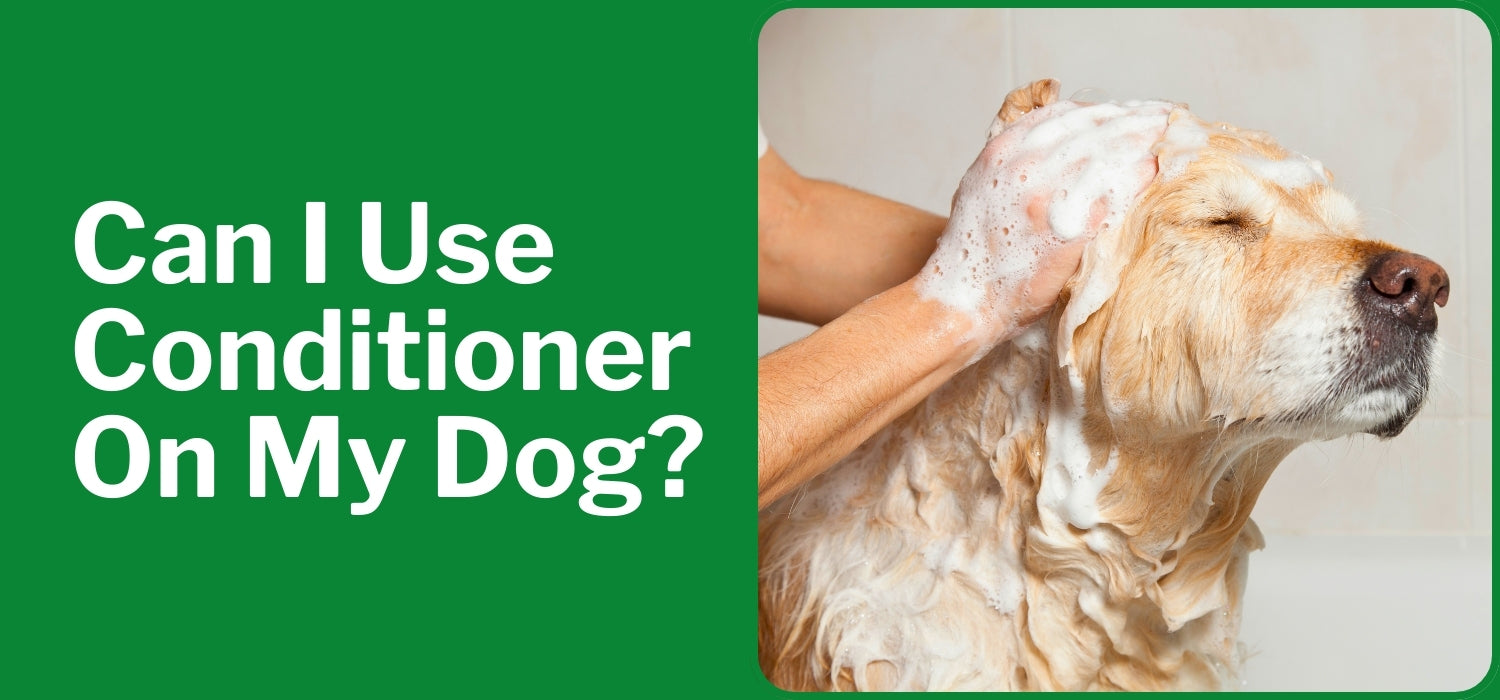
Image Source: thedogdoctors.co.uk
Deciphering the pH Puzzle: Why Human Conditioner is a Bad Idea for Dogs
Many pet parents want their dogs to smell fresh and have soft fur. It is easy to think that if a conditioner works for you, it might work for your dog. But this is not true. Human skin and dog skin are not the same. One big difference is their pH levels.
Dog skin pH difference is the main reason why human products are bad for dogs. pH measures how acidic or alkaline something is. The scale goes from 0 to 14. A pH of 7 is neutral. Anything below 7 is acidic. Anything above 7 is alkaline.
Human skin is acidic. Its pH is usually around 5.5. This low pH helps protect our skin from bad germs. It forms a kind of “acid mantle.” This mantle keeps moisture in and irritants out.
Dogs have different skin pH levels. Their skin is more neutral or slightly alkaline. A dog’s skin pH can range from 6.5 to 7.5. This means their skin is less acidic than ours.
When you use human conditioner on a dog, you mess up their skin’s pH balance. A product made for acidic human skin will be too acidic for a dog’s more alkaline skin. This can break down their natural skin barrier. Think of it like this: if your skin is a wall, using the wrong cleaner can chip away at the bricks.
A broken skin barrier leaves your dog open to problems. It can make their skin dry. It can make their skin itchy. It can also let in bacteria, fungi, and other irritants. This can lead to skin infections. So, the goal is not just a nice smell. It is about keeping their skin healthy.
Table: Human vs. Dog Skin pH Comparison
| Feature | Human Skin | Dog Skin |
|---|---|---|
| Typical pH | 5.5 (Acidic) | 6.5 – 7.5 (More Neutral/Alkaline) |
| Purpose | Acid mantle protects from germs, locks moisture | Natural balance protects skin, resists bacteria |
| Product Match | Human-specific products | Dog-specific products |
Using human conditioner on your dog is a common mistake. But it can have serious health effects. It is vital to use products made just for dogs. These products match a dog’s unique skin needs. They help keep their skin barrier strong and healthy.
Uncovering Hidden Dangers: Toxic Human Conditioner Ingredients for Dogs
Human conditioners are full of chemicals. These chemicals make our hair soft, shiny, and smell good. But many of these same chemicals are not safe for dogs. Toxic human conditioner ingredients dogs can harm your pet. Dogs might lick their fur after a bath. This means they can swallow these harmful ingredients. Even if they do not lick it, these chemicals can get into their skin.
Let’s look at some common ingredients found in human conditioners. We will see why they are bad for dogs.
- Artificial Fragrances and Dyes: These make conditioners smell nice and look colorful. But they are a leading cause of skin irritation. They can also cause allergic reactions. For dogs, strong scents can be very annoying. Their sense of smell is much stronger than ours. Dyes offer no benefit to your dog’s health or coat. They are simply there for human appeal.
- Parabens (e.g., Methylparaben, Propylparaben): These are preservatives. They stop bacteria and mold from growing in the product. While they are common, some studies suggest parabens might affect hormones. Dogs are more sensitive to chemicals. It is best to avoid them in pet products.
- Phthalates: These chemicals often hide in “fragrance” mixes. They make scents last longer. Phthalates are linked to hormone problems in humans. They can also cause skin issues. For dogs, they are best avoided.
- Sulfates (e.g., Sodium Lauryl Sulfate – SLS, Sodium Laureth Sulfate – SLES): These are common in many shampoos and conditioners. They create a lot of foam. But sulfates are harsh detergents. They strip away natural oils from the skin and coat. This can make a dog’s skin very dry and itchy. It can also lead to more serious skin problems.
- Propylene Glycol: This is a common humectant. It helps skin and hair hold moisture. But it can be an irritant for sensitive skin. Some dogs can have a bad reaction to it.
- Formaldehyde-Releasing Preservatives: Some conditioners use chemicals that slowly release formaldehyde. Formaldehyde is a known irritant and allergen. It is not safe for pets.
- Certain Essential Oils: Many human conditioners use essential oils for scent and hair benefits. While some essential oils are safe for dogs in very diluted forms, many are highly toxic. Examples include tea tree oil, eucalyptus oil, peppermint oil, and citrus oils. Even small amounts can cause vomiting, diarrhea, seizures, or liver damage if licked or absorbed through the skin. It is hard to know the correct amount for dogs. It is better to avoid them unless a vet says it is okay.
- Cocamide DEA: This is a foaming agent and thickener. Some studies suggest it might be linked to cancer. While the risk is low, it is another chemical that does not belong on a dog’s skin.
Think about how often dogs lick their fur. After a bath, they groom themselves. This means they will eat whatever is left on their coat. Even if they do not eat it, these chemicals can soak into their skin. Their skin is thinner and more delicate than ours. This makes them more likely to absorb harmful substances. Choosing products with simple, safe ingredients is key.
The Itch Factor: Can Human Conditioner Cause Dog Skin Irritation?
Yes, can human conditioner cause dog skin irritation? Absolutely. It is one of the most common problems. The skin of a dog is not only different in pH. It is also more sensitive. The harsh chemicals and wrong pH levels in human conditioners can quickly upset a dog’s skin.
Here is how human conditioner can irritate your dog’s skin:
- Stripping Natural Oils: Human conditioners, especially those with sulfates, can remove the natural oils from your dog’s skin. These oils are important. They keep the skin moist and act as a barrier. When these oils are gone, your dog’s skin becomes dry. Dry skin often leads to itching.
- Allergic Reactions: Allergic reactions human products on dogs are very common. Dogs can be allergic to specific fragrances, dyes, or preservatives in human conditioners. An allergy can show up as red skin, bumps, hives, or severe itching. Just like people, dogs can have sensitivities to certain ingredients. What might be fine for you could trigger a bad reaction in your dog.
- pH Imbalance: As discussed, the wrong pH disrupts the skin’s protective layer. This makes the skin weaker. It becomes more prone to irritation from the environment. It also allows yeast and bacteria to grow more easily, leading to infections.
- Folliculitis: This is when hair follicles become inflamed. It can be caused by irritation. It might look like small red bumps or pimples on the skin. This can be very itchy and painful for your dog.
- Contact Dermatitis: This is a skin rash caused by direct contact with something irritating. Human conditioner can cause this. The skin will become red, swollen, and very itchy. It is the body’s way of saying “Get this off me!”
- Secondary Infections: When your dog’s skin is irritated, they will scratch, lick, or chew it more. This can break the skin. Once the skin is broken, bacteria or yeast can enter. This leads to infections. These infections make the itching even worse. They often need vet visits and medicine to heal.
A common sign of irritation is itchy dog skin after human shampoo. Even if you just use a human shampoo, the conditioner will likely cause more problems. Dogs might scratch their ears, rub their face on the carpet, or bite at their legs. These are all signs of discomfort. If you see your dog constantly scratching or their skin looks red, stop using the product immediately. Rinse their skin very well with plain water. Then, talk to your vet.
It is much better to prevent these issues. Always choose products designed for dogs. This simple choice can save your dog from a lot of discomfort and pain.
Hair Today, Gone Tomorrow: Dog Hair Loss Human Conditioner Connection
Beyond skin problems, human conditioner can also harm your dog’s coat. In some cases, it can even lead to dog hair loss human conditioner related issues.
Here is why:
- Stripping Oils and Drying Out Hair: Just like human skin, human conditioners can strip the natural oils from dog hair. These oils are vital for healthy hair. They give it shine and flexibility. When they are gone, the hair becomes dry and brittle. Dry, brittle hair breaks easily. This can look like hair loss.
- Follicle Damage: Some chemicals in human conditioners can irritate hair follicles. These are the tiny pockets in the skin where hair grows. If follicles get irritated or inflamed, they might not hold hair as well. This can lead to hair falling out.
- Excessive Itching and Scratching: As we discussed, human conditioners can cause intense itching. When dogs scratch too much, they can pull out their own hair. They might also create bald spots from constant licking and chewing. This is self-inflicted hair loss.
- Allergic Reactions Leading to Hair Loss: Severe allergic reactions can also cause hair loss. The skin can become so inflamed that hair follicles are damaged. This can lead to patches of hair loss, often called alopecia.
- Build-up on the Coat: Human conditioners are made to coat human hair. They might contain silicones or other ingredients that can build up on a dog’s coat. This build-up can weigh down the hair. It can make it look dull and greasy. It can also clog pores on the skin, which can lead to more skin problems and potentially hair thinning.
- Matted Fur: Some human conditioners are too thick or heavy for a dog’s coat. They can leave residue. This residue can make the fur sticky. It can also make it harder to brush. This makes mats and tangles more likely. Severe matting can pull on the skin and lead to hair loss in those areas. It can also create a damp, unhealthy environment for the skin underneath.
A healthy dog coat is soft, shiny, and sheds normally. If you notice dullness, excessive shedding, or bald spots after using human conditioner, it is a clear sign something is wrong. Always go to the vet if you see unusual hair loss. It is much safer to use products that support your dog’s natural coat health.
Why Use Dog-Specific Conditioner? The Benefits are Clear!
After seeing all the risks, the answer to why use dog specific conditioner becomes very clear. Dog-specific conditioners are made with your dog’s unique needs in mind. They protect their skin and keep their coat healthy.
Here are the key benefits of using conditioners made just for dogs:
- Correct pH Balance: Dog conditioners are pH-balanced for a dog’s skin (6.5-7.5). This helps maintain the natural barrier of their skin. It prevents dryness, irritation, and infections.
- Safe Ingredients: Dog conditioners do not contain the harsh chemicals, dyes, artificial fragrances, or toxic essential oils found in human products. They use ingredients that are known to be safe for dogs, even if licked.
- Moisture and Nourishment: They are made to hydrate a dog’s specific hair and skin. They restore natural oils without stripping them away. This keeps the coat soft, shiny, and strong.
- Detangling and Dematting: Many dog conditioners are formulated to help loosen tangles and mats. This makes brushing easier and more comfortable for your dog. It prevents pulling on the skin and reduces shedding.
- Targeted Formulas: You can find dog conditioners for specific coat types or skin issues. There are conditioners for dry skin, sensitive skin, puppies, shedding control, or extra-long coats. This allows for a more tailored and effective grooming routine.
- Reduces Allergies and Irritation: By avoiding common irritants, dog-specific conditioners greatly reduce the risk of skin irritation, itching, and allergic reactions. This means a happier, more comfortable dog.
- Supports Overall Skin and Coat Health: Regular use of the right dog conditioner helps maintain a healthy skin barrier. It promotes a strong, resilient coat that can better resist environmental damage. It also helps manage shedding and keeps your dog looking their best.
Choosing a dog-specific conditioner is not just a suggestion. It is a vital part of responsible pet care. It helps keep your furry friend comfortable, healthy, and happy.
Finding the Best Fit: Safe Dog Grooming Conditioner and Ingredients
Now you know why to avoid human products. So, what should you look for? Finding a safe dog grooming conditioner is about checking labels. Look for conditioners made by trusted pet brands. Always read the ingredients list.
Here are some best dog conditioner ingredients to look for:
- Oatmeal: A top choice for soothing itchy, irritated, or dry skin. It has anti-inflammatory properties. It helps calm skin and reduces redness.
- Aloe Vera: Known for its healing and soothing qualities. It is great for moisturizing and cooling irritated skin.
- Glycerin: A humectant. It attracts moisture from the air to the skin and hair. This keeps the coat hydrated and soft.
- Natural Oils (e.g., Coconut Oil, Argan Oil, Jojoba Oil, Sunflower Oil): These oils are great for conditioning the coat. They add shine and help detangle. They also nourish the skin. Make sure they are pet-safe and used in proper amounts.
- Shea Butter: A rich moisturizer. It is great for very dry skin or coarse coats. It helps soften and protect.
- Vitamins (e.g., Vitamin E, Pro-Vitamin B5/Panthenol): Vitamin E is an antioxidant. It helps protect skin cells. Panthenol strengthens hair shafts. It adds moisture and shine.
- Chamomile Extract: Known for its calming and anti-inflammatory properties. It can help soothe sensitive skin.
- Colloidal Silver: Some conditioners use this for its natural antibacterial properties. It can help prevent skin infections.
- Hyaluronic Acid: A powerful hydrator. It helps skin hold onto moisture.
Ingredients to Avoid (Revisiting the Bad List):
- Artificial Fragrances and Dyes
- Parabens
- Phthalates
- Sulfates (SLS, SLES)
- Propylene Glycol
- Formaldehyde-releasing preservatives
- Essential oils not confirmed safe for dogs (especially Tea Tree, Eucalyptus, Pennyroyal, Citrus, Peppermint)
Tips for Choosing and Using Dog Conditioner:
- Read Labels Carefully: Look for products labeled “natural,” “hypoallergenic,” or “for sensitive skin.” Always check the ingredient list for the safe choices above.
- Consider Your Dog’s Coat Type:
- Long-haired breeds: May need a detangling conditioner.
- Short-haired breeds: Might benefit from a lighter conditioning spray.
- Double-coated breeds: Look for conditioners that moisturize without weighing down the undercoat.
- Patch Test: If your dog has sensitive skin, try a small amount of the new conditioner on a small patch of skin first. Wait 24 hours to check for any reaction.
- Rinse Thoroughly: This is super important. Always rinse all conditioner out of your dog’s coat. Leftover product can cause residue build-up, skin irritation, and dullness. Rinse until the water runs clear and the fur feels squeaky clean.
- Follow Directions: Use the conditioner as the product label suggests. Some are applied after shampoo, others are leave-in.
Choosing the right dog conditioner means your dog will have a clean, healthy, and happy coat. It will also prevent many common skin issues.
Expert Advice: Pet Friendly Grooming Products Vet Advice
When it comes to your dog’s health, your veterinarian is your best resource. For pet friendly grooming products vet advice is invaluable. Vets see a lot of skin problems. They know what works and what does not.
Here is what your vet might tell you:
- Always Prioritize Dog-Specific Products: This is the most common advice. Vets will stress that human products are not suitable for dogs. They understand the dog skin pH difference and the dangers of toxic human conditioner ingredients dogs might encounter.
- Treat Skin Conditions First: If your dog has itchy skin, hair loss, or a rash, talk to your vet before bathing. A bath with the wrong product could make things worse. Your vet might prescribe a special medicated shampoo or conditioner. They might also suggest other treatments.
- Hypoallergenic Options: For dogs with sensitive skin or known allergies, vets often recommend hypoallergenic and fragrance-free products. These are less likely to cause allergic reactions human products on dogs or can human conditioner cause dog skin irritation.
- Look for Veterinary Dermatology Brands: Many vets carry or recommend specific brands of shampoos and conditioners. These brands are often formulated by veterinary dermatologists. They are designed for common canine skin issues. They are very reliable.
- Discuss Bathing Frequency: Your vet can tell you how often your dog should be bathed and conditioned. Some dogs need baths often, others less. Too much bathing can dry out skin.
- The Importance of Rinsing: Vets often highlight the need to rinse all products thoroughly. Leftover shampoo or conditioner is a common cause of skin irritation. This can lead to itchy dog skin after human shampoo.
- Consider Diet and Supplements: Sometimes, skin and coat problems are not just about grooming. They can be related to diet. Your vet might suggest changing your dog’s food. They might also suggest supplements like omega-3 fatty acids. These can improve skin health from the inside out.
- Professional Groomer Referrals: For very matted coats or special grooming needs, your vet might suggest a professional groomer. They can help safely manage your dog’s coat. They also use products designed for dogs.
Do not guess about your dog’s skin and coat care. A quick chat with your vet can save you time, money, and your dog discomfort. They can guide you to the safest and most effective products for your dog’s specific needs.
Final Thoughts: Making the Right Grooming Choices for Your Dog
The choice is clear: do not use human conditioner on your dog. While it might seem harmless, the risks are real. The differences in skin pH, the presence of harmful chemicals, and the risk of irritation and hair loss are too great.
Investing in high-quality, dog-specific grooming products is a small but important part of responsible pet ownership. These products are made to work with your dog’s natural biology. They help keep their skin healthy and their coat shiny and strong.
Always choose products with simple, safe ingredients. If you are unsure, talk to your veterinarian or a trusted professional groomer. They can help you pick the best products for your dog’s unique needs. Your furry friend will thank you for it with a comfortable, healthy, and beautiful coat.
Frequently Asked Questions (FAQ)
Q1: Can I use human baby shampoo on my dog?
A1: No, you should not use human baby shampoo on your dog. While baby shampoo is milder than adult human shampoo, it still has a different pH level than a dog’s skin. It can cause dryness, irritation, and damage their skin barrier. Always use a shampoo made for dogs.
Q2: What happens if a dog licks human conditioner?
A2: If a dog licks human conditioner, it can cause an upset stomach, vomiting, or diarrhea. Many human conditioners contain toxic ingredients like certain essential oils, artificial fragrances, or other chemicals that are not safe to swallow. If your dog licks a significant amount or shows signs of illness, contact your vet immediately.
Q3: How often should I condition my dog’s coat?
A3: The frequency of conditioning depends on your dog’s breed, coat type, and activity level. Most dogs benefit from conditioning every 4-8 weeks, or whenever they are bathed. Dogs with long coats or prone to matting may need it more often. Dogs with sensitive skin might need less frequent conditioning. Ask your vet or groomer for advice specific to your dog.
Q4: Can I use human conditioner as a detangler for my dog?
A4: No, do not use human conditioner as a detangler for your dog. It can leave behind harmful residue and cause skin irritation. Instead, use a dog-specific detangling spray or a dog conditioner that is designed to help with tangles and mats.
Q5: Are there any human products that are safe to use on dogs?
A5: Generally, no. It’s best to stick to products formulated specifically for dogs. Even seemingly “safe” human products can contain ingredients or pH levels that are not suitable for canine skin and coat. When in doubt, always choose a pet-specific product and consult your vet.