
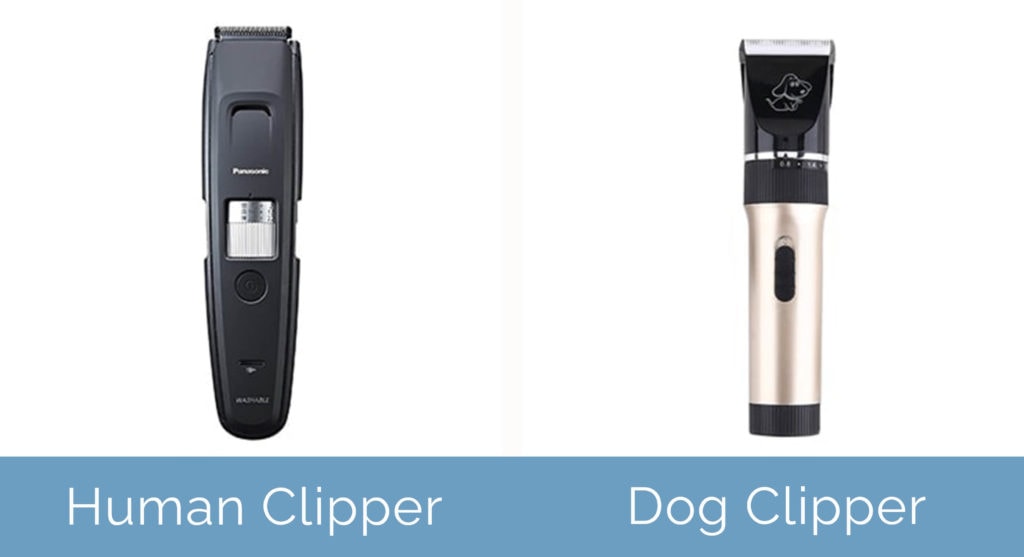
Image Source: www.hepper.com
Dangers & Tips: Can I Use Human Clippers On My Dog?
No, you should not use human clippers on your dog. This is a common question, and the answer is a firm no. Human clippers are simply not made for a dog’s fur or skin. They can cause pain, cuts, and even serious skin problems for your beloved pet. Using the wrong tools can turn a simple grooming task into a painful experience for your dog. It can also lead to costly vet visits. This guide will tell you why human clippers are bad for dogs and what to use instead for safe grooming.
The Big No: Why Human Clippers Harm Dogs
It might seem smart to save money by using your own hair clippers on your dog. But this choice can lead to big problems. Human clippers are just not built for the job. They are made for human hair, which is very different from dog fur. When you use human clippers on your dog, you put your pet at risk.
Difference Dog vs Human Clippers
There are key differences between clippers for people and clippers for pets. These differences are vital for dog clipper safety. Not knowing them can hurt your dog.
- Motor Power: Human clippers have weaker motors. They are made to cut thin, single strands of human hair. Dog hair is often thicker, denser, and comes in many layers. A weak motor will struggle. It will pull and tug at the hair instead of cutting it cleanly. This hurts your dog. It feels like someone pulling your hair one by one.
- Blade Design: Human clipper blades have fine, closely spaced teeth. These blades get caught in dog fur easily. Dog clippers have stronger, wider-spaced teeth. They are designed to glide through thick, sometimes matted, animal hair. This helps prevent pulling and snags. The wrong blades can cause painful hair pulling or even cuts.
- Heat Generation: Human clippers get very hot, very fast. They are not made for long use on thick fur. The heat can cause “clipper burn” on your dog’s skin. This is like a heat rash or a mild burn. It is very painful for your dog. It can also lead to redness, swelling, and infections. Dog clippers have special cooling systems. They also have blades that stay cooler. This makes grooming safer and more comfortable for your pet.
- Noise and Vibration: Many human clippers are loud and vibrate a lot. Dogs have very sensitive hearing. Loud noises can scare them. This makes grooming stressful for your dog. A scared dog might move suddenly. This increases the risk of cuts and injuries. Pet clippers are often quieter and have less vibration. This helps keep your dog calm during grooming.
Dog Skin Irritation from Clippers
Using the wrong tools can cause a lot of skin problems for your dog. Dog skin irritation from clippers is a real concern.
- Clipper Burn: This is one of the most common issues. As mentioned, human clippers heat up quickly. When hot blades touch your dog’s skin, it can cause red, irritated patches. These burns are painful. They can lead to blistering or open sores if severe.
- Nicks and Cuts: Human clipper blades are not designed to cut through dense dog coats. They can snag hair, pulling the skin up into the blade. This leads to painful nicks and cuts. Dogs often have loose skin in certain areas. This makes them more prone to cuts if not handled with care.
- Folliculitis (Hair Follicle Infection): When hair is pulled or cut unevenly, it can damage the hair follicles. This can lead to an infection called folliculitis. It shows up as red bumps, pimples, or scabs on the skin. This condition is itchy and painful. It may need a vet visit and medicine.
- Pulled Hair Discomfort: Imagine your hair being pulled out one strand at a time. That’s what it can feel like for your dog when human clippers tug at their fur. This is very uncomfortable. It makes your dog fearful of future grooming sessions.
Animal Hair Texture
The biggest reason why human clippers harm dogs is the huge difference in animal hair texture.
- Dog Fur vs. Human Hair: Human hair grows from single follicles. It is often fine and even in thickness. Dog fur is much more complex. It grows in clusters from multiple follicles. Many breeds have a double coat. This means they have a soft, dense undercoat and a coarser, protective topcoat.
- Density and Layers: A dog’s coat is much denser than human hair. It can be thick, wiry, curly, or soft. Human clippers are simply not made to cut through this density. They cannot handle the varied textures and layers of a dog’s coat. They will clog, jam, and pull.
- Protective Layers: A dog’s coat is not just for looks. It protects them from heat, cold, and sunlight. It also shields their skin from injury. Cutting it improperly with human clippers can damage this natural protection. It can also leave the coat uneven and messy.
The Right Tools: Pet Grooming Tool Comparison
Now that you know the risks, let’s talk about the right tools. Investing in proper pet grooming equipment is important for your dog’s safety and comfort. It also makes grooming much easier for you. This is a vital part of pet grooming tool comparison.
What Makes Dog Clippers Special?
Dog clippers are specially designed for pets. They have features that human clippers do not.
- Powerful Motors: Dog clippers have stronger, rotary motors. These motors can handle thick, dense, and matted fur without snagging. They cut smoothly and efficiently. This reduces the time needed for grooming. It also lessens discomfort for your dog.
- Sharp, Durable Blades for Pet Hair: Clipper blades for dogs are made from high-quality steel or ceramic. They stay sharp longer. They are designed with wider teeth spacing. This helps them glide through different fur types. These blades are also built to withstand the tough demands of animal grooming.
- Cooling Features: Many professional dog clippers have built-in cooling systems. Some blades are designed to dissipate heat better. This prevents the blades from getting too hot too quickly. Always check the blade temperature during grooming to be extra safe.
- Quieter Operation: Manufacturers know that dogs are sensitive to noise. Most dog clippers are designed to be quieter than human clippers. This helps keep your dog calm and makes grooming less stressful.
- Ergonomic Design: Dog clippers are often shaped to fit your hand better. This makes them easier to hold and control during long grooming sessions. Good grip means less hand fatigue and more control.
Best Clippers for Dog Grooming
Choosing the best clippers for dog grooming depends on your dog’s coat type, your needs, and how often you groom.
- Types of Clippers:
- Corded Clippers: These are powerful and great for full-body grooms. They offer constant power and are often used by professional groomers. They are ideal if you have a dog with a very thick coat or if you groom often.
- Cordless Clippers: These offer freedom of movement. They are great for quick touch-ups or for dogs who get nervous with cords. Check their battery life and charging time. Some cordless clippers are less powerful than corded ones. Look for models with strong motors if your dog has thick fur.
- Trimmer Clippers: These are smaller, quieter clippers. They are perfect for delicate areas like paws, face, and sanitary trims. They often have very fine blades for precision work.
- Features to Look For:
- Detachable Blades: These allow you to easily change blade sizes and clean them.
- Speed Settings: Some clippers have multiple speeds. A lower speed is good for sensitive areas or nervous dogs. A higher speed works well for thick body fur.
- Motor Type: Rotary motors are generally best for pet grooming. They are powerful and reliable.
- Blade Material: Look for steel or ceramic blades. Ceramic blades often stay cooler than steel ones.
- Reputable Brands: Brands like Andis, Oster, Wahl, and Moser are popular among groomers. They offer durable and effective products.
Clipper Blades for Dogs
Knowing about clipper blades for dogs is crucial for good grooming. Blades come in different sizes, each for a specific purpose. The size is often shown by a number, like #10, #7F, or #4F.
- Blade Materials:
- Steel Blades: These are common and durable. They are good for most grooming needs.
- Ceramic Blades: These blades stay cooler than steel blades. This helps prevent clipper burn. They are often found on the cutting part of a blade, paired with a steel stationary blade.
- Common Blade Sizes and Their Uses:
- #10 Blade: This is a very common blade. It cuts hair to about 1/16th of an inch. It’s good for sanitary areas, paws, and underarms. It gives a short, clean cut.
- #7F or #7 Skip Tooth Blade: “F” means finish blade. It leaves a smooth finish. A #7F cuts hair to about 1/8th of an inch. It’s often used for body clipping, leaving the fur a bit longer than a #10. A “skip tooth” blade has wider spaces between teeth. It’s good for coarse or matted fur, but needs more care to prevent injury.
- #5F Blade: Cuts hair to about 1/4th of an inch. Good for a slightly longer body clip.
- #4F Blade: Cuts hair to about 3/8ths of an inch. It leaves the coat even longer. Good for breeds where you want some length.
- #30 Blade: This is a very short blade (1/50th of an inch). It is often used under comb attachments. It should not be used directly on the skin for most dogs, as it cuts very close and can cause irritation.
- Comb Attachments (Guard Combs): These plastic or metal combs snap onto a #10 or #30 blade. They lift the hair, allowing the blade to cut at a longer length. They come in many sizes (e.g., 1/2 inch, 1 inch). They are great for leaving a specific length on your dog’s coat.
- Importance of Sharp Blades: Always use sharp blades. Dull blades pull hair and cause pain. They can also heat up faster. Have extra blades on hand. Get your blades sharpened regularly by a professional.
Prioritizing Safety: Dog Clipper Safety
Even with the right tools, proper technique is essential for dog clipper safety. Here are key steps to ensure a safe and happy grooming session.
Pre-Grooming Preparation
Preparation is key to a smooth grooming experience.
- Brushing and De-matting: Always brush your dog thoroughly before clipping. Remove all mats and tangles. Clippers cannot cut through mats. They will snag, pull, and hurt your dog. Mats can also hide skin problems. Use a slicker brush and a de-matting comb. If mats are too tight, it might be safer to see a professional groomer or vet.
- Bathing and Drying: Clip a clean dog. Dirt and debris can dull your blades quickly. They can also cause skin irritation. Bathe your dog using a dog-specific shampoo. Rinse thoroughly. Then, dry your dog completely. Clippers work best on dry, clean fur. Wet fur can cause the blades to rust or get dull. It also makes cutting uneven.
- Setting Up the Space: Choose a calm, well-lit area. Use a non-slip surface, like a rubber mat on a table. This keeps your dog steady. Gather all your tools beforehand: clippers, extra blades, cooling spray, comb, brush, treats, and a first-aid kit for pets.
Proper Grooming Techniques
Once prepared, use the right techniques to keep your dog safe and comfortable.
- Holding the Clippers: Hold the clippers firmly but gently. Keep your thumb on top and fingers wrapped around the body. This gives you good control.
- Stretching the Skin: Always stretch the skin taut (tight) in the area you are clipping. This makes the skin flat and reduces the risk of nicks and cuts, especially in loose skin areas like armpits, groin, and neck.
- Clipping Direction: Clip with the grain of the fur for a longer cut. Clip against the grain for a shorter cut. Always move the clippers smoothly and evenly. Do not press hard. Let the blades do the work.
- Taking Breaks: Grooming can be tiring for both you and your dog. Take short breaks often. This helps your dog relax. It also gives you a chance to check your blades.
- Monitoring Heat: Always check the blade temperature frequently. Touch the blade to your inner wrist or the back of your hand. If it feels hot to you, it’s too hot for your dog. Use a cooling spray on the blades. Or, switch to a cool, spare blade. Never use hot blades on your dog.
- Tricky Areas: Be extra careful around ears, eyelids, paw pads, and private areas. Use smaller clippers or scissors with blunt tips for these sensitive spots. Always use your free hand to cover and protect eyes and ears.
- Positive Reinforcement: Keep grooming a positive experience. Give treats and praise often. Speak in a calm, soothing voice. If your dog gets too stressed, stop and try again later.
Maintenance and Care
Proper care of your clippers and blades ensures they last longer and perform better.
- Cleaning Blades: After each use, brush hair from the blades with a small brush. You can also use a blade wash solution. This removes dirt, hair, and oil.
- Oiling Blades: After cleaning and before storing, put a few drops of clipper oil on the blades. Run the clippers for a few seconds to spread the oil. This keeps blades moving smoothly and prevents rust.
- Blade Sharpening: Even the best blades get dull over time. Have your blades professionally sharpened when they start pulling hair or leaving uneven cuts. This extends their life and keeps your dog comfortable.
Beyond the Clippers: Dog Grooming Tips
Clippers are just one part of grooming. Here are some extra dog grooming tips for overall well-being.
- Start Young and Slowly: Introduce your puppy to grooming tools early. Let them sniff the clippers (turned off). Turn them on for short periods. Give treats. Make it a positive game. Short, frequent sessions are better than long, stressful ones.
- Positive Reinforcement is Key: Always use praise, treats, and gentle words during grooming. Associate grooming with good things. This builds trust and makes future sessions easier. Never punish your dog for being scared.
- Know Your Dog’s Coat Type: Different coats need different grooming. Some need more brushing, some need specific clipping. Research your dog’s breed coat needs.
- When to See a Pro Groomer: If your dog has severe mats, is very fearful, or if you are unsure, see a professional groomer. They have the right tools, training, and experience. They can also teach you basic techniques.
- Importance of Regular Grooming: Regular brushing, bathing, and clipping (if needed) keeps your dog’s coat healthy. It prevents mats, skin problems, and keeps them comfortable. Regular grooming also lets you check your dog for lumps, bumps, or injuries.
Human Hair Clippers for Pets Risks: A Summary
To summarize the human hair clippers for pets risks, here is a quick look at why dog clippers are always the better choice.
| Feature / Aspect | Human Hair Clippers | Dog Clippers |
|---|---|---|
| Motor Power | Weak, tugs at dog hair, gets clogged easily | Strong, cuts smoothly through dense fur |
| Blade Design | Fine, closely spaced teeth, snags hair, causes pain | Wide, strong teeth, glides through pet fur |
| Heat Generation | Overheats quickly, causes painful clipper burn | Designed to stay cool, prevents burns |
| Noise & Vibration | Loud, high vibration, scares dogs | Quieter, less vibration, calms dogs |
| Blade Material | Often lower quality, dulls fast on pet hair | High-quality steel/ceramic, stays sharp longer |
| Risk of Injury | High: cuts, nicks, clipper burn, folliculitis | Low (with proper use): smooth, safe cuts |
| Comfort for Dog | Very uncomfortable, painful, stressful | Comfortable, less stress, positive experience |
| Grooming Result | Uneven, messy, incomplete | Smooth, even, professional-looking |
| Cost | Appears cheaper upfront | Higher initial cost, but prevents vet bills and pain |
Conclusion
Using human clippers on your dog is a big risk. It can lead to pain, injury, and fear for your pet. While saving money might seem appealing, the costs of vet visits for skin problems or the emotional distress for your dog are much higher.
Invest in proper dog-specific clippers and learn how to use them safely. This ensures your dog’s grooming experience is comfortable, safe, and positive. Your dog deserves the right tools for their unique coat and sensitive skin. Choosing best clippers for dog grooming is an important step in being a responsible pet owner. It helps keep your furry friend healthy, happy, and well-groomed.
Frequently Asked Questions (FAQ)
Q1: Can I use human scissors on my dog?
A1: You can use human scissors for very small trims around the face or paws if they are sharp and have blunt tips. However, dedicated pet grooming scissors are often better. They are designed for pet fur and come with blunt tips for safety. Always be extra careful and avoid poking your dog’s skin.
Q2: How often should I groom my dog?
A2: It depends on your dog’s breed and coat type. Some dogs need daily brushing and professional grooming every 4-6 weeks. Others might need less frequent grooming. Dogs with long or dense coats often need more regular grooming to prevent mats. Short-haired dogs might only need occasional brushing and baths.
Q3: What if my dog is matted?
A3: If your dog has severe mats, do not try to cut them out with clippers or scissors yourself if they are tight to the skin. This can easily cut your dog. Mats are often tighter than they appear. It is best to take your dog to a professional groomer or a vet. They have special tools and skills to remove mats safely. Sometimes, very severe mats may need to be shaved under sedation by a vet.
Q4: How do I clean dog clipper blades?
A4: After each grooming session, use a small brush to remove loose hair from the blades. Then, you can spray them with a clipper blade cleaner or dip them in a blade wash solution. Wipe them dry completely. Finally, apply a few drops of clipper oil to the blade teeth and rub it in. Run the clippers for a few seconds. This cleans, lubricates, and protects your blades.