
Yes, you can spay your dog while she is in heat, but it is often not the ideal time. While it is possible for a vet to perform the surgery during this phase, it comes with higher risks and challenges. Many vets prefer to wait until the heat cycle ends.
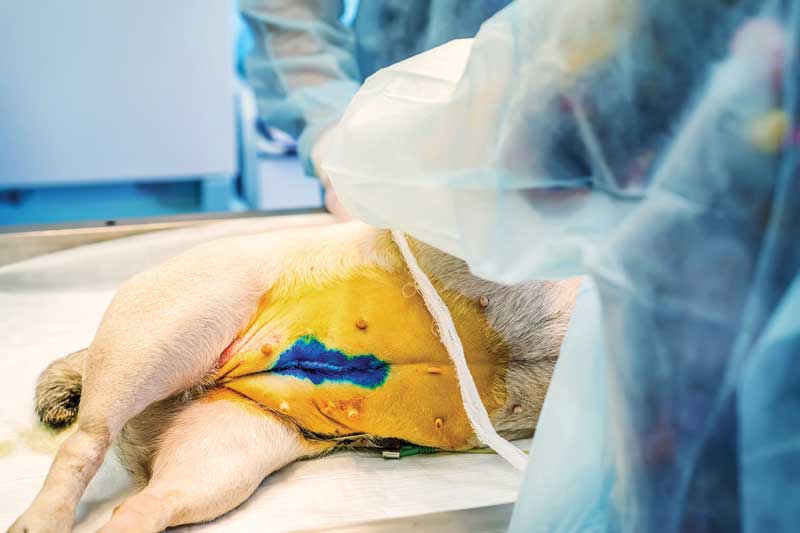
Image Source: www.veterinarypracticenews.com
The Full Story on Spaying a Dog in Heat
Spaying a female dog is a common and important surgery. It stops her from having puppies. It also helps prevent many health problems. These include certain cancers and infections. But the timing of this surgery matters a lot. When a dog is in heat, her body changes. These changes make the surgery harder.
The Core Challenge: More Blood
One of the biggest issues with spaying a dog in heat is the risk of extra bleeding. This is due to natural changes in her body.
Swollen Blood Vessels Spay in Heat
When a female dog is in heat, her body gets ready to have puppies. This means more blood flows to her uterus and ovaries. The blood vessels in this area get bigger. They swell up. Think of them like tiny pipes that get wider and carry more water. This is a normal part of her heat cycle. But it makes surgery harder.
During a spay surgery, the vet ties off and cuts these blood vessels. If they are swollen and full of blood, it is much harder to do this safely. They are more likely to bleed a lot.
Increased Bleeding During Spay Surgery in Heat
Because the blood vessels are bigger, there is a higher chance of increased bleeding during spay surgery in heat. This extra blood can make the surgery take longer. It can also make it harder for the vet to see clearly. More bleeding means a greater risk for the dog. She could lose too much blood. This can lead to serious problems, even needing a blood transfusion. It also makes the recovery process harder on her. The vet must be very careful. They use special tools and methods to control bleeding. But the risk is still higher than if she were not in heat.
Anesthesia Concerns
Any surgery needs anesthesia. This is medicine that makes your dog sleep so she feels no pain. When a dog is in heat, her body has high levels of hormones. These hormones can change how she reacts to anesthesia.
Anesthesia Considerations for Spaying in Heat
High hormone levels can make a dog’s body react differently to medicines. This includes the drugs used for anesthesia. Sometimes, these hormones can make the blood less able to clot well. This adds to the bleeding risk. Also, a dog in heat might be more stressed or excitable. This can make giving anesthesia a bit trickier at first. The vet team must watch her very closely. They adjust the medicines as needed. They want to make sure she stays safe and asleep. They use special monitoring tools. These check her heart rate, breathing, and blood pressure. All these factors are watched even more carefully when a dog is in heat.
Other Risks
Beyond bleeding and anesthesia, there are other risks when spaying a dog in heat.
Risks of Spaying a Dog in Heat
Here is a list of risks that are higher if you spay a dog in heat:
- More Bleeding: As we talked about, bigger blood vessels mean more blood loss during surgery.
- Longer Surgery Time: It takes longer for the vet to carefully cut and tie off the larger, engorged blood vessels. More time under anesthesia means more risk.
- Higher Chance of Complications: More bleeding and longer surgery can lead to more problems. These can be mild or severe.
- Harder Recovery: Losing more blood or having a longer surgery can make your dog’s recovery longer and harder. She might feel weaker for a while.
- Increased Inflammation: Tissues in heat are already inflamed. Surgery adds to this. This can cause more swelling and discomfort.
- Higher Cost: Because the surgery is harder and takes longer, it can cost more. Your vet might charge more for the extra time and care needed.
Complications of Spaying a Dog During Estrus
Complications are problems that can happen during or after surgery. When a dog is in estrus (her heat cycle), the chance of these problems goes up.
- Excessive Hemorrhage: This is a fancy way of saying too much bleeding. It is the most common and serious complication. It can lead to shock or even death if not handled fast.
- Suture Breakage: The stitches used to tie off blood vessels can break if there is too much tension or pressure from swelling. This can cause internal bleeding.
- Infection: Any surgery carries a risk of infection. With more swelling and a longer surgery, this risk can go up slightly.
- Adverse Reaction to Anesthesia: While rare, a dog can have a bad reaction to the anesthesia drugs. High hormones might slightly change this risk.
- Tissue Damage: The swollen tissues are more delicate. They can be damaged more easily during the surgery.
- Hernia at Incision Site: Sometimes, if the incision (cut) does not heal well, a hernia can form. This is when tissue bulges through a weak spot.
When Spaying in Heat Happens
Even with the risks, sometimes spaying a dog in heat cannot be avoided.
Emergency Spay Procedure Dog in Heat
There are times when a vet might have to spay a dog during her heat cycle. This is usually due to an emergency.
Here are some reasons for an emergency spay:
- Pyometra: This is a serious infection in the uterus. It often happens after a heat cycle. The uterus fills with pus. It is life-threatening. If a dog gets pyometra while still in heat, an emergency spay is needed to save her life. This is a very common reason for emergency spay.
- Uterine or Ovarian Tumors: If a vet finds a tumor on the uterus or ovaries that needs to be removed right away, surgery might happen during heat.
- Trauma: If a dog has been badly hurt and it affects her reproductive organs, an emergency spay might be part of the treatment.
- Unplanned Pregnancy/Abortion: In some cases, if a dog was accidentally bred and pregnancy is not wanted, a vet might perform an abortion by spaying her. This is usually done early in pregnancy.
In these emergency cases, the benefits of saving the dog’s life far outweigh the risks of spaying her in heat. The vet will do everything possible to manage the risks. They will use extra caution and special tools.
The Better Option: Waiting
Most vets agree that it is best to wait to spay a dog.
The Ideal Timing
The best time to spay a female dog is usually before her first heat cycle. This is often around 5 to 6 months of age. If she has already had a heat cycle, the next best time is usually about 2 to 3 months after her heat ends.
Why is this the ideal time?
- Less Bleeding: The blood vessels are back to their normal size. This means much less bleeding during surgery.
- Easier Surgery: The tissues are not swollen. This makes the surgery faster and safer.
- Faster Recovery: With less bleeding and a simpler surgery, your dog will likely recover more quickly.
- Reduced Health Risks: Spaying before the first heat greatly reduces the risk of mammary (breast) cancer. It also stops uterine infections (pyometra) and ovarian cysts.
Talk to your vet about the right time for your dog. Every dog is different. Your vet will look at your dog’s age, breed, and health to suggest the best plan.
Benefits of Waiting to Spay Dog After Heat
There are many clear benefits to waiting until your dog is out of heat to spay her.
- Safer Surgery: This is the biggest benefit. The blood vessels are normal. This means less blood loss. It makes the surgery safer for your dog.
- Faster and Easier Procedure: The vet can perform the surgery more quickly. This means less time under anesthesia. Less anesthesia time is always better for your dog.
- Quicker Recovery: Your dog will likely feel better sooner. She will have less pain and swelling. She can get back to her normal self faster.
- Lower Risk of Complications: The chances of problems like severe bleeding or infection are much lower.
- Less Stress for Your Dog: A smoother surgery and recovery mean less stress on your dog’s body.
- Potentially Lower Cost: Because the surgery is easier and faster, it might cost less. This depends on your vet’s pricing.
Waiting is almost always the best choice if there is no emergency. It puts your dog’s health and safety first.
Veterinarian Advice
Your vet is the best person to guide you. They know your dog’s full health history.
Veterinarian Recommendation Spaying Dog Heat Cycle
Most vets strongly recommend against spaying a dog during her heat cycle unless it’s an emergency. They will usually advise you to wait.
Here’s what your vet will likely tell you:
- Wait and See: “Let’s wait until her heat cycle is completely over. Then, we can schedule the surgery for a safer time.”
- Typically 2-3 Months After Heat: “The best time to spay her will be about 2 to 3 months after her heat ends. This gives her body enough time to return to normal.”
- Risks vs. Benefits: “While we can spay her now, the risks are higher. There’s more bleeding, and the surgery is harder. Waiting is safer for her.”
- Managing Heat: “During her heat, keep her away from male dogs. This will prevent accidental pregnancy. Make sure she is always on a leash when outside.”
Your vet might also explain the specific risks for your dog. They will answer all your questions. Always follow their advice. They want what is best for your pet.
Taking Care After Surgery
If your dog must be spayed while in heat, special care is needed.
Post-operative Care After Spaying Dog in Heat
The care after surgery for a dog spayed in heat is very important. It is usually more strict than for a normal spay. This is because of the higher risks.
Here are key steps for her post-operative care:
- Strict Rest: Your dog needs to rest a lot. No running, jumping, or rough play for at least 10 to 14 days. Short, slow leash walks for potty breaks are okay. Keep her calm.
- Incision Monitoring: Check the surgical cut every day. Look for swelling, redness, discharge, or if it opens up. A little redness is normal. Too much is not.
- Prevent Licking: Your dog must not lick or chew at her incision. Licking can cause infection or pull out stitches. Use an Elizabethan collar (E-collar or “cone”) if needed. Your vet will provide one. Keep it on her until the vet says it’s okay to take off.
- Pain Management: Your vet will give you pain medicine. Give it exactly as told. This helps her stay comfortable and heal better. Do not give human pain medicine.
- Avoid Bathing: Do not bathe your dog until the incision is fully healed. This is usually after the stitches are out or dissolved, and the vet says it’s fine. Water can lead to infection.
- Limited Food and Water at First: After surgery, your vet might tell you to give small amounts of water and food at first. This helps prevent upset stomach.
- Follow-up Appointments: Make sure to go to all follow-up visits with your vet. They need to check how she is healing. They will also remove any stitches if they are not the dissolving kind.
- Watch for Warning Signs: Call your vet right away if you see any of these signs:
- Lots of bleeding from the incision.
- Bad smell or pus from the incision.
- Excessive swelling or bruising around the incision.
- Your dog is very lethargic (tired) and won’t eat or drink for more than a day.
- Vomiting or diarrhea that lasts for a long time.
- Pale gums.
- Difficulty breathing.
- Severe pain (whining, not wanting to be touched).
By carefully following these steps, you can help your dog heal well. Even with extra risks, good care can lead to a good outcome.
Table: Spaying in Heat vs. Not in Heat
| Feature | Spaying While In Heat | Spaying When Not In Heat |
|---|---|---|
| Blood Vessels | Swollen, engorged (full of blood) | Normal size |
| Bleeding Risk | Higher | Lower |
| Surgery Time | Longer, more difficult | Shorter, easier |
| Anesthesia Risk | Slightly higher (due to hormones) | Standard (lower baseline risk) |
| Recovery | Can be longer, more discomfort, higher complication risk | Quicker, less discomfort, lower complication risk |
| Cost | Often higher | Standard |
| Common Reason | Emergency (e.g., pyometra) or unplanned situation | Routine, planned procedure |
| Vet Recommendation | Avoid unless emergency | Highly recommended, ideal timing |
Frequently Asked Questions (FAQ)
Q1: How long after a dog’s heat cycle should I wait to spay her?
A1: You should typically wait about 2 to 3 months after her heat cycle completely ends. This gives her body time to return to normal. It lowers the risks of surgery.
Q2: What happens if my dog gets pregnant during her heat cycle and I want her spayed?
A2: If your dog becomes pregnant, you can still spay her. This is called an “ovariohysterectomy and abortive procedure.” The vet will remove her uterus and ovaries. This ends the pregnancy. It is usually done early in the pregnancy. Talk to your vet right away if this happens.
Q3: Can spaying a dog in heat affect her long-term health?
A3: If the surgery goes well, there are usually no long-term negative effects on her health. The main issues are the higher risks during the surgery itself. These include more bleeding and a longer recovery. But once she heals, she should be fine.
Q4: Will my dog still attract male dogs after spaying in heat?
A4: Right after spaying, your dog might still have some hormones in her system for a short time. This means she could still attract male dogs for a few days to a week. However, this effect fades quickly. Her ovaries are removed, so she cannot produce more heat hormones. This means she will not go into heat again.
Q5: What are the signs that my dog is out of heat?
A5: A dog is out of heat when:
* Her vulva (private area) is no longer swollen.
* There is no more bleeding or discharge.
* She is no longer interested in male dogs.
* Male dogs are no longer interested in her.
* This usually happens after about 3-4 weeks from the start of heat.
Q6: Is spaying a dog in heat more painful for her?
A6: The surgery itself is not more painful because she is under anesthesia. However, because of the increased swelling and potential for more tissue trauma, her post-operative discomfort might be slightly higher. This is why pain management from your vet is so important.
Q7: My dog just started her first heat. Should I wait to spay her until after this heat?
A7: Yes, if your dog is already in her first heat, it is best to wait. Let her complete this heat cycle. Then, wait for 2-3 months before scheduling her spay. This is much safer than spaying her while she is still actively in heat.
Q8: Can my dog still get pyometra if she is spayed in heat?
A8: No. Pyometra is an infection of the uterus. When a dog is spayed, her uterus is removed. This means she can never get pyometra. This is true whether she is spayed in heat or not. In fact, severe pyometra is often the reason for an emergency spay during heat.
Q9: Will my vet refuse to spay my dog if she’s in heat?
A9: Most vets will not “refuse.” But they will strongly recommend waiting. They will explain the higher risks involved. If it’s an emergency, they will perform the surgery. If it’s not an emergency, they will likely ask you to reschedule for a safer time. They want the best outcome for your dog.
In summary, while it is possible to spay a dog while she is in heat, it is often not the safest choice. The best time is typically two to three months after her heat cycle has ended. Always talk to your vet. They can help you make the right choice for your dog’s health and safety.