
Image Source: cdn.shopify.com
The Truth: Can I Put Vaseline On My Dog Nose? Vet Advice.
Can I put Vaseline on my dog’s nose? Yes, you can put a very thin layer of plain Vaseline (petroleum jelly) on your dog’s dry nose for temporary relief. However, it is not a cure for underlying problems. A dog’s nose needs moisture to stay healthy. Dryness can come from many things. Always use a small amount. Watch your dog. If the problem does not get better, or if it gets worse, talk to your vet. This advice is simple and important for your dog’s health.
Why Your Dog’s Nose Gets Dry or Cracked
A dog’s nose is very important. It helps them smell the world. A healthy nose is usually cool and a bit damp. But sometimes, a dog’s nose can become dry or cracked. This can be normal. It can also point to a problem.
Common Causes of Dry Noses
Many things can make a dog’s nose dry.
* Weather: Hot sun, cold wind, or dry air can dry out a nose. This is like our skin in harsh weather.
* Sleeping: A dog’s nose might be dry after a nap. This is normal. It gets wet again soon.
* Dehydration: Not drinking enough water can dry out a dog’s nose. Make sure fresh water is always there.
* Old Age: Older dogs often have drier noses. Their skin can change with age.
* Breed Traits: Some breeds have naturally drier noses. Brachycephalic breeds, like Pugs or Bulldogs, may have this. Their nose folds can also hold moisture.
* Allergies: Dogs can have allergies. These can affect their skin, including their nose.
* Sunburn: A dog’s nose can get sunburned. This is especially true for light-colored dogs. Sunburn makes the skin dry and sore.
* Licking: Some dogs lick their noses too much. This can dry them out. It removes natural oils.
Signs of a Problematic Dry Nose
A little dry nose is often fine. But look for other signs.
* Cracks: Deep cracks can hurt. They might even bleed.
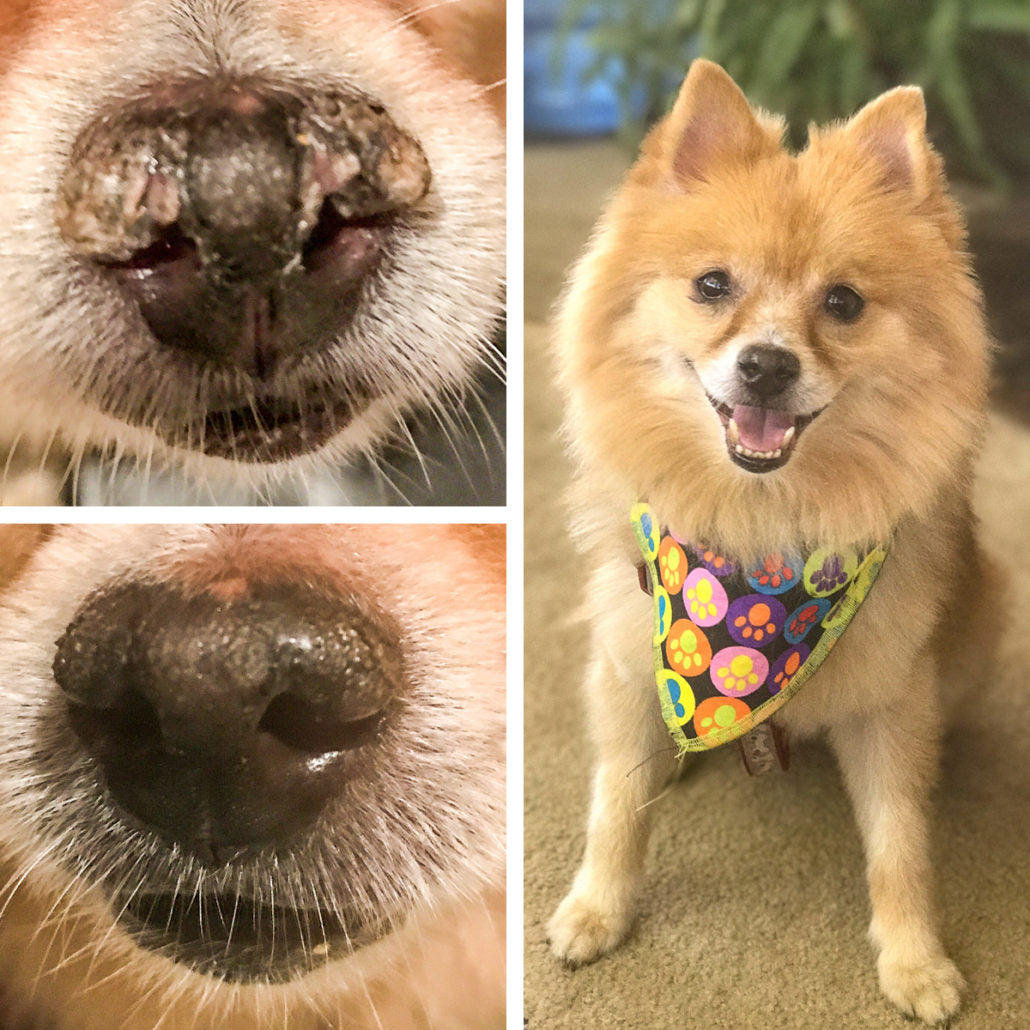
* Crusting: A thick, rough crust can form. It can be hard.
* Pain: Your dog might pull away when you touch their nose.
* Bleeding: If the nose bleeds, it is a bad sign.
* Color Change: The nose might lose its dark color. It could look faded.
* Lethargy: Your dog might be tired or sick. This is a big red flag.
* Changes in Appetite: If your dog stops eating, see a vet.
These signs mean it is time to act. Mild dryness might need simple dry dog nose relief. Bad dryness or cracking needs a vet.
Deciphering Petroleum Jelly: Vaseline on Your Dog’s Nose
Vaseline is a common household item. It is made from petroleum jelly. Many people wonder if it is safe for pets.
What is Vaseline?
Vaseline is a very pure form of petroleum jelly. It is a mix of mineral oils and waxes. It forms a barrier. This barrier helps seal moisture in. It can also protect skin from the outside world. People use it for dry skin.
Is Vaseline Truly Safe for Dogs?
This is a key question. Petroleum jelly dog safety is important.
* On the Skin: For external use, a thin layer is generally safe. It does not cause harm to the skin itself. It acts like a protective glove.
* Ingestion (Licking): Dogs will lick their noses. This is natural. A small amount of Vaseline is not toxic. Your dog will likely swallow some. This is usually okay. It might cause mild stomach upset. This could be soft poop or a little diarrhea. But large amounts could be an issue.
Pros of Using Vaseline on Your Dog’s Nose
- Moisture Barrier: It helps lock moisture into the skin. This can make the nose softer.
- Protection: It forms a shield. This protects against wind, sun, and cold.
- Easy to Find: Vaseline is in most homes or stores. It is cheap.
- Temporary Relief: It can make a dry nose feel better right away. This offers what to put on a dog’s dry nose for quick help.
Cons of Using Vaseline on Your Dog’s Nose
- Licking Risk: As mentioned, your dog will lick it off. This means it might not stay on long. It also means they eat some. Is Vaseline safe for dogs to lick? Yes, small amounts are generally safe. But it’s not meant to be eaten.
- Not a Cure: Vaseline treats the symptom. It does not fix the root cause. If the dryness comes from illness, Vaseline won’t help that.
- Traps Dirt: The sticky nature can attract dirt and dust. This can make the nose even dirtier.
- Delays Vet Visit: Relying only on Vaseline can make you delay a vet visit. A serious problem might get worse.
- No Healing Properties: It does not have healing ingredients. It only seals. It won’t repair deep cracks.
How to Put Vaseline on Your Dog’s Nose
If you choose to use it, do it right.
1. Clean the Nose: Gently wipe the nose first. Use a soft, damp cloth.
2. Use Little: Take a very small amount. A pea-sized dab is plenty.
3. Apply Thinly: Spread it on the dry areas. Make a very thin layer. Do not cake it on.
4. Distract Your Dog: Keep your dog busy for a few minutes. Give a treat or toy. This helps the Vaseline soak in a bit. It stops them from licking it off right away.
5. Watch Closely: See how your dog reacts. Look for any stomach upset.
Veterinarian Views on Vaseline for Dog Noses
What do vets say about Vaseline? Their advice is usually balanced. It depends on the situation. Veterinarian Vaseline dog nose advice often follows a clear path.
When a Vet Might Say “Okay” to Vaseline
For very mild, temporary dryness, some vets might say a thin layer of Vaseline is fine.
* Environmental Dryness: If your dog’s nose is dry from a windy walk, Vaseline can help.
* Post-Nap Dryness: It’s okay for the normal dryness after sleep.
* Temporary Barrier: To protect against mild irritants.
In these cases, Vaseline is a simple, quick fix. It is not a medical treatment. It is a soothing step.
When a Vet Advises Against Vaseline
Vets will advise against Vaseline if the dryness is severe or has other causes.
* Deep Cracks: Vaseline won’t heal deep cracks. It might even make them worse by trapping bacteria. Cracked dog nose treatment needs more than Vaseline.
* Underlying Illness: If dryness comes from a health problem, Vaseline does nothing. It hides the real issue.
* Pain or Bleeding: If your dog is in pain or bleeding, a vet must see them.
* Allergic Reactions: If you suspect allergies, Vaseline is not the answer.
* Specific Skin Conditions: Conditions like hyperkeratosis need special care. Vaseline is not enough.
The Importance of Vet Consultation
Always talk to your vet first. This is the best advice. They can tell you why your dog’s nose is dry. They can suggest the best care. Vaseline can be a quick fix. But it should not replace a vet visit. It is especially true if you are unsure or worried. Your vet knows your dog’s history. They can give the best, most tailored veterinarian Vaseline dog nose advice.
Exploring Better Options: Dog Nose Balm Alternatives
While Vaseline can offer some help, it is often not the best choice. Many products are made just for dogs. These are usually much better. They offer real healing. They are also safer if licked. These are the best dog nose balm alternatives.
Why Alternatives Are Often Better
- Designed for Dogs: These products consider how dogs lick. Their ingredients are safe to swallow in small amounts.
- Healing Properties: They have oils and butters that heal and soothe. They do more than just seal moisture.
- Natural Ingredients: Many are made with natural, food-grade items. This lowers the risk of upset stomachs.
- Better Adhesion: They often stay on the nose better than Vaseline. They absorb more effectively.
Specific Dog Nose Balms and Their Ingredients
Many brands make excellent dog nose balms. Look for products labeled for dogs.
* Key Ingredients to Look For:
* Shea Butter: A natural fat. It is deeply moisturizing. It is safe for dogs.
* Coconut Oil: Very common. It is moisturizing and has good fatty acids. It is safe to eat.
* Beeswax: Forms a protective barrier. It is natural and helps balms stick.
* Vitamin E: An antioxidant. It helps skin heal. It is often in nose balms.
* Olive Oil: A good moisturizer. Safe in small amounts.
* Hemp Seed Oil: Good for skin health. Often in natural balms.
* Ingredients to Avoid:
* Zinc Oxide: Found in many human sunscreens. It is toxic if eaten by dogs.
* Essential Oils (unless vet-approved): Some are very harmful to dogs. Always be careful. Examples include tea tree oil.
* Petroleum Jelly (as main ingredient): While okay for short-term, it lacks healing qualities. A good balm uses other ingredients.
* Fragrances or Dyes: These can irritate skin. They can also be harmful if licked.
How to Choose a Good Dog Nose Balm
When buying a balm, check the label.
* “All Natural” or “Organic”: These often mean safer ingredients.
* “Lick Safe”: This is a key phrase to look for.
* Short Ingredient List: Fewer ingredients often mean less risk.
* Reviews: Read what other dog owners say.
Using a proper dog nose balm is a great way to care for your dog. It is a key part of dog nose care products.
Natural Remedies for a Chapped Dog Nose
Besides store-bought balms, some simple things from your home can help. These natural remedies for dog nose dryness can be very effective. They are often part of a chapped dog nose home remedy.
Safe Oils and Butters
- Virgin Coconut Oil:
- This is a very popular choice.
- It is safe for dogs to lick.
- It helps moisturize skin.
- It has anti-inflammatory properties.
- Use a small amount. Rub it in gently.
- Application: Dab a tiny bit on your finger. Rub onto the nose.
- Shea Butter (Unrefined):
- Just like for humans, shea butter is great for skin.
- It is full of vitamins A, E, and F.
- It is safe if licked by dogs.
- It is very soothing and moisturizing.
- Application: Warm a small amount between your fingers. Gently apply to the nose.
- Olive Oil:
- Common in most kitchens.
- It can offer good moisture.
- Use a tiny drop. Too much can be messy.
- It is safe in small amounts if licked.
- Application: Put a tiny drop on a clean finger. Gently rub on the dry spots.
Other Natural Helpers
- Vitamin E Oil:
- You can buy Vitamin E capsules.
- Prick a capsule. Squeeze out the oil.
- This oil helps skin heal and regenerate.
- It is excellent for cracked dog nose treatment.
- Application: Apply a small amount to the dry areas.
- Proper Hydration:
- This is simple but vital.
- Make sure your dog always has fresh, clean water.
- Dehydration shows in dry skin and nose.
- Encourage water intake. Add a little water to their food.
- Humidifiers:
- If your home air is very dry, a humidifier can help.
- It adds moisture to the air.
- This can stop skin from drying out.
- It helps both you and your dog.
When using any home remedy, start with a tiny amount. Watch your dog for any bad reactions. If the dryness does not improve, or if it gets worse, call your vet. These methods are for mild dryness.
When to Seek Professional Help for a Cracked Dog Nose
A dry or cracked nose can be a minor issue. But sometimes, it points to a more serious problem. It is vital to know when to call the vet. This ensures your dog gets the right cracked dog nose treatment.
Signs That Mean “Vet Time”
Do not wait if you see these signs:
* Bleeding: Any blood from the nose or cracks is a serious sign.
* Deep Cracks: Cracks that are deep or look painful need attention.
* Pain: If your dog cries or pulls away when you touch their nose, they are hurting.
* Discolored Discharge: Pus, green, or yellow discharge is a sign of infection.
* Lethargy or Sickness: If your dog is also tired, not eating, or acting sick, see the vet fast.
* Crusts That Won’t Go Away: Hard, thick crusts that do not improve with home care are worrying.
* Loss of Nose Pigment: If your dog’s black nose turns pink or loses color.
* Persistent Dryness: If the nose stays dry or gets worse, even with care.
Possible Medical Conditions a Vet Might Diagnose
A vet can check for many things.
* Canine Hyperkeratosis: This is a common problem. The nose builds up too much keratin. It becomes thick, hard, and crusty. It can crack and hurt. This needs specific medical care.
* Autoimmune Diseases: Some diseases make the body attack its own skin. This can affect the nose. Examples include Pemphigus.
* Fungal Infections: Fungi can cause skin problems. They can make the nose dry, flaky, or crusty.
* Nasal Mites: Tiny mites can live in the nose. They can cause discomfort and discharge.
* Dehydration: Severe lack of water affects the whole body, including the nose.
* Allergies: Your vet can help find what your dog is allergic to. This could be food or things in the air.
* Systemic Illnesses: Sometimes, a dry nose is just one sign. Fever, kidney issues, or other illnesses can cause it.
Why Early Diagnosis Matters
Do not delay a vet visit. Early diagnosis means:
* Faster Healing: The sooner the problem is found, the sooner it can be fixed.
* Less Pain: Your dog will suffer less.
* Prevents Worsening: Simple problems can become serious. A small crack can get infected.
* Peace of Mind: You will know what is wrong. You will get the right treatment plan.
Your vet is your best friend in these cases. They provide the true cracked dog nose treatment and help.
Daily Dog Nose Care and Prevention
Good daily care can keep your dog’s nose healthy. It can stop dryness before it starts. This is part of overall dog nose care products and habits.
Regular Hydration
- Fresh Water: Always have clean, fresh water for your dog. Change it often.
- Multiple Bowls: Place water bowls in different spots. This makes it easy for your dog to drink.
- Wet Food: Adding wet food to their diet increases water intake.
Protection from Extreme Weather
- Sun Protection: If your dog has a light-colored nose, limit sun time. You can use dog-safe sunscreen. Ask your vet first.
- Wind and Cold: In cold, windy weather, playtime outside might need to be shorter.
- Shelter: Make sure your dog has a place to get out of bad weather.
Balanced Diet
- Good Food: Feed your dog a high-quality, balanced diet.
- Omega Fatty Acids: Look for foods with Omega-3 and Omega-6 fatty acids. These are great for skin health. You can also give supplements. Talk to your vet first.
Routine Checks of the Nose
- Daily Look: Make it a habit to look at your dog’s nose every day.
- Touch Test: Gently touch it. Is it moist or dry? Is it soft or hard?
- Check for Cracks: Look closely for any small cracks or changes.
Using Dog-Specific Nose Balms for Prevention
- Proactive Use: Do not wait for dryness. Use a dog-safe nose balm a few times a week. This is especially good for dogs prone to dry noses.
- After Walks: Apply it after walks in harsh weather.
- Bedtime: Apply it before bed. It has more time to soak in.
By following these simple steps, you can help keep your dog’s nose soft and healthy. This makes them happy and comfortable.
Summing It Up: Key Takeaways
A dry dog nose is common. Sometimes, it is normal. Other times, it means a problem. You can use a tiny bit of Vaseline for mild, temporary dryness. It is generally safe if licked in small amounts. It acts as a barrier. But Vaseline does not heal. It does not fix the root cause.
Better choices are dog-specific nose balms. They use safe, healing ingredients. Natural remedies like coconut oil or shea butter are also good. Always make sure your dog drinks enough water. Watch for serious signs like deep cracks or bleeding. If you see these, call your vet right away. Your vet can give the best advice. They can find the true cause. They can give the right treatment. Good daily care keeps your dog’s nose healthy and happy.
Frequently Asked Questions (FAQ)
Q1: Will Vaseline hurt my dog if they lick it?
A1: A small amount of plain Vaseline is generally safe if your dog licks it. It is not toxic. But large amounts could cause mild stomach upset. This might show as soft poop or a little diarrhea. It is not made to be eaten.
Q2: How often can I put Vaseline on my dog’s nose?
A2: For mild dryness, you can use Vaseline once or twice a day. Apply only a very thin layer. If the nose does not improve in a few days, stop using it. Then, talk to your vet.
Q3: Can I use human lotion on my dog’s nose?
A3: No, it is best not to use human lotion. Human lotions often have perfumes, dyes, or other ingredients. These can be harmful if licked by dogs. They can also irritate your dog’s skin. Stick to dog-specific balms or simple, safe natural oils.
Q4: What does a healthy dog nose look like?
A4: A healthy dog nose is usually cool and a bit damp. It should be free of cracks, crusts, or sores. Its color should be even. It should not have any strange discharge. A dry nose after a nap is normal. It should get moist again soon.
Q5: How can I tell if my dog’s dry nose is serious?
A5: Look for these signs of a serious problem: deep cracks, bleeding, pain when touched, thick crusts that don’t go away, discolored discharge, or if your dog is also acting sick (tired, not eating). If you see any of these, call your veterinarian right away.