
Many dog owners face the question: Can I put Neosporin on my dog wound? In short, while it might seem like a quick fix, vets generally advise against using human antibiotic ointments like Neosporin on your dog’s cuts and scrapes without talking to them first. There are risks involved, mainly if your dog licks the ointment off, which they almost always will. It’s best to use products made especially for dogs or follow your vet’s specific advice.
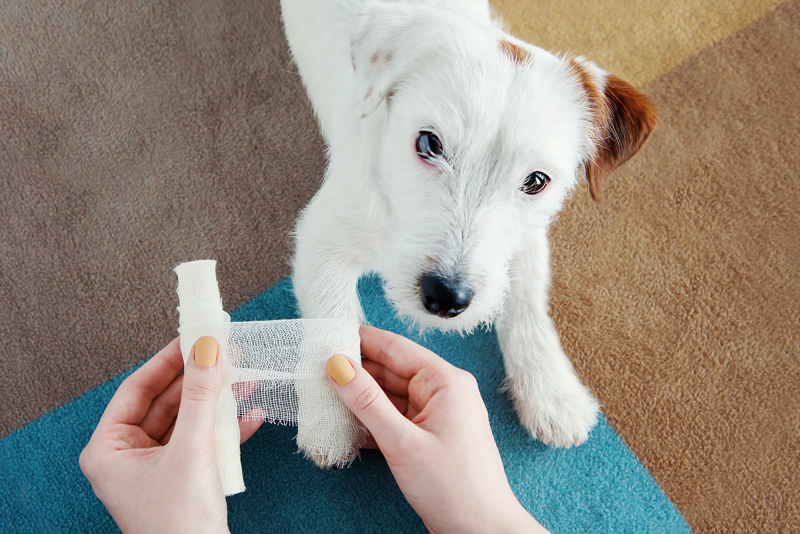
Image Source: parkvet.net
What is Neosporin Anyway?
Neosporin is a common cream.
It has three main ingredients.
These are antibiotics.
Antibiotics fight germs that cause sickness.
People use it on small cuts.
It helps stop the cut from getting bad.
It can help cuts heal faster.
It is made for human skin.
Why Think About Using Neosporin on a Dog?
Your dog gets a small cut.
You see the cut.
You want to help your dog.
You have Neosporin at home.
You use it for yourself.
It seems like a simple idea.
Put the cream on the cut.
Maybe it will help the cut heal.
Maybe it will stop germs.
This thought is normal.
You just want your dog to feel better.
The Big Problem: Dogs Lick Things
This is the main reason vets say “be careful.”
Dogs lick wounds.
It’s just what they do.
They lick to clean the wound.
They lick because it itches.
They lick because it feels weird.
If you put Neosporin on a dog’s wound.
Your dog will lick the cream.
They will eat the cream.
This is not good.
Grasping the Risks of Dogs Eating Neosporin
What happens if a dog eats Neosporin?
It’s not meant to be eaten.
The ingredients can hurt your dog’s stomach.
It can cause an upset stomach.
Your dog might throw up.
Your dog might have loose poop.
Eating a little might not do much.
Eating more can be worse.
Some dogs might be more sensitive.
It’s hard to know how much is too much.
Stopping the licking is hard.
This makes using Neosporin tricky.
Is Neosporin Safe for Dogs?
This is the key question.
Most vets say it’s not really safe for them to eat.
A tiny amount on skin might be okay if not licked.
But dogs do lick.
So, is Neosporin safe for dogs?
Not in a way that makes it a good choice.
There are better options.
Options made for dogs are safer.
These options won’t hurt if licked.
Or they are less likely to hurt.
Talk to your vet about safe choices.
They know what is best for your dog.
Why Human Cream Might Not Be Right for Dogs
Human skin is different from dog skin.
Human cuts are different too.
Dogs have fur.
This changes how cream works.
Human creams might be too strong.
They might have other stuff in them.
Stuff not good for dogs.
Can I use human antibiotic cream on my dog?
The answer is often no.
Or only if your vet says yes.
And tells you how to stop licking.
Dog skin is more sensitive sometimes.
Human creams can cause rashes.
Or make the cut worse.
Always think dog-specific first.
What to Put on Dog Cut: Safer Choices
Okay, so maybe not Neosporin.
What should you put on a dog cut?
First, clean the cut.
Use gentle cleaner.
Like mild soap and water.
Or salt water (saline).
Your vet might give you special cleaner.
Hydrogen peroxide is old advice.
It can hurt skin cells.
Many vets say don’t use it now.
After cleaning, you might need a cream.
Ask your vet for an antibiotic ointment for dog wounds.
They have special ones.
These are made for dogs.
They are safer if licked a little.
Or they are not as strong.
Some are made to be okay if eaten.
Your vet might give you spray too.
Or a liquid cleaner.
Vetericyn for dog wounds is a good example.
It’s a popular choice vets like.
It’s safe if dogs lick it.
It helps clean the wound.
It helps healing.
It does not have antibiotics.
But it helps kill bad germs.
Comparing Options: Human vs. Dog Products
Here is a simple look.
| Product Type | Made For | Key Issue for Dogs | Vet View |
|---|---|---|---|
| Human Antibiotic Cream | People | Licking & eating is unsafe | Usually advise against |
| Dog Antibiotic Cream | Dogs | Made safer for licking | Often prescribed |
| Vetericyn Spray/Gel | Dogs | Safe if licked, no antibiotics | Vet recommended |
| Simple Saline Solution | Dogs | Cleans wound, safe to lick | Good first step |
Dog Wound Care Home Treatment Steps
Okay, you found a small cut.
Your dog is acting normal.
It’s not bleeding a lot.
You can do some care at home first.
Remember, this is for small cuts.
Like a little scrape.
Not a deep cut or big tear.
Here are steps for dog first aid for cuts:
Step 1: Stay Calm
Your dog sees you.
If you are worried, they get worried.
Take a deep breath.
Talk to your dog gently.
Step 2: Look Closely at the Cut
Where is the cut?
How big is it?
How deep is it?
Is there dirt in it?
Is it bleeding a lot?
Knowing this helps you know what to do next.
Step 3: Clean the Area
You might need to trim fur.
Be very careful not to cut skin.
Use blunt-tip scissors if you have them.
Clean the cut gently.
Use warm water.
Maybe a tiny bit of mild soap made for dogs.
Or just salt water (saline).
Get any dirt out.
This might sting a little.
Be patient with your dog.
Step 4: Stop Bleeding (If Needed)
For small cuts, this is easy.
Use a clean cloth or paper towel.
Press gently on the cut.
Hold for a few minutes.
Most small cuts stop fast.
If bleeding won’t stop, see the vet fast.
Step 5: Apply a Safe Product (Optional for Small Cuts)
After cleaning, you can add something.
What to put on dog cut?
Ask your vet what they like for home use.
Maybe a thin layer of vet-approved cream.
Like one the vet gave you before.
Or a spray like Vetericyn.
Vetericyn for dog wounds is easy to use.
It does not sting.
It’s okay if your dog licks it.
Don’t use Neosporin.
Don’t use hydrogen peroxide.
Step 6: Keep the Dog From Licking
This is super important.
Putting cream on does no good if licked off.
Plus, licking can make the cut worse.
It can bring in more germs.
How to stop licking?
An E-collar works well.
This is the cone shape collar.
Your vet has them.
Or pet stores sell them.
A soft cone is better for comfort.
A recovery suit or shirt can cover body cuts.
Some dogs need a bandage.
But bandaging a dog is hard.
Do it wrong and it can cause problems.
Cut off blood flow.
Trap wetness under it.
Get vet help if you need to bandage.
Dealing with dog licking wound ointment is a big part of care.
Step 7: Watch the Cut
Check the cut often.
Is it looking better?
Is it getting red?
Is it swelling?
Is there gooey stuff coming out?
Does it smell bad?
Does your dog seem like it hurts more?
These are signs of problems.
Alternative to Neosporin for Dogs
Let’s list some safer things.
Things you can use or ask your vet about.
- Vetericyn: Already talked about this one. Safe, helps cleaning and healing. Good for small cuts and scrapes.
- Silver Sulfadiazine Cream (SSD Cream): This is a strong cream. Vets use it for burns and serious wounds. It is prescription only. Much stronger than Neosporin. Not for home use on tiny cuts usually. But an example of a vet-used cream.
- Triple Antibiotic Ointment (Vet Approved): Some vet brands make creams like human triple antibiotic. But they are made safer for dogs. Ask your vet for a recommendation.
- Paw Balm or Skin Soother (Natural): For very minor scrapes or dry spots. Some natural balms with things like beeswax or shea butter might help. Make sure all ingredients are safe if eaten. Avoid essential oils unless vet approved.
- Medical Honey: Yes, special medical honey. It helps cuts heal. It fights germs. Vets use it on some wounds. Not honey from your kitchen. Prescription only medical honey.
- Saline Solution: Salt water. Great for cleaning. Does not hurt. Safe to lick. Not a cream, but a key part of care.
Always ask your vet before using any product.
Even natural things can cause problems.
Antibiotic Ointment for Dog Wounds: The Vet Way
When your dog has a cut that needs more help.
Maybe it’s bigger.
Maybe it looks infected.
Your vet might prescribe a special cream.
This is the best way to use an antibiotic ointment for dog wounds.
The vet chooses the right cream.
They know which germs it kills.
They tell you exactly how to use it.
They will also help you stop the licking.
Vet creams are made for dogs.
They think about dogs licking.
They think about dog skin.
Using vet-prescribed cream is much safer.
It works better too usually.
Because it’s the right medicine for the problem.
When to Take Dog to Vet for Wound
Not all cuts need a vet visit right away.
But many do.
Knowing when to take dog to vet for wound is important.
Don’t wait too long if you see these things:
- Heavy Bleeding: If the cut is bleeding a lot. And it won’t stop after pressing for 5-10 minutes. This is an emergency.
- Deep Cuts: If you can see layers of skin or muscle. If the cut is wide open. This likely needs stitches. Go to the vet fast.
- Long Cuts: Cuts that are more than an inch or two long might need closing.
- Cuts Near Eyes, Mouth, Joints: Wounds in these places can be tricky. They can affect how your dog sees or moves. Get vet help.
- Dirty Wounds: If the cut has a lot of dirt, gravel, or something else stuck in it. The vet can clean it better.
- Signs of Infection:
- Redness spreading out from the cut.
- Swelling around the cut.
- Pus or gooey stuff coming out (yellow, green, white).
- Bad smell.
- The skin around the cut feels hot.
- Your dog seems tired, not eating, or has a fever.
- Limping or Pain: If the wound makes your dog limp. Or they cry when you touch it. This means it hurts a lot.
- Animal Bites: If the wound is from another animal’s bite. Bites are very likely to get infected. Even small ones. Teeth push germs deep into the skin. Always see a vet for bite wounds.
- Puncture Wounds: If the wound is a deep hole from something sharp. Like a stick or a nail. These can be deep inside. And get infected easily.
If you are not sure, it’s always best to call your vet.
Describe the cut to them.
They can tell you if you need to come in.
Early care helps cuts heal better and faster.
It stops bigger problems later.
Interpreting What a Small Cut Looks Like
How do you know if it’s just a small cut?
A small cut might be:
* A scrape on the top layer of skin. Like a rug burn.
* A tiny cut from something sharp but not deep.
* A cracked paw pad.
* A small break in the skin that doesn’t bleed much.
* It looks clean.
* It doesn’t seem to bother your dog too much.
For these little things, home care might be enough.
Cleaning it gently.
Keeping it clean and dry.
Stopping your dog from licking it.
Using a safe product like Vetericyn spray.
But watch it closely!
Fathoming the Healing Process
How does a cut get better?
It’s a few steps.
1. Stop Bleeding: Blood clots to close the hole.
2. Clean Up: Body sends special cells to clean out germs and bad stuff.
3. Grow New Skin: New skin cells start to grow across the cut.
4. Get Stronger: The new skin gets stronger. It might scar.
Germs can stop this process.
Licking can stop this process.
Using the wrong things can stop this process.
Good care helps it happen right.
Keeping the Wound Clean and Dry
After cleaning the cut, keep it clean.
Try to keep dirt out.
Try to keep it dry.
Wet cuts get infected more easily.
If it’s on a leg, maybe keep walks short.
Avoid muddy places.
If it gets dirty, clean it gently again.
The Importance of Stopping Licking
We talked about licking a lot.
That’s because it’s so important.
Licking brings bacteria into the wound.
Dog mouths have lots of bacteria.
Licking can pull the cut open again.
It can make it bigger.
It stops the new skin from growing.
It stops any medicine from working.
Using a cone (E-collar) is key.
Yes, dogs hate them.
They bump into things.
It’s annoying for them.
But it’s the best way to protect the cut.
Better annoying than infected!
Deciphering When Home Care Isn’t Working
You tried caring for the cut at home.
You cleaned it.
You stopped licking (you hope).
You watched it.
But it’s not getting better.
Or it looks worse.
This is when to take dog to vet for wound.
Signs home care isn’t enough:
* The cut is more red.
* It’s more swollen.
* It starts to smell bad.
* Pus shows up.
* Your dog keeps licking even with a cone.
* Your dog acts sick.
* The cut just isn’t closing after a few days.
* It’s getting bigger.
Don’t feel bad if you need the vet.
That’s what they are there for.
You did your best at home.
Now the cut needs more help.
How Vets Treat Dog Wounds
What will the vet do?
They will look closely at the cut.
They might clean it again.
They might trim fur more carefully.
They might use special washes.
For deep cuts, they might close them.
With stitches or staples.
They might put a bandage on.
A special one that helps healing.
They might give your dog medicine.
Pain medicine if it hurts.
Antibiotics by mouth if it looks infected.
Or an antibiotic ointment for dog wounds made for dogs.
They will tell you how to care for it at home.
How often to clean it.
How to change a bandage.
How to use the medicine.
They will tell you how long the cone must stay on.
They will tell you when to come back.
Preventing Dog Wounds
Can you stop cuts from happening?
Not always. Dogs run and play.
But you can lower the chance.
Check your yard for sharp things.
Broken glass, old metal.
Be careful on walks.
Watch for sharp sticks or rocks.
Trim fur around paws.
This helps see cuts on paws.
It stops stuff getting stuck there.
Keep nails trimmed.
Long nails can break or tear.
Check your dog often.
Grooming time is good for this.
Feel for bumps or cuts under fur.
Look at paw pads.
The sooner you find a cut, the better.
The Role of Nutrition in Healing
Good food helps your dog heal.
A healthy body fixes itself better.
Make sure your dog eats good food.
Lots of protein helps build new skin.
Vitamins help too.
Talk to your vet about the best food for your dog.
Especially if they have health problems.
When Not to Use Any Cream
Sometimes, the best thing is nothing.
After cleaning a small, clean scrape.
Letting air get to it helps it dry.
This forms a scab.
A scab protects the cut.
Like a natural bandage.
If the cut is very minor and clean.
Just cleaning it and stopping licking might be enough.
What to put on dog cut? Maybe just clean air and no licking.
Ask your vet if this is okay for your dog’s cut.
Summarizing Safest Practices
- See a vet for any cut that is deep, bleeding a lot, dirty, or looks infected.
- For small scrapes, clean gently with water or saline.
- Dog wound care home treatment means keeping it clean and stopping licking.
- Do NOT use human Neosporin or hydrogen peroxide.
- Use vet-approved products like Vetericyn spray or special dog creams.
- Always stop your dog from licking the wound or any cream on it. Use a cone!
- Watch the wound closely for signs of problems.
- When in doubt, call your vet.
Choosing the right care helps your dog heal fast.
It keeps them safe.
It stops little cuts from becoming big problems.
Rely on your vet for the best advice.
They are the experts in keeping your dog healthy.
Especially when it comes to cuts and scrapes.
Alternative to Neosporin for Dogs: Natural Options?
Some people look for natural ways to help cuts.
Things like aloe vera or coconut oil.
Are these okay?
Aloe vera gel (from the plant) can feel nice.
It can help with mild skin irritation.
But make sure it’s the pure inner gel.
And only use a tiny bit.
Make sure your dog doesn’t eat it.
Some parts of the plant are bad for dogs to eat.
Coconut oil is safe to eat in small amounts.
But putting it on a wound?
It’s oily.
It can hold in wetness.
This can help germs grow.
It won’t fight germs like an antibiotic.
It might not be the best for a cut.
Again, ask your vet about these.
They know if it’s safe and helpful for your dog’s specific cut.
Often, simple cleaning and a cone are better than natural stuff that isn’t proven.
Grasping the Right Way to Use a Cone (E-Collar)
We keep saying “stop licking with a cone”.
It sounds easy.
But dogs hate them!
How to help your dog handle the cone?
* Get the right size. It must be long enough. It needs to stick out past their nose. So they can’t reach the cut.
* Make sure it fits around their neck. Not too tight or too loose. It should attach to their regular collar. This stops them from pulling it off.
* Let them get used to it slowly if you can. Put it on for a few minutes. Give a treat. Take it off. Do this more and more.
* Help them eat and drink. Their dish might be hard to reach. Lift the bowls up. Or take the cone off for meals (watch them closely!).
* Help them go outside. Doors and stairs are tricky.
* Be patient. Your dog will be clumsy and annoyed. Don’t laugh or get mad. Just help them.
* Use a soft cone if possible. Some cones are soft fabric. They are more comfy. But make sure it’s strong enough. And stays in shape to block licking.
Stopping licking is half the battle.
It’s worth the cone fuss.
Interpreting Different Kinds of Wounds
Not all “wounds” are the same.
* Abrasions: Scrapes. Top layer of skin rubbed off. Like a rug burn. Usually not deep.
* Lacerations: Tears or cuts. Often jagged edges. Can be deep.
* Incisions: Clean cuts. Like from glass or a knife. Straight edges. Can be deep.
* Puncture Wounds: Holes from something sharp and pointy. Look small outside. Can be deep inside.
* Avulsions: A piece of skin is partly or fully torn away. Serious.
* Burns: From heat, chemicals, or electricity.
* Bites: From other animals. Can look small. But lots of germs go inside.
Home care is mostly for simple abrasions or tiny, clean cuts.
Anything else usually needs a vet look.
Especially bites and punctures.
Can I Use a Bandage?
Bandaging a dog is hard.
Done wrong, it causes big problems.
* Too tight: Cuts off blood flow. Hurts skin. Can make dog lose a limb.
* Too loose: Falls off. Doesn’t protect. Dog eats it.
* Wrong material: Traps wetness. Makes infection worse.
* Put on dirty wound: Seals in germs.
It is best to let your vet bandage a wound.
They use the right stuff.
They know how tight.
They can teach you how to change it.
For most small cuts, no bandage is needed if you use a cone.
Air helps them dry and heal.
Final Thoughts on Neosporin
To go back to the main question: Can I put Neosporin on my dog wound?
Vet answer: Not recommended.
Why? Dogs lick it. Eating it can cause tummy upset. It’s made for people.
What to do instead?
Clean the wound gently with water or saline.
Use a vet-approved product like Vetericyn.
Stop your dog from licking (use a cone!).
Watch for signs of infection.
See the vet for any wound that looks serious or isn’t healing well.
Your dog’s health is key.
Simple steps and talking to your vet are always the best plan.
Frequently Asked Questions (FAQ)
H5 Q: Is it ever okay to use Neosporin on my dog?
H5 A: Vets usually say no because dogs lick it. Eating it can cause stomach problems. There are safer things made for dogs.
H5 Q: What is the best antibiotic ointment for dog wounds?
H5 A: The best ones are prescribed by your vet. They are made for dogs and are safer if licked. Ask your vet what cream they recommend for your dog’s needs.
H5 Q: Can I clean my dog’s cut with hydrogen peroxide?
H5 A: Most vets now say don’t use hydrogen peroxide. It can hurt the healthy skin cells trying to heal the cut. Use warm water and mild soap or salt water instead.
H5 Q: My dog keeps licking the wound. What can I do?
H5 A: This is a big problem! Licking makes cuts worse and can cause infection. The best way to stop it is using an E-collar (cone) that is long enough so they can’t reach the wound. A recovery suit or shirt can also help cover body wounds.
H5 Q: What should I put on a small, clean cut on my dog?
H5 A: Clean it gently with warm water or saline. You can use a pet-safe spray like Vetericyn. The most important thing is to stop your dog from licking it using a cone.
H5 Q: When should I take my dog to the vet for a cut?
H5 A: Go to the vet for deep cuts, cuts that bleed a lot, bite wounds, puncture wounds, or any cut showing signs of infection (redness, swelling, pus, bad smell) or if your dog is in pain or acting sick. If you’re not sure, call your vet.
H5 Q: Is Vetericyn better than Neosporin for dogs?
H5 A: Yes, for most dog owners at home, Vetericyn is a much better choice. It’s safe if dogs lick it, helps clean the wound, and aids healing without antibiotics. Neosporin is not safe for dogs to eat.
H5 Q: What is a good alternative to Neosporin for dogs?
H5 A: Safe alternative to Neosporin for dogs include Vetericyn spray or gel, salt water (saline) for cleaning, or a vet-prescribed antibiotic ointment made specifically for dogs.
H5 Q: Can I just let my dog’s cut heal by itself?
H5 A: Very small, clean scrapes might heal on their own if you can stop the dog from licking them. But most cuts benefit from cleaning and being protected from licking. Deeper cuts or bites always need vet care.
H5 Q: What are the signs of infection in a dog wound?
H5 A: Signs of infection include spreading redness, swelling, warmth, pus (white, yellow, green stuff), a bad smell, pain when touched, or your dog feeling sick (tired, not eating, fever).