
No, you absolutely cannot put Icy Hot on your dog for pain. Using human pain creams like Icy Hot on your dog is not safe and can be very harmful, even toxic. These products contain ingredients that dogs cannot process safely, and applying them or having your dog lick them can cause serious health problems. If your dog is in pain, you need to contact your veterinarian right away to find safe and proper ways to help them feel better.
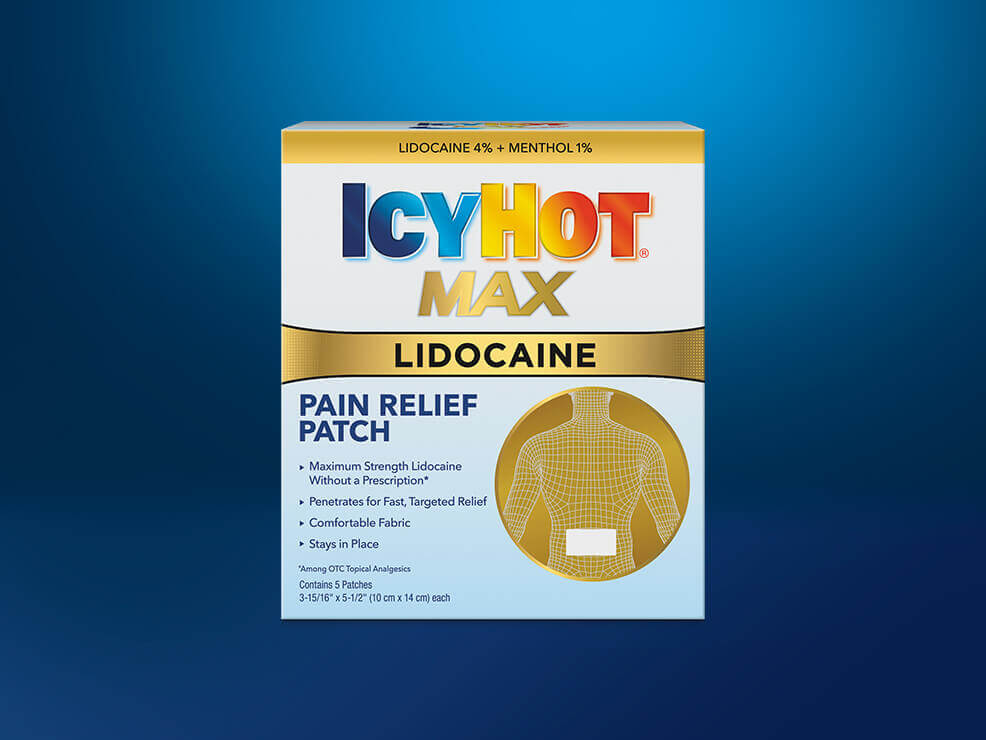
Image Source: www.icyhot.com
Why You Might Think About Pain Relief for Your Dog
Dogs are our best friends. We hate to see them hurting. Just like people, dogs can feel pain. They might hurt because they are getting older. Old dogs can have stiff joints. This is often called arthritis.
Dogs can also get hurt. They might fall or twist a leg. They might get hurt playing fetch. When our dog is in pain, we want to help them fast. We see things that help us feel better. We might think, “Could this work for my dog too?” Icy Hot helps many people with muscle pain or achy joints. It makes skin feel cool or warm. It seems like it might help a dog’s sore spot. But what helps a person can hurt a dog.
Signs Your Dog Might Be Hurting
How can you tell if your dog is in pain? Dogs cannot tell us with words. But they show us in other ways. Watch for these signs:
- They move slower than before.
- They do not want to play or run.
- They have trouble standing up or lying down.
- They limp when they walk.
- They cry out when you touch them.
- They lick one spot on their body a lot.
- They are less friendly or more grumpy.
- They hide more often.
- They eat less food.
- They pant a lot, even when not hot or exercising.
- They shake or tremble.
Seeing these signs means your dog needs help. But the help must be the right kind of help.
Why Human Pain Creams Are Not Safe for Dogs
Human bodies and dog bodies are different. We handle medicines and chemicals in different ways. What is safe for a human can be very bad for a dog. Human pain creams like Icy Hot have strong ingredients. Dogs cannot break down these ingredients well. This makes the ingredients toxic for them. Putting Icy Hot on a dog’s skin lets these bad things soak into their body. If a dog licks the cream, it is even worse.
The Dangers in Icy Hot
Icy Hot and similar human pain creams have main ingredients that help people feel better. These ingredients usually include:
- Methyl Salicylate: This is related to aspirin. It helps block pain signals.
- Menthol: This makes skin feel cool then warm. It distracts from pain.
- Sometimes Camphor or other ingredients are also in them.
These ingredients are the problem for dogs.
Grasping Methyl Salicylate Danger
Methyl salicylate is a big worry. It is in many pain creams and rubbing alcohol products. It is like a concentrated form of aspirin. Dogs are very sensitive to things like aspirin. Their bodies cannot process it quickly or safely.
When methyl salicylate gets into a dog’s body, it turns into salicylic acid. This is the same active part of aspirin. High levels of salicylic acid in a dog’s body cause a type of poisoning. This is often called salicylate toxicity or poisoning.
Salicylate poisoning in dogs can cause many serious problems. It can hurt their stomach and gut lining. This can lead to ulcers and bleeding. It can harm their kidneys. It can affect how their blood clots. It can also cause problems with their breathing and nervous system. Even a small amount can be dangerous, especially for small dogs. This is a major reason for Icy Hot toxicity dogs.
Comprehending Menthol Risks
Menthol is another ingredient in Icy Hot. Menthol makes the skin feel cool and then warm. It can help relieve pain for people. But for dogs, menthol can cause problems. If a dog gets menthol on their skin, it might cause redness or a burning feeling. This makes the dog want to lick it.
Licking the cream means they eat the menthol. Eating menthol can upset a dog’s stomach. It can cause throwing up (vomiting). It can cause runny poop (diarrhea). In large amounts, menthol can affect a dog’s nervous system. While not usually as deadly as methyl salicylate, it still adds to the risk of putting Icy Hot on dog. It is simply not safe for them. This adds to the worry about Menthol poisoning dogs from human pain creams.
How Dogs Get Poisoned
There are a few ways a dog can get Icy Hot toxicity dogs:
- Putting it on their skin: Someone thinks it will help a sore spot and rubs the cream on the dog. The dog’s skin soaks up the bad stuff.
- Licking the area: If the cream is put on the dog, the dog will almost always try to lick it off. This is a very common way a dog gets Human pain cream dogs into their system.
- Licking a person: An owner might put Icy Hot on their own arm or leg. The dog then licks that spot on the owner. Even this can cause problems, though maybe less severe depending on the amount.
- Eating the product: A dog might chew on the tube or bottle of Icy Hot and swallow some of the cream. This is a large dose and very dangerous (Dog ingested Icy Hot).
Any way a dog gets this cream into or onto their body is a risk. The ingredients are not meant for them.
What Happens If Your Dog Gets Icy Hot On Them?
If your dog gets Icy Hot on their skin or eats it, you might see signs that they are sick. These are the side effects Icy Hot on dog can cause. These signs mean you need to act fast.
Side Effects You Might See
At first, you might see skin irritation. The spot where the cream was put might look red. It might feel hot to the dog. The dog might lick or chew the spot a lot. This licking makes the problem worse because they eat the cream.
Then, as the ingredients get into their body, you will see signs of poisoning.
Signs of Poisoning (Symptoms Icy Hot Poisoning Dog)
These are serious signs. If you see any of these after your dog might have been near Icy Hot, get help fast:
- Stomach trouble:
- Throwing up (vomiting)
- Runny poop (diarrhea)
- Black, tar-like poop (this means bleeding in the stomach or gut)
- Loss of appetite (not wanting to eat)
- Pain in their belly
- Feeling weak or tired:
- Acting very sleepy (lethargy)
- Not wanting to move or play
- Breathing problems:
- Panting more than normal
- Breathing fast or having trouble breathing
- Nervous system signs:
- Shaking or trembling
- Walking wobbly
- Acting confused
- Seizures (fits)
- Other signs:
- Pale gums (mouth looks less pink than normal)
- Looking like they have a fever
- Drinking more or peeing more (later sign of kidney problems)
Seeing any of these signs after possible exposure to Icy Hot is a red flag. It means your dog needs a vet right away. Do not wait to see if they get better.
Action Steps If Your Dog Is Exposed
If you know or think your dog got Icy Hot on them or ate some, you must act quickly. This is an emergency.
Get Help Fast!
- Call Your Veterinarian IMMEDIATELY: This is the most important step. Tell them what product your dog got into (have the package if you can). Tell them when it happened and how much you think they got. Describe any signs you are seeing. Your vet can give you specific Veterinary advice Icy Hot dogs. They can tell you what to do next.
- Call a Pet Poison Helpline: You can also call a pet poison control center. These services have experts who know about poisoning in animals. They can give advice to you and your vet. There might be a fee for calling.
- ASPCA Animal Poison Control Center: 1-888-426-4435
- Pet Poison Helpline: 1-855-764-7661
- Do NOT try home remedies: Do not try to make your dog throw up unless a vet or poison control expert tells you to. Some substances cause more harm coming back up. Giving your dog things like milk or oil will not help and can make it harder for the vet to treat them.
- Do NOT give other medicines: Do not give your dog any other human medicines or pain relievers. This can make the problem worse.
Time is very important when a dog is poisoned. The sooner you get professional help, the better chance your dog has. Be ready to go to the vet clinic right away.
What the Vet Might Do
When you get your dog to the vet clinic, the vet will examine them. They will ask you questions about what happened. The vet might do tests, like blood work, to see how the dog’s body is doing. They will check for signs of internal bleeding or organ damage.
Treatment depends on how the dog was exposed and how sick they are.
- Washing the skin: If the cream is still on the dog’s fur or skin, the vet staff will wash it off carefully. They will use gentle soap and water. This helps stop more of the cream from soaking in.
- Making them throw up (Emesis): If the dog ate the cream recently, the vet might give them a special medicine to make them throw up. This gets the poison out of the stomach before it is soaked up by the body. Again, only a vet should do this.
- Giving activated charcoal: After throwing up, or if they cannot throw up, the vet might give activated charcoal. This is a black powder that you give by mouth. It helps soak up poisons in the gut so they do not get into the body.
- Giving fluids: The vet will likely give your dog fluids through a needle in their leg (IV fluids). This helps keep them hydrated. It helps their kidneys flush out the poison. It also helps support their body functions.
- Medicines: The vet might give medicines to protect the stomach lining (like antacids or stomach protectors). They might give medicines to help with nausea or pain (but not human pain relievers). They might need medicines to help their liver or kidneys.
- Monitoring: Your dog might need to stay at the vet clinic for a while. The vet team will watch them closely. They will check their heart rate, breathing, blood pressure, and do blood tests again to see if the numbers are getting better.
Treating poisoning takes time and care. It is much better to prevent it from happening in the first place.
Finding Safe Ways to Help Your Dog’s Pain
Since Icy Hot and other human pain creams are dangerous, what can you do to help your dog if they are in pain? There are many safe and effective options available. But they must be chosen and given the right way.
Always Ask Your Vet First
This is the golden rule. If you think your dog is in pain, call your vet. They are the experts in dog health. They can figure out why your dog is hurting. Pain can be from many things. It could be simple muscle soreness. It could be a broken bone. It could be arthritis. It could be something else completely.
Your vet will check your dog. They might do tests like X-rays to see the bones and joints. Once they know the cause of the pain, they can suggest the best way to treat it. The treatment will be made for your dog’s specific needs. They will provide you with Veterinary advice Icy Hot dogs or, more importantly, advice on safe pain relief for dogs.
Vet-Approved Pain Medicine
Your vet can prescribe medicines that are made for dogs. These medicines work differently than human medicines. They are given in amounts that are safe for a dog’s size and body.
- NSAIDs (Non-Steroidal Anti-Inflammatory Drugs): These are a common type of pain medicine for dogs. Examples include Carprofen (Rimadyl), Meloxicam (Metacam), Deracoxib (Deramaxx), and Firocoxib (Previcox). These are not the same as human ibuprofen or naproxen, which are dangerous for dogs. Vet NSAIDs help lower swelling and pain. They are very helpful for conditions like arthritis. Your vet will decide if these are right for your dog. They will give you the correct dose. They might also want to do blood tests before starting these medicines and while the dog is taking them. This checks that the liver and kidneys are healthy enough.
- Gabapentin: This medicine is often used for nerve pain. It can also help calm dogs down. It is often used along with other pain medicines.
- Amantadine: This medicine can help with chronic pain, especially nerve pain. It is often used with NSAIDs or Gabapentin.
- Opioids: For severe pain, like after surgery or a bad injury, vets might use stronger pain medicines like tramadol or fentanyl patches. These are usually for short-term, severe pain.
These medicines are Safe pain relief for dogs when given exactly as your vet tells you. Never give your dog medicine prescribed for another pet or a human.
Other Helpful Options
Medicine is not the only way to help a dog in pain. Your vet might suggest other things too. These can often be used along with medicine to give your dog more relief. These are good Alternatives to Icy Hot for dog because they do not involve putting toxic creams on them.
- Supplements:
- Glucosamine and Chondroitin: These are common supplements for joint health. They are thought to help support the cartilage in joints. This can help dogs with arthritis. They take time to work, often several weeks or months.
- Omega-3 Fatty Acids: These are found in fish oil. They can help reduce swelling in the body. This can be helpful for joint pain. They have other health benefits too.
- Physical Therapy and Rehabilitation: Just like people, dogs can benefit from physical therapy. A trained vet rehab therapist can teach you exercises to help your dog build muscle, improve balance, and move better. This is very good for dogs recovering from injury or with arthritis.
- Weight Management: If your dog is overweight, losing extra pounds can make a huge difference in their pain level. Extra weight puts more stress on their joints. Your vet can help you make a safe weight loss plan.
- Environmental Changes: Make your home easier for your dog to live in.
- Provide soft, padded beds for comfortable resting.
- Use ramps instead of stairs.
- Put down rugs on slippery floors so they have better grip.
- Raise food and water bowls so they do not have to bend down far.
- Other Therapies: Some vets offer other treatments like acupuncture or therapeutic laser therapy. These can help reduce pain and swelling for some dogs.
These different methods offer many ways to help your dog’s pain safely.
Safe Options That Are Not Icy Hot
When you are looking for ways to help your dog feel better, focus on things that are proven safe for them and recommended by a vet.
Methods Vets May Suggest (Alternatives to Icy Hot for Dog)
Instead of reaching for a human product, think about these vet-approved approaches:
- Warm Compresses: For sore muscles (that are not red, hot, or swollen from injury), a warm compress can be soothing. Use a towel soaked in warm water (make sure it’s not too hot!) and place it on the area for a few minutes. Always check the temperature on your own skin first. Never use heat on a new injury or an area that is already swollen and hot.
- Gentle Massage: A light, gentle massage can help relax muscles and improve blood flow. Learn how to give your dog a simple massage that they enjoy. Stop if they show any sign of pain or dislike it.
- Prescription Topicals (RARE): In very rare cases, a vet might prescribe a dog-specific topical cream or lotion. These are specially made for dogs and contain ingredients and concentrations that are safe for them. You would never use a human topical cream, even if it seems gentle, without specific instructions from your vet. Dog skin and metabolism are different. Human creams are too risky (Human pain cream dogs).
- Oral Medications: As discussed, vet-prescribed pills or liquids are a common and effective way to manage pain from inside the body.
- Injections: Vets can give pain relief injections that last for a while, like Librela or Adequan, which help manage arthritis pain.
The key is that any method you use for pain relief should be discussed with your vet first. They will make sure it is appropriate for your dog’s condition and overall health.
Things To Never Use
Just to be very clear:
* NEVER use Icy Hot or similar human pain creams (like BenGay, Tiger Balm, Salonpas) on your dog. (Human pain cream dogs)
* NEVER give your dog human pain pills like ibuprofen (Advil, Motrin), naproxen (Aleve), or acetaminophen (Tylenol). These are all toxic to dogs in different ways.
* NEVER give your dog aspirin unless specifically told to by a vet, and only in the exact dose and type they recommend. Aspirin is related to methyl salicylate and can cause similar bleeding and stomach problems. Vet-prescribed NSAIDs are much safer options for dogs.
* NEVER use essential oils topically or internally for pain without expert veterinary guidance. Many are toxic to dogs.
Stick to methods your veterinarian recommends as Safe pain relief for dogs.
Keeping Your Dog Safe From Harmful Products
Preventing accidental exposure is important. Dogs are curious. They explore with their mouths. They might chew on tubes or bottles.
Store Products Away
Keep all human medications, creams, and lotions stored safely. Put them in cabinets that your dog cannot reach or open. High shelves are good. Cabinets with child locks are even better if your dog is clever.
Watch Your Dog
Be mindful of where you leave things. If you use a human pain cream on yourself, make sure the dog does not lick the area. Wash your hands after using it. Do not leave tubes or bottles lying around where a curious dog could get to them (Dog ingested Icy Hot).
Treat human health products like poisons when it comes to your pets. Store them carefully. Use them safely. This helps prevent accidental Icy Hot toxicity dogs or other poisonings.
The Takeaway: Protect Your Dog
Seeing your dog in pain is hard. Your first thought might be to grab something that has helped you. But human pain creams like Icy Hot are truly dangerous for dogs. The ingredients, especially methyl salicylate and menthol, are toxic. They can cause serious stomach problems, bleeding issues, and even damage organs or the nervous system.
Putting Icy Hot on a dog or letting them lick it puts them at risk of Icy Hot toxicity dogs. The symptoms can range from upset stomach to tremors, seizures, and life-threatening internal bleeding.
If your dog shows signs of pain, the best and only safe thing to do is contact your veterinarian. They can figure out the problem and provide safe, effective pain relief for dogs. This might include dog-specific pain medications, supplements, physical therapy, or making changes to your home.
Never use Human pain cream dogs. Always seek Veterinary advice Icy Hot dogs or, more importantly, advice on safe ways to manage your dog’s pain. Your dog depends on you to make safe choices for their health.
Common Questions About Dog Pain Relief
h4: Can I use any human cream or lotion on my dog for pain or dry skin?
No. You should generally avoid using any human creams, lotions, or ointments on your dog unless your vet specifically tells you to. Human skin is different from dog skin. Human products can have ingredients, fragrances, or chemicals that irritate a dog’s skin, cause an allergic reaction, or are toxic if the dog licks them off. This applies to pain creams (Human pain cream dogs) and even many skin moisturizers. Always use products made for dogs or recommended by your vet.
h4: What are the first signs something is wrong if my dog got into Icy Hot?
Often, the first signs you might see are stomach upset. This includes throwing up (vomiting) or having very loose, runny poop (diarrhea). The spot where the cream was put might look red or irritated. The dog might act tired or weak (lethargic). They might not want to eat. These are early Symptoms Icy Hot poisoning dog. Get vet help right away if you see these signs after known or possible exposure.
h4: How can a vet help with my dog’s pain besides just giving pills?
Vets offer many ways to help dogs in pain. Besides pain medications (like NSAIDs or Gabapentin), vets might suggest joint supplements (like glucosamine/chondroitin or fish oil). They might recommend physical therapy or rehabilitation exercises. They could talk about weight loss if your dog is heavy. Some clinics offer special treatments like acupuncture or laser therapy. Your vet will make a plan using Safe pain relief for dogs that fits your dog’s needs. This is much better than using unsafe things like Icy Hot. Getting Veterinary advice Icy Hot dogs (by telling them about potential exposure) and general pain is key.
h4: Are there any natural things I can put on my dog’s sore spots?
You should be very careful with anything you put on your dog’s skin. Many “natural” things like essential oils can be toxic if a dog licks them or if they are used incorrectly. Even seemingly harmless things can cause skin irritation in dogs. Warm compresses or gentle massage can help, but always ask your vet first. Your vet knows safe Alternatives to Icy Hot for dog. They can guide you on what is okay to use and what is not. Do not try something just because it is called “natural.”
h4: My dog just licked a tiny bit of Icy Hot off the floor. Should I worry?
Yes, even a tiny bit is a worry, especially for small dogs. Call your vet or a pet poison helpline right away. Tell them the dog’s size, what product it was, and how much you think they might have licked (even “just a tiny bit”). They will tell you if you need to bring the dog in or if you should watch for specific symptoms at home. It’s always best to be safe and get expert advice fast when there is a risk of poisoning. The ingredients like Methyl salicylate dog toxicity are serious even in small amounts.