
Yes, you can move to Ireland with your dog. Ireland allows pets from many countries to enter without quarantine, provided you follow specific Ireland pet entry requirements under the Ireland pet travel scheme. Key steps involve making sure your dog has a microchip, is vaccinated against rabies, and has the correct health papers, like an EU pet passport Ireland or an Animal health certificate Ireland.
Moving to a new country is a big step. Bringing your dog with you adds more things to think about. Luckily, Ireland has clear rules for bringing pets in. This guide explains what you need to do. We will cover the Importing dog to Ireland rules. This helps you prepare for your move.
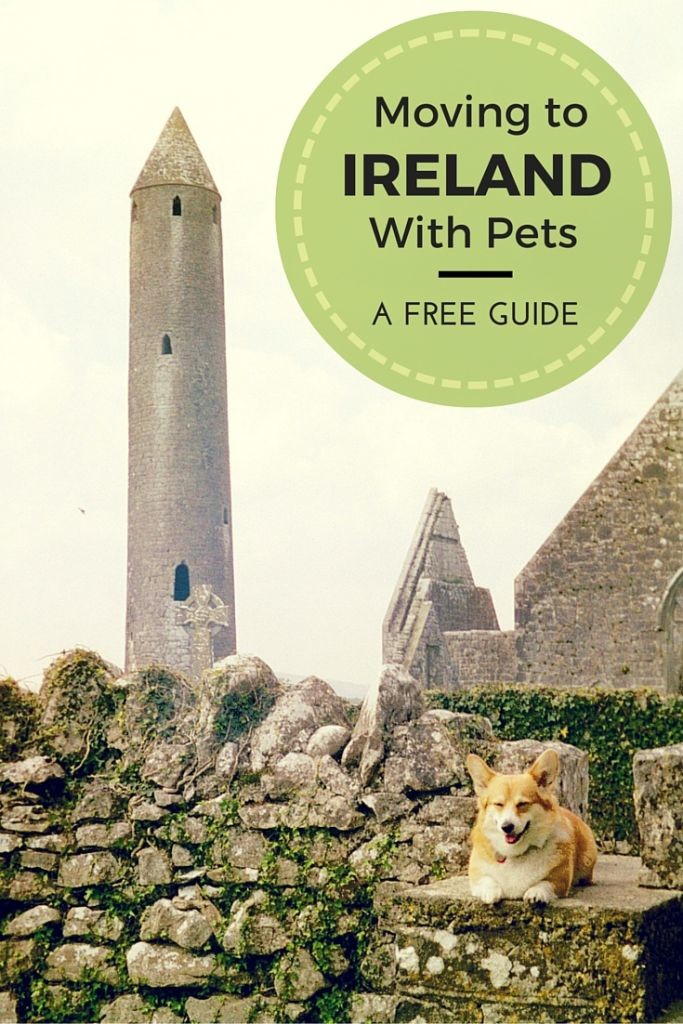
Image Source: relocatingtoireland.com
Checking the Pet Travel Scheme
Ireland is part of a pet travel scheme. This scheme lets pets move easily between member countries. It also covers certain non-EU countries. The main goal is to stop diseases like rabies from spreading. If you follow the rules, your dog will not need Ireland pet quarantine. This is good news! Quarantine used to be needed for all pets. Now it is not, if you do things right.
The rules are simple at heart. Your dog must be:
* Marked with a microchip.
* Vaccinated against rabies.
* Have the right papers.
We will look at each part closely. This helps you get everything ready.
Vital First Steps: Microchip and Rabies Vaccine
The first things you must do involve your dog’s identity and health. These steps are the base for everything else. They must be done in a specific order.
Getting a Microchip for Your Dog
Your dog needs a microchip. This chip must follow ISO standards 11784 and 11785. These are international rules. The microchip is small. A vet puts it under your dog’s skin. It holds a special number. This number links to your contact details.
Why is this needed? The microchip is how officials check your dog’s identity. They scan the chip. This number must match the number on all your dog’s health papers. Think of it as your dog’s ID card.
Important: The microchip must be put in before your dog gets the rabies vaccine. If the vaccine is given first, it is not valid. Your dog would need the vaccine again after getting the microchip. Make sure your vet does this in the right order. This saves you time and trouble later.
Giving Your Dog the Rabies Vaccine
After the microchip is in, your dog needs a rabies vaccine. This is a must for the Ireland pet travel scheme. Rabies is a serious disease. The vaccine protects your dog. It also protects people and animals in Ireland.
The vet gives the shot. The vaccine must meet certain standards. Your vet will know which vaccine to use. After the shot, the vet writes down the details. This includes:
* The name of the vaccine.
* When it was given.
* The batch number.
* The date it is good until.
This information goes into your dog’s health papers.
Learning About the Waiting Period
After the rabies vaccine, you must wait. This waiting time is very important. Your dog cannot travel to Ireland right away. The waiting period is 21 days. It starts the day after the last shot needed for the main vaccine course. For most rabies vaccines, this is just one shot. So, the 21 days start the day after that shot.
Why wait 21 days? This time lets the vaccine start working. It builds up your dog’s protection against rabies. Your dog can travel on day 22 or any day after that. Do not try to travel before day 22. Your dog will not be allowed in. This waiting period is part of the dog microchip and rabies vaccine Ireland rules. It applies to pets coming from EU and listed non-EU countries.
Let’s look at these steps clearly:
- Step 1: Get the microchip.
- Step 2: Wait (maybe a few days).
- Step 3: Get the rabies vaccine (after the microchip).
- Step 4: Wait 21 days (from the day after the vaccine shot).
- Step 5: Travel (on day 22 or later).
Getting these first steps right is key. They are the base for your move.
Getting the Right Travel Papers
Besides the microchip and vaccine, your dog needs papers. These papers prove your dog meets the rules. The type of paper depends on where you are coming from. The main papers are the EU Pet Passport or the Animal Health Certificate.
Checking the EU Pet Passport
If you are moving from an EU country, or certain non-EU countries that use a similar system, your dog will likely need an EU Pet Passport. This is a blue booklet. It is issued by a vet in an EU country. The vet must be allowed to issue these passports.
The EU Pet Passport holds all needed info about your dog. This includes:
* Your dog’s microchip number and where it is on the body.
* The date the microchip was put in.
* Details about the rabies vaccine (date, name, etc.).
* The date the rabies vaccine is good until.
* Details of tapeworm treatment (if needed – more on this later).
* Your details.
* Your dog’s details (breed, colour, name, etc.).
The EU Pet Passport is valid for your dog’s lifetime. It is good as long as the rabies vaccines are kept up to date before they run out. If a vaccine expires, you must get a new one. Then you wait the 21-day period again before travel. The EU pet passport Ireland is the standard document for pets moving within the EU.
Getting the Animal Health Certificate
If you are coming from a non-EU country that is not listed under the pet travel scheme, or from Great Britain (England, Scotland, Wales), your dog will need an Animal Health Certificate (AHC). This is a different type of paper.
An AHC is issued by an official vet in the country you are leaving. It confirms your dog meets all the rules. This includes the microchip, rabies vaccine, and any needed blood tests or treatments. The AHC is only valid for a short time:
* 10 days to enter the EU country (like Ireland) from the date it was issued.
* 4 months for onward travel within the EU (if you plan to visit other EU countries after Ireland).
* 4 months to return to the country it was issued from (if applicable).
Each time you bring your dog from a non-EU listed country or Great Britain back to Ireland, you will need a new AHC. This is different from the EU Pet Passport. The Animal health certificate Ireland is key if you don’t have an EU Pet Passport.
Rules for Bringing Dog to Ireland from US
If you are Bringing dog to Ireland from US, you will need an Animal Health Certificate. The US is a listed non-EU country. The steps are:
1. Microchip first.
2. Rabies vaccine (after microchip).
3. Wait 21 days.
4. Get an AHC from a vet allowed to issue export papers. This vet will check that your dog meets all the rules. The vet will fill out the AHC form. This form is set by EU rules.
5. The AHC must be signed by an official government vet in the US. This adds an extra layer of check.
6. Travel within 10 days of the AHC being issued.
Make sure you use the correct AHC form. You can find this on the website of the Irish Department of Agriculture, Food and the Marine (DAFM). Or ask your vet. Following these steps makes Bringing dog to Ireland from US possible without quarantine.
Rules for Moving Dog to Ireland from UK
The rules for Moving dog to Ireland from UK changed after Brexit. Great Britain (England, Scotland, Wales) is now treated like a non-EU listed country. Northern Ireland remains in the EU Pet Travel Scheme system.
If you are moving your dog from Great Britain:
1. Your dog needs a microchip.
2. Your dog needs a rabies vaccine.
3. You must wait 21 days after the vaccine.
4. You need an Animal Health Certificate (AHC) issued in Great Britain. This AHC must be signed by a vet allowed to issue them. It does not need an official government vet’s signature for travel to the EU/Ireland. (Check the latest rules as this can change slightly).
5. Travel within 10 days of the AHC being issued.
If you are moving your dog from Northern Ireland:
* Northern Ireland is still part of the EU Pet Travel Scheme. Your dog will need an EU Pet Passport issued in Northern Ireland.
* The microchip and rabies vaccine rules still apply.
* No AHC is needed if you have a valid Northern Ireland issued EU Pet Passport.
So, Moving dog to Ireland from UK depends on whether you are coming from Great Britain or Northern Ireland. Check the DAFM website for the most current info on UK rules.
Rules for Other Countries
- From EU Countries: Use the EU Pet Passport. Follow microchip and rabies vaccine rules. Wait 21 days.
- From Listed Non-EU Countries (like Switzerland, Norway, Canada, Australia, etc.): You can use an EU Pet Passport if your dog got one while in the EU before. Or, you will need an Animal Health Certificate issued by an official vet in that country. Follow microchip and rabies vaccine rules. Wait 21 days.
- From Unlisted Non-EU Countries: This is more complex. Besides the microchip and rabies vaccine, your dog will need a blood test. This test checks if the rabies vaccine worked. The blood sample must be taken at least 30 days after the rabies vaccine. Then, you must wait three months from the date the blood sample was taken before your dog can travel. This is a long waiting period! You will also need an Animal Health Certificate from an official vet. Because of the long wait and blood test, many people find it simpler to travel to a listed country first, stay there for three months, and then travel to Ireland under the listed country rules. Ireland pet quarantine might be needed if rules are not fully met when coming from unlisted countries, though this is rare if you follow the blood test and waiting period rules.
Thinking About Tapeworm Treatment
There is one more health step for dogs coming from certain countries: tapeworm treatment.
When is Tapeworm Treatment Needed?
Dogs coming from countries not free from the Echinococcus multilocularis tapeworm need treatment. This tapeworm can be harmful to humans. Ireland, along with the UK, Finland, Malta, and Norway, is free from this tapeworm.
If you are Importing dog to Ireland rules say you must treat your dog for this tapeworm if coming from a country other than these tapeworm-free countries.
This treatment must be given by a vet. The vet gives a specific wormer containing praziquantel (or a similar drug proven to work). The treatment must be given:
* No more than 120 hours (5 days) before your dog is planned to arrive in Ireland.
* No less than 24 hours before your dog is planned to arrive in Ireland.
This means there is a specific time window for the treatment. The vet must record the treatment details in your dog’s passport or AHC. This includes the date and time the treatment was given.
If you are Moving dog to Ireland from UK (Great Britain) or Bringing dog to Ireland from US, this treatment is required, as these countries are not on Ireland’s list of tapeworm-free countries. If you are moving from Northern Ireland, the treatment is not needed. If moving from mainland Europe, check the specific country’s status.
Getting the timing right for this treatment is very important. If it is done too early or too late, your dog might be delayed at the border. Or worse, sent back or put in Ireland pet quarantine.
Planning Your Dog’s Travel
Once all the health steps are done and the papers are ready, you need to plan how your dog will travel. Flying pet to Ireland is a common way.
How Pets Travel
Pets usually travel in a special part of the plane’s cargo hold. This area is temperature-controlled and pressurised, just like the passenger cabin. It is safe for animals.
Your dog will need a proper travel crate. The crate must be approved by IATA (International Air Transport Association). The crate must be:
* Big enough for your dog to stand up fully, turn around, and lie down comfortably.
* Strong and secure, with good air flow.
* Have food and water bowls attached inside, reachable from outside.
* Clearly marked with your name, address, and contact info, and “Live Animal” labels.
Airlines that carry pets have specific rules. You must check with the airline early when booking your own travel. Not all airlines carry pets in cargo. Some only carry small pets in the cabin, but this is usually limited to pets within a certain weight including the carrier. Also, cabin rules for pets might not apply for entry into Ireland under the pet scheme; pets usually must arrive as cargo.
Getting Ready for the Flight
Prepare your dog for the flight. Let them get used to the travel crate before the trip. Make it a safe, happy place. Put familiar toys or blankets inside. Give your dog exercise before the flight. Do not give them food in the hours before travel, to prevent sickness.
Arrange for your dog to be checked at the point of entry in Ireland. Pets arriving under the scheme must enter Ireland through a ‘Travellers’ Point of Entry’. These are Dublin Airport, Shannon Airport, Cork Airport, and Rosslare Europort. There are special areas at these points for checking pets.
When you arrive, you must tell border officials you have a pet. They will check your dog’s microchip and papers (Pet Passport or AHC). They make sure all rules are met.
Other Ways to Travel
Besides Flying pet to Ireland, you can also come by ferry. If you are driving through Europe or coming from the UK, ferries allow pets. Like air travel, ferry companies have rules. Dogs usually stay in special kennels on the car deck or in your car, not in the passenger areas. Check with the ferry company well in advance. You still need all the microchip, vaccine, paper, and tapeworm treatment rules met. You will be checked at the Irish port.
Knowing the Entry Points
As mentioned, pets arriving under the pet travel scheme must come in through a Travellers’ Point of Entry. These are:
* Dublin Airport (DUB)
* Shannon Airport (SNN)
* Cork Airport (ORK)
* Rosslare Europort
If you try to bring your dog in through a different port or airport, it might cause problems. Always use one of the official points of entry.
When you arrive at the point of entry, you must contact the authorities to get your pet checked. At airports, there are usually signs or staff to guide you. It is best to let the Irish authorities know you are coming with a pet beforehand. You can email the DAFM border control staff at the specific entry point you will use. This helps them be ready for your arrival.
What Happens if Things Go Wrong?
Following all the rules is important. If your dog does not meet the Ireland pet entry requirements, there will be problems. The most common issues are:
* No microchip, or chip not readable.
* Rabies vaccine not given, or given too early (before microchip), or vaccine out of date.
* Not waiting the full 21 days after the rabies vaccine.
* Tapeworm treatment not done, or done at the wrong time (if needed).
* Wrong or missing papers.
If there is a problem, the Irish officials have the power to act. What happens depends on the issue. They might:
* Send your dog back to the country it came from. You have to pay for this.
* Put your dog in Ireland pet quarantine. You have to pay for the care and stay. This can be expensive and stressful for your dog.
* In rare, serious cases, they might take other steps.
The goal is to avoid these issues. Double-check all your papers and timings with your vet before travel. Contact the Irish authorities (DAFM) if you are unsure about any rule. It is much better to sort out problems before you travel than at the Irish border.
Comprehending the Ireland Pet Travel Scheme
The Ireland pet travel scheme is how pets can move easily into Ireland. It is based on EU rules. It aims to keep Ireland (and other EU countries) free from rabies and certain tapeworms. The scheme works by making owners prove their pet is microchipped, vaccinated, and healthy.
This scheme means pets from approved countries can come in without quarantine, as long as they meet the checks. It relies on vets and pet owners following the rules correctly.
The main parts of the scheme are:
1. Permanent ID (Microchip)
2. Rabies Vaccination
3. Waiting Period
4. Correct Documentation (Pet Passport or AHC)
5. Tapeworm Treatment (if needed)
6. Entry through an approved point and checks by authorities.
These Importing dog to Ireland rules are there for a good reason – to protect animal and public health. Following them helps you and your dog start your new life in Ireland smoothly.
Getting Your Pet Ready at Home
Before you travel, spend time getting your dog ready. Besides the health steps, think about the journey itself.
* Make sure your dog is used to their carrier or crate if flying.
* Get them used to car travel if coming by ferry or driving.
* Keep their routine as normal as possible before the move.
* Pack a travel bag for your dog: food, water, bowls, leash, toys, maybe a familiar blanket or bed. And of course, their papers!
It is a big change for your dog too. Being prepared helps reduce their stress.
Bringing More Than One Dog?
If you have more than one dog, the rules are the same for each one. Each dog needs its own microchip, rabies vaccine, waiting period, and papers. If coming from a country where tapeworm treatment is needed, each dog must get the treatment at the right time. Make sure you have all the correct documents for every dog travelling with you.
If you are bringing more than 5 dogs, this might be seen as a commercial move (like bringing dogs to sell or rehome). The rules for commercial moves are different and stricter. They involve more health checks and different papers. If you are bringing more than 5 pets, check the DAFM website or contact them. But if it is your own pets moving with you, the rules are for non-commercial movement, and the limit of 5 dogs often does not apply if they are travelling with their owner or a person authorised by the owner. Always best to check if you have a large number of pets.
Costs to Expect
Moving a pet is not free. You will have costs. These can include:
* Microchipping
* Rabies vaccine(s)
* Other needed vaccines or health checks before travel
* Tapeworm treatment
* Getting the EU Pet Passport or Animal Health Certificate from the vet
* Official signing/stamping of papers (if needed)
* Buying an approved travel crate
* Airline or ferry pet transport fees (these can be quite high)
* Fees for checks at the Irish point of entry (sometimes there are small fees)
* Potential costs if rules are not met (quarantine, sending back)
Plan your budget for these costs. Get quotes from vets and transport companies early on.
Finding a Vet in Ireland
Once you arrive in Ireland, you will need a local vet for your dog’s ongoing care. It is a good idea to research vets in the area you plan to live. Register your dog with a vet soon after arriving. Share your dog’s health history with the new vet.
Checking the Latest Rules
Rules for pet travel can change. Before you start the process, always check the latest rules on the official Irish Department of Agriculture, Food and the Marine (DAFM) website. Search for “pet travel Ireland” or “bringing pets to Ireland”. This is the best source for the most current Ireland pet entry requirements.
Other sources, like embassy websites, can also be helpful, but the DAFM site has the direct rules. Planning well ahead is key. Start the process months before you plan to move, especially if you are coming from an unlisted country or need to sort out documents like the AHC.
Table: Summary of Key Requirements
Here is a quick look at the main things you need:
| Requirement | What You Need | Notes |
|---|---|---|
| Microchip | ISO standard 11784/11785 | Must be done before rabies vaccine. |
| Rabies Vaccine | Approved vaccine | Must be given after microchip. |
| Waiting Period | 21 days | Starts day after final primary vaccine shot. |
| Documentation | EU Pet Passport OR Animal Health Certificate (AHC) | Depends on origin country. AHC needed from GB, US, unlisted countries. |
| Tapeworm Treatment | Praziquantel treatment by vet | Needed for dogs from most non-free countries (incl. GB, US). Timed right. |
| Entry Point | Approved Travellers’ Point of Entry | Dublin Airport, Shannon Airport, Cork Airport, Rosslare Europort. |
| Customs/Border Check | Notify officials and present papers | Mandatory check upon arrival. |
This table gives a quick overview. Each point has detailed steps you must follow.
Understanding Country Categories
To make things easier, countries are grouped.
* EU Member States: Use EU Pet Passport. Standard microchip, vaccine, 21-day wait. No tapeworm treatment if coming from Ireland, UK, Finland, Malta, Norway.
* Listed Non-EU Countries: Like US, Canada, Australia, Switzerland, Norway, etc. Use EU Pet Passport (if they had one) or Animal Health Certificate. Standard microchip, vaccine, 21-day wait. Tapeworm treatment needed if not from a country free of the tapeworm (check list).
* Unlisted Non-EU Countries: Any country not in the above lists. Microchip, vaccine, blood test (30 days after vaccine), 3-month wait (from blood sample date). Animal Health Certificate needed. Tapeworm treatment needed.
Knowing your country’s group helps you know exactly which steps and timings apply to your dog.
FAQ: Questions People Often Ask
Here are some common questions about bringing a dog to Ireland.
Q: Can I bring a puppy to Ireland?
A: Puppies must meet the same rules as adult dogs. This means they must be microchipped and vaccinated against rabies. The rabies vaccine can only be given to puppies that are at least 12 weeks old. After the vaccine, there is a 21-day waiting period. So, a puppy must be at least 15 weeks old to travel to Ireland under the scheme. Puppies from unlisted countries would need to be even older due to the blood test and 3-month wait.
Q: What if my dog’s rabies vaccine has expired?
A: If the rabies vaccine expires, you must get a new one. This new vaccine is considered a “primary” vaccine dose again for travel purposes. You must then wait the full 21 days from the date of this new vaccine before your dog can travel. Make sure you keep the vaccine up-to-date by getting boosters before the previous one expires.
Q: Do I need a lawyer or agent to move my dog?
A: No, you do not usually need a lawyer. Many people manage the process themselves by carefully following the official rules. However, some people use pet transport companies or agents. These companies specialize in Flying pet to Ireland and handling the paperwork. They can make the process easier, but they cost money. For complex cases, like coming from unlisted countries or with unusual pets, an agent might be helpful. For standard moves from EU, UK, or US, it is often possible to do it yourself.
Q: What type of microchip is needed?
A: The microchip must be an ISO 11784 and 11785 compliant 15-digit microchip. These chips can be read by standard scanners used in the EU. If your dog has an older or different type of chip, you might need to get a second, compliant chip, or provide your own scanner when you travel. Getting a compliant chip is usually simpler.
Q: How long does the whole process take?
A: The minimum time to prepare your dog is usually about 3-4 weeks (microchip, vaccine, 21-day wait). However, gathering documents, planning travel, and getting appointments can add more time. If coming from an unlisted country needing a blood test, the minimum time is around 4-5 months (vaccine, 30-day wait, blood test, 3-month wait). Start planning many months ahead of your move date, especially if coming from outside the EU/UK/listed countries.
Q: Do these rules apply to other pets like cats or ferrets?
A: Yes, the EU Pet Travel Scheme rules apply to dogs, cats, and ferrets. The general requirements (microchip, rabies vaccine, passport/AHC, waiting period) are the same. Tapeworm treatment is specifically for dogs. Different rules apply to other animals.
Q: Can I enter Ireland with my dog via Northern Ireland?
A: If you are coming from Great Britain and entering the island of Ireland via Northern Ireland, the rules are similar to entering the Republic of Ireland directly. Your dog will need an AHC and must meet all the other requirements. There are specific designated entry points in Northern Ireland as well. If you are travelling from within the EU or Northern Ireland itself, you would use the EU Pet Passport rules.
Moving your dog to Ireland takes careful planning and following steps in the right order. Check official sources often, work closely with your vet, and give yourself plenty of time. Doing this will help ensure your furry friend can join you for your new adventure in Ireland.