
You are facing a tough decision. You may need to find a new home for your dog. You might wonder, “Can I give my dog to the police?” The simple answer is no, you generally cannot give your dog to the police department. Police officers are not trained or equipped to care for pets. Their job is to handle crime and keep people safe. They do not have animal shelters or the right resources for taking in unwanted animals. If you need to find a new place for your dog, you must look at other options like an animal shelter, animal control, or a humane society.
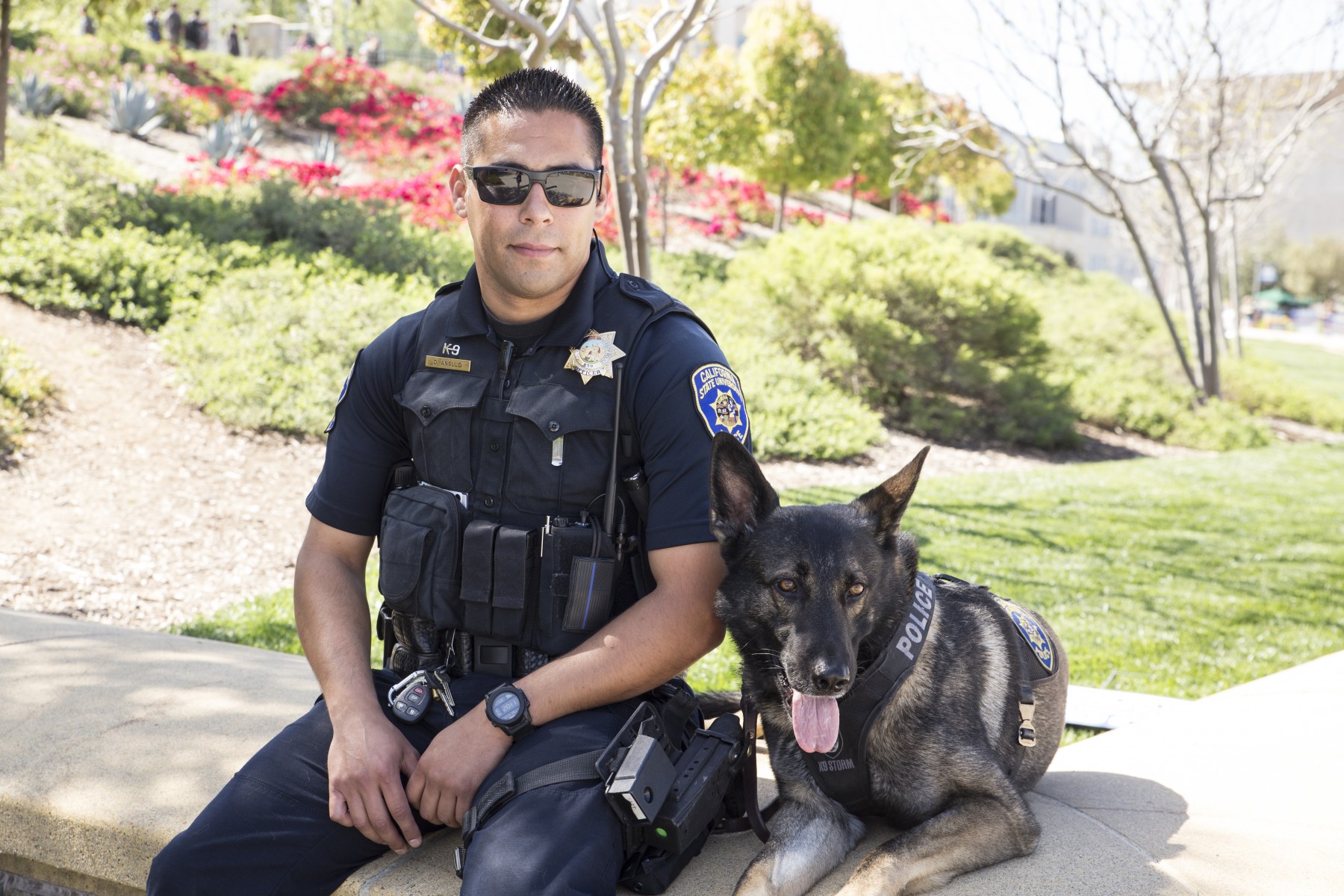
Image Source: content.presspage.com
Finding the Right Place for Your Dog
When you need to give up a pet, it’s a difficult time. It’s important to know where to take an unwanted dog. Sending your dog to the police is not the correct step. They are not the place for surrendering a dog.
Police stations do not have kennels. They do not have staff who know how to care for animals like feeding, walking, or giving medicine. They do not have the space needed for dogs. Their focus is on law enforcement duties, not on running an animal shelter.
Trying to leave your dog at a police station can cause problems. The police would then have to call animal control or local animal services themselves. This takes up their time and is not fair to the dog. The dog would be scared and confused in a police station.
The police are there for emergencies and crimes. They handle situations like dangerous dog attacks in public or if someone reports animal cruelty. But they are not a drop-off point for pets you can no longer keep.
Why Police Are Not for Pet Care
Think about what police officers do every day. They answer calls about problems in the community. They respond to accidents. They deal with crimes. Their main job is about people and public safety.
Here’s why they are not set up for dogs:
- No Space: Police stations have offices and holding cells for people. They do not have safe, clean places to keep dogs.
- No Staff: Police officers are trained for police work. They are not trained animal caregivers. They do not have vets on staff.
- No Supplies: They do not have dog food, leashes, beds, or medicine.
- Different Mission: Their goal is law and order. Caring for surrendered pets is not part of that goal.
When you need to find a new home for your dog, you need to contact groups whose mission is animal care. These are places like an animal shelter or a humane society. Animal control is another part of local animal services, often linked to the shelter system. They deal with animal issues in the community, but they are still the right number to call about lost pets or problems, not usually for you to surrender your own pet directly without an appointment.
Proper Places for Giving Up a Pet
Knowing where to take an unwanted dog is key to making a hard situation better for your pet. The main places to go are animal shelters and rescue groups.
Animal Shelters and Humane Societies
These are the most common places people go for surrendering a dog.
- What they are: Animal shelters and humane society groups are places that take in animals. They care for them and try to find them new homes. They might be run by the city, county, or a private non-profit group.
- Their Goal: Their goal is to protect animals and find them safe places to live. They work hard to help every animal.
- How to Surrender: You usually need to call ahead. They often need you to make an appointment. This helps them manage the number of animals they have and prepare for your dog.
- What to Bring: They will ask for information about your dog. This includes vet records, shot history, how the dog acts, and why you need to give up a pet. There might be a small fee for surrendering a dog. This fee helps them care for your dog.
- What Happens Next: Once your dog is at the shelter, staff will check their health and how they act. They will give them food, water, and a safe place to stay. They will look for a new family to adopt your dog.
It’s important to know that shelters can be full. Sometimes they have long waiting lists. This is why calling ahead is very important. Some shelters are “open admission,” meaning they must take in any animal brought to them. Others are “managed admission,” meaning they may ask you to wait or try to find other options first.
Animal Control
Animal control is part of local animal services. Their main jobs are:
- Picking up reporting a stray dog.
- Handling animal cruelty cases.
- Dealing with dangerous dog situations.
- Making sure people follow animal laws (like leash laws, vaccination rules).
While animal control deals with animals, they are usually not the place you go to drop off a pet you own. They might direct you to the local shelter, which they often work closely with or are part of. If you found a stray dog, you would call animal control to pick it up. If your own dog is lost, you would call them to see if it was found.
If your reason for giving up a pet is due to the dog being a dangerous dog and you cannot safely manage it, animal control might become involved. But even then, they will likely work with the shelter system for what happens next.
Reasons for Surrendering a Dog
People need to give up a pet for many reasons. None of these are easy. Some common reasons include:
- Moving: Some places do not allow pets, or the new place is too small.
- Money Problems: It costs money to feed, groom, and care for a dog’s health.
- Health Problems: A person might get sick and cannot care for their dog.
- Dog Behavior: A dog might have problems like barking too much, being scared, or being too active. Sometimes these issues are too hard for the owner to fix alone.
- Not Enough Time: Work or family life might change, leaving no time for the dog.
- New Baby or Family Member: Sometimes new people in the home do not get along with the dog or have allergies.
No matter the reason, finding what to do with a dog I can’t keep is a serious task. Doing it the right way means finding a safe place like an animal shelter or humane society.
The Process of Surrendering a Dog Safely
Let’s look closer at how you surrender a dog to a proper place like an animal shelter.
Step 1: Call the Shelter or Rescue Group
- Do not just show up with your dog.
- Call them first. Explain that you need to give up a pet.
- Ask about their process for surrendering a dog.
- Find out if they have space and if you need an appointment.
- Ask about any fees.
- Ask where to take an unwanted dog – they might have one location or a few.
Step 2: Gather Information and Records
- Collect all your dog’s papers. This includes shot records, vet visits, and any history of health problems.
- Write down everything you know about your dog.
- Their age, breed (if known), name.
- How they act around people (adults, kids) and other animals (dogs, cats).
- What they like and dislike.
- If they have fears (like storms or loud noises).
- If they have any training.
- Why you need to give up a pet. Be honest. This helps the shelter find the right new home.
Step 3: Prepare Your Dog
- Make sure your dog has a collar with their name, even if you are surrendering them.
- Bring their favorite toy, bed, or blanket if you can. This can help them feel safer.
- Make sure they are clean and groomed if possible. A clean, happy-looking dog has a better chance of finding a new home.
Step 4: Go to the Appointment
- Arrive on time for your appointment.
- Be ready to spend some time filling out papers and talking to staff.
- Saying goodbye is hard. It’s okay to feel sad. You are trying to do what you think is best for your dog.
What Happens After Your Dog is Surrendered
Once your dog is at the animal shelter or humane society, their journey to a new home begins.
- Check-in: The staff will check your dog’s health. They will look for injuries or signs of sickness. They will give any needed shots.
- Evaluation: They will watch how your dog acts. This helps them decide if the dog is ready for adoption. They will check if the dog is friendly, scared, or has behavior issues.
- Care: The dog will get food, water, and a clean place to sleep. Staff and volunteers will walk and play with them.
- Finding a Home: The shelter will try to find a new family for your dog. They will put the dog on their website. People looking to adopt will visit the shelter.
- Holding Period: Some shelters have a time they must hold a dog before they can be adopted, especially if there’s a chance the dog is lost and an owner might be looking. For owner surrendering a dog, this period might be shorter.
It is sad to think about, but sometimes shelters have too many animals. If a dog is very sick, very old with little hope, or has serious behavior problems that make them unsafe, the shelter might have to make a very hard choice (euthanasia). Shelters try very hard to avoid this. They work with trainers and vets to help animals. Adopting or fostering helps shelters save more lives.
Alternatives to Giving Up Your Dog
Before you give up a pet, think about other options. Maybe there’s a way to keep your dog.
Training and Behavior Help
If your dog has behavior problems, training might help.
- Talk to a dog trainer. They can teach you how to fix many issues.
- Ask the animal shelter or humane society for advice. They often have resources or can suggest trainers.
- Simple problems like house training or pulling on the leash can often be fixed. More complex problems like fear or aggression might need more help.
Finding Financial Help
Sometimes money is the problem. Caring for a dog costs money.
- Look for pet food banks in your area. Many places offer free pet food to people who need help.
- Ask vets if they offer payment plans.
- Look into charities that help people pay for vet bills. Groups like RedRover or Frankie’s Friends can help in some cases.
- Check with local animal services. They might know about resources in your community.
Rehoming Your Dog Yourself
You can try to find a new home for your dog yourself. This is sometimes called private adoption.
- Pros: You can meet the new family and choose who gets your dog. Your dog might go right into a new home without staying in a shelter first.
- Cons: It takes a lot of work. You must screen people carefully. You need to make sure they are good people who will care for your dog well. There is a risk the dog could end up in a bad situation or at a shelter anyway if the new home doesn’t work out.
- How to do it:
- Take good photos of your dog.
- Write an honest profile about your dog’s personality, needs, and why you need to give up a pet.
- Ask for a rehoming fee to help make sure the person is serious.
- Meet the person and the dog in a neutral place first.
- Visit their home to see where the dog will live.
- Check references (like a vet reference if they have had pets before).
- Use a rehoming contract.
Some websites and groups help people rehome their pets directly. This can be a good middle ground between finding someone yourself and surrendering a dog to a shelter.
Situations Where Animal Control Gets Involved
We talked about how animal control is not for owner surrenders. But they are important for other animal issues.
Reporting a Stray Dog
If you see a dog loose, you should contact animal control or your local animal services.
- Why: A stray dog could be lost and its owner is looking. It could also be in danger from cars or other animals. It might be scared or even hurt.
- What to do: Do not try to catch a stray dog yourself unless you are sure it is safe. Call animal control. Give them the location and a description of the dog.
- Police role: Sometimes people call the police about a stray. The police will likely tell you to call animal control. They might respond if the dog is causing a traffic hazard or seems like a dangerous dog.
Dangerous Dog Situations
If a dog is acting mean or has bitten someone, this is a public safety issue.
- Who to call: Call animal control right away. If there is an immediate threat to people, call the police non-emergency number. In a true emergency (like an attack), call 911.
- What happens: Animal control will investigate. They might take the dog away. There are laws about dangerous dog breeds or dogs that have bitten people. The outcome depends on the laws in your area and what happened.
In these cases, the police might be the first people you talk to, especially if it’s an emergency. But they will hand the case over to animal control because they are the experts in animal behavior and laws.
Finding Local Animal Services
So, if you need to give up a pet, report a stray dog, or have another animal problem, you need to find your local animal services.
- Search Online: Search for “Animal shelter near me,” “Humane society near me,” or “Animal control + [your city/county].”
- Check City or County Website: Government websites usually list the contact info for animal control or animal services departments.
- Ask Your Vet: Vets work with shelters and rescues often. They can give you local contacts.
It is important to have the correct contact information ready. Do not call the police general number for these issues, as they will just redirect you.
Comprehending the Legal Side (Simply)
You asked if you can give your dog to the police legally. The act of surrendering a dog to an approved facility like an animal shelter or humane society is legal. It means you are giving up your ownership in a responsible way, trusting the facility to care for the animal and find it a new home.
What is not legal in most places is abandoning your dog. This means leaving your dog somewhere unsafe, like tied up outside a store, in a park, or just letting them go loose. Abandonment is considered animal neglect or cruelty and can have legal penalties.
Choosing to give up a pet to an animal shelter or humane society is the legal and responsible way to handle what to do with a dog I can’t keep.
Making the Hard Choice
Deciding you can no longer care for your dog is one of the hardest choices a pet owner can face. It is okay to feel sad, guilty, or stressed. But it is important to remember you are trying to find the best path for your dog’s future.
- Think ahead: If you think you might need to give up a pet soon, start making calls early. Shelters need time to prepare.
- Be honest: When you talk to shelter staff, tell them everything about your dog. This helps them place your dog in the right home.
- Consider alternatives: Revisit the options like training, financial help, or finding a friend or family member who could take the dog.
- Focus on the dog’s needs: Your goal is to find a safe, loving place for your dog to live.
Choosing a proper animal shelter or humane society gives your dog the best chance of finding a new, forever home. It shows you care about what to do with a dog I can’t keep in a responsible way, even when it hurts.
Summary: Where to Go, Where Not to Go
To sum it up, when you need to find a new home for your dog:
- Do NOT go to the police station. They are not set up for it.
- Do NOT abandon your dog. This is illegal and harmful to the dog.
- DO contact your local animal shelter, humane society, or rescue group. These are the right places for surrendering a dog.
- DO call animal control or local animal services for stray animals or dangerous animal problems.
Finding where to take an unwanted dog requires planning and contacting the right organizations. These groups are there to help animals and people in your community.
Frequently Asked Questions
Here are some common questions people ask when they need to find a new home for their dog.
h4 What is the difference between animal control and an animal shelter?
Animal control is usually a government group. They deal with animal laws, picking up strays (reporting a stray dog), and public safety from animals (dangerous dog). An animal shelter or humane society is a facility (often run by a non-profit) that takes in surrendering a dog from owners or from animal control. They care for animals and try to find them new homes through adoption. They often work together.
h4 Will I be charged a fee for surrendering a dog?
Often, yes. Shelters may ask for a fee for surrendering a dog. This fee helps cover the costs of caring for your dog, like food, shots, and medical checks. Ask about fees when you call the shelter.
h4 What happens if the animal shelter is full?
If a shelter is full, they might ask you to wait for space to open up. This is why calling ahead is very important. They might also suggest other nearby shelters or rescue groups, or give you advice on rehoming the dog yourself (what to do with a dog I can’t keep alternatives).
h4 Can I take my dog to any animal shelter, even in a different town?
Most animal shelters are set up to serve the animals and people in their local area (city or county). Some may only accept dogs from that specific area. Call them first to check their rules on surrendering a dog if you live outside their area.
h4 Is surrendering my dog my only option?
No. Before giving up a pet, explore other options. These include training for behavior problems, finding financial help for care costs, or trying to rehome your dog directly to a trusted person or through a rehoming service. Think carefully about what to do with a dog I can’t keep.
h4 What if I found a lost dog? Should I call the police?
No, do not call the police main number. If you found a stray dog (reporting a stray dog), call your local animal services or animal control. They are the ones who can pick up the dog, check for a microchip, and help the owner find it. You can also check with local vets or post on local lost pet social media groups after contacting animal control.