
Can I give my dog raw chicken bones safely? Yes, you often can, but it needs careful thought and planning. Many dog owners give raw chicken bones to their dogs as part of a raw diet. This can bring real health benefits. However, there are important safety rules to follow. Not all raw bones are safe. Also, not all dogs can handle them. We will look at how to do this in a safe way for your dog.
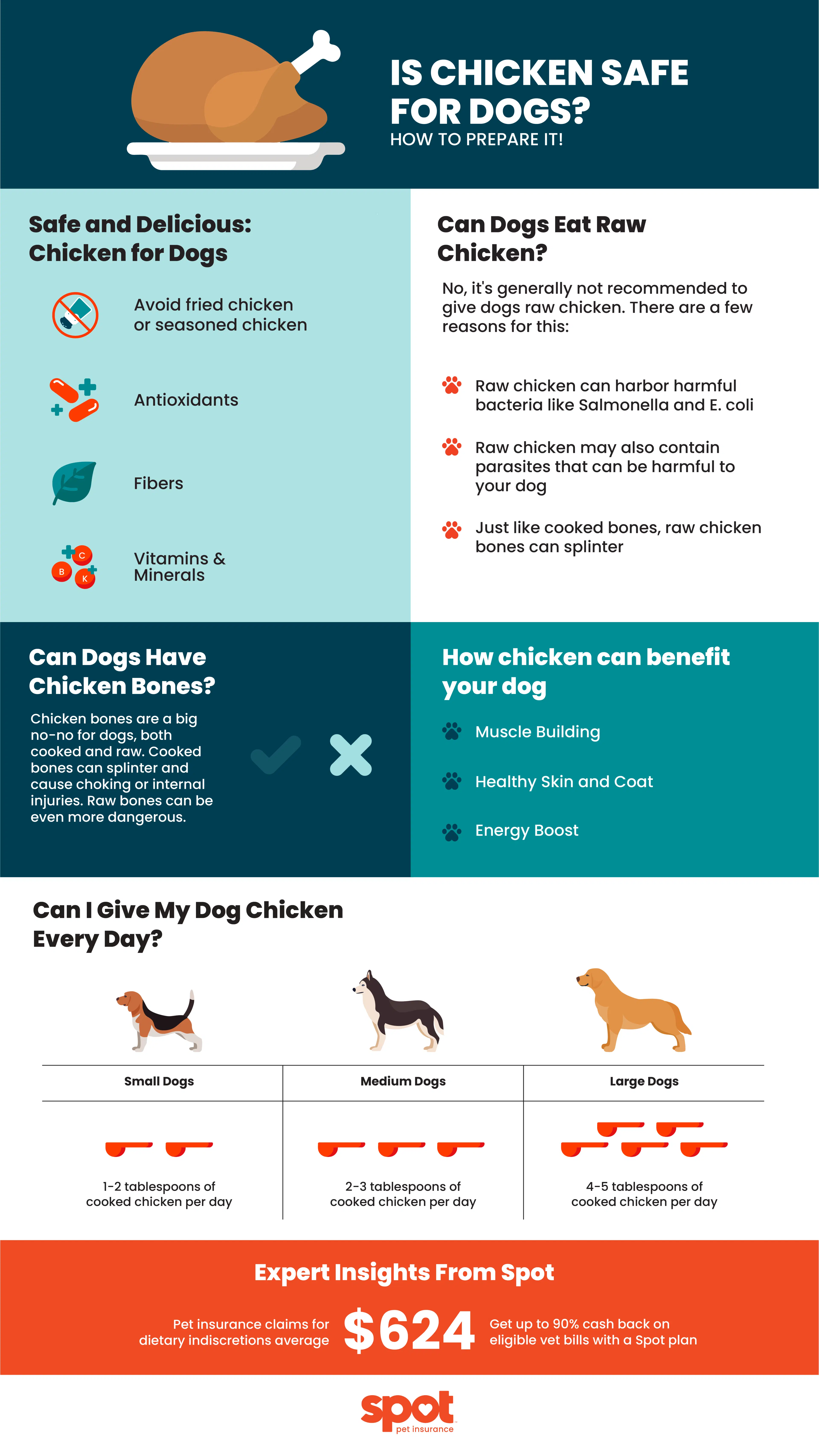
Image Source: spotpetinsurance.ca
A Closer Look at Raw Chicken Bones for Dogs
Giving your dog raw chicken bones might seem scary at first. Many people think all bones are bad for dogs. But there is a big difference between raw bones and cooked bones. Raw bones are soft enough to bend. Cooked bones are hard and brittle. This simple fact is key to raw bone safety.
Dog Raw Bone Safety: What You Need to Know
When we talk about giving bones, we mean raw bones only. Never give your dog cooked bones. We will talk more about why cooked bones are bad later. Raw bones are natural. They are a great part of a healthy diet for many dogs. They offer good nutrition. They also help keep teeth clean.
For safe feeding, look at your dog’s chewing habits. Some dogs gulp food. Others chew slowly. Dogs that gulp may face higher risks with bones. Always watch your dog when they eat bones. This is a very important rule.
The size of the bone matters a lot. A bone should be too big for your dog to swallow whole. It should be small enough to fit in their mouth. But it should also be big enough that they have to chew it. If they can just gulp it down, it’s too small.
The Danger of Splintering Raw Chicken Bones
One big worry for dog owners is bones splintering. This means the bone breaks into sharp, small pieces. These sharp pieces can hurt your dog. They can cut their mouth, throat, or stomach. This is a real risk with cooked bones. Cooked bones dry out. They become hard and brittle. They break easily into sharp shards.
Raw bones are different. They have moisture. They are flexible. They tend to crush and crumble, not splinter. Think of a raw chicken wing. You can bend it. If you try to break it, it crushes. It does not snap into sharp pieces. This makes them much safer than cooked bones. Still, very small or thin raw bones can pose a risk. Bones like chicken drumstick bones can be too dense for smaller dogs. They might break into smaller, gulp-able pieces. This is why choosing the right type of raw bone is very important.
Raw Chicken Bones Choking Hazard: How to Prevent It
Even raw bones can be a choking hazard. This happens if a dog tries to swallow a bone that is too big. Or if they try to swallow it too fast. It’s important to choose bones that are the right size.
Here’s how to lower the risk of choking:
- Right Size: Pick bones that are a bit too big for your dog to swallow quickly. They should need to chew it. For example, a whole chicken back or a large turkey neck is good for a big dog. A raw chicken neck or wing might be better for a small dog.
- Supervision: Always watch your dog when they are eating bones. Do not leave them alone with a bone. If they start struggling, you need to be there to help.
- Slow Eating: Some dogs eat too fast. You can hold one end of the bone. This makes them chew more slowly. Or you can use a bone holder if you have one.
- Mealtime Bones: Give bones during meal times. This is when your dog is often less frantic about food. They may chew more calmly.
- No Competition: Give bones when other pets are not around. This stops dogs from eating too fast because they fear another dog will take their bone.
- Bone Type: Choose bones that are “soft” bones. These include chicken necks, wings, and backs. They are easier to chew up fully. Harder, denser bones like leg bones are riskier for many dogs.
By following these simple steps, you can greatly reduce the choking risk.
Salmonella Raw Bones Dogs: Is It a Real Risk?
Salmonella is a type of bacteria. It can make people and animals sick. This is a common worry with raw meat, including raw bones. Yes, raw chicken can carry salmonella.
However, a dog’s digestive system is different from a human’s. Dogs have very strong stomach acid. This acid is much stronger than ours. It can often kill bacteria like salmonella. Dogs also have short digestive tracts. Food moves through them quickly. This gives bacteria less time to grow.
Most healthy dogs can handle salmonella without getting sick. Their bodies are made to process raw meat. But some dogs might be more at risk. This includes very young puppies. It also includes old dogs. And dogs with weak immune systems or sick dogs. For these dogs, raw feeding might be a risk. Always talk to your vet if you are unsure.
Even if your dog does not get sick, they can still carry the bacteria. This means they can pass it to humans. This is called cross-contamination.
Here’s how to handle raw bones safely for everyone:
- Wash Hands: Always wash your hands well with soap and water after touching raw bones.
- Clean Surfaces: Clean all surfaces that touch the bones. Use hot, soapy water. Then use a pet-safe cleaner.
- Separate Bowls: Use a separate bowl for raw bones. Clean it after every use.
- Outdoor Feeding: Consider feeding bones outside. This makes cleanup easier. It also keeps bacteria out of your house.
- Discard Leftovers: Throw away any bone pieces your dog leaves behind after an hour or two. Do not let them sit out.
By taking these steps, you lower the risk of salmonella for both your dog and your family.
Why Feed Raw Bones? Benefits of Feeding Raw Bones to Dogs
Feeding raw bones offers many good things for your dog. It is not just about safety. It is also about health and happiness.
Nutritional Value: Raw bones are a rich source of many good things. They provide calcium and phosphorus. These minerals are key for strong bones and teeth. They also offer other important minerals like magnesium and zinc. Bones also contain bone marrow. This marrow has fats, vitamins, and minerals. It is a very rich food. Connective tissues on bones also offer protein and collagen. This is good for joints and skin.
Mental Stimulation: Chewing on a raw bone is hard work. It takes time and focus. This can be very calming for dogs. It helps ease boredom. It can lower stress and anxiety. It gives them a job to do. This mental workout is just as important as physical exercise.
Dental Health Raw Chicken Bones: A Natural Toothbrush
This is one of the biggest benefits. Chewing raw bones helps keep your dog’s teeth clean. As dogs chew, the bone scrapes against their teeth. This action helps remove plaque and tartar. Plaque is a sticky film of bacteria. Tartar is hardened plaque. Both can lead to bad breath, gum disease, and tooth decay.
Think of it like brushing teeth. The bone acts like a natural toothbrush. It cleans hard-to-reach spots. This can lead to:
- Cleaner Teeth: Less plaque and tartar buildup.
- Fresher Breath: Less bacteria means less bad smell.
- Healthier Gums: Chewing can stimulate gums, keeping them healthy.
- Stronger Jaw Muscles: The chewing action builds jaw strength.
While bones are great for teeth, they do not replace a full dental care plan. Regular vet check-ups are still important. Brushing your dog’s teeth if they allow it is also a good idea. But raw bones can greatly reduce the need for professional dental cleanings. This saves money and stress for both you and your dog.
Cooked Chicken Bones for Dogs: A Firm No
We keep saying this, but it is worth saying again. Never give your dog cooked chicken bones. Or any cooked bones. This includes bones from your dinner plate. This is the biggest danger.
Why are cooked bones so bad?
Cooking changes the bone’s structure. Heat makes the bone brittle. It removes moisture. When a dog chews a cooked bone, it can shatter. It breaks into sharp, pointed shards. These shards are like tiny daggers.
Here are the dangers:
- Mouth and Throat Injuries: Sharp pieces can cut your dog’s mouth, tongue, or gums. They can also get stuck in the throat.
- Choking: A broken, sharp piece can get stuck in the windpipe. This can block breathing.
- Internal Cuts and Punctures: If swallowed, sharp bone pieces can cut the esophagus, stomach, or intestines. This can cause very serious, life-threatening internal bleeding.
- Blockages: Bone fragments can clump together. They can block the digestive tract. This is a severe problem. It often needs emergency surgery.
- Constipation: Bone fragments can cause very hard stools. This makes it hard for your dog to poop. It can be painful.
So, while raw chicken bones can be safe, cooked chicken bones are never safe. Always throw away cooked bones. Keep them far away from your dog.
Which Raw Bones Are Safe? Types of Raw Bones Safe for Dogs
Not all raw bones are created equal. Some are better than others. It is important to pick the right kind.
We generally divide raw bones into two types:
-
Edible Bones: These are hollow or softer bones. They are meant to be eaten and digested. They are a source of nutrients. Examples include:
- Chicken necks
- Chicken wings
- Chicken backs
- Chicken frames (whole body minus breast meat)
- Turkey necks (for larger dogs)
- Duck necks and wings
These bones are soft enough to be crushed and digested. They should be chosen based on your dog’s size. A small dog should get a smaller bone like a chicken wing. A large dog can handle a bigger bone like a turkey neck.
-
Recreational Bones: These are larger, denser bones. They are not meant to be eaten whole. They are for chewing only. They provide mental stimulation and help clean teeth. Examples include:
- Raw beef marrow bones
- Raw knuckle bones
- Raw beef rib bones
These bones are very hard. Your dog should not be able to eat them all. The main purpose is to chew off the meat, fat, and marrow. They also scrape teeth. Always pick a recreational bone that is too big for your dog to swallow. Once the meaty parts are gone, or if the bone starts to break, throw it away. Do not let your dog keep chewing on it until it becomes small enough to swallow. Recreational bones can still cause tooth fractures if a dog chews too hard on them.
Things to consider when choosing raw bones:
- Size: The bone should be large enough that your dog cannot swallow it whole. But not so large that it is too hard to chew.
- Type: Stick to edible bones like chicken necks and wings for daily feeding. Use recreational bones less often, and always supervise closely.
- Source: Get bones from a reliable source. Look for human-grade raw meat suppliers or butchers. This helps ensure quality and safety.
- Freshness: Always use fresh bones. Store them properly in the freezer until ready to use. Thaw in the fridge.
Raw Chicken Necks for Dogs: A Popular Choice
Raw chicken necks are a favorite among raw feeders. They are often a good starting point for dogs new to bones.
Why are they so popular?
- Size: They are a good size for many dogs. Small dogs can often handle a whole neck. Larger dogs might eat several.
- Softness: They are mostly cartilage and small, soft bones. This makes them easy to chew and digest. They are less likely to cause problems than harder bones.
- Nutrient-Rich: Chicken necks provide calcium, phosphorus, protein, and other good things.
- Dental Benefits: Chewing the neck helps clean teeth effectively.
How to give raw chicken necks:
- Start Slow: If your dog is new to bones, give a small piece first. Watch them closely.
- Supervise: Always watch your dog while they eat a chicken neck.
- Proper Size: Make sure the neck is big enough for your dog to chew, not swallow whole. Some very small dogs might find a whole neck too big. For these dogs, you might start with chicken wings.
Raw chicken necks are a safe and healthy option for many dogs. They offer great benefits with lower risks compared to other bones.
Preparing and Serving Raw Bones Safely
Giving raw bones needs a bit of planning. Proper preparation is key.
- Source Matters: Buy raw bones from a trusted source. This could be a butcher or a raw pet food supplier. Make sure they are fresh and for human consumption.
- Storage: Store raw bones in the freezer. Thaw them in the refrigerator before giving them to your dog. Do not thaw them on the counter. Do not cook them.
- Hygiene:
- Wash your hands before and after handling raw bones.
- Use a separate cutting board and knife for raw meat and bones.
- Clean all surfaces, bowls, and tools that touched the bones with hot, soapy water. Then disinfect them.
- Consider feeding your dog outside or on a surface that is easy to clean, like a non-porous mat.
- Introducing Bones:
- Start slowly. Give a small bone like a chicken wing or neck.
- Give it after your dog has eaten some of their regular food. This makes them less frantic.
- Always supervise your dog closely, especially at first.
- Watch for any signs of discomfort or difficulty.
- Supervision is Key: Never leave your dog alone with a bone. If they gulp or seem to struggle, step in. You may need to hold the bone or take it away if it becomes too small.
- Duration: Do not let your dog chew on a bone for hours and hours. For edible bones, they should finish it. For recreational bones, take them away after 15-30 minutes, especially if your dog is an aggressive chewer.
- Discarding: Throw away any bone pieces your dog leaves behind after an hour or two. Do not let them sit out.
Veterinary Opinion Raw Bones: What Do Experts Say?
When it comes to raw bones, vets have different views. This can be confusing for dog owners.
- Traditional Vets: Many traditional vets advise against feeding any bones, raw or cooked. Their main worry is the risk of choking, tooth breaks, or internal injury. They are taught that these risks outweigh the benefits. They also worry about bacterial contamination. They may have seen severe cases from owners who gave bones unsafely.
- Holistic or Integrative Vets: Many vets who focus on holistic or natural pet health support raw feeding. This includes raw bones. They believe in the natural diet of dogs. They see the benefits for dental health and nutrition. They focus on safe feeding practices and proper bone choice.
What should you do?
It is important to talk to your vet. Tell them you are thinking about giving raw bones. Ask about their concerns. Listen to their advice. If your vet is strongly against it, ask them to explain why. You might also seek a second opinion from a vet who has experience with raw feeding.
No matter what, your vet should be aware of your dog’s diet. They can offer advice based on your dog’s health. They can check their teeth. They can also help if problems arise. Building a good relationship with your vet is crucial. This helps you make the best food choices for your dog.
| Feature | Raw Bones | Cooked Bones |
|---|---|---|
| Texture | Soft, flexible, crushable | Hard, brittle, likely to splinter |
| Splintering Risk | Low, tends to crumble | Very High, creates sharp shards |
| Choking Hazard | Possible if too small or swallowed whole | High due to splintering and sharp edges |
| Dental Benefits | Excellent for scraping plaque and tartar | None, can cause tooth fractures |
| Nutritional Value | High: calcium, phosphorus, marrow, fats, vitamins | None, nutrients destroyed by cooking |
| Internal Injury Risk | Low, if chosen and fed safely | Very High: cuts, punctures, blockages |
| Bacterial Risk (e.g., Salmonella) | Possible, but dogs’ digestive systems handle it better; risk to humans from cross-contamination | Possible, though cooking kills bacteria, bone structure is the main issue |
| Recommendation | Generally safe with proper selection & supervision | Never recommended |
Making an Informed Choice
Deciding whether to give your dog raw chicken bones is a big step. It needs careful thought. It is not a decision to take lightly.
You have learned about the risks and how to lower them. You have also seen the many benefits. Raw bones can be a great addition to a dog’s diet. They can boost dental health. They can provide key nutrients. They can also keep your dog mentally happy.
But it is vital to remember:
- Raw is Key: Never give cooked bones.
- Supervise Always: Watch your dog when they eat bones.
- Choose Wisely: Pick the right size and type of bone for your dog.
- Hygiene Matters: Practice strict cleanliness.
- Know Your Dog: Some dogs are not suited for bones. This includes dogs who gulp, or those with dental issues or very sensitive stomachs.
- Vet Talk: Talk to your vet about your plans.
By taking these steps, you can help make raw bones a safe and healthy part of your dog’s life. It is about being a responsible pet owner. It is about giving your dog the best chance to thrive naturally.
Frequently Asked Questions (FAQ)
Q1: Can puppies have raw chicken bones?
A1: Yes, puppies can often have raw chicken bones. Start with very soft bones like raw chicken wings or necks. They are good for puppies. Always supervise them closely. Puppies need the calcium for growing bones. Wait until they are at least 8-10 weeks old. Make sure they are old enough to chew properly.
Q2: How often can I give raw chicken bones?
A2: For edible bones, like necks and wings, you can give them a few times a week. Or they can be part of their daily meal if they are eating a full raw diet. For harder recreational bones, like marrow bones, give them less often. Maybe once a week or every two weeks. And only for a short time, like 15-30 minutes.
Q3: What if my dog swallows a bone whole?
A3: If your dog swallows a bone whole, watch them very closely. If it is a small, edible raw bone like a chicken neck, it may pass without problems. But if it is too big or seems to be causing trouble (gagging, choking, drooling, distress), get to a vet right away. This is a medical emergency. This is why choosing the right size bone is so important.
Q4: Are raw bones good for digestion?
A4: Yes, raw bones can be good for digestion. The bone provides calcium and phosphorus. This helps create firm, healthy stools. It also helps bulk up the stool. The fiber and nutrients can also aid gut health. However, too many bones can cause constipation. Start small. Watch your dog’s stool.
Q5: Should I freeze raw chicken bones first?
A5: You can freeze raw chicken bones for storage. This keeps them fresh. But always thaw them before giving them to your dog. Do not give your dog a frozen bone. Frozen bones are much harder. They can break teeth. Thaw them completely in the refrigerator before feeding.