
Can I Give My Dog Jello? Risks; Benefits & Vet Advice.
Is Jello safe for dogs? Generally, no, most human Jello is not safe for dogs. Can dogs have flavored gelatin? No, flavored gelatin often has ingredients harmful to dogs. These include artificial sweeteners, especially xylitol, and high sugar content. While plain, unflavored gelatin can offer some health benefits for dogs, the colorful, sweet dessert Jello from the grocery store aisle is a risky treat for your furry friend. It is best to avoid giving your dog pre-made Jello.
Your dog is a special part of your family. You want to keep them healthy and happy. This means being careful about what they eat. Sometimes, people wonder if sharing human foods like Jello is okay. Jello seems harmless. It is a sweet, wiggly treat. But for dogs, it is not so simple. This guide will help you learn the truth about Jello and your dog. We will look at the dangers and any possible benefits. We will also share what vets say.
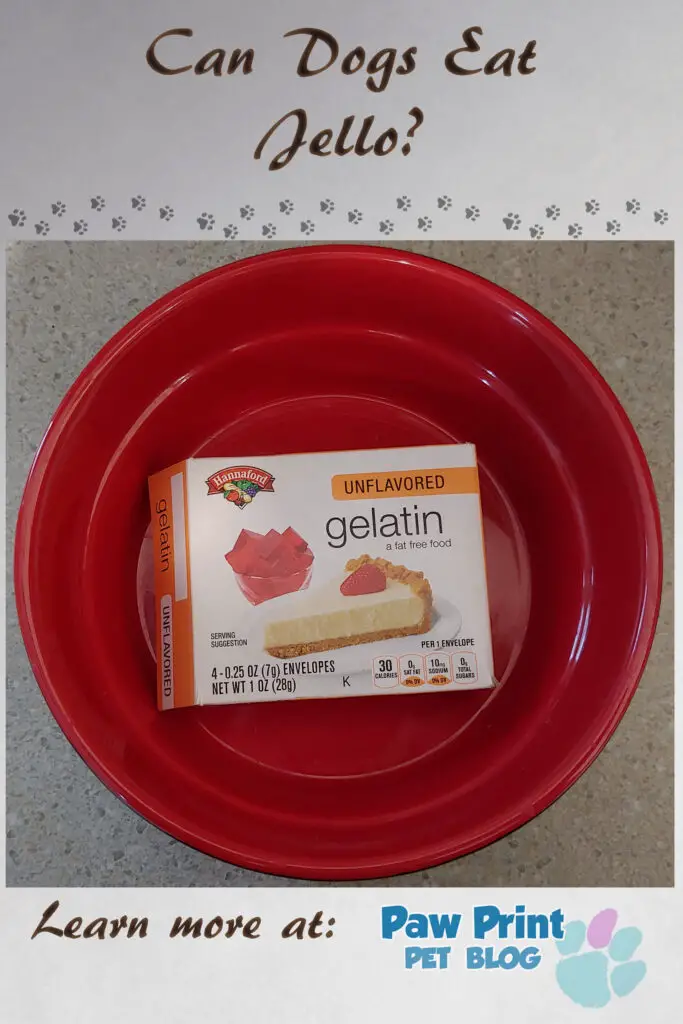
Image Source: www.pawprintpetblog.com
Fathoming the Dangers of Flavored Jello for Dogs
Many people think Jello is just water, sugar, and gelatin. But most Jello made for humans has more than that. These extra ingredients can be very bad for dogs. When we ask, “Is Jello safe for dogs?” for the sweet, colorful kind, the answer is a clear “no.” The risks of a dog eat gelatin dessert often outweigh any perceived fun. Let us explore why.
The biggest danger comes from what is added to Jello to make it taste good and look appealing. These additions are what make regular Jello bad for pets.
Harmful Ingredients in Jello for Pets
Regular Jello contains several things that are not good for dogs. Some of these are truly dangerous. Others can cause upset stomachs or long-term health problems.
-
Sugar:
- The Problem: Most flavored Jello has a lot of sugar. Dogs do not need extra sugar in their diet.
- What Happens: Too much sugar can cause many issues for dogs.
- Weight Gain: Extra calories from sugar lead to dogs getting fat. Obesity can cause joint problems, heart disease, and trouble breathing.
- Diabetes: Just like in humans, high sugar intake can make dogs more likely to get diabetes. This is a serious condition that needs lifelong care.
- Dental Problems: Sugar sticks to teeth. This can lead to cavities and gum disease in dogs.
- Upset Stomach: A large amount of sugar can cause vomiting, diarrhea, or gas. Your dog might feel very sick.
- Summary: Sugar in Jello offers no health benefits to dogs. It only brings risks.
-
Artificial Sweeteners (Especially Xylitol):
- The Problem: This is one of the most serious dangers. Many “sugar-free” or “diet” Jello products use artificial sweeteners. Xylitol is a very common one. It is extremely toxic to dogs.
- The Dangers of Xylitol for Dogs:
- Xylitol is a sugar alcohol. It is safe for humans but deadly for dogs.
- When a dog eats xylitol, their body quickly releases a lot of insulin. Insulin helps sugar go into cells. With too much insulin, blood sugar levels drop very fast. This is called hypoglycemia.
- Hypoglycemia can happen in just 10-60 minutes after eating xylitol. It can be life-threatening.
- Xylitol can also cause severe liver damage and even liver failure in dogs. This can happen even with small amounts.
- Symptoms of Xylitol Toxicity Dogs:
- Vomiting
- Weakness or trouble standing
- Loss of coordination (stumbling, walking like they are drunk)
- Seizures
- Tremors (shaking)
- Coma
- In severe cases, death.
- What to Do if Dog Eats Xylitol:
- Act fast! If you think your dog ate anything with xylitol, call your vet right away. This is an emergency.
- Do not wait for symptoms. Early treatment is key.
- Your vet might tell you to bring your dog in for immediate care. They might try to make your dog throw up. They might give your dog IV fluids or other medicines to raise blood sugar.
- Always check food labels for xylitol or other artificial sweeteners. It is in many products, not just Jello.
-
Artificial Colors and Flavors:
- The Problem: Jello comes in many bright colors and fruit flavors. These are made with artificial dyes and chemicals.
- What Happens: While not as immediately toxic as xylitol, artificial colors and flavors are not natural for dogs.
- Some dogs can have allergic reactions to these additives. This might show up as skin irritation, itching, or digestive upset.
- There is also concern about the long-term effects of these chemicals on overall dog health. They offer no nutritional value. It is best to avoid them.
- Summary: These ingredients add no benefit and can pose risks.
-
Preservatives and Other Additives:
- The Problem: Processed foods often contain preservatives to make them last longer. They can also have other fillers.
- What Happens: These can cause digestive issues in sensitive dogs. They also add no positive value to a dog’s diet.
Table: Common Jello Ingredients and Their Impact on Dogs
| Ingredient Type | Examples | Impact on Dogs | Risk Level |
|---|---|---|---|
| Sweeteners | Sugar | Weight gain, diabetes, dental problems, upset stomach | Moderate to High |
| Xylitol | Extremely toxic, rapid blood sugar drop (hypoglycemia), liver failure, death | Very High (Emergency) | |
| Other Artificial Sweeteners (e.g., aspartame, sucralose) | Generally not as toxic as xylitol, but can cause digestive upset and unknown long-term effects. | Low to Moderate | |
| Colors | Artificial Dyes (e.g., Red 40, Yellow 5) | Potential allergic reactions, no nutritional value | Low |
| Flavors | Artificial Flavors | Potential allergic reactions, digestive upset, no nutritional value | Low |
| Preservatives/Additives | Various chemicals | Potential digestive upset, not natural for dogs | Low |
What Happens if Dog Eats Jello?
If your dog eats flavored Jello, what happens depends on several things. It depends on the type of Jello, how much they ate, and your dog’s size.
- Sugar-filled Jello: If the Jello has a lot of sugar but no xylitol, your dog might just get an upset stomach. Symptoms can include:
- Vomiting
- Diarrhea
- Gas
- Bloating
- These symptoms are usually mild and pass on their own. But they can be uncomfortable for your dog.
- Xylitol-containing Jello: This is the most dangerous scenario. As discussed, immediate and severe symptoms can occur. These include weakness, seizures, and liver failure. Call your vet right away if you suspect xylitol.
- Small Amount vs. Large Amount: Eating a tiny bit of Jello might not cause a big problem. But a whole bowl or box is much more risky.
- Dog’s Size: A small dog will be affected more by a small amount of harmful ingredients than a large dog. Their bodies process things differently due to their size.
It is always best to be safe. If you are unsure, or if your dog shows any signs of illness after eating Jello, call your vet.
Plain Unflavored Gelatin for Dogs: A Different Story
While flavored Jello is a no-go, plain unflavored gelatin is different. This is often just pure gelatin powder. It does not have sugar, artificial sweeteners, colors, or flavors. This pure form is what people refer to when they talk about the “benefits of gelatin for dogs.”
Gelatin comes from collagen. Collagen is a protein found in the bones, skin, and connective tissues of animals. When collagen is cooked, it breaks down into gelatin. It is rich in amino acids. These are the building blocks of protein.
Benefits of Gelatin for Canine Joints and Overall Health
Plain, unflavored gelatin can offer some health benefits for dogs. These benefits mostly come from its high protein content and specific amino acids.
-
Supports Joint Health:
- The Main Benefit: This is perhaps the most well-known benefit. Gelatin contains amino acids like glycine and proline. These are important for making collagen in the body.
- How it Helps: Collagen is a key part of healthy joints, cartilage, and bones.
- Cartilage Repair: Gelatin may help repair and rebuild cartilage. This is the cushion between bones in joints.
- Reduced Inflammation: Some studies suggest gelatin can help reduce joint pain and stiffness. This is great for older dogs or dogs with arthritis.
- Improved Mobility: Better joint health means your dog can move more easily and with less pain.
- Summary: For dogs with joint issues, plain gelatin can be a helpful supplement.
-
Aids Digestive Health:
- How it Helps: Gelatin can help line the gut. It forms a protective barrier in the digestive tract.
- Gut Health: It can help seal the gut lining. This may help dogs with “leaky gut” syndrome or other digestive problems.
- Nutrient Absorption: A healthier gut can absorb nutrients better from food.
- Summary: If your dog has a sensitive stomach or digestive issues, gelatin might offer some relief.
-
Promotes Healthy Skin and Coat:
- How it Helps: Collagen is vital for healthy skin, hair, and nails. Since gelatin is made from collagen, it can boost these areas.
- Shinier Coat: You might notice your dog’s coat becomes shinier and softer.
- Stronger Nails: Gelatin can help strengthen brittle nails.
- Healthier Skin: It can help with skin elasticity and hydration.
- Summary: For a dull coat or brittle nails, gelatin can be a good natural supplement.
-
Supports Liver Health:
- How it Helps: Glycine, an amino acid in gelatin, is important for liver function.
- Detoxification: The liver helps clean the body. Glycine assists in this process.
- Summary: Gelatin may help the liver work better.
-
Boosts Bone Strength:
- How it Helps: Along with joints, collagen is a key component of bones.
- Bone Density: Regular intake of gelatin may contribute to stronger, healthier bones.
- Summary: This is especially good for growing puppies or older dogs.
Important Note: The benefits come from plain, unflavored gelatin. Do not confuse this with the brightly colored dessert Jello.
Preparing Safe Gelatin for Your Dog
If you want to give your dog gelatin, you must use plain, unflavored powder. You can find this in the baking aisle of most grocery stores or online.
How to Prepare Plain Gelatin for Your Dog:
-
Ingredients:
- 1 tablespoon of plain, unflavored gelatin powder (such as Knox gelatin)
- 1-2 cups of warm water (or low-sodium, dog-safe broth like chicken or beef broth)
-
Steps:
- Bloom the Gelatin: Pour 1/2 cup of cool water or broth into a bowl. Sprinkle the gelatin powder evenly over the liquid. Let it sit for 5-10 minutes. It will become thick and jelly-like. This is called “blooming.”
- Dissolve: Heat the remaining 1/2 to 1 1/2 cups of water or broth. Do not boil it. It should be hot enough to dissolve the gelatin.
- Mix: Pour the hot liquid over the bloomed gelatin. Stir well until all the gelatin powder is fully dissolved and there are no lumps.
- Chill: Pour the mixture into a mold or small containers. You can use ice cube trays for easy serving sizes.
- Set: Place in the refrigerator for at least 3-4 hours, or until fully set. It should be firm and jiggly.
-
Serving Suggestions:
- Plain Cubes: Once set, you can cut the gelatin into small cubes. Offer them as a healthy treat.
- Food Topper: You can chop up the gelatin and mix it into your dog’s regular food.
- Frozen Treats: For a cooling treat, you can freeze the gelatin cubes.
Dosage and Moderation:
* Start with small amounts. Maybe 1-2 small cubes a day.
* Watch your dog for any digestive upset.
* Consult your vet for the right amount for your dog’s size and health needs. Too much can cause digestive issues.
* Think of it as a supplement, not a meal replacement.
Dog Safe Jello Alternatives
If you want to give your dog a fun, wobbly treat, but do not want to deal with plain gelatin, there are other safe options. These alternatives avoid the risks of flavored Jello. They can still be fun and healthy.
-
Plain Yogurt (Frozen or Chilled):
- Benefits: Probiotics for gut health. Good source of calcium.
- How to Serve: Use plain, unsweetened yogurt. Freeze it in ice cube trays for a cool, creamy treat. Or just offer a spoonful chilled.
- Caution: Make sure it is plain and has no xylitol or other artificial sweeteners. Some dogs are lactose intolerant, so start small.
-
Pumpkin Puree (Canned):
- Benefits: High in fiber, good for digestion. Rich in vitamins and minerals.
- How to Serve: Use 100% pure canned pumpkin (not pumpkin pie filling, which has sugar and spices). You can mix it with a bit of water and freeze it in fun molds. It will be soft and slushy when frozen.
- Caution: Too much can cause loose stools due to fiber.
-
Bone Broth “Jigglers”:
- Benefits: Packed with nutrients, collagen, and amino acids. Great for joints and gut health.
- How to Serve: Buy plain bone broth (low sodium, no onion/garlic) or make your own. If homemade, it will naturally gel when cooled. Pour into molds and chill. It will be like a savory Jello.
- Caution: Ensure no harmful ingredients like onion or garlic are present.
-
Blended Fruit Puree (Frozen):
- Benefits: Natural vitamins and fiber.
- How to Serve: Blend dog-safe fruits like bananas, berries, or apples (remove seeds from apples first). Add a little water if needed. Pour into molds and freeze.
- Caution: Only use dog-safe fruits. Avoid grapes and raisins, which are toxic. Avoid fruit with pits or seeds.
-
Homemade Meat Gelatin (Unflavored):
- Benefits: Similar to bone broth, but more protein-dense.
- How to Serve: Cook plain, shredded chicken or beef (no seasonings) with water. Let it simmer until it creates a broth. If it has enough natural collagen, it will set like gelatin when chilled. You can even mix in small pieces of meat.
- Caution: Ensure no seasonings, especially onion or garlic.
These alternatives are healthier and safer choices for a fun, wobbly treat for your dog. They let you share a special snack without any of the risks of store-bought Jello.
Veterinary Advice: When to Talk to Your Vet
It is always wise to talk to your vet about your dog’s diet and any new foods or supplements. This is especially true when it comes to Jello or gelatin.
- Before Giving Gelatin: If you plan to add plain, unflavored gelatin to your dog’s diet, talk to your vet first. They can tell you the right amount for your dog’s size, age, and health condition. This is very important if your dog has any existing health issues.
- If Your Dog Eats Flavored Jello: If your dog accidentally eats flavored Jello, especially if it is sugar-free or contains xylitol, call your vet or an emergency animal hospital immediately. Do not wait for symptoms to appear. Early treatment can save your dog’s life.
- For Any Digestive Issues: If your dog shows any signs of upset stomach, vomiting, diarrhea, or other unusual behavior after eating anything new, contact your vet. They can help figure out what is wrong and how to treat it.
- General Dietary Questions: Your vet is the best source for all questions about your dog’s nutrition. They can help you create a balanced diet that meets all your dog’s needs.
Your vet knows your dog’s medical history. They can give you the best, most personal advice. Do not rely on general internet advice for emergencies.
Frequently Asked Questions (FAQs)
Q1: Can dogs have plain gelatin?
A1: Yes, plain, unflavored gelatin (like Knox gelatin) is generally safe for dogs. It does not have sugar, artificial sweeteners, colors, or flavors. It is rich in amino acids that can support joint, gut, skin, and coat health.
Q2: What happens if a dog eats sugar-free Jello?
A2: If a dog eats sugar-free Jello, it is very dangerous. Most sugar-free products use xylitol, which is highly toxic to dogs. Even a small amount can cause a rapid drop in blood sugar, seizures, liver failure, or even death. Call your vet immediately if your dog eats sugar-free Jello.
Q3: Can puppies have Jello?
A3: No, puppies should not have flavored Jello. It contains sugar, artificial ingredients, and possibly xylitol, which are harmful to developing puppies. Plain, unflavored gelatin might be given in very small amounts, but it is best to discuss this with your vet first to ensure it is appropriate for a growing puppy.
Q4: Is gelatin good for dogs with arthritis?
A4: Yes, plain, unflavored gelatin can be beneficial for dogs with arthritis. It contains collagen-building amino acids like glycine and proline. These can help support cartilage and joint health, reduce inflammation, and improve mobility. Always consult your vet before adding supplements for arthritis.
Q5: How much plain gelatin can I give my dog?
A5: The amount depends on your dog’s size and health. A common recommendation is 1-2 teaspoons of plain gelatin powder daily for a medium to large dog, mixed into food or given as set cubes. Start with a small amount and watch for digestive upset. It is best to talk to your vet for a specific dosage tailored to your dog.
Q6: What are the symptoms of Jello poisoning in dogs?
A6: Symptoms depend on the harmful ingredient. If it is sugar, your dog might have vomiting, diarrhea, or gas. If it is xylitol, symptoms appear quickly and include vomiting, weakness, staggering, tremors, seizures, and collapse. For any unusual symptoms after eating Jello, contact your vet right away.
Q7: Can I give my dog Jello made with real fruit?
A7: Even if made with real fruit, if it is store-bought Jello mix, it still contains sugar and other artificial ingredients. It is better to make your own “Jello” using plain unflavored gelatin and dog-safe fruit puree. This avoids the harmful additives in commercial Jello.
Q8: Are there any dog treats that look like Jello but are safe?
A8: Yes! You can make safe, wobbly treats using plain unflavored gelatin mixed with dog-safe ingredients like bone broth, plain pumpkin puree, or blended dog-safe fruits (e.g., blueberries, bananas). Pour into molds and chill. These are much healthier and safer options.
Conclusion
So, can you give your dog Jello? The answer is clear: No, you should not give your dog flavored Jello. The risks are too high. High sugar content, artificial colors, and especially toxic artificial sweeteners like xylitol make human dessert Jello a dangerous treat for your canine friend.
However, plain, unflavored gelatin is a different story. This pure protein powder, derived from collagen, can offer real benefits for your dog’s joint health, digestion, and skin and coat. If you choose to give your dog gelatin, always use the plain, unflavored kind and prepare it safely.
Always put your dog’s health first. When in doubt, choose safe alternatives. And always talk to your veterinarian about any new food or supplement you plan to give your dog. They are your best resource for keeping your beloved pet happy and healthy.