
Can I Give My Dog Azo For Uti – Vet’s Advice Revealed
No, you should not give your dog Azo for a UTI. Azo, which contains Phenazopyridine, is a human medication not safe for dogs. It can cause serious harm and hides serious problems. If you think your dog has a urinary tract infection (UTI), you must call your vet right away. They can find out what is wrong and give your dog the right care.
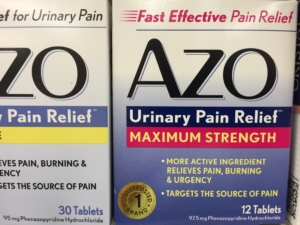
Image Source: vetmeds.org
What is Azo and How Does It Work?
Azo is a well-known over-the-counter medicine for people. Its main part is called Phenazopyridine. This chemical works as a dye that helps with pain in the urinary tract. When you take Azo, it goes into your urine and makes your pee turn orange or red. It eases the burning, itching, and need to pee often that come with a UTI.
It is very important to know that Azo does not kill the germs that cause a UTI. It only helps with the pain. It is not a cure. It just makes you feel better while your body fights the infection or you wait for other medicine to work. For people, Azo is usually taken with antibiotics that kill the germs.
For dogs, Azo is very different. Their bodies handle medicines in unique ways. What is safe for a person can be very bad for a dog. A dog’s liver and kidneys may not break down Phenazopyridine well. This can lead to the drug building up in their body. When too much builds up, it can harm your dog greatly. This is why giving Phenazopyridine for dogs is not a good idea. It is a big risk.
Canine UTI Symptoms: Spotting the Signs Early
Finding a UTI early in your dog is key to quick and good treatment. Dogs cannot tell us when they hurt. So, it is up to us to watch for signs that something is wrong. Knowing these signs means you can get help fast.
Here are common canine UTI symptoms:
- Peeing more often: Your dog might ask to go out more than usual. They might even have accidents inside.
- Straining to pee: Your dog might squat for a long time but only pee a little bit. Or they might look like they are trying hard to pee.
- Painful peeing: Your dog might cry out, whine, or seem uncomfortable when they pee. They might hunch their back or act restless.
- Bloody or cloudy pee: Check your dog’s pee. It should be clear and light yellow. If it looks pink, red, or cloudy, it is a bad sign.
- Licking their private parts a lot: Dogs with UTIs often lick their genitals more than normal. This is their way of trying to ease the pain.
- Strong smell to pee: The pee might smell very strong or bad.
- Drinking more water: Some dogs drink more water when they have a UTI. This is their body trying to flush out the infection.
- Lethargy or acting tired: Your dog might seem less active or playful than usual. They might not want to eat much.
- Fever: In more serious cases, your dog might have a fever. Their nose might be dry and warm.
If you see any of these signs, do not wait. Call your vet right away. These signs can mean a UTI, but they can also mean other serious problems. It is important to get a proper check-up. Giving Azo might hide these signs. This would make it harder for the vet to know what is going on. It could also make the real problem worse.
Why Azo Is Not Safe for Dogs
Giving your dog Azo is not safe. This is a very clear message from vets. While Azo helps people with pain, it can cause serious problems for dogs. It works differently in their bodies.
Let’s break down the risks of using Phenazopyridine for dogs:
- Toxicity: Dogs do not break down Phenazopyridine well. This means the drug stays in their body longer. High amounts can build up. This can cause harm to their liver, kidneys, and blood cells. It can lead to liver failure or kidney damage. These are very serious conditions.
- Anemia: Azo can hurt a dog’s red blood cells. It can cause a problem called methemoglobinemia. This means the red blood cells cannot carry oxygen well. Your dog might look blue or grey. They might be weak or have trouble breathing. This is a very dangerous problem.
- Vomiting and Diarrhea: Even small amounts of Azo can upset a dog’s stomach. They might vomit or have loose stools. This adds to their discomfort and can lead to dehydration.
- Masking Symptoms: This is a big problem with Azo. Azo is a pain reliever, not a cure. If you give your dog Azo, it might make them feel a little better. But the infection is still there and getting worse. By the time you take your dog to the vet, the UTI might be much more severe. This delay can make treatment harder and longer. It is crucial to avoid masking UTI symptoms in dogs.
- Wrong Diagnosis: The orange dye in Azo also changes the color of your dog’s pee. This can make it hard for the vet to do a proper pee test. It can make it look like there is blood in the pee when there isn’t. This can lead to wrong test results and a wrong diagnosis.
- Lack of Proper Treatment: A UTI needs specific medicine, usually antibiotics, to kill the germs. Azo does not kill germs. If you use Azo instead of getting proper treatment, the infection will keep growing. It can spread to the kidneys, leading to more serious health problems.
So, when people ask, “Is Azo safe for dogs?” The answer is a strong no. The risks far outweigh any possible, and often false, benefit. The Azo side effects dogs can suffer from are too severe to ignore.
The Dangers of Self-Treating Your Dog
Trying to treat your dog yourself with human medicines like Azo is very risky. It is like trying to fix a complex machine without knowing how it works. You might cause more damage than good.
Here is why self-treating your dog is dangerous:
-
Wrong Diagnosis: The signs of a UTI in dogs are similar to other health problems. These can include:
- Bladder stones: Hard mineral clumps that block the urinary tract.
- Kidney disease: Problems with how the kidneys work.
- Diabetes: A problem with blood sugar levels.
- Prostate problems (in male dogs): An enlarged or infected prostate gland.
- Cancer: Growths in the bladder or urinary system.
- Vaginitis (in female dogs): Swelling or infection of the vagina.
Only a vet can tell what is really wrong. They use special tests. If you just guess and give Azo, you might miss a very serious disease that needs fast treatment.
* Harmful Doses: Human medicines have amounts made for human bodies. A dog’s body size, how fast they break down drugs, and their overall health are different. The right dose for a human can be very harmful or even deadly for a dog. There is no safe Azo dog dosage.
* Drug Interactions: If your dog is already taking other medicines, adding Azo can cause bad reactions. Some drugs do not mix well. This can make existing problems worse or cause new, unexpected ones.
* Delaying Proper Care: This is one of the biggest dangers. If you try to treat your dog at home, you might put off going to the vet. This gives the disease more time to get worse. A simple UTI can turn into a kidney infection or sepsis (a full-body infection). These are much harder to treat and can be deadly. Early vet care means a better chance for your dog to get well.
Always talk to your vet first if you think your dog is sick. They are the best people to help your dog get better safely.
Proper Dog Bladder Infection Treatment: A Vet’s Approach
When your dog shows signs of a UTI, your vet will follow a clear process. This ensures they find the right problem and give the best care. This process is much safer and more effective than any home remedy.
Here are the steps a vet usually takes for dog bladder infection treatment:
- Physical Exam: The vet will check your dog from head to tail. They will feel your dog’s belly and check their temperature. They will look for any pain or swelling.
- Urinalysis (Pee Test): This is a key test. The vet will collect a sample of your dog’s pee. They might get it by hand, using a clean catch method, or with a sterile needle (cystocentesis).
- Looking at it under a microscope: The vet will look for white blood cells (a sign of infection), red blood cells (a sign of bleeding or swelling), crystals (which can lead to stones), and bacteria.
- Checking levels: They will check the pee’s density and pH. These levels give clues about kidney health and infection type.
- Urine Culture and Sensitivity Testing: This is very important. The vet will send a pee sample to a lab.
- Culture: The lab tries to grow the bacteria from the pee sample. This tells the vet exactly which type of bacteria is causing the infection.
- Sensitivity: Once they know the type of bacteria, they test which antibiotics will kill it. This helps the vet pick the most effective vet prescribed dog UTI medication. This avoids giving a medicine that won’t work.
- Blood Work (Sometimes): For older dogs, or if the vet suspects a deeper problem, they might do blood tests. These check kidney function, liver health, and overall health.
- Imaging (Sometimes): If UTIs keep coming back, or if the vet thinks there might be stones or a tumor, they might do X-rays or ultrasounds. These pictures help them see inside the bladder and kidneys.
Once the vet has all the information, they will give your dog specific medicine.
- Antibiotics: These are the most common treatment for UTIs. The vet will pick the right antibiotic based on the culture test. It is very important to give your dog all the medicine, even if they seem better. Stopping early can make the infection come back, and it might be harder to treat next time. The typical course for antibiotics is 7 to 14 days, but some can be longer.
- Pain Relievers: If your dog is in a lot of pain, the vet might also give a safe medicine to ease their discomfort. We will talk more about dog urinary pain relief in the next section.
- Special Diets: If crystals or stones are found, the vet might suggest a special food. This food helps to dissolve stones or stop new ones from forming.
- Fluids: If your dog is dehydrated or has kidney problems, the vet might give them fluids.
This detailed approach ensures your dog gets the right care. It helps them get well fast and prevents the problem from coming back.
Dog Urinary Pain Relief: Safe Options
When a dog has a UTI, they are in pain. It hurts to pee, and their bladder might feel sore. It is natural to want to help them feel better. But, remember, you should never give your dog human pain medicines like Azo. They can be very harmful.
Your vet knows how to ease your dog’s pain safely. If your dog is uncomfortable, the vet might give them one of these safe medicines:
- Non-Steroidal Anti-Inflammatory Drugs (NSAIDs): These are medicines like carprofen (Rimadyl), meloxicam (Metacam), or firocoxib (Previcox). They help reduce pain and swelling. Vets use these often for pain. They are specially made and dosed for dogs. They are not the same as human NSAIDs like ibuprofen or naproxen. Human NSAIDs are very toxic to dogs.
- Opioids: For very bad pain, the vet might prescribe stronger pain medicine. These might be for a short time. Examples include buprenorphine or tramadol. These are used with care and watched closely.
- Muscle Relaxants: Sometimes, the bladder muscles can spasm, adding to the pain. A vet might give a muscle relaxant in some cases.
- Anti-Spasmodics: These medicines help relax the bladder walls. This can make peeing less painful.
Always get these medicines from your vet. Do not use human pain relievers. Even small amounts can cause serious kidney damage, stomach ulcers, or even death in dogs. Talk to your vet about your dog’s pain. They will choose the safest and best option for your dog.
The Risks of Over-the-Counter UTI Medicine for Dogs
Many people look for easy fixes when their pet is sick. They might search for over-the-counter UTI medicine for dogs. However, this path is full of risks. Most “over-the-counter” options you find are not safe or effective for dog UTIs.
Here’s why these medicines are a problem:
- They are not for dogs: Most OTC UTI medicines are made for people. They have ingredients that are not safe for dogs, even in small amounts. As we discussed, Azo is a prime example with Phenazopyridine. Other human OTC drugs like ibuprofen or Tylenol are also extremely dangerous for dogs.
- They don’t cure the infection: Like Azo, many OTC products only help with the pain or symptoms. They do not kill the bacteria causing the UTI. This means the infection keeps growing, leading to more serious problems.
- They mask symptoms: If your dog feels a little better because of an OTC drug, you might think they are getting well. But the infection is still there. This delays proper vet care, which is very dangerous.
- They can interact with other drugs: If your dog is on other medicines, an OTC drug could cause bad reactions. These reactions can be very serious.
- They can hide other serious health issues: As mentioned, UTI symptoms can be signs of other bad diseases. An OTC medicine might make your dog seem better, so you don’t take them to the vet. This means a serious problem could go unchecked and get much worse.
- No clear dosage for dogs: OTC medicines do not have doses for dogs. Trying to guess a dose is very risky. It can lead to overdosing or underdosing. An overdose can be toxic. An underdose won’t help and just delays proper treatment.
Some pet stores might sell “natural” or “holistic” UTI aids. These often contain cranberry extract or similar ingredients. While cranberry might help stop bacteria from sticking to the bladder wall, it does not treat an active infection. It can be part of a long-term plan after a vet has treated the infection, but never as a stand-alone cure. Always talk to your vet before giving your dog any supplement or “natural” remedy.
The best thing you can do for your dog with a suspected UTI is to avoid any over-the-counter UTI medicine for dogs. Instead, call your vet right away.
Azo Dog Dosage: A Dangerous Myth
It is very important to say this clearly: there is no safe Azo dog dosage. Some people search online for how much Azo to give their dog. This is a dangerous search. Any information you find suggesting a dose for Azo (Phenazopyridine) for dogs is wrong and risky.
Here is why talking about Azo dog dosage is a dangerous myth:
- Azo is toxic to dogs: As we’ve covered, Phenazopyridine is not safe for dogs. It causes serious side effects like harm to red blood cells, liver damage, and kidney failure. There is no amount that makes it safe. Even a tiny bit can cause harm.
- Dogs process drugs differently: A drug’s safe dose for a dog depends on how their body absorbs, uses, and gets rid of it. Dogs are not small humans. Their bodies handle medicines in very different ways. What is a small dose for a person could be a deadly dose for a dog.
- Masking symptoms is always bad: Even if a tiny dose somehow didn’t cause immediate toxic effects, it would still mask the pain. This means you would not know how much your dog is hurting. The infection would keep growing worse.
- It delays real treatment: Time is key with infections. Every moment you spend trying to find a “safe dose” of a dangerous drug is time lost. This delay lets the infection get stronger and spread.
- A vet needs to find the root cause: A UTI needs proper diagnosis and a specific antibiotic. Azo does not fix the problem. Only a vet can correctly find the cause of your dog’s pain and give the right medicine.
Do not try to guess a dose or use human medication for your dog. It is simply not worth the risk. Your dog’s health and life are too precious. If you see signs of a UTI, forget about Azo dog dosage and call your vet right away.
Preventative Steps for Canine Urinary Health
While you cannot stop every UTI, you can do many things to help keep your dog’s urinary system healthy. Good daily habits can lower the chance of your dog getting a UTI.
Here are some tips to help prevent UTIs in your dog:
- Fresh Water Always: Make sure your dog always has fresh, clean water to drink. Drinking a lot helps flush out bacteria from the bladder. It keeps the urine less concentrated, which also helps prevent crystals from forming.
- Frequent Potty Breaks: Let your dog go outside to pee often. Holding pee for too long allows bacteria to multiply in the bladder. This is very important for older dogs or dogs that are home alone for long hours.
- Good Diet: Feed your dog a high-quality, balanced dog food. Some special diets can help maintain proper urine pH, which makes it harder for certain bacteria to grow. If your dog has had UTIs often, talk to your vet about the best food.
- Proper Hygiene:
- Female Dogs: If your female dog is prone to UTIs, gently wipe her rear end after she pees. Use a clean, damp cloth. This can help prevent bacteria from getting into her urinary opening. Always wipe from front to back.
- Long-Haired Dogs: Keep the hair around your dog’s private parts trimmed short. This helps keep the area clean and dry.
- Supplements (with Vet Approval): Some supplements, like cranberry extract, might help prevent bacteria from sticking to the bladder wall. However, these are not cures for existing infections. Always ask your vet before giving your dog any supplements. They can tell you if it’s right for your dog and what dose to use.
- Regular Vet Check-ups: Take your dog to the vet for regular check-ups. This helps catch any health problems early. Your vet can also give advice tailored to your dog’s specific needs.
- Address Underlying Health Issues: If your dog has diabetes, kidney disease, or other health problems, these can make them more likely to get UTIs. Managing these conditions well with your vet’s help can lower the risk.
Being careful about these things can greatly help your dog stay healthy and lower the risk of painful UTIs.
Conclusion
When your dog shows signs of a urinary tract infection, it is natural to want to help them quickly. But giving your dog human medication like Azo is never the right answer. Azo contains Phenazopyridine, which is toxic to dogs. It can cause severe side effects like liver damage, kidney problems, and serious blood disorders. Even worse, it only masks the pain, letting the infection grow more severe without you knowing.
There is no safe Azo dog dosage. Any attempt to self-medicate your dog with over-the-counter UTI medicine for dogs is dangerous. It delays proper diagnosis and treatment. Canine UTI symptoms need a vet’s expert eye. They can tell if it is truly a UTI or another serious condition.
For proper dog bladder infection treatment, your vet will run tests like a urinalysis and a urine culture. This helps them pick the right vet prescribed dog UTI medication, usually specific antibiotics. For dog urinary pain relief, your vet can prescribe safe, dog-specific pain relievers. These will help your dog feel better without harming them.
Remember, your vet is your best partner in keeping your dog healthy. If you suspect a UTI, call them right away. Do not wait, and do not try to treat it yourself. Quick and proper vet care gives your beloved dog the best chance to get well safely and fully.
Frequently Asked Questions (FAQ)
Q1: Can dogs take human UTI medicine?
No, dogs should not take human UTI medicine, including Azo. Human medicines are made for human bodies and can be very dangerous or even deadly for dogs. Dogs process drugs differently, and what is safe for us can be toxic to them.
Q2: How long does it take for a dog UTI to clear up?
With the right vet-prescribed antibiotics, a dog UTI usually starts to get better within 2-3 days. Most dogs need to take antibiotics for 7 to 14 days to fully clear the infection. It is very important to give your dog all of the medicine, even if they seem better, to make sure the infection is completely gone.
Q3: What are signs a dog UTI is getting worse?
Signs a dog UTI is getting worse include:
* Increased straining or pain when peeing.
* More frequent accidents, or peeing very small amounts often.
* Stronger, foul-smelling urine.
* More obvious blood in the urine.
* Lethargy, loss of appetite, or vomiting.
* Fever (your dog might feel warm, or seem generally unwell).
* Pain in their lower back or sides (which could mean the infection is spreading to the kidneys).
If you see these signs, call your vet right away.
Q4: Can a dog UTI go away on its own?
A dog UTI will almost never go away on its own. UTIs are caused by bacteria, and they need specific antibiotics to be killed. If left untreated, the infection will likely get worse. It can spread from the bladder to the kidneys, causing a more serious and painful kidney infection, which is much harder to treat and can be life-threatening.
Q5: Are there natural remedies for dog UTIs?
Some natural options, like cranberry extract, might help prevent UTIs by making it harder for bacteria to stick to the bladder wall. However, these are not cures for an active infection. They will not kill the bacteria that are already causing a UTI. Always talk to your vet before using any natural remedy. They can advise you on safe and effective options, or if a natural approach is even right for your dog’s specific situation.