
Can I feed my dog raw chicken bones? The short answer is yes, with important rules. You can give your dog raw chicken bones. But you must be very careful. There are big risks you need to know. Many dog owners wonder if raw bones are safe. Some people believe they are good for dogs. Others warn against them. We will look at both sides. We will help you make a safe choice for your dog.
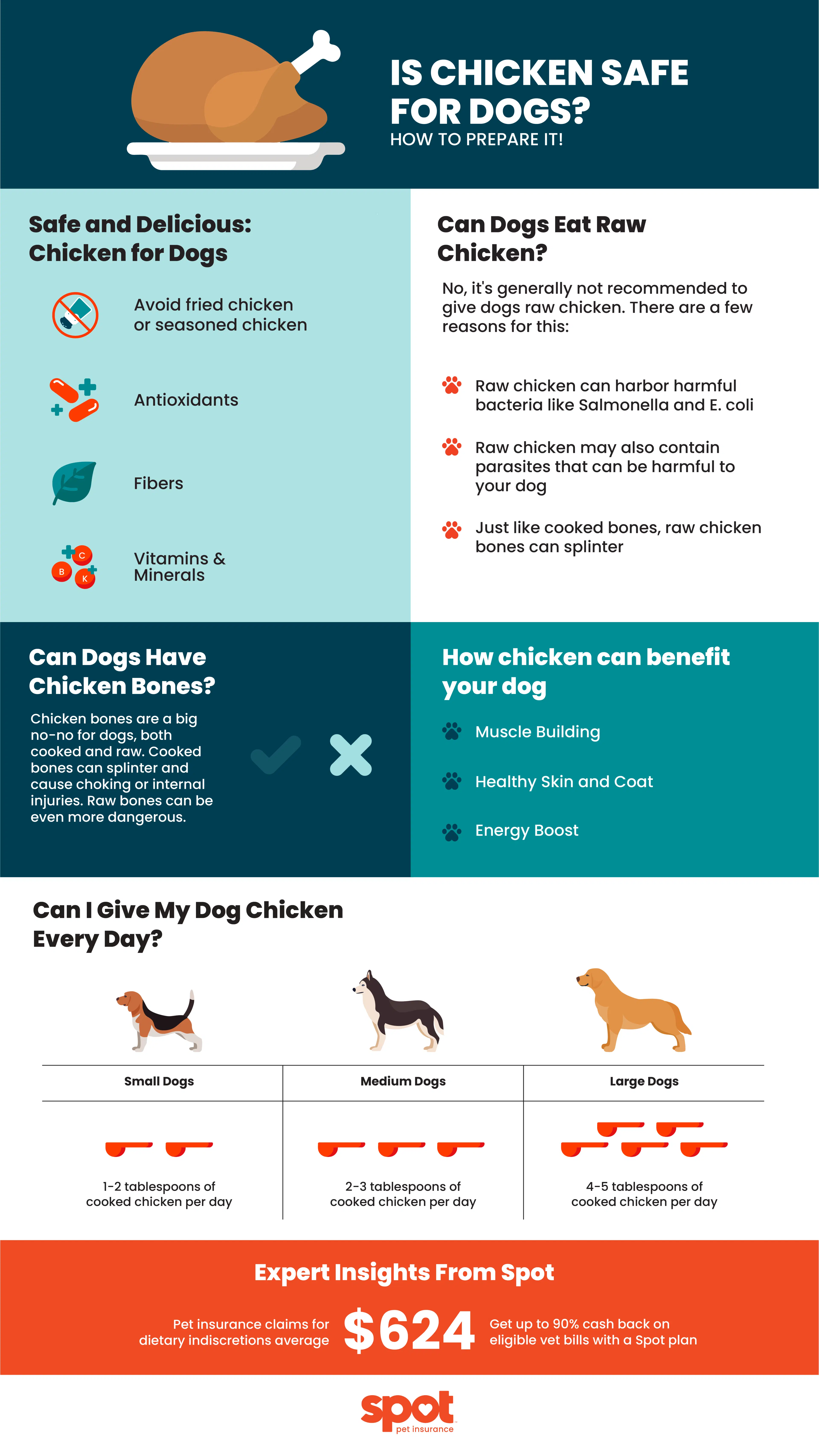
Image Source: spotpetinsurance.ca
The Core Question: Raw Chicken Bones for Dogs
Many years ago, dogs in the wild ate raw meat and bones. This makes sense. They did not have cooked food. Today, our dogs are pets. They live with us. Their bodies are still much like wild dogs. This is why some people think raw bones are natural. They think raw bones are healthy. But our homes are different from the wild. Our dogs are different too. They are not hunting for food. So, what worked in the wild might not be safe now.
It is vital to know the true facts. Feeding bones to dogs comes with serious dangers. But there can also be some good points. We need to look at both. We will talk about what can go wrong. We will also talk about what might be good. This guide will help you understand all of it. Your dog’s health is most important.
Grasping the Risks: Dangers of Raw Chicken Bones for Dogs
Many people ask about the dangers of raw chicken bones for dogs. It is a big worry for a good reason. Bones can cause serious harm. They can hurt your dog in many ways. It is important to know these dangers. This helps you keep your dog safe.
Chicken Bone Splintering Risk
One of the biggest worries is chicken bone splintering risk. Raw chicken bones can break into sharp pieces. They are not as hard as some other raw bones. Think of a chicken leg bone. It is hollow and somewhat thin. When a dog chews it, it can snap. These sharp pieces are like tiny knives.
What happens if a bone splinters?
* Mouth and Throat: The sharp pieces can cut your dog’s mouth. They can get stuck in the throat. This can make it hard to breathe. It can cause a lot of pain.
* Stomach and Gut: If the dog swallows a sharp piece, it can cause problems inside. It can poke holes in the stomach or intestines. This is very dangerous. It can lead to serious infections. Dogs can get very sick. They might even die. This is why the chicken bone splintering risk is so high.
Many people also ask, can dogs eat cooked chicken bones? No, never. Cooked bones are even more dangerous. Cooking makes bones dry and brittle. They break into sharp shards very easily. These shards are much more likely to splinter. They are even more likely to cause harm. So, always avoid cooked bones. Raw bones have risks. Cooked bones are a definite no-go.
Choking Hazard Dog Bones
Another big danger is choking hazard dog bones. Dogs love to chew. They might try to swallow a bone whole. Or they might chew off a piece that is too big. This piece can get stuck. It can block their airway.
What makes bones a choking risk?
* Size: Bones that are too small are easy to swallow. Bones that are too large might get stuck trying to go down.
* Shape: Oddly shaped bones can get caught in the throat.
* Dog’s Chewing Style: Some dogs gulp their food. They do not chew much. These dogs are at higher risk.
* Bone Type: Chicken bones, especially, are a choking hazard dog bones. They are smaller. They are often just the right size to get stuck.
If your dog chokes, it is an emergency. They cannot breathe. They might panic. You need to act fast. Sometimes, you can help them. But often, you need a vet right away. Preventing choking is always best.
Salmonella Raw Dog Food and Other Bacteria
Raw meat and bones can carry harmful bacteria. This includes salmonella raw dog food and E. coli. These bacteria can make dogs sick. They can also spread to people.
How can bacteria affect dogs?
* Stomach Upset: Dogs might get sick with vomiting or diarrhea. They might lose their appetite. They might feel tired.
* Serious Illness: For some dogs, the illness can be very bad. Young puppies, old dogs, or sick dogs are more at risk. They might get a severe infection.
* Spread to People: If your dog eats raw bones, bacteria can be on their mouth. It can be in their poop. It can get on bowls, floors, and your hands. If you touch these things, you can get sick. This is a big concern, especially for kids, older adults, or people with weak immune systems.
Always wash your hands well after touching raw food. Clean your dog’s bowls well. This helps stop the spread of bacteria. The risk of salmonella raw dog food is real. It is a main reason why many vets do not suggest feeding raw food.
Other Concerns
Beyond splintering, choking, and bacteria, there are other problems:
* Dental Damage: While chewing bones can clean teeth, very hard bones can also break teeth. This is very painful for a dog. Broken teeth need vet care.
* Constipation and Blockages: Too much bone material can cause constipation. The bone can make the poop very hard. This makes it hard for the dog to go to the bathroom. In some cases, bone pieces can block the gut. This is a severe issue. It needs surgery to fix.
* Nutritional Imbalance: If raw bones are a big part of the diet, it might not be balanced. Dogs need a wide range of nutrients. Just bones will not give them everything they need.
These dangers of raw chicken bones for dogs are serious. They should make you think twice. Safety must come first.
Appreciating the Upsides: Benefits of Raw Bones for Dogs
Despite the risks, some people see benefits of raw bones for dogs. They often point to how dogs ate bones in nature. They believe it is good for dogs.
Dental Health
One main reason people give raw bones is for teeth. Chewing on raw bones can help clean teeth. It scrapes off plaque and tartar. This is like brushing their teeth. It can lead to cleaner teeth and better breath. This is one of the key benefits of raw bones for dogs. However, there are safer ways to clean teeth.
Mental Stimulation and Enrichment
Chewing is natural for dogs. It helps them feel good. It can ease stress. Giving a dog a bone to chew on can keep them busy. It can stop them from chewing on furniture. It gives them something to do. It is a form of raw bone diet for dogs enrichment.
Nutritional Aspects
Raw bones have minerals. They have calcium and phosphorus. These are good for strong bones. They also have some fats and marrow. Marrow is rich in nutrients. Proponents of a raw bone diet for dogs believe these nutrients are best in their raw form. They feel processed foods lack these natural elements.
Part of a Raw Bone Diet for Dogs
For those who feed a full raw bone diet for dogs (also called BARF or PMR diets), raw bones are a key part. These diets aim to be like a dog’s natural diet. They include raw meat, organs, and bones. The idea is to give a whole, natural food source. They use raw poultry bones for dogs often. This includes chicken necks or backs. These are thought to be softer and more digestible bones for dogs.
However, putting together a balanced raw diet is hard. It needs careful planning. You need to make sure your dog gets all nutrients. Many vets advise against full raw diets. They warn about the risks. These risks include bacterial contamination and nutritional gaps.
Deciphering Safe Practices: When Raw Bones Might Be Okay
If you decide to feed raw bones, you must follow strict rules. This helps lower the risks. Not all raw bones are equal. Some are safer than others.
Only Raw, Non-Weight-Bearing Bones
The main rule is: only give raw bones. Never cooked bones. Cooked bones splinter easily.
Also, pick raw poultry bones for dogs that are non-weight-bearing. This means bones that do not support the animal’s full weight. Think of chicken wings, necks, or backs. These are softer. They are less likely to cause damage. Weight-bearing bones from larger animals (like beef femurs) are very hard. They can break teeth. They might be too dense for proper digestion.
Size Matters
Choose bones that are bigger than your dog’s mouth. This stops them from swallowing it whole. But it should not be so big that they cannot chew it. For example, a whole chicken wing might be okay for a larger dog. But for a small dog, it could be a choking hazard. For small dogs, smaller chicken parts like tips or necks might be considered.
Always Supervise
Never leave your dog alone with a bone. Watch them the whole time.
* Watch for Splintering: If the bone starts to splinter, take it away.
* Watch for Choking: If they struggle, act fast.
* Limit Chewing Time: Let them chew for a short time, like 15-20 minutes. Then take the bone away. This stops them from eating too much bone. It also limits bone wear on teeth.
Bone Preparation and Handling
If you feed raw poultry bones for dogs:
* Freshness: Use only fresh, human-grade raw bones. Do not use old or spoiled bones.
* Freezing: Freezing raw bones does not kill all bacteria like Salmonella. It can lower the risk slightly.
* Cleanliness: Clean surfaces and bowls well after use. Wash your hands thoroughly. Treat raw bones like raw meat for yourself.
Even with these steps, risks remain. It is a choice each owner must weigh carefully.
Discovering Alternatives: Safe Bones for Dogs
If the dangers of raw chicken bones for dogs worry you, there are safer ways to give your dog chewing fun. These safe bones for dogs alternatives provide benefits without the big risks.
Recreational Raw Bones (Large Animal Bones)
Some large raw bones can be given for chewing. These are often beef bones. Examples are femurs or knuckle bones.
* Not Meant to Be Eaten: These bones are for chewing and cleaning teeth. They are not meant to be eaten whole. Your dog should only scrape off bits of meat or marrow.
* Size: They must be very large. Too small, and they become a choking hazard. Too small, and they can break teeth.
* Supervision: Always watch your dog closely. Take the bone away if it breaks into small pieces. Or if your dog tries to eat big chunks.
* Risks: Even these bones carry risks. They can still break teeth. They can still cause blockages if large pieces are swallowed. They can still carry bacteria. But they are often seen as less risky than poultry bones for splintering. They are not digestible bones for dogs in large amounts.
Chew Toys
Many chew toys are great alternatives.
* Rubber Toys: Kongs and other rubber toys can be filled with treats. This keeps dogs busy for a long time. They are safe and durable.
* Nylon Chews: These are very hard. They can satisfy a dog’s need to chew. Pick the right size for your dog. Watch for sharp edges as they wear down.
* Dental Chews: Many brands offer dental chews. These are made to help clean teeth. They are often edible and designed to be digestible bones for dogs. They are much safer than real bones.
Edible Chews
Various edible chews are on the market.
* Bully Sticks: These are fully digestible and very popular. They are high in protein.
* Yak Chews: Made from hardened cheese, these are long-lasting. They soften as the dog chews.
* Rawhide (Use Caution): Some rawhide is okay, but others can cause problems. Choose brands made in safe ways. Avoid small pieces that can be swallowed. Rawhide can swell in the stomach. This can cause blockages. Many vets advise against rawhide due to these risks.
Table: Safe vs. Unsafe Bones for Dogs
| Bone Type | Safety Level | Main Risks | Notes |
|---|---|---|---|
| Cooked Bones | NEVER SAFE | Splintering, choking, internal damage. | Cooking makes bones brittle. They break into sharp shards. |
| Raw Weight-Bearing Bones (e.g., beef femur) | Use Extreme Caution | Tooth fractures, choking, internal blockages, bacteria. | Too hard for safe chewing. Only for recreational chewing. Never meant to be fully consumed. Only very large bones, supervised. Not truly digestible bones for dogs. |
| Raw Poultry Bones (e.g., chicken leg, wing) | Use Caution / Avoid | Splintering, choking, bacteria (Salmonella). | Chicken bone splintering risk is high. Choking hazard dog bones. Salmonella raw dog food risk. Safer options like necks or backs for specific raw bone diet for dogs with strict supervision. |
| Raw Non-Weight-Bearing Bones (e.g., chicken necks, backs) | Conditional Safety | Choking (if too small), bacteria. | Often used in raw bone diet for dogs. Must be sized right for dog. Supervise closely. Still carry salmonella raw dog food risk. Considered more digestible bones for dogs if fully consumed. |
| Nylon Chew Toys | Generally Safe | Tooth wear/fractures (if too hard for dog). | Durable, satisfying chew. Pick appropriate size and hardness. Replace when sharp edges appear. |
| Rubber Chew Toys (e.g., Kong) | Very Safe | None if used correctly. | Great for mental stimulation when filled with treats. Very durable. |
| Dental Chews | Very Safe (Edible) | Upset stomach (if too many). | Designed to clean teeth and be digestible. Follow package directions for serving size. Good digestible bones for dogs alternative. |
| Bully Sticks | Generally Safe (Edible) | Choking (if swallowed whole when small), stomach upset. | Fully digestible. Supervise as they get small. Remove the last piece. |
Interpreting a Raw Bone Diet for Dogs
A raw bone diet for dogs is a topic with strong opinions. Some owners swear by it. They believe it is the best way to feed their dogs. These diets are often called BARF (Biologically Appropriate Raw Food) or PMR (Prey Model Raw). They aim to feed dogs as their ancestors ate. This means raw meat, organs, and raw bones.
Pros of a Raw Bone Diet for Dogs
Supporters say a raw bone diet for dogs offers many benefits of raw bones for dogs:
* Better Digestion: They believe raw food is easier for dogs to digest.
* Shiny Coat: Many report shinier coats and healthier skin.
* Cleaner Teeth: As noted before, raw bones can help clean teeth.
* More Energy: Some owners say their dogs have more energy.
* Smaller, Firmer Stools: Raw food has less waste. This can lead to less poop.
They typically use raw poultry bones for dogs like chicken necks, backs, and wings. These are often softer and more easily digestible bones for dogs when part of a balanced raw meal.
Cons of a Raw Bone Diet for Dogs
Vets and pet health groups often have serious concerns:
* Bacterial Risk: The salmonella raw dog food risk is very high. This can harm dogs and humans.
* Nutritional Imbalance: It is very hard to make a raw diet that is complete. Dogs need a balance of vitamins and minerals. Without expert help, dogs can get sick from missing nutrients.
* Choking and Internal Damage: Even in a raw bone diet for dogs, the chicken bone splintering risk and choking hazard dog bones are present.
* Cost and Convenience: Raw diets can be costly. They need careful handling and storage.
Seeking Professional Guidance
If you are thinking about a raw bone diet for dogs, talk to your vet. Find a vet who knows about pet nutrition. They can help you make a safe plan. They can also warn you about the specific dangers of raw chicken bones for dogs for your pet. A vet can guide you. They can ensure your dog gets proper nutrition. They can also ensure safety.
Preventing Problems: What to Do If Your Dog Eats a Bone
Even with the best care, accidents happen. It is good to know what to do if your dog eats a bone and gets sick. Or if they eat a type of bone they shouldn’t.
Signs of a Problem
Watch for these signs after your dog eats a bone:
* Choking: Pawing at the mouth, coughing, gagging, difficulty breathing, blue gums. This is an emergency.
* Vomiting: Throwing up food, water, or bile.
* Diarrhea: Loose or watery stools.
* Straining to Poop: Trying hard but little or no stool comes out. This can mean constipation or a blockage.
* Lethargy: Acting very tired, not wanting to play.
* Loss of Appetite: Not wanting to eat.
* Abdominal Pain: Whining, crying, or hunching over when you touch their belly.
* Bloody Stools: Blood in the poop. This can mean internal cuts.
When to See a Vet
If your dog shows any of these signs, call your vet right away. Do not wait. Serious problems can get worse fast.
* Choking: This is an immediate emergency. Try the Heimlich maneuver for dogs if you know how. Get to a vet fast.
* Vomiting/Diarrhea for more than 24 hours: Or if it’s severe.
* Signs of Blockage: Straining, pain, no bowel movements.
* Lethargy or Pain: Any sign of severe discomfort.
What Your Vet Might Do
Your vet will check your dog. They might take X-rays. X-rays can show where the bone is. They can also show if it is stuck. They might need to give fluids. They might prescribe medicine. In bad cases, surgery might be needed to remove the bone. This is a big surgery. It is very risky.
Prevention is always better than cure. Knowing the dangers of raw chicken bones for dogs helps you avoid these trips to the emergency vet.
Conclusion
So, can I feed my dog raw chicken bones? The answer is complex. Yes, some raw bones, especially non-weight-bearing raw poultry bones for dogs, can be part of a carefully managed raw bone diet for dogs. Some owners choose to give them for benefits of raw bones for dogs like dental cleaning and mental stimulation.
However, the dangers of raw chicken bones for dogs are real and serious. These include the high chicken bone splintering risk, the serious choking hazard dog bones, and the salmonella raw dog food risk. Cooked bones are never safe. They must always be avoided.
For most pet owners, the risks outweigh the benefits. There are many safe bones for dogs alternatives. These include sturdy chew toys and specific dental chews. These options offer chewing fun and dental health without the severe dangers.
Always talk to your vet about your dog’s diet. They can give the best advice for your dog’s needs. Your dog’s health and safety are the most important things. Make choices that protect them.
Frequently Asked Questions (FAQ)
Q1: Can dogs eat cooked chicken bones?
No, never. Cooked chicken bones are very dangerous. Cooking makes bones brittle. They can break into sharp, needle-like pieces. These pieces can easily cut your dog’s mouth, throat, or insides. They can also cause choking or blockages.
Q2: Are raw chicken bones digestible for dogs?
Some parts of raw chicken bones, especially softer, non-weight-bearing ones like necks or wings, can be digestible. They contain calcium and phosphorus. But if a dog swallows larger pieces, they can cause problems. They might not fully digest. This can lead to constipation or blockages.
Q3: What are the biggest dangers of raw chicken bones for dogs?
The biggest dangers are bones splintering into sharp pieces, causing cuts or punctures inside your dog. There is also a high choking hazard if a dog swallows a piece too large. Another major risk is bacteria, like Salmonella, which can make both your dog and you sick.
Q4: What bones are safe for dogs to chew on?
Safer alternatives include large, raw recreational bones (like beef femurs) for chewing not eating, sturdy rubber chew toys (like Kongs), nylon chew toys, and specific dental chews designed for dogs. Bully sticks are also a popular choice. Always supervise your dog with any chew item.
Q5: How can I clean my dog’s teeth without using raw bones?
You can clean your dog’s teeth in many ways. Daily brushing with dog toothpaste is best. Dental chews approved by vets, special dental diets, and professional dental cleanings at the vet are also good choices.
Q6: What should I do if my dog ate a chicken bone?
First, do not panic. Watch your dog closely for signs of distress. Look for choking, vomiting, straining to poop, pain, or lethargy. If you see any of these signs, call your vet right away. Even if they seem fine, it’s wise to call your vet for advice.
Q7: Is a raw bone diet good for dogs?
A raw bone diet (BARF or Prey Model Raw) aims to mimic a dog’s natural diet. Proponents believe it offers benefits like cleaner teeth, better digestion, and healthier coats. However, these diets carry significant risks. These include bacterial contamination, nutritional imbalances, and the danger of bones themselves. Always consult a vet who specializes in nutrition if you consider this diet.
Q8: Can puppies eat raw chicken bones?
Puppies are generally more vulnerable. Their immune systems are still developing. Their digestive systems are more sensitive. This makes the risks of bacterial infection and injury from raw bones even higher. It is best to avoid giving raw chicken bones to puppies.