
Yes, heat can cause dog diarrhea. When a dog gets too hot, its body goes through a lot of stress. This can upset its stomach. It can also lead to more serious problems like heat exhaustion or heatstroke. The body tries to cool down, but this can affect blood flow to the gut. This change in blood flow can harm the gut lining and cause diarrhea.
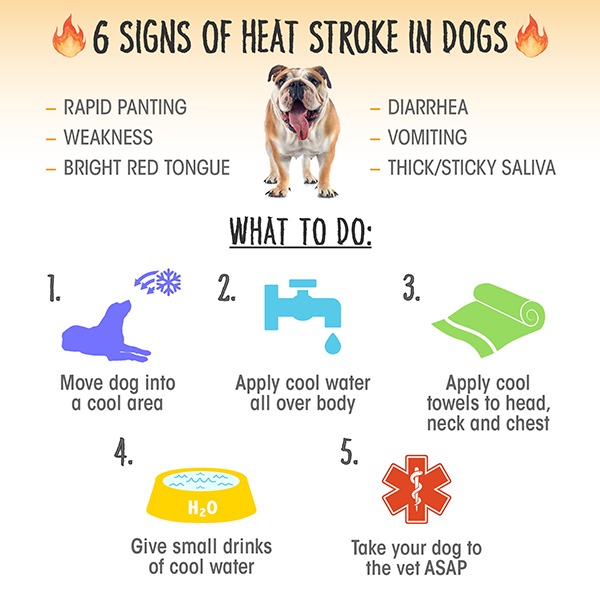
Image Source: rosecottagedoggydaycare.co.uk
The Body’s Fight Against Too Much Heat
A dog’s body works hard to stay at the right temperature. This is called thermoregulation. Dogs do not sweat like humans. They mostly cool down by panting. They also lose heat through their paw pads. But when it gets very hot, or if they exercise too much, these ways might not be enough.
Their body temperature can rise too much. This is called hyperthermia. It means the dog is overheating. When a dog gets too hot, its body tries to send more blood to the skin and mouth. This helps to cool the blood. But this can mean less blood goes to other important places. These places include the stomach and bowels.
When blood flow to the gut is low, it can hurt the lining of the stomach and intestines. This damage can cause problems. It can lead to hyperthermia dog gastrointestinal issues. The gut lining can get weak. Bad things like bacteria can then get into the body. This can cause inflammation. Diarrhea is a common sign of this problem.
Signs of Too Much Heat
It is important to know the signs that your dog is too hot. There are different levels of heat sickness. They range from heat stress to very bad heatstroke.
Beginning Signs of Heat Stress
When a dog first starts to get too hot, you might see these signs:
- Heavy Panting: Your dog will breathe very fast and hard.
- Seeking Cool Places: They will try to lie on cool floors or in the shade.
- Red Gums: Their gums might look brighter red than usual.
- Lots of Drool: They might drool more than normal.
- Restless: They cannot seem to get comfortable.
If you see these signs, act fast. Move your dog to a cooler place right away. Offer them water.
Signs of Heat Exhaustion in Dogs
Heat exhaustion is more serious. It means the dog’s body is trying very hard to cool down but is failing. The signs can be more clear:
- Weakness: Your dog might seem tired or wobbly.
- Vomiting: They might throw up. This can be dog vomiting hot weather.
- Diarrhea: This can be a sign of heat stress dog digestive problems. It can be soft poop or watery poop.
- Slow Movement: They might not want to move or play.
- Fast Heartbeat: You can feel their heart beating very fast.
- Dizziness: They might stumble or fall.
If you see these signs, it’s time to help cool your dog down. Call your vet for advice.
Signs of Dog Heatstroke Symptoms
Heatstroke is an emergency. It means the dog’s body temperature is very high. This can hurt organs. It can be deadly. Dog heatstroke symptoms are severe:
- Very Heavy Panting: Like they cannot catch their breath.
- Bright Red Gums: Or very pale gums. Or even blue gums.
- Collapse: Your dog might fall down and cannot get up.
- Seizures: Their body might shake without control.
- Vomiting and Severe Diarrhea: This is a clear sign of overheating dog diarrhea and can include blood.
- Not Alert: They might seem confused. They might not respond to your voice.
- Glassy Eyes: Their eyes might look strange.
- Muscle Tremors: Their muscles might twitch.
- Unconsciousness: They might pass out.
If you see any of these heat stroke dog gut issues or other serious signs, get your dog to a vet right away. Every minute counts.
Why Heat Causes Stomach Upset
When a dog gets too hot, the body faces big stress. This stress affects the stomach and bowels in several ways.
Less Blood Flow to the Gut
As mentioned before, when a dog overheats, its body sends blood to the skin to cool down. This takes blood away from other parts of the body. The gut is one such part. When the gut gets less blood, it does not get enough oxygen. It also does not get enough nutrients. This lack can harm the cells that line the gut. This can lead to hyperthermia dog gastrointestinal issues.
Damaged Gut Lining
The cells that line the gut usually form a strong wall. This wall stops bad things from getting into the body. When these cells are hurt by lack of blood and oxygen, this wall gets weak. It can start to “leak.” This means bacteria and toxins from inside the gut can pass into the bloodstream. This can cause a lot of inflammation. This inflammation makes the gut work badly. It causes symptoms like hot weather dog stomach upset, vomiting, and diarrhea. This is often the root cause of overheating dog diarrhea.
Body Stress and Inflammation
Being too hot causes stress all over the body. This stress makes the body release certain chemicals. These chemicals cause inflammation. Inflammation is the body’s way of fighting off harm. But too much inflammation can hurt the body. In the gut, it can lead to swelling and pain. This makes digestion hard. It makes food pass through the gut too fast. This results in diarrhea.
Dog Dehydration Diarrhea
When a dog gets hot, it pants a lot. It loses a lot of water. If it does not drink enough water, it gets dehydrated. Dehydration makes everything worse. When a dog is dehydrated, its body tries to hold onto water. This can mean less fluid in the gut. But paradoxically, dehydration can also cause diarrhea. When the gut lining is damaged and inflamed, it cannot absorb water properly. So, water stays in the intestines. This leads to watery stools. This is a clear link between dog dehydration diarrhea.
Also, vomiting, a common sign of hot weather dog stomach upset, makes dehydration worse. The dog loses even more fluids and salts. This can create a dangerous cycle.
Change in Gut Bacteria
The gut has many good bacteria. They help with digestion. They also keep bad bacteria in check. When the gut is stressed by heat, the balance of these bacteria can change. Bad bacteria might grow more. This change can also lead to gut problems and diarrhea. This is part of the heat stroke dog gut issues that vets see.
Observing Your Dog’s Poop
If your dog has diarrhea because of heat, what should it look like?
- Soft to Watery: The poop will not be solid. It might be very loose or like water.
- More Often: Your dog might need to poop more times than usual.
- Strain or Urgency: They might seem to need to go very badly. They might strain.
- Color: The color can vary. But look for blood. Bright red blood means fresh bleeding. Dark, tar-like poop means older bleeding from higher up in the gut. Blood in poop is a serious sign.
- Mucus: Slimy stuff in the poop can mean inflammation.
Any changes in your dog’s poop, especially when it’s hot, should make you careful.
A Quick View of Heat Sickness Signs
This table helps you quickly see the signs of heat problems in dogs.
| Sign Category | Mild Overheating (Heat Stress) | Moderate Overheating (Heat Exhaustion) | Severe Overheating (Heatstroke) |
|---|---|---|---|
| Breathing | Heavy panting, fast | Very heavy panting, noisy | Extremely heavy panting, gasping, trouble breathing |
| Gums | Redder than normal | Bright red or pale | Bright red, pale, or blue |
| Energy | Restless, seeking cool spots | Weak, tired, wobbly, slow | Collapse, seizures, unconsciousness |
| Digestion | Normal or mild drooling | Vomiting, dog diarrhea, lots of drool | Severe vomiting, severe diarrhea (maybe bloody), dog vomiting hot weather |
| Other | Thirsty | Dizziness, fast heartbeat | Glassy eyes, muscle tremors, shock |
Preventing Heat-Related Dog Illness
It is always better to stop a problem than to fix it. Keeping your dog cool and safe in hot weather is very important. Preventing heat related dog illness needs careful planning.
Keep Them Cool
- Stay Indoors: On very hot days, keep your dog inside. Air conditioning is best. If you do not have AC, use fans.
- Coolest Room: Find the coolest room in your home.
- Shade: If outside, make sure they always have a shady spot. Trees, tarps, or umbrellas work well.
- Cool Mats and Vests: Use special cooling mats or wet vests. These can help lower body temperature.
- Wading Pools: A small kiddy pool with cool water can be fun and cooling. Just make sure the water is not too cold, and supervise them.
Always Give Water
- Fresh Water: Make sure your dog always has fresh, cool water. Put water bowls in many places.
- Carry Water: When you go out, always bring water for your dog. Use a travel bowl.
- Add Ice: A few ice cubes in their water can keep it cool. Some dogs like to chew ice.
Time Outdoor Fun Wisely
- Early Mornings or Late Evenings: Walk your dog when it is coolest. Avoid the middle of the day. This is when the sun is strongest.
- Check Pavement: Hot sidewalks can burn paw pads. If you cannot hold your hand on the pavement for 5 seconds, it is too hot for your dog’s paws.
- Short Walks: Keep walks short when it is hot. A quick potty break might be all they need.
Car Safety is Key
- Never Leave Them in a Car: This is the most important rule. A car can heat up very fast. Even on a mild day, the inside of a car can become deadly hot in minutes. Cracking a window does not help enough. This causes many cases of dog heatstroke symptoms.
- Car travel: If you must travel with your dog, use air conditioning. Stop often for water breaks.
Know Your Dog’s Risks
- Breed Matters: Dogs with flat faces (like Bulldogs, Pugs, Boxers) have trouble breathing. This makes them more prone to overheating. They need extra care.
- Old or Young Dogs: Very old or very young dogs are more sensitive to heat.
- Weight and Health: Overweight dogs or dogs with heart or breathing problems are also at higher risk.
By following these simple rules, you can greatly reduce the risk of heat stress dog digestive problems and other heat-related illnesses.
What to Do if Your Dog Overheats
If you think your dog is too hot, act fast. Quick action can save their life.
First Steps to Cool Down
- Move to a Cool Place: Get your dog out of the sun and into the shade or an air-conditioned room right away.
- Use Cool Water:
- Wet towels with cool (not ice cold) water. Put them on your dog’s neck, armpits, and groin. These areas have big blood vessels close to the skin.
- You can also wet their paw pads.
- Do NOT use ice water. This can cause the blood vessels to shrink. It can also make the dog too cold too fast. This is dangerous.
- Do NOT put a towel over their whole body. This can trap heat.
- Offer Water: Give your dog a small amount of cool water to drink. Do not force them to drink.
- Use a Fan: Point a fan at them to help the water on their fur cool them down faster.
- Stop Cooling When Body Temp is 103°F (39.4°C): If you can check your dog’s temperature with a rectal thermometer, stop cooling once it drops to 103°F. It can keep dropping on its own.
When to See the Vet
Even if your dog seems better after cooling down, it is very important to see a vet. Heatstroke can cause damage inside the body that you cannot see. This includes heat stroke dog gut issues, kidney problems, or brain issues.
Go to the vet right away if you see any of these:
- Severe Signs: Collapse, seizures, unconsciousness, severe dog vomiting hot weather, or bloody diarrhea.
- Signs Don’t Improve: If your dog’s condition does not get better quickly after cooling.
- Any Concern: If you are worried at all. It is always better to be safe.
The vet will check your dog’s overall health. They will look for any internal damage. They might give fluids through a drip. They might do blood tests. Early vet care can prevent long-term problems.
Recuperation and Aftercare
After a heat-related illness, your dog might need special care for a while.
- Quiet Rest: Keep them in a calm, cool place. Limit their activity.
- Easy Food: Your vet might suggest a bland diet for a few days. This helps their gut heal.
- Watch for Relapse: Keep a close eye on them. Any new signs of sickness mean another vet visit is needed.
- Follow Vet Advice: Make sure to follow all instructions from your vet for medicine or follow-up care.
Remember that a dog who has had heatstroke once is more likely to get it again. Be extra careful with them in hot weather in the future.
Frequently Asked Questions (FAQ)
Can dogs get diarrhea from just being hot, without full heatstroke?
Yes, even mild heat stress or overheating can cause dog diarrhea. The body’s reaction to heat can affect the gut. It does not have to be full heatstroke for diarrhea to happen.
What kind of diarrhea should I look for if my dog is hot?
Look for soft or watery poop. It might be more frequent. Watch for any blood (bright red or dark, tar-like). Also, look for mucus. Any of these could mean hot weather dog stomach upset.
How can I tell the difference between heat exhaustion and heatstroke?
Heat exhaustion signs are usually less severe. The dog is tired, wobbly, might vomit or have diarrhea. But they are still aware. Heatstroke involves more serious signs. These include collapse, seizures, severe confusion, or loss of consciousness. Heatstroke is an emergency.
Is dog dehydration diarrhea common in hot weather?
Yes, very common. Dogs lose a lot of water by panting in the heat. If they do not drink enough, they get dehydrated. This dehydration can then cause their gut to work badly, leading to diarrhea.
My dog vomited after being in the heat. Is this serious?
Dog vomiting hot weather is a serious sign. It can be a sign of heat exhaustion or heatstroke. It also makes dehydration worse. Always call your vet if your dog vomits after being in the heat.
What should I do if my dog has diarrhea from the heat but seems okay otherwise?
Even if they seem okay, it is best to call your vet. Diarrhea from heat can mean the gut lining is damaged. Your vet can tell you if you need to bring them in or if you can watch them at home. Make sure they drink lots of water.
Can certain dog breeds get heat-related diarrhea more easily?
Yes. Flat-faced breeds (brachycephalic breeds) like Bulldogs, Pugs, and Boxers are at higher risk. They have trouble breathing. This makes them less able to cool down. This makes them more prone to all heat-related issues, including hyperthermia dog gastrointestinal issues.
How much water should my dog drink in hot weather?
Your dog should always have access to fresh, cool water. There is no set amount. Just make sure they can drink as much as they want. Bring water on walks.
Can heat stroke cause lasting gut issues?
Yes. Severe heat stroke can cause long-term damage to the gut lining. This can lead to ongoing digestive problems. This is why prompt vet care for heat stroke dog gut issues is so important.
Is it okay to give my dog ice cubes in hot weather?
Most dogs can safely have ice cubes. Some vets suggest only small amounts to avoid upsetting the stomach. But for most dogs, a few ice cubes in their water bowl are fine. It helps keep the water cool.
Wrapping Up
Heat can indeed cause dog diarrhea. It is a clear sign that your dog’s body is struggling to cope with the heat. Knowing the signs of heat stress, heat exhaustion, and heatstroke is vital. Taking steps to prevent your dog from getting too hot is the best way to keep them safe. Always provide plenty of water and shade. Avoid hot pavement and peak heat times. If your dog shows any signs of overheating, act quickly. Get them to a vet. Your quick actions can save your dog’s life and prevent serious health problems.