
Can dog eat psyllium husk? Yes, many dogs can eat psyllium husk. It is a natural fiber that can help dogs with certain gut problems. But you must use it with care. What owners need to know is that psyllium husk helps with digestion. It can ease both constipation and some types of diarrhea. Always talk to your vet before giving it to your dog. This is important to make sure it is safe and right for your pet.
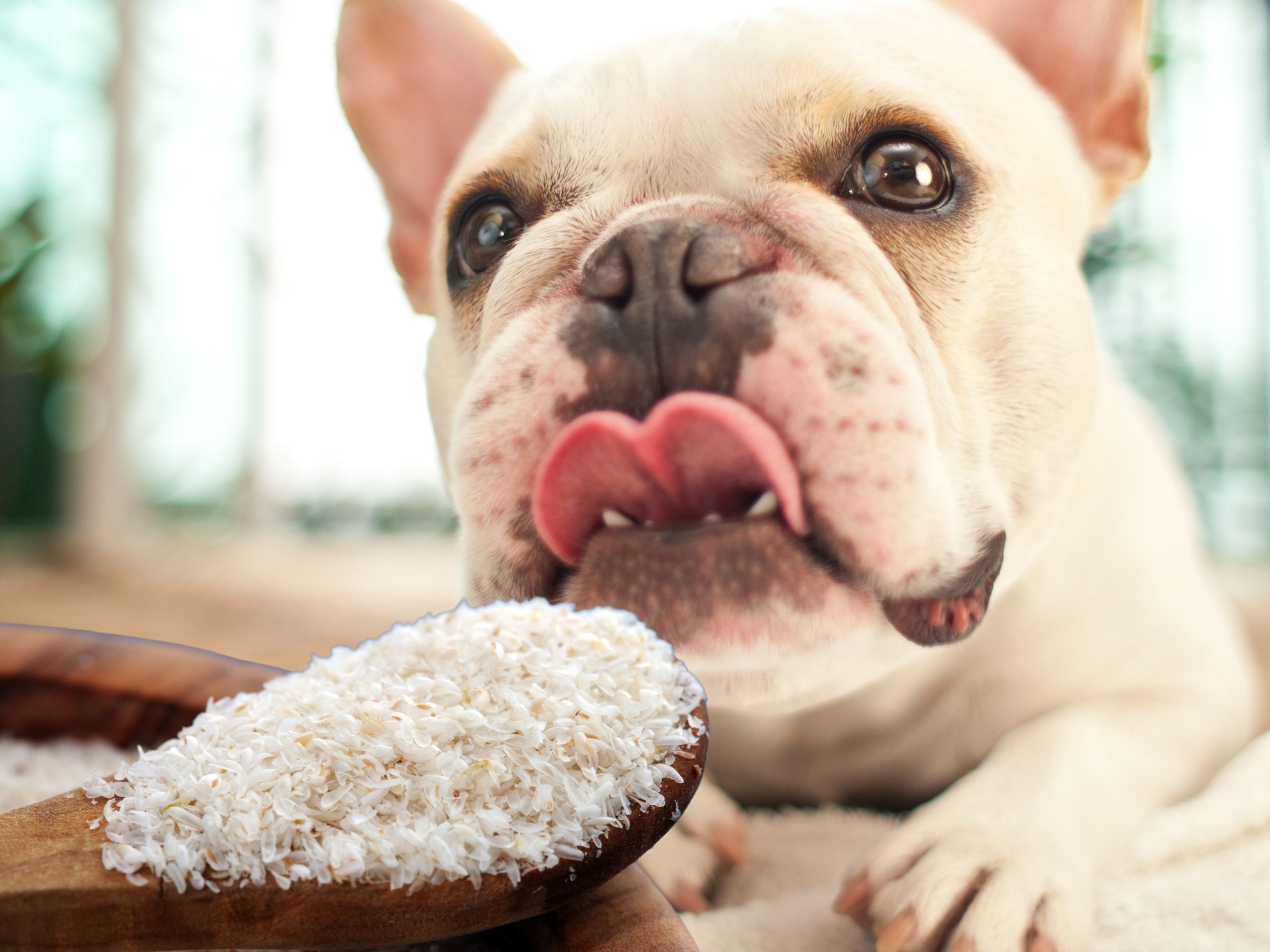
Image Source: www.crookedlane.com.au
What is Psyllium Husk?
Psyllium husk comes from the seeds of the Plantago ovata plant. This plant grows in many places, especially India. The husk is the outer part of the seed. People often use it as a fiber helper.
When psyllium husk gets wet, it soaks up water. It swells up and turns into a thick, gel-like substance. This gel then moves through the gut. It helps move things along. This is why it works as a bulk-forming laxative. It is a type of soluble fiber. Soluble fiber breaks down in water. It forms a soft gel. This gel helps the digestive system work better.
Psyllium Husk Benefits for Dogs
Psyllium husk offers several good things for a dog’s health. Most of these benefits come from its high fiber content.
Easing Dog Constipation with Psyllium
One main use for psyllium husk is to help dogs with constipation. When a dog is constipated, they have hard stools. They might struggle to go to the bathroom. Psyllium husk helps by adding bulk to the stool. It soaks up water in the gut. This makes the stool softer and larger. A larger, softer stool is easier for the dog to pass. This helps keep things moving smoothly in the intestines. It helps prevent straining and discomfort for your dog.
Fiber for Dog Diarrhea
It may seem strange, but psyllium husk can also help with diarrhea. How does it work? It soaks up excess water in the digestive tract. This makes the stool firmer. It helps to slow down very loose stools. It also adds bulk. This can help normalize bowel movements. So, it can help with both ends of the spectrum: too hard stools and too loose stools. It is important to know that psyllium helps with mild diarrhea. It does not cure serious gut infections. Always see a vet if your dog has severe diarrhea.
Psyllium Husk for Anal Glands Dog
Anal gland issues are common in dogs. These small glands are near the anus. They often empty when a dog poops. Sometimes they do not empty well. This can cause pain, itching, and scooting. Psyllium husk can help with this. It makes the stool bulkier and firmer. This firmer stool puts more pressure on the anal glands as it passes. This extra pressure can help the glands empty on their own. This can reduce the need for manual emptying. It can also ease discomfort for your dog. A regular, firm stool helps keep these glands healthy.
Other Good Effects
Beyond these main points, psyllium husk also helps in other ways.
* Gut Health: It acts as a prebiotic. This means it feeds good bacteria in the gut. A healthy balance of gut bacteria is key for good digestion. It helps keep the gut strong.
* Weight Control: The fiber in psyllium can make a dog feel full. This can help dogs on a diet eat less. It can help them feel satisfied. This is useful for dogs that need to lose weight.
* Blood Sugar Control: Some studies suggest fiber can help manage blood sugar levels. This might be helpful for dogs with diabetes. But always talk to your vet about this.
Proper Use of Psyllium Husk for Dogs
Giving psyllium husk to your dog needs care. The right amount and method are very important.
How to Administer Psyllium to Dogs
Giving psyllium husk to your dog is simple. But you need to mix it properly.
1. Mix with Food: Always mix psyllium husk with your dog’s wet food. You can also mix it with a small amount of water or broth first. Then add it to dry kibble. Do not just sprinkle it on dry food. This can be a choking risk.
2. Make a Paste: For easier mixing, you can make a paste first. Add a small amount of water to the psyllium husk. Mix until it’s a thick gel. Then stir this into your dog’s meal.
3. Serve Immediately: Once mixed, give it to your dog right away. If it sits too long, it will absorb all the water. It will become very thick. This can make it hard for your dog to eat.
4. Start Small: Always start with a very small amount. Watch your dog closely for a few days. Then slowly increase the amount if needed. This helps your dog’s gut get used to the extra fiber.
Psyllium Husk Dosage for Dogs
Giving the right amount of psyllium husk is key. Too much can cause problems. Too little will not help. The exact dose depends on your dog’s size and needs. Always talk to your vet first. They can give you the best advice. They know your dog’s health history.
Here is a general guide. This is not a vet’s advice. Always check with your vet before using these amounts.
| Dog Weight (Approx.) | Starting Daily Dose (Psyllium Husk Powder) | Max Daily Dose (Psyllium Husk Powder) |
|---|---|---|
| Small Dogs (up to 20 lbs) | 1/4 teaspoon | 1/2 teaspoon |
| Medium Dogs (21-50 lbs) | 1/2 teaspoon | 1 teaspoon |
| Large Dogs (51-90 lbs) | 1 teaspoon | 2 teaspoons |
| Giant Dogs (over 90 lbs) | 1.5 teaspoons | 3 teaspoons |
- Divide the Dose: It is best to split the daily dose. Give half with breakfast and half with dinner. This helps keep the fiber working steadily. It also reduces the chance of upset stomach.
- Adjust as Needed: If your dog’s poop is too hard, you might need a bit more. If it’s too loose, you might need less. If they have gas or bloating, reduce the dose. Always adjust slowly.
Psyllium Husk Water Intake Dogs
This is perhaps the most important rule. Psyllium husk needs a lot of water to work safely and well. If your dog does not drink enough water, the psyllium can swell too much. It can cause a blockage.
* Plenty of Fresh Water: Always make sure your dog has access to fresh, clean water. They should be able to drink as much as they want.
* Increase Water: When giving psyllium, you might need to encourage your dog to drink more. You can add extra water to their food. Or offer wet food instead of dry kibble.
* Watch for Thirst: If your dog seems very thirsty, this is a sign they need more water.
* No Water, No Psyllium: Never give psyllium husk to a dog that is not drinking much water. Do not give it to a dog that is dehydrated.
Possible Psyllium Husk Side Effects Dogs
While psyllium husk can be helpful, it can also cause problems. Knowing these side effects is important.
Digestive Upset
The most common side effects are related to the gut.
* Gas and Bloating: When fiber is added to the diet, it can cause more gas. Your dog might seem bloated or uncomfortable. This often happens if you add it too quickly.
* Loose Stools or Diarrhea: If you give too much psyllium, it can make diarrhea worse. Or it can cause diarrhea in a dog that was fine.
* Constipation (Paradoxical): In rare cases, if a dog does not drink enough water, psyllium can cause a blockage. This would make constipation worse. It might even cause a serious blockage that needs a vet.
Choking Hazard
If psyllium husk is not mixed well with enough water, it can swell up. This can make it a choking hazard. Always mix it into wet food or a lot of water before giving it to your dog. Never give it dry.
Nutrient Absorption Concerns
Fiber can sometimes bind to certain minerals. This might reduce how well your dog absorbs them. If your dog is on psyllium husk for a long time, talk to your vet. They might suggest a multi-vitamin. Or they might suggest checking your dog’s nutrient levels. This is less of a concern with short-term use.
Allergic Reactions
Just like with any substance, a dog can be allergic to psyllium husk. Watch for signs like:
* Itching or skin rashes.
* Swelling of the face, lips, or tongue.
* Trouble breathing.
* Vomiting or severe diarrhea.
If you see any of these signs, stop using psyllium husk right away. See your vet immediately.
Drug Interactions and Health Conditions
Psyllium husk can change how some medicines work. It can slow down how fast drugs are absorbed. If your dog takes any medicine, talk to your vet first.
Also, some health problems mean psyllium husk is not safe.
* Blockages: If your dog has a known blockage in the gut, do not use psyllium. It can make it worse.
* Megaesophagus: This is a condition where the esophagus is too wide. Food does not move down well. Psyllium is not safe for dogs with this issue.
* Severe Dehydration: As noted, if your dog is not drinking enough, do not give psyllium.
* Unknown Gut Issues: If your dog has severe belly pain or repeated vomiting, see a vet first. Do not try to treat it with psyllium.
When to Use Psyllium Husk for Dogs
Psyllium husk is useful in several situations for dogs. But always check with your vet.
For Constipation
This is a primary reason to use psyllium.
* Occasional Hard Stools: If your dog sometimes has trouble passing poop.
* Straining: If your dog strains when going to the bathroom.
* Infrequent Movements: If your dog goes less often than usual.
It helps by adding bulk and water to the stool. This makes it softer and easier to pass.
For Diarrhea
- Mild, Uncomplicated Diarrhea: If your dog has loose stools but is otherwise acting normal. This can help soak up extra water. It helps firm up the stool.
- Inflammatory Bowel Disease (IBD): In some cases, vets might suggest fiber for dogs with IBD. It can help manage symptoms. This must be under strict vet care.
It is important to know that psyllium helps with mild cases. It is not for severe or bloody diarrhea. These need urgent vet care.
For Anal Gland Problems
- Repeated Scooting: If your dog often drags their bottom on the ground.
- Frequent Anal Gland Emptying: If your dog needs their anal glands expressed often.
Psyllium helps make stools firmer. This natural pressure helps empty the glands. This can reduce discomfort.
For Weight Management
- Overweight Dogs: Psyllium can make dogs feel full. This can help them eat less. It can be part of a weight loss plan. This should always be supervised by a vet. A vet can set a safe diet plan.
Alternative and Complementary Approaches
Psyllium husk is one tool. But there are other safe fiber supplements for dogs. There are also other natural remedies for dog upset stomach.
Other Safe Fiber Supplements for Dogs
- Canned Pumpkin (Plain): This is a very common choice. It is rich in fiber. Make sure it is plain canned pumpkin, not pumpkin pie filling. Pie filling has sugar and spices.
- Cooked Sweet Potato: Another good source of fiber. Cook it plain. Mash it and add a small amount to food.
- Green Beans: Cooked green beans can add fiber and bulk without many calories.
- Commercial Fiber Supplements: There are many fiber products made for dogs. These often have a mix of fibers. Ask your vet about these.
- Prebiotic Supplements: These supplements feed good gut bacteria. They can help overall gut health.
Natural Remedies for Dog Upset Stomach
If your dog has a mild upset stomach (no vomiting, no severe pain, no fever), some home remedies can help.
* Fasting (Short Term): Sometimes, giving the gut a rest helps. Do not feed for 12-24 hours (for adults). Always ask your vet first, especially for puppies or old dogs.
* Bland Diet: After fasting, offer a bland diet.
* Plain Boiled Chicken: Skinless, boneless, shredded chicken.
* Plain Boiled Rice: White rice is often used. It is easy to digest.
* Pumpkin Puree: A small amount of plain canned pumpkin.
* Bone Broth: Plain, unsalted bone broth can provide fluids and some nutrients. It is often soothing for a sick tummy.
* Probiotics: These are good bacteria. They can help restore balance in the gut. Your vet can suggest a good probiotic for dogs.
* Ginger: A tiny amount of fresh ginger (grated or brewed into a weak tea) might help with nausea. Talk to your vet first about the right dose.
These remedies are for mild issues. If your dog is very sick, see a vet right away.
Key Considerations Before Giving Psyllium Husk
Before you add psyllium husk to your dog’s diet, keep these points in mind.
Always Talk to Your Vet First
This is the most important step. Your vet knows your dog’s health history. They can tell you if psyllium husk is safe for your dog. They can also tell you the right dose. They can check if it will interact with any medicines your dog takes. They can also rule out other serious health issues that need different treatment. Do not guess with your dog’s health.
Start Small and Go Slow
When introducing any new food or supplement, a slow approach is best.
* Start with a tiny amount. Use only one-fourth of the suggested starting dose.
* Give it for a few days. Watch your dog for any changes. Look for gas, bloating, or changes in stool.
* Slowly increase the dose. Do this over several days or a week. Only increase if your dog is doing well.
* Do not rush. Rushing can lead to side effects and discomfort for your dog.
Watch Your Dog Closely
After giving psyllium husk, pay close attention to your dog.
* Bowel Movements: Check the consistency and frequency of their poop. Is it too hard? Too soft? Just right?
* Comfort Level: Does your dog seem gassy, bloated, or uncomfortable? Are they straining?
* Appetite and Energy: Is your dog still eating well? Do they have good energy?
* Water Intake: Are they drinking enough water? Are they extra thirsty?
Any new or worsening symptoms mean you should call your vet.
Ensure Plenty of Water Intake
We cannot stress this enough. Psyllium husk works by soaking up water. If there is not enough water, it can become a thick, sticky mass. This can cause severe constipation or a gut blockage.
* Fresh Water Available: Always have a bowl of fresh, clean water ready for your dog.
* Add Water to Food: Mix extra water into your dog’s food. This is key when using psyllium.
* Wet Food: Consider feeding wet food if your dog is on psyllium husk. Wet food has more water.
Frequently Asked Questions (FAQ)
Can I give my dog human psyllium husk products?
Yes, you can often use human psyllium husk products. But make sure it is pure psyllium husk. Avoid products with added sugars, flavors, or artificial sweeteners. Many human products contain xylitol, which is very toxic to dogs. Always read the label carefully. Start with a very small amount and talk to your vet.
How quickly does psyllium husk work for dogs?
You might see changes in your dog’s stool within 12 to 24 hours. But it can take a few days to see the full effect. This is especially true as you slowly increase the dose. Be patient and watch your dog’s progress.
Is psyllium husk safe for puppies?
Psyllium husk is generally not recommended for very young puppies. Their digestive systems are still growing. Always ask your vet before giving any supplement to a puppy. A vet can guide you on safe options for puppy gut issues.
Can psyllium husk help a dog with gas?
Sometimes. If your dog’s gas is due to poor gut movement, psyllium might help. It can make digestion more regular. But if gas is from too much fiber, psyllium might make it worse. Start slow and watch your dog. Too much fiber can cause gas.
How long can a dog stay on psyllium husk?
Some dogs can use psyllium husk long-term, especially for chronic issues like anal gland problems. But this should always be under vet guidance. Your vet can ensure it’s still needed and not causing nutrient problems. Regular vet check-ups are important for long-term use.
What if my dog refuses to eat food with psyllium husk?
Some dogs are picky. If your dog refuses, try mixing it with something very tasty. Canned pumpkin, plain yogurt, or a small amount of low-sodium broth can help. You can also try making a very thin paste and mixing it well. Do not force your dog to eat it. If they truly refuse, talk to your vet about other options.