
Can dog diapers cause UTI? Yes, dog diapers can sometimes cause urinary tract infections (UTIs) in dogs. This risk comes mostly from moisture buildup and poor hygiene. When urine stays against a dog’s skin for too long, it creates a warm, wet place where bad bacteria can grow. These bacteria can then move into the urethra and bladder, leading to an infection. However, with careful use and proper prevention steps, you can greatly lower this risk. This detailed guide will explore how dog diapers can lead to UTIs, what signs to look for, and the best ways to keep your dog safe and healthy.
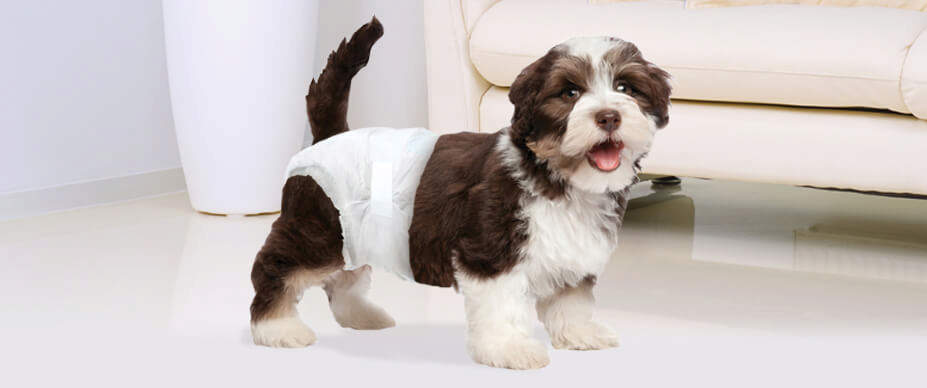
Image Source: www.fourpaws.com
The Connection Between Dog Diapers and UTIs
Dog diapers are helpful for many reasons. They manage incontinence in older dogs, help with house training puppies, and keep female dogs clean during heat cycles. But they do come with a risk of UTIs. This is mainly because of how they work and how they are used.
Moisture Buildup and Germ Growth
Diapers hold urine. If a diaper gets wet and stays on your dog for a long time, moisture buildup in dog diapers UTI becomes a big concern. This wetness traps heat. This warm, damp place is perfect for bacteria to multiply fast. Bacteria like E. coli, which is common in dog poop, can move from the skin or rectum into the diaper. From there, it can easily enter the urethra, which is the tube that carries urine out of the body. Once inside, these bacteria can travel up to the bladder, causing a bladder infection. This answers the question: can dog diapers cause bladder infection? Yes, they can, if hygiene is not perfect.
Skin Irritation and Inflammation
A wet diaper can also rub against your dog’s skin. This can cause redness, soreness, and even open sores. This is often called dog diaper rash. When the skin is irritated or broken, it’s easier for bacteria to get in. This damage to the skin’s natural barrier makes your dog more open to infections. The link between dog diaper rash UTI is clear: rash weakens the skin, allowing germs to enter more easily.
Blocked Air Flow
Many diapers, especially those not designed for breathability, can stop air from reaching the skin. This lack of air makes the area even warmer and wetter. It creates an ideal home for bacteria and yeast, which can both cause problems.
Spotting the Signs: Symptoms of UTI from Dog Diapers
Catching a UTI early is key to a quick recovery. You need to know the common symptoms of UTI from dog diapers. If you see any of these signs, contact your vet right away.
Common Signs of a Urinary Tract Infection
- Frequent Urination: Your dog may try to pee much more often than usual. They might pass only small amounts of urine each time.
- Straining to Urinate: You might see your dog push or strain when trying to pee. They may look uncomfortable.
- Painful Urination: Your dog might cry, whimper, or show signs of pain when they pee. They might arch their back or lick their private parts a lot.
- Licking Genital Area Excessively: Dogs with UTIs often lick their private parts more than normal. This is their way of trying to ease the discomfort.
- Bloody or Cloudy Urine: The urine may look reddish, pinkish, or cloudy. It might also have a very strong, bad smell.
- Accidents in the House: Even if your dog is house-trained, they might start having accidents inside. This is because they can’t hold their bladder as well.
- Changes in Behavior: Your dog might seem more tired, restless, or irritable. They may lose their appetite or avoid playing.
- Fever: In more severe cases, your dog might have a fever.
It is important to remember that these symptoms can also point to other health problems. Only a vet can truly tell if your dog has a UTI. Do not wait. Get your dog checked as soon as possible. Early treatment can stop the infection from getting worse or spreading to the kidneys.
Guarding Against Infection: Preventing UTIs in Dogs Using Diapers
Preventing UTIs in dogs using diapers comes down to good care and smart choices. A few simple steps can make a big difference in your dog’s health.
Detailed Dog Diaper Hygiene Tips
This is the most important part of keeping your dog safe from UTIs when using diapers. Strict hygiene can prevent most problems.
How Often to Change Dog Incontinence Diapers
This is vital. A wet diaper should never stay on your dog for long.
* As Soon As It’s Wet: Change the diaper as soon as you know it’s soiled with urine or feces.
* Minimum Schedule: Even if it feels dry, change it at least every 3-4 hours for most dogs. For very old dogs or those with severe incontinence, you might need to change it every 1-2 hours.
* Before Bedtime: Always put a clean, fresh diaper on your dog before they go to sleep.
* First Thing in the Morning: Change the diaper as soon as your dog wakes up.
Proper Dog Diaper Changing Routine
- Gather Supplies: Have all you need ready: new diaper, mild pet-safe wipes or warm, damp cloth, dry towels, and maybe some pet-friendly powder or cream if advised by your vet.
- Remove the Old Diaper: Gently take off the soiled diaper. Be careful not to spread waste.
- Clean the Area Thoroughly: This is where many people miss a step.
- Use a pet-safe wipe or a soft, damp cloth with warm water.
- Wipe your dog’s private parts and the surrounding skin.
- For female dogs, wipe from front to back. This stops bacteria from the rectum from reaching the urethra.
- For male dogs, clean the penis and the area around it well.
- If there’s any fecal matter, clean it all off carefully.
- Dry Completely: This step is often rushed. It is crucial.
- Use a clean, dry towel to gently pat the skin dry.
- Make sure the skin is fully dry before putting on a new diaper. Any lingering moisture creates that perfect breeding ground for bacteria.
- You can let the area air dry for a few minutes if your dog is patient.
- Check the Skin: While the diaper is off, always check your dog’s skin. Look for redness, irritation, sores, or a rash. If you see anything, treat it or talk to your vet.
- Apply Barrier Cream (Optional): If your vet suggests it, you can put a thin layer of pet-safe barrier cream (like zinc oxide-free diaper cream or petroleum jelly) on the skin. This can help protect against wetness and chafing. Make sure it is safe for pets.
- Put On a Fresh Diaper: Place a clean, properly sized diaper on your dog. Make sure it fits well but is not too tight.
Keeping it Clean
- Washable Diapers: If you use washable diapers, wash them often. Use a pet-safe detergent. Make sure they are thoroughly clean and dry before reuse.
- Waste Disposal: Dispose of soiled disposable diapers properly and quickly. This helps prevent bacteria from spreading in your home.
Picking the Best Dog Diapers to Prevent Infection
The type of diaper you use also matters a lot. Not all diapers are made equal.
Breathable Materials
Look for diapers made from breathable materials. These allow air to circulate, which helps keep the skin drier and cooler. Materials like cotton blends or those with “breathable” outer layers are better than thick, non-breathable plastics.
Proper Fit
A good fit is very important.
* Not Too Tight: A diaper that is too tight can rub and cause irritation. It can also restrict blood flow.
* Not Too Loose: A loose diaper will leak, which defeats the purpose. It also allows waste to touch more skin.
* Secure: The diaper should stay in place without slipping. Many diapers have adjustable tabs or elastic leg openings for a snug fit. Measure your dog carefully and check the size chart.
Absorbency
Choose diapers that are highly absorbent. They should be able to soak up a good amount of urine quickly and pull it away from the skin. This keeps the skin drier and reduces moisture buildup. Some diapers have gel-like cores that lock away liquid.
Disposable vs. Washable Diapers
Both have pros and cons.
| Feature | Disposable Diapers | Washable Diapers |
|---|---|---|
| Convenience | Easy to use and throw away. No washing needed. | Need to be washed regularly. More work. |
| Cost | Higher long-term cost as you keep buying them. | Higher upfront cost, but cheaper over time. |
| Breathability | Varies widely. Some are very breathable, some not. | Often made of cloth, which can be more breathable. |
| Fit | Usually offer a wide range of sizes and adjustability. | Fit can vary more by brand and how they are made. |
| Environmental | Creates more waste. | More eco-friendly if reused many times. |
| Hygiene Control | Fresh diaper every time. | Requires careful washing to ensure cleanliness. |
For preventing UTIs, the key is proper use and hygiene, regardless of type. If using washable diapers, make sure you have enough so you can change them often and wash them well.
Checking Your Dog Often
Regular checks are a simple way to prevent problems.
* Daily Skin Checks: Whenever you change the diaper, take a moment to look at your dog’s skin around the diaper area. Look for any redness, swelling, rashes, or cuts.
* Behavior Watch: Pay attention to how your dog acts. Any change in peeing habits, discomfort, or general mood could mean something is wrong.
* Odor Check: A strong, bad smell from the diaper area, even with a clean diaper, can signal a problem or infection.
Keeping Your Dog Hydrated
Drinking enough water helps keep your dog’s urinary system healthy. Good water intake helps flush bacteria out of the bladder. Always make sure your dog has access to fresh, clean water.
Moving Beyond Diapers: Alternatives to Dog Diapers for Hygiene
While diapers are useful, they are not the only option. Sometimes, alternatives to dog diapers for hygiene might be better or can be used with diapers to lower risks.
Belly Bands for Male Dogs
Belly bands are wraps that go around a male dog’s waist. They cover the penis area. They are great for marking behaviors, mild incontinence, or drip issues. They are not full diapers as they don’t cover the rear end, so they are not suitable for solid waste or large amounts of urine. They are often less likely to cause UTIs if changed often, as they leave more skin exposed to air.
Sanitary Pants for Female Dogs
These are similar to belly bands but are designed for female dogs. They are mainly used during heat cycles to catch blood. Like belly bands, they don’t offer full coverage for heavy incontinence.
Frequent Potty Breaks
This is the most natural and best way to manage incontinence. If possible, take your dog out to pee very often. This reduces the time urine sits in a diaper. It also helps empty the bladder more fully. For older or less mobile dogs, this might mean carrying them outside or using a doggie ramp.
Absorbent Pads or Mats
For dogs who spend a lot of time in one spot (like in a crate or a specific resting area), absorbent pads can be very helpful. These pads soak up urine and keep it off the dog’s body. They need to be changed often. This works best for dogs who will use the pads.
Dog Enclosures with Easy-Clean Floors
For dogs with severe incontinence, a dedicated indoor space with a washable floor (like linoleum or tile) can be a good idea. This allows for easy cleanup of accidents without constant diaper use. This can be combined with absorbent pads.
Veterinary Consultation for Underlying Issues
Sometimes, incontinence is a sign of a deeper health problem. Your vet can check for things like:
* Kidney disease.
* Bladder stones.
* Spinal issues.
* Nerve damage.
* Hormone imbalances.
* Other infections.
Treating the root cause can often reduce or stop the need for diapers.
Interpreting the Role of Diet and Hydration
What your dog eats and drinks plays a part in urinary health. While not a direct cause of UTI from diapers, a healthy diet supports overall well-being and a strong immune system.
Water Intake
As mentioned, proper hydration is key. Water helps dilute urine and makes your dog pee more often. This flushes out bacteria from the bladder and urethra. Always ensure fresh, clean water is available. Consider adding a little water to their food if they don’t drink much.
Cranberry Supplements
Some vets suggest cranberry supplements for dogs prone to UTIs. Cranberries contain compounds that may help prevent bacteria from sticking to the bladder walls. Always talk to your vet before giving any supplements to your dog. They can tell you the right dose and if it’s safe for your dog.
When to Call the Vet
Knowing when to seek professional help is important. If you suspect a UTI, or if your dog seems unwell, call your vet.
Immediate Vet Visit
- Severe Pain: If your dog cries out in pain when peeing, or seems very uncomfortable.
- Bloody Urine: Any blood in the urine needs urgent attention.
- Inability to Urinate: If your dog tries to pee but nothing comes out, it could be an emergency, especially for male dogs where blockages are possible.
- Lethargy and Fever: If your dog is very tired, won’t eat, or feels hot.
- Symptoms Worsen: If the signs of UTI get worse, even with home care.
Follow-up Care
If your dog is diagnosed with a UTI, follow your vet’s treatment plan completely. This usually means giving antibiotics for the full course, even if your dog seems better. Stopping early can lead to the infection coming back stronger.
Frequently Asked Questions (FAQ)
Q1: Can all dog diapers cause UTIs?
A1: Any dog diaper can increase the risk of a UTI if not used properly. The risk goes up with poor hygiene, too few diaper changes, and certain diaper materials.
Q2: How often should I change my dog’s diaper to prevent UTIs?
A2: Change your dog’s diaper as soon as it’s wet or soiled. At a minimum, change it every 3-4 hours. For very incontinent dogs, more often may be needed. Always change it before bed and first thing in the morning.
Q3: What are the main signs of a UTI in a dog with a diaper?
A3: Look for frequent attempts to pee, straining, pain during urination, excessive licking of private parts, cloudy or bloody urine, and accidents indoors. Your dog might also seem more tired or irritable.
Q4: Are washable diapers better than disposable ones for preventing UTIs?
A4: Neither type is strictly “better.” Both can be safe if used with strict hygiene. Washable diapers need thorough washing and drying. Disposable diapers require frequent changes and proper disposal. The best dog diapers to prevent infection are those that fit well, are absorbent, and are changed often.
Q5: My dog has a diaper rash. Does this mean they have a UTI?
A5: Not always, but a diaper rash can increase the risk of a UTI. The rash means the skin is irritated or damaged, making it easier for bacteria to enter. Treat the rash promptly and improve your dog diaper hygiene tips.
Q6: Can I use human baby wipes or creams on my dog?
A6: It is best to use pet-safe wipes and creams. Human products can contain ingredients that are harmful or irritating to dogs. Always check the label or ask your vet first.
Q7: What if my dog keeps getting UTIs even with good diaper care?
A7: If UTIs are happening often, your dog might have an underlying health issue. See your vet. They can do tests to find the root cause and suggest a treatment plan.
Q8: What are some good alternatives to dog diapers for hygiene?
A8: Alternatives include frequent potty breaks, absorbent pads, belly bands for males, sanitary pants for females, and dedicated easy-to-clean indoor areas. Your vet can also help find the cause of incontinence.
Using dog diapers can be a great way to manage incontinence or other issues in your dog. The risk of UTIs is real but mostly preventable. By following strict hygiene rules, choosing the right products, and watching your dog closely, you can keep your beloved pet comfortable and healthy.