
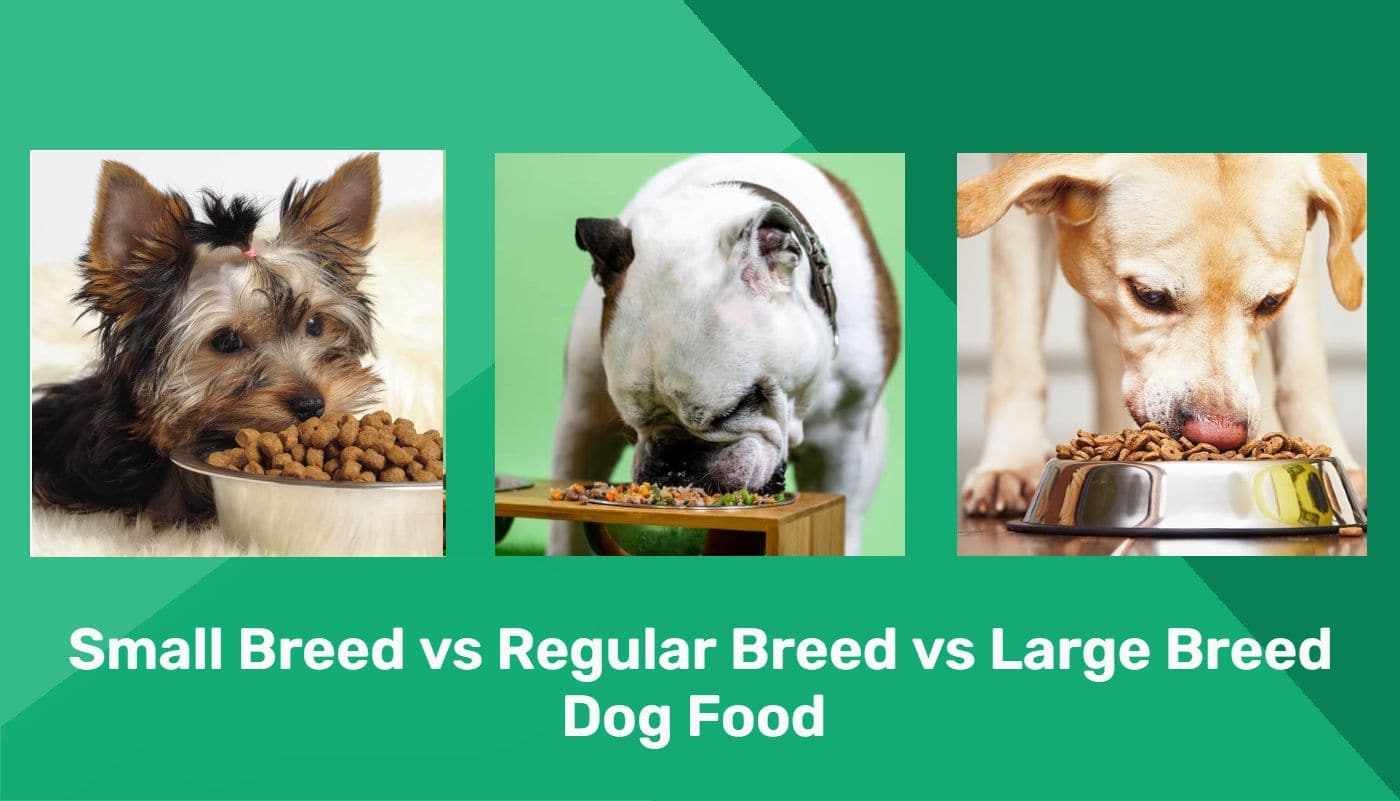
Image Source: www.dogster.com
Grasping Diet: Can Big Dogs Eat Small Dog Food Long-Term?
Can big dogs eat small dog food long-term? The clear answer is no. Feeding small dog food to a big dog for a long time is not a good idea. Small dog foods do not meet the special needs of large dogs. They can cause big health problems over time. Big dogs need different types and amounts of nutrients. They also need different kibble sizes. This guide will help you learn why. We will look at the risks and how to feed your big dog right.
Why Big Dogs Have Different Needs
Big dogs are not just bigger versions of small dogs. They grow in a special way. Their bodies work differently. This means their food needs are very different. Giving them the wrong food can lead to serious health issues.
Nutritional Needs Large Dogs: More Than Just Food
Big dogs need a lot of certain nutrients. But they need them in careful amounts. Too much or too little of some things can be bad.
- Protein and Fat: Big dogs need good protein for strong muscles. They also need healthy fats for energy. But the amounts are key. Too much protein can make puppies grow too fast. This can hurt their bones. Too much fat can lead to weight gain. Heavy dogs put more stress on their joints.
- Vitamins and Minerals: Big dogs need a good balance of vitamins and minerals. These help their bones, joints, and organs. For example, calcium and phosphorus are vital for bone growth. But the ratio must be just right for large breeds.
- Growth Plate Health: Puppies have soft spots in their bones. These are called growth plates. They turn into hard bone as the puppy grows. Too much calcium or too fast growth can damage these plates. This can cause bone problems later. This is why a special large breed puppy diet is a must.
- Joint Health Supplements Big Dogs: Many big dogs are prone to joint problems. Things like hip dysplasia are common. Good food can help prevent these issues. Some large breed dog foods add nutrients like glucosamine and chondroitin. These help keep joints healthy. Even if not a supplement, the right basic nutrients help.
Kibble Size Choking Hazard and Eating Habits
Small dog food often comes in tiny kibble pieces. This size is fine for little mouths. But it can be a problem for big dogs.
- Choking Risk: Big dogs have large mouths and throats. They might swallow small kibble pieces whole. This can lead to choking. It is a real danger.
- Eating Too Fast: Big dogs often eat their food very quickly. Tiny kibble makes this worse. They might not chew it much. Swallowing food too fast can lead to problems like bloat. Bloat is a very serious and often deadly condition. It happens when the stomach twists.
- Digestive Issues Large Breeds: When a big dog eats too fast, they can swallow a lot of air. This air can upset their stomach. It can lead to gas, bloating, and other digestive issues large breeds face. Larger kibble forces big dogs to chew more. This slows them down. It helps digestion.
The Problem with Small Dog Food for Big Dogs
Small dog food is made for small dogs. It fits their special needs. But these needs are the opposite of what big dogs need. Feeding small dog food to a big dog is like giving baby formula to a grown man. It just doesn’t fit.
Calorie Density Small Dog Food: Too Much of a Good Thing
Small dogs have fast metabolisms. They burn energy quickly. So, their food has many calories in a small amount. This is called high calorie density small dog food.
- Weight Gain: Big dogs eating small dog food will get too many calories. Even small portions can be too much. This leads to quick weight gain.
- Stress on Joints: Extra weight puts a huge strain on a big dog’s joints. This can make joint problems like arthritis worse. It can even cause them. Healthy joints are vital for the long-term health large dogs need.
- Other Health Issues: Being overweight can lead to other problems. These include heart disease, diabetes, and a shorter life.
Missing Key Nutrients for Large Breeds
Small dog food doesn’t just have too many calories. It also lacks some key things big dogs need. Or it has them in the wrong amounts.
- Calcium Phosphorus Ratio Dog Food: This ratio is very important for bone growth. For large breed puppies, the calcium-to-phosphorus ratio needs to be tightly controlled. Too much calcium can cause bone problems like osteochondritis dissecans (OCD). Small dog food often has too much calcium for large breed puppies. This is a big risk.
- Glucosamine and Chondroitin: As mentioned, many large breed dog foods add these to help joints. Small dog foods usually do not. Their joints are not under the same stress.
- Fiber Content: Large breed foods often have more fiber. This helps with digestion. It also makes dogs feel full. Small dog food might have less fiber. This can lead to digestive issues large breeds face.
Digestive Issues Large Breeds: The Wrong Fit
Big dogs often have sensitive stomachs. Their digestive systems are large. They work in a certain way. Small kibble can make digestion harder.
- Fast Eating and Bloat: We already talked about eating too fast. This often causes bloat in large dogs. Bloat is an emergency.
- Nutrient Absorption: The way food is made can affect how well nutrients are taken in. Small dog food might not be set up for a large dog’s slower digestion. This means they might not get all the goodness from the food. Even if the food had the right nutrients, they might not use them well.
- Food Sensitivity: Some big dogs react badly to certain ingredients. While not directly about kibble size, the overall makeup of small dog food might not suit them.
Special Considerations for Large Breed Puppies
Large breed puppies need very special care. Their growth is rapid. But it needs to be controlled. Feeding the wrong food at this stage can cause lasting harm.
Large Breed Puppy Diet: A Critical Start
The first year or two of a large dog’s life is vital. This is when their bones and joints form.
- Controlled Growth is Key: Large breed puppies should grow at a steady rate. They should not grow too fast. Too much growth can lead to bone and joint issues. Small dog food often makes puppies grow too fast. This is because of its high calorie and calcium levels.
- Calcium Phosphorus Ratio Dog Food for Puppies: This is extremely important for large breed puppies. The ideal ratio is usually between 1.1:1 and 1.5:1. Small dog food can have a much higher calcium level. This throws off the balance. This can lead to weak bones or bone deformities. Always look for a food labeled “Large Breed Puppy.”
- Specific Nutrients for Development: Large breed puppy foods are made with special levels of protein and fat. These support lean muscle growth. They also have the right amount of joint-supporting nutrients. Small dog food lacks this careful balance.
Table: Key Nutrient Differences (Example) For Illustration Only
(Please note: Exact values vary greatly by brand and formula. These are general guidelines.)
| Nutrient | Large Breed Dog Food (Adult) | Small Breed Dog Food (Adult) | Why it Matters for Big Dogs |
|---|---|---|---|
| Protein (min) | 23-28% | 25-30% | Supports muscle without excess growth. |
| Fat (min) | 12-18% | 15-22% | Provides energy without too many calories. |
| Calcium (min) | 0.8-1.2% | 1.0-1.5% | Controlled for bone health, especially for puppies. |
| Phosphorus (min) | 0.7-1.0% | 0.8-1.2% | Balanced with calcium for proper bone formation. |
| Glucosamine/Chondroitin | Often added (e.g., 300mg/kg) | Less common or absent | Supports joint health for heavier bodies. |
| Calorie Density | Moderate (e.g., 350-380 kcal/cup) | High (e.g., 400-450+ kcal/cup) | Prevents weight gain and joint stress. |
| Kibble Size | Large | Small | Reduces choking risk and slows eating. |
How to Pick the Right Food for Your Big Dog
Choosing the right food for your large dog is one of the best things you can do for their health. Do not guess. Look for specific labels and trusted names.
AAFCO Dog Food Standards: Your Guide to Quality
AAFCO stands for the Association of American Feed Control Officials. AAFCO does not make dog food. Instead, it sets rules for dog food labels. It helps make sure dog food is good for dogs.
- What AAFCO Means: When you see an AAFCO statement on dog food, it means the food meets certain nutrient levels. Or it has passed feeding tests. This means the food is “complete and balanced.” It means it provides all needed nutrients.
- Life Stages: AAFCO labels will say if the food is for:
- “Growth” (for puppies, including large breed puppy diet)
- “Maintenance” (for adult dogs)
- “All Life Stages” (can be used for puppies and adults, but check for large breed puppy needs).
- Always look for a food labeled for “large breed growth” for puppies. For adults, look for “large breed adult maintenance.” These foods are made with big dogs in mind.
Breed-Specific Dog Food: A Tailored Approach
Many dog food companies make breed-specific dog food. These foods are made for certain dog breeds. They consider the needs of that breed.
- Targeted Nutrition: For example, food for a Great Dane might focus more on joint health and controlled growth. Food for a Labrador might focus on weight management. This is because these breeds have known health risks.
- Kibble Shape and Size: Breed-specific foods also often have special kibble shapes. These are made for a certain breed’s jaw and bite. This can help with chewing and digestion.
Checking the Ingredients List
Always read the back of the bag. The first few ingredients are the most important.
- Protein Source: Look for a named meat as the first ingredient. Examples are “chicken,” “beef,” or “salmon.” Avoid vague terms like “meat meal.”
- Whole Grains or Complex Carbs: Good carbs give energy. Look for things like brown rice, oats, or barley.
- Healthy Fats: Look for named fats like chicken fat or fish oil. Fish oil adds omega-3s, which are good for skin, coat, and joints.
- Avoid Fillers: Try to avoid foods with a lot of fillers. These are ingredients that offer little nutrition. Examples are corn gluten meal or wheat middlings.
- No Artificial Colors or Flavors: These are not needed. They can cause issues for some dogs.
- Nutrient Balance: Make sure the food meets the needs for large dogs. It should have the right protein, fat, calcium, and phosphorus. This is especially true for large breed puppy diet foods.
Long-Term Health Large Dogs: The Payoff of Good Food
Choosing the right food for your big dog is an investment. It pays off in a big way. It helps your dog live a long, healthy, and happy life.
Preventing Common Health Problems
Good food greatly reduces the risk of many health issues in large dogs.
- Joint and Bone Health: Proper nutrition, especially the right calcium phosphorus ratio dog food, is key. It helps prevent or lessen conditions like hip and elbow dysplasia. It also helps with arthritis. Joint health supplements big dogs need might already be in good large breed foods.
- Weight Management: The right calorie density helps keep your dog at a healthy weight. This takes stress off their joints and organs.
- Digestive Health: Large kibble and balanced fiber help prevent bloat and other digestive issues large breeds can have.
- Heart Health: Proper nutrients support a strong heart. Obesity can stress the heart.
- Overall Well-being: A well-fed dog has a strong immune system. They have more energy. Their coat is shiny. They just feel better. This improves their quality of life.
A Happy, Healthy Life
Your big dog depends on you. Providing them with the right food shows you care. It helps them be their best selves. They can run, play, and enjoy life without pain. This leads to a happier dog and a happier owner. Thinking about the long-term health large dogs need starts with the bowl.
Can Big Dogs Eat Small Dog Food in an Emergency?
What if you run out of large breed food? Can you feed small dog food for a day or two? In a true emergency, a small amount for a very short time might be okay. It is better than no food at all. But this should be rare. It is not a habit.
If you must, give a very small portion. Remember the high calorie density small dog food has. Watch your dog closely. Make sure they do not choke. Get the right food as soon as you can. Do not make this a regular thing.
Conclusion: Prioritizing Your Big Dog’s Diet
It is clear: big dogs should not eat small dog food long-term. Their bodies have different needs. Small dog food does not meet these needs. It can lead to serious health problems. These include joint issues, obesity, and digestive problems. It can even cause choking.
Always choose a dog food made for large breeds. Look for “large breed adult” or “large breed puppy diet” on the label. Check for the AAFCO statement. Pay attention to the calcium phosphorus ratio dog food has, especially for puppies. This choice is vital for the long-term health large dogs deserve. By feeding your big dog the right food, you give them the best chance for a full, active, and joyful life.
Frequently Asked Questions (FAQ)
Q1: My large dog likes to eat my small dog’s food. Is a little bit okay?
A1: A tiny bite now and then is usually fine. But do not let it become a habit. The kibble size choking hazard is real for big dogs. Also, the calorie density small dog food has can add up fast. It’s best to keep their foods separate.
Q2: What’s the biggest risk if my big dog eats small dog food for a while?
A2: The biggest risks are joint problems due to wrong nutrient levels (especially for puppies) and weight gain. The kibble size choking hazard and bloat from eating too fast are also serious concerns.
Q3: How is large breed puppy diet food different from regular puppy food?
A3: Large breed puppy food is made to control growth. It has lower calories. It also has very specific calcium phosphorus ratio dog food levels. This helps bones and joints grow slowly and correctly. Regular puppy food can make big puppies grow too fast. This harms their bones.
Q4: My big dog gained weight on a large breed formula. Is the food bad?
A4: Not necessarily. Even with large breed food, portion control is key. Check the feeding guide on the bag. Adjust the amount based on your dog’s activity level. Too many treats can also cause weight gain. Talk to your vet if you’re worried about your dog’s weight.
Q5: Does AAFCO mean a dog food is the best quality?
A5: AAFCO means the food meets basic nutrient standards. It’s a good starting point. But it doesn’t mean it’s the best quality. It means it’s complete and balanced for the listed life stage. Look for foods that also use high-quality ingredients. Breed-specific dog food can offer even more tailored nutrition.
Q6: Can joint health supplements big dogs need be given if they don’t eat large breed food?
A6: Yes, joint health supplements big dogs may need can be given separately. But it’s better to choose a food that helps from the start. A good large breed food will have nutrients to support joints. Always talk to your vet before starting any new supplements.