
Is Your Dog Coughing? Can Allergies Cause A Dog To Cough?
Yes, allergies can make your dog cough. Just like people, dogs can get allergies. These allergies can bother their breathing, leading to a cough. A dog’s cough might be a sign of many things. But, often, a dog’s cough can come from an allergy. It means their body is overreacting to something harmless in their world. This article will help you learn more about dog allergies and how they can affect your furry friend’s breathing.
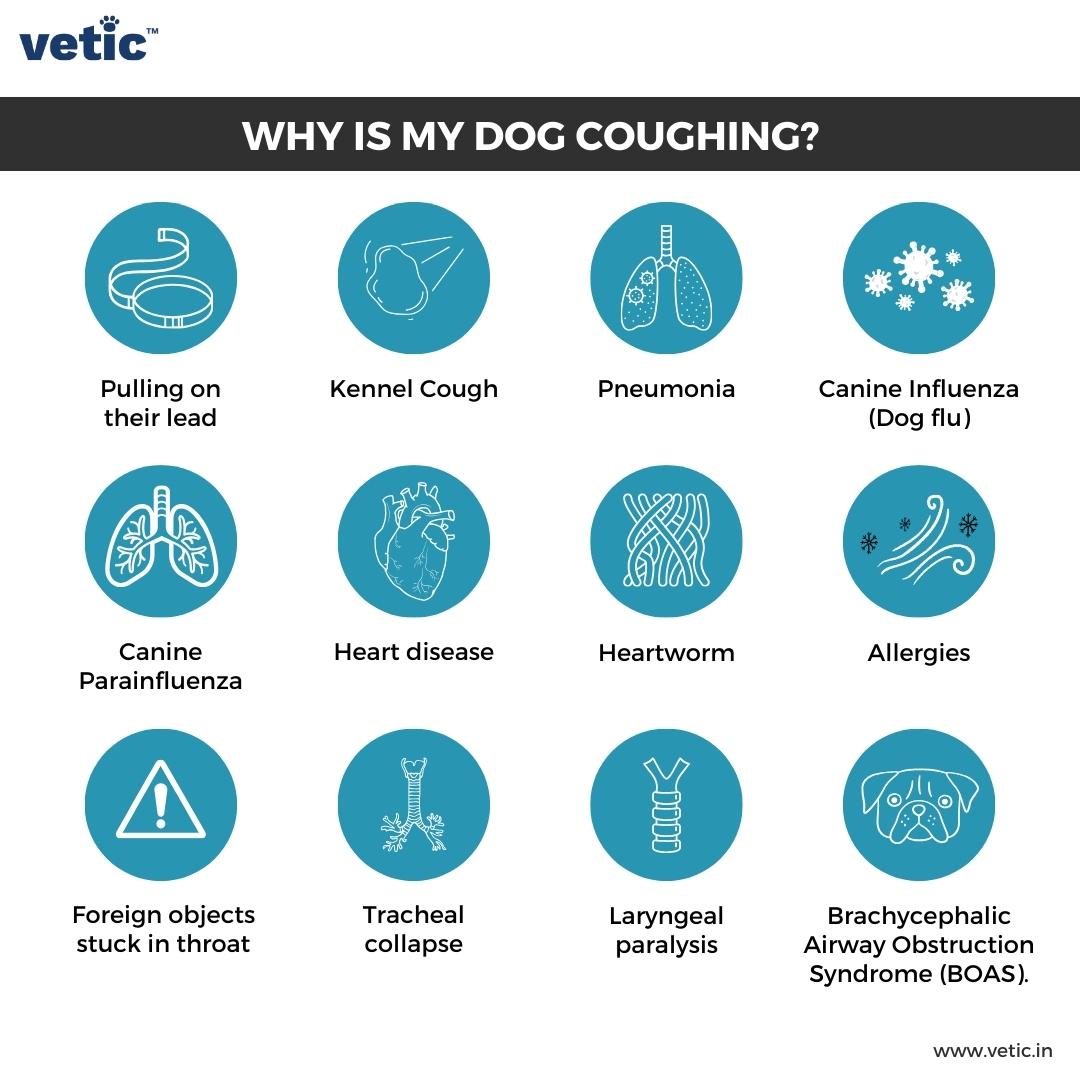
Image Source: vetic.in
How Allergies Make Your Dog Cough
When your dog meets something it is allergic to, its body sees it as a threat. The dog’s immune system, which usually fights off bad germs, starts to fight this harmless thing. This fight releases chemicals. These chemicals cause swelling and irritation in your dog’s nose, throat, and lungs.
This swelling and irritation can make the airways tight. It also causes more mucus to form. Both of these things can trigger a cough. The cough is your dog’s way of trying to clear its throat or lungs.
Signs of Dog Breathing Allergies
It is good to know the signs of dog allergies. This helps you get help for your dog fast. Beyond just coughing, you might see other canine respiratory allergy symptoms.
Look for these common signs:
- Coughing: This is the main focus. It can be dry, hacking, or wet. It might sound like your dog is trying to clear something from its throat.
- Sneezing: Often linked with a runny nose.
- Runny Nose: Clear, watery fluid coming from the nose.
- Watery Eyes: Your dog’s eyes may look wet or tear up a lot.
- Wheezing: A high-pitched sound, often heard when your dog breathes out. It means their airways are narrow.
- Trouble Breathing: Your dog might breathe fast or work hard to breathe. Their chest might move a lot.
- Licking or Chewing Paws: Allergies often make skin itchy.
- Itchy Skin: Your dog might scratch a lot. They might have red spots or hot spots.
- Ear Infections: Recurring ear problems can also be a sign of allergies.
A cough tied to allergies may happen only at certain times of the year. Or, it could happen all the time. It depends on what your dog is allergic to.
Common Triggers in Your Dog’s World
Many things in your dog’s world can cause allergies. These are called environmental allergens affecting dogs. They are usually tiny and float in the air.
Here are some common triggers:
- Pollen: This is a big one. It comes from trees, grass, and weeds. Pollen levels change with the seasons.
- Dust Mites: These tiny bugs live in dust. They are often found in beds, carpets, and furniture.
- Mold Spores: Mold grows in damp places. You can find it indoors and outdoors.
- Pet Dander: If you have other pets, like cats or birds, your dog can be allergic to their skin flakes.
- Household Products: Things like strong cleaning sprays, air fresheners, or perfumes can bother some dogs.
- Cigarette Smoke: Smoke can irritate your dog’s breathing system. It can make allergy symptoms worse.
Knowing what your dog is around can help you figure out what might cause its allergy.
Other Reasons Your Dog Might Cough
A cough is a common sign of many health problems in dogs. It is very important to know that allergies are just one reason. Many other things can cause a dog to cough. This is why a vet visit is a must. A vet can find the true cause. They can rule out other serious issues.
Here are some dog coughing causes besides allergies:
- Infections:
- Kennel Cough: This is a very common and very contagious breathing infection. It causes a strong, hacking cough, like a goose honk. It often sounds like your dog has something stuck in its throat.
- Bacterial Infections: Bacteria can cause infections in the lungs or airways.
- Viral Infections: Just like kennel cough, other viruses can lead to a cough.
- Fungal Infections: Some fungi can cause breathing problems and coughs. These are more common in certain areas.
- Parasites: Lungworms are a type of parasite. They live in the lungs and can cause coughing.
- Heart Problems:
- Heart Disease: When the heart does not work well, fluid can build up in the lungs. This is called congestive heart failure. It can cause a soft, wet cough, especially at night or when resting.
- Enlarged Heart: A large heart can press on the airways. This can also trigger a cough.
- Airway Issues:
- Tracheal Collapse: The trachea is the windpipe. In some dogs, especially small breeds, it can flatten. This makes it hard for air to pass. It causes a dry, honking cough. Stress or pulling on the leash can make it worse.
- Chronic Bronchitis: Long-term swelling of the airways. It causes a lasting cough.
- Foreign Objects: If your dog inhales something like a seed, a blade of grass, or a small toy piece, it can get stuck in its airway. This will cause sudden, strong coughing.
- Cancer: Tumors in the lungs or airways can cause a cough. This is often more common in older dogs.
- Pneumonia: A serious infection and swelling of the lungs. It causes a deep, wet cough, fever, and trouble breathing.
Because there are so many reasons for a cough, you must talk to your vet. They can do tests to find out what is truly happening.
Here is a simple table to help you compare cough types:
| Cough Type | Likely Cause | Common Sound / How it Looks | Other Signs |
|---|---|---|---|
| Allergy Cough | Allergens (pollen, dust) | Can be dry or wet; often mild. | Itchy skin, watery eyes, sneezing, runny nose. |
| Kennel Cough | Virus/Bacteria | Dry, hacking; like a “goose honk.” | Sounds like something stuck in throat. |
| Heart Cough | Heart Disease | Soft, wet; worse at night/rest. | Weakness, fatigue, trouble breathing, swelling. |
| Tracheal Collapse | Weak Windpipe | Dry, harsh “honking” cough. | Worse with excitement, pulling on collar. |
| Pneumonia | Lung Infection | Deep, wet, gurgling. | Fever, not eating, very tired, labored breathing. |
| Foreign Object | Inhaled Item | Sudden, strong, gagging, choking. | Distress, pawing at mouth. |
Delving Deeper into Allergy-Related Coughs
Allergies can cause different types of breathing issues in dogs. Some are short-term, while others are long-lasting.
Seasonal Breathing Troubles
Just like people, dogs can get seasonal allergies in dogs and coughing. This means their cough or other allergy signs only happen at certain times of the year. Often, this is when pollen from trees, grasses, or weeds is high.
- Pollen Seasons: Tree pollen is strong in spring. Grass pollen is high in summer. Weed pollen peaks in late summer and fall. Your dog’s cough might get worse during these times.
- Outdoor Activities: Walks in grassy fields or parks can make the cough worse. This is because your dog is around more allergens.
- Indoor Allergens: If your dog is allergic to dust mites or mold, their cough might be worse when they spend more time indoors. This could be in winter months when houses are closed up.
Keeping track of when your dog coughs can give clues to your vet.
Bronchitis Tied to Allergies
Dog bronchitis allergy related is a common issue. Bronchitis means the tubes that go into the lungs (bronchi) become swollen. When allergies cause this swelling, it is called allergic bronchitis.
- Chronic Cough: If this swelling lasts a long time, it becomes chronic bronchitis. Your dog might have a cough that does not go away. It can be a dry, harsh cough.
- Mucus Build-up: The swollen airways make more mucus. This mucus can be hard for your dog to clear. This leads to a persistent cough.
- Long-Term Impact: If not treated, chronic bronchitis can harm your dog’s lungs over time. It can make breathing harder.
Allergy-Sparked Dog Asthma
While less common than in cats or humans, allergy induced dog asthma can happen. Asthma is when the small airways in the lungs get tight. This makes it very hard to breathe.
- Symptoms: Dogs with asthma may show signs like:
- Wheezing: A whistling sound when they breathe out.
- Labored Breathing: Your dog might look like it is working very hard to breathe. Its chest may move a lot.
- Coughing Fits: Sudden, strong bouts of coughing.
- Open-Mouth Breathing: In severe cases, your dog might gasp for air with its mouth open.
- Blue Gums: This is a very serious sign. It means your dog is not getting enough oxygen. Get help right away.
- Emergency: An asthma attack is a medical emergency. Your dog needs vet care right away.
- Triggers: Allergens like pollen, dust mites, or smoke can trigger asthma in sensitive dogs.
Wheezing and Sneezing with Allergies
A cough is often not the only sign. You might also see wheezing and sneezing in allergic dogs.
- Wheezing: This sound comes from the lower airways (bronchi or lungs) getting narrow. It often means swelling or muscle spasms. It is a key sign in cases of asthma or bronchitis.
- Sneezing: This usually comes from irritation in the nose. Your dog’s body tries to blow out whatever is bothering its nasal passages.
- Nasal Discharge: Your dog might also have a clear, watery discharge from its nose, along with sneezing.
- Combined Signs: If your dog has a cough, wheezing, and sneezing, it strongly points to an allergy affecting both its upper and lower breathing systems.
Reverse Sneezing from Allergies
Many dog owners get scared when they first see dog reverse sneezing allergies. It looks and sounds very alarming. It is often confused with a cough or choking.
- What it Looks Like: Your dog stands still. Its neck may stretch out. It makes strong, sudden inhalations through its nose. It sounds like snorting, gagging, or honking very quickly.
- Why it Happens: Reverse sneezing is a spasm of the soft palate and throat. It happens when something irritates the back of the throat or nasal passages.
- Allergy Connection: Allergies are a common trigger for reverse sneezing. The swelling and post-nasal drip from allergies can irritate the throat.
- Usually Harmless: Most reverse sneezing fits are short and harmless. They stop on their own. You can try to calm your dog. Gently stroking its throat or covering its nostrils for a second can help it swallow and stop the spasm.
- When to Worry: If reverse sneezing happens very often, lasts a long time, or is linked with other signs like trouble breathing, see your vet. It might be more than just allergies.
Pinpointing Your Dog’s Allergy Cough
Finding out if your dog’s cough is due to allergies takes careful work. Your vet will be key in this process.
- History: Your vet will ask you many questions.
- When did the cough start?
- How often does it happen?
- What does it sound like?
- Does it get worse at certain times of day or year?
- What other signs do you see?
- What kind of food does your dog eat?
- What is your home like (smokers, cleaning products, other pets)?
- Physical Exam: The vet will check your dog from head to tail. They will listen to your dog’s heart and lungs. They will look at its nose, throat, and teeth.
- Rule Out Other Causes: This is a big step. Your vet might suggest tests to rule out infections, heart disease, or other serious problems.
- Blood Tests: To check for infection, inflammation, or overall health. Some blood tests can check for specific allergy antibodies.
- X-rays (Radiographs): To look at the lungs, heart, and windpipe. This helps find fluid in the lungs, an enlarged heart, or tracheal collapse.
- Fecal Tests: To check for lungworms.
- Allergy Testing: If allergies are suspected, your vet might suggest specific allergy tests. These can be blood tests (IgE tests) or skin tests (intradermal allergy tests). These tests help find the exact allergens your dog reacts to.
- Bronchoscopy or BAL: In some cases, a vet might use a small camera to look into the airways (bronchoscopy). They might also take a sample of fluid from the lungs (bronchoalveolar lavage, or BAL). This helps find inflammation or infection.
- Trial Treatment: Sometimes, if allergy is strongly suspected, the vet might suggest a trial with allergy medicines. If the cough gets better, it can point to allergies.
Helping Your Dog’s Allergy Cough
Once allergies are confirmed or highly suspected as the cause of your dog’s cough, there are many ways to help. The goal is to lessen your dog’s exposure to allergens and ease their signs. This is called managing dog allergy cough.
Controlling the Environment
Making changes to your dog’s surroundings can greatly help.
- Clean Often:
- Vacuum floors and furniture with a HEPA filter vacuum. Do this at least once a week.
- Wash your dog’s bedding weekly in hot water.
- Clean air vents and fans.
- Use Air Filters:
- A good air purifier with a HEPA filter can remove allergens from the air in your home. Place it where your dog spends most of its time.
- Manage Dust Mites:
- Use special covers for dog beds that keep dust mites out.
- Keep humidity levels low (below 50%) in your home.
- Limit Outdoor Exposure (for pollen allergies):
- Walk your dog in the early morning or late evening. Pollen levels are highest in the middle of the day.
- Check daily pollen counts. Websites or apps can provide this info.
- After outdoor time, wipe your dog’s paws and coat with a damp cloth to remove pollen. A full bath can also help.
- Avoid Irritants:
- Do not smoke in your home or near your dog.
- Limit strong-smelling cleaners, air fresheners, and perfumes.
- Use pet-safe, natural cleaning products.
- Shower Your Dog: Regular baths (even weekly) can wash away allergens from your dog’s coat and skin. Use a mild, vet-approved shampoo.
Medicines for Relief
Your vet might prescribe medicines to help ease your dog’s cough and other allergy signs.
- Antihistamines: These drugs can help reduce the body’s reaction to allergens. Over-the-counter options like diphenhydramine (Benadryl) or cetirizine (Zyrtec) can sometimes help. Always check with your vet for the correct dose and type. Not all antihistamines are safe for dogs.
- Corticosteroids (Steroids): For severe cases or flare-ups, vets might use steroids (like prednisone). These are very good at reducing swelling. But they have side effects with long-term use. Your vet will use them for the shortest time and at the lowest dose possible.
- Bronchodilators: If your dog has asthma or significant airway tightening, these medicines can open up the airways. They often come as inhalers for dogs.
- Cough Suppressants: In some cases, if the cough is very bad and bothers your dog, the vet might give a cough suppressant. But this is not usually the first choice for allergy coughs. It is important to know the cause of the cough before using these.
- Newer Allergy Drugs: Drugs like Apoquel or Cytopoint are often used for itchy skin allergies. But by reducing the overall allergic reaction, they can sometimes help with breathing signs too.
Allergy Shots for Dogs
For long-term relief, especially when environmental control and other medicines do not work well enough, immunotherapy for canine allergies is an option. This is also called allergy shots or allergy vaccines.
- How it Works: Immunotherapy aims to change your dog’s immune system. It teaches the body not to overreact to allergens. After allergy testing finds your dog’s specific triggers, a special vaccine is made. This vaccine has tiny, increasing amounts of those allergens.
- The Process: Your vet or you will give your dog regular shots. At first, these are given more often (e.g., weekly). Then, the time between shots gets longer (e.g., every 2-4 weeks).
- Benefits:
- Addresses the Root Cause: Instead of just treating signs, it tries to fix the allergy itself.
- Long-Term Solution: It can provide lasting relief, sometimes for life.
- Fewer Side Effects: Compared to long-term steroid use, immunotherapy has fewer side effects.
- Drawbacks:
- Takes Time: It can take 6-12 months (or even longer) to see full results.
- Not 100% Effective: It works very well for about 60-80% of dogs. Some dogs might still need some other medicines.
- Cost and Commitment: It requires a commitment to regular shots.
- Sublingual Immunotherapy: For dogs that do not like shots, a liquid form of immunotherapy can be given by mouth, under the tongue.
When to Get Help Right Away
While many allergy coughs are not urgent, some signs mean your dog needs a vet right away.
Call your vet or an emergency vet if your dog:
- Has sudden, severe trouble breathing.
- Has blue or purple gums (a sign of very low oxygen).
- Collapses or faints.
- Coughs up blood or pink, foamy liquid.
- Has a high fever (over 103°F or 39.4°C).
- Is very tired, not eating, or acts very sick.
- Has a cough that gets much worse very fast.
These signs could mean a serious health problem that needs quick care.
Tips to Keep Coughs Away
You can do things to help prevent or reduce the chances of your dog getting an allergy-related cough.
- Regular Vet Visits: Keep up with your dog’s yearly check-ups. This helps catch problems early.
- Good Nutrition: A healthy diet supports a strong immune system. Talk to your vet about the best food for your dog.
- Stress Management: Stress can sometimes make health problems worse. Give your dog a calm, safe home.
- Stay Clean: Keep your home clean and dust-free. Regular bathing for your dog helps too.
- Follow Vet Advice: If your vet prescribes medicines or allergy shots, follow the plan carefully. Do not stop medicines without talking to your vet.
- Watch Your Dog: Pay attention to when and where your dog’s cough starts or gets worse. This info is gold for your vet.
Frequently Asked Questions (FAQ)
Q1: Can dogs catch colds from humans?
No, dogs cannot catch the common cold virus from humans. The viruses that cause colds in people are different from those that affect dogs. However, dogs can get their own types of viral respiratory infections.
Q2: Is kennel cough an allergy?
No, kennel cough is not an allergy. It is a highly contagious respiratory infection in dogs. It is usually caused by a mix of viruses and bacteria. The cough is often dry and sounds like a “goose honk.” Allergies cause a cough due to an immune reaction to harmless substances.
Q3: How long do allergy coughs last?
An allergy cough can last as long as your dog is exposed to the allergen. If it is a seasonal allergy, the cough might last a few weeks or months each year. If it is an indoor allergen like dust mites, the cough could be ongoing. With good management, the cough should lessen or go away.
Q4: Can diet help an allergy cough?
Diet plays a bigger role in skin or gut allergies. For a cough, food allergies are less common causes. But a healthy, balanced diet helps support a strong immune system. If your vet suspects a food allergy, they might suggest a special diet trial. However, most allergy coughs come from breathing in allergens, not eating them.
Q5: What kind of air purifier is best for dog allergies?
Look for an air purifier with a true HEPA filter. This type of filter can catch very small particles, like pollen, dust mites, and mold spores. Some models also have activated carbon filters to remove odors and chemicals. Make sure the unit is sized for your room.
Final Thoughts
A dog’s cough can be a worry for any pet owner. While allergies are a common cause, it is vital to remember that many other things can make a dog cough. Seeing your vet is the first and best step. They can find the true reason for your dog’s cough.
With the right diagnosis, you and your vet can make a plan. This plan might involve managing the environment, using medicines, or even trying allergy shots. By working together, you can help your dog breathe easier and live a happy, cough-free life.