
Your Complete Guide: Can A Poodle Be A Service Dog?
Are Poodles good service dogs? Yes, Poodles can be excellent service dogs. Many people ask, “Can a Poodle be a service dog?” The answer is a clear yes. These smart, loving dogs are more than just pretty faces. They often make wonderful partners for people needing help. Poodles are known for their sharp minds and their desire to please. These traits make them great for service dog work. They can learn many tasks to support their human partners.
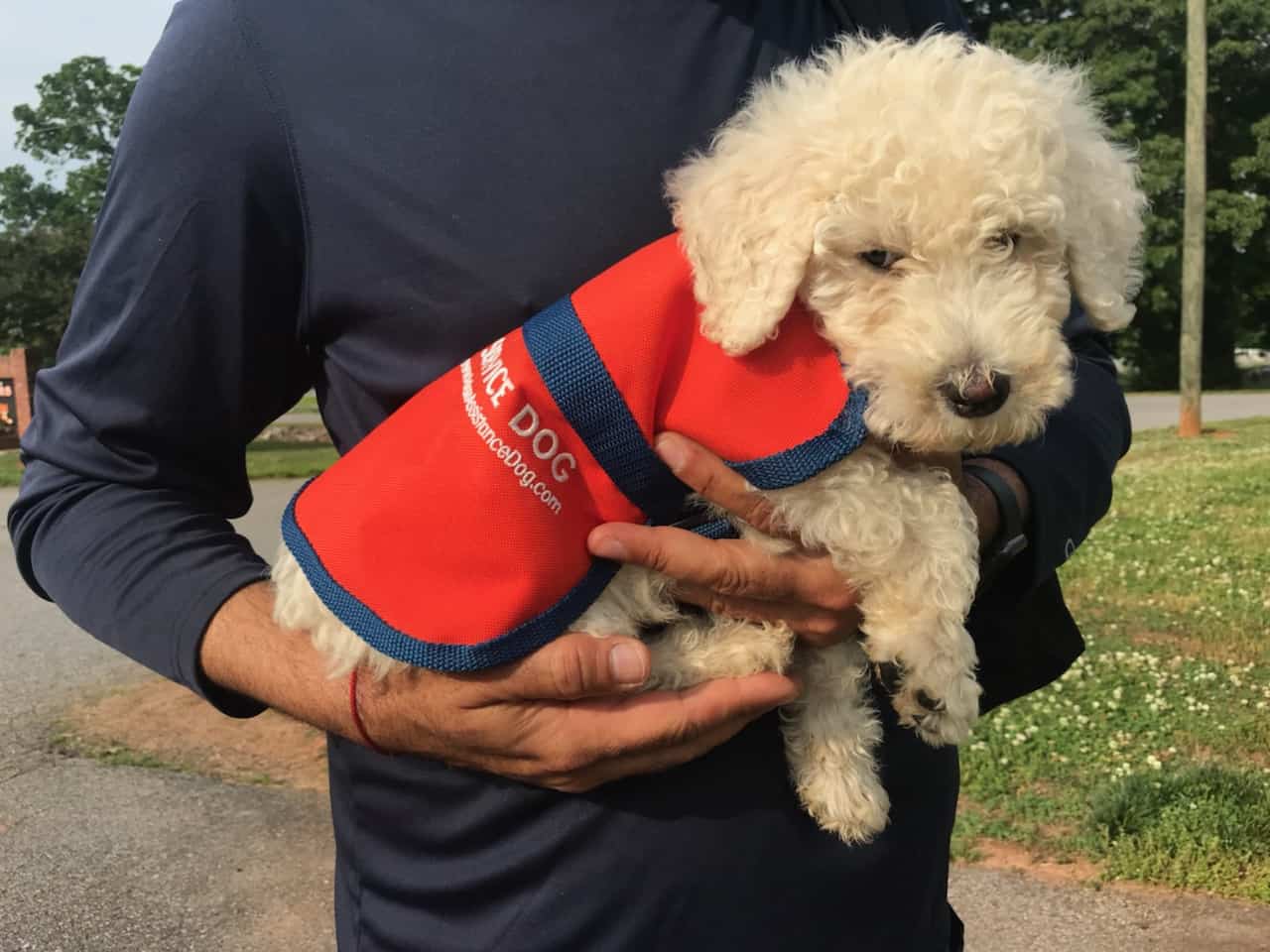
Image Source: autismassistancedog.com
Why Poodles Shine as Service Dogs
Poodles are not just any dog breed. They have special traits that help them stand out. These traits make them very good at service dog work.
Smart and Easy to Train
Poodles are very smart. They rank among the most intelligent dog breeds. This means they can learn new commands and tasks quickly. Their eagerness to please also helps. They enjoy training sessions. They love working with their human. This makes the training process smoother. It leads to a highly skilled service dog.
A Great Temperament
A dog’s mood is key for service work. Poodles often have a calm and steady mood. They are rarely aggressive. They are usually not easily scared. This makes them good in many places. They can handle busy public spaces. They stay focused on their job. This steady nature is a big plus for a service dog. We will dive deeper into Poodle service dog temperament later.
Hypoallergenic Qualities
For many people, allergies are a big problem. This can stop them from having a service dog. Here, Poodles offer a major benefit. They are often called hypoallergenic service dog breeds. This means they shed very little hair. They produce less dander. Dander is tiny flakes of skin that cause allergies. This quality is a huge relief. It lets people with allergies have a service dog. It means fewer allergic reactions. This makes Poodles a top choice for these needs.
All Sizes Can Help
Poodles come in different sizes. Each size has its own strengths for service work. This means there is a Poodle for almost every need. We will look at this more closely.
Different Poodle Sizes and Their Roles
Poodles come in three main sizes. Each size can fill a vital role as a service dog.
Standard Poodle Service Dog
The Standard Poodle service dog is the largest size. They are strong and steady. Their size makes them good for certain tasks.
- Mobility Assistance: Standard Poodles can help with balance. They can pick up dropped items. They can open doors. They can even pull a wheelchair for short distances. Their strength is a real asset here. They can offer steady support. This is vital for people with balance issues. A Poodle mobility assistance dog from the Standard size is a common sight.
- Deep Pressure Therapy (DPT): Their weight can offer comfort. This is useful for people with anxiety or PTSD. The weight helps calm them.
- Retrieval Tasks: They can carry items. They can bring things to their handler. Their height means they can reach higher items.
Standards are calm and patient. They are very focused when working. This makes them highly effective service dogs.
Miniature Poodle Service Dog
The Miniature Poodle service dog is a medium-sized Poodle. They are smaller than Standards but still very capable. Their size makes them portable.
- Medical Alert: Miniatures are great at sensing changes. They can be trained to warn about blood sugar drops. They can alert to oncoming seizures. Their keen sense of smell and focus help them.
- Psychiatric Service Dog: A Poodle psychiatric service dog can be a Miniature. They can offer comfort during panic attacks. They can remind their handler to take medicine. They can create a safe space in crowded areas. Their smaller size makes them less noticeable. This helps handlers who feel overwhelmed in public.
- Hearing Alert: They can alert deaf or hard-of-hearing people. They can warn of doorbells, alarms, or names being called.
- Retrieval of Small Items: They can pick up keys, phones, or other small things. Their agility helps them.
Miniatures are nimble and smart. They are also easy to travel with. This makes them a great choice for many tasks.
Toy Poodle Service Dog
Toy Poodles are the smallest. They are often too small for tasks like mobility. But they can still be service dogs.
- Medical Alert: Like Miniatures, they can be trained for medical alerts. Their small size means they can go almost anywhere.
- Psychiatric Support: They can offer comfort and companionship. They can provide grounding for people with mental health conditions. Their presence can be very calming.
- Alerting to Sounds: For handlers with hearing issues, they can alert to sounds.
While limited in physical tasks, Toy Poodles can still be valuable. Their primary role is often related to medical alerts or psychiatric support.
Examining Poodle Service Dog Temperament
A dog’s personality is key to its success as a service dog. The Poodle service dog temperament is one of its strongest suits. What makes their temperament so good?
- High Intelligence: As mentioned, Poodles are very smart. They learn quickly. This means they can pick up complex tasks. They can also problem-solve.
- Eagerness to Please: Poodles love to make their human happy. This makes them highly motivated during training. They enjoy working and getting praise.
- Calm and Steady: Good service dogs must be calm. They should not be easily startled. Poodles often show great composure. They can handle loud noises or busy places. This helps them focus on their job.
- Loyal and Affectionate: Poodles form strong bonds with their handlers. This deep bond is important. It helps them tune into their handler’s needs. It also provides emotional support.
- Adaptable: They can adjust to new places and routines. This is vital for a service dog that travels a lot. They are happy to go wherever their handler goes.
- Good Memory: They remember commands and tasks well. This means less refresher training is needed.
- Alert but Not Overly Reactive: They are aware of their surroundings. But they do not react too strongly to things. This means they stay focused. They do not get distracted easily.
These traits show why Are Poodles good service dogs? The answer is a resounding yes. Their mental and emotional makeup is perfect for the demands of service work.
Poodle Service Dog Training: The Path to Partnership
Training a service dog is a long and careful process. It starts when they are very young. It takes time, effort, and patience. Poodle service dog training focuses on building a reliable partner.
Early Steps: Puppyhood
- Socialization: A service dog must be comfortable everywhere. This means exposing a Poodle puppy to many sights, sounds, and people. They need to meet different kinds of people. They need to visit various places. This builds confidence.
- Basic Obedience: Simple commands are the foundation. Sit, stay, come, lie down are essential. These commands must be solid. The Poodle must respond reliably every time.
- House Training and Crate Training: These are basic but critical. A service dog must be perfectly house-trained. Crate training helps with travel and safety.
Advanced Steps: Task Training
This is where a service dog learns to perform specific tasks. These tasks help with a handler’s disability.
- Identifying Needs: The first step is to know what the handler needs. What specific help is required?
- Task-Specific Training: This is tailored. For a Poodle psychiatric service dog, tasks might include:
- Interrupting self-harm behaviors.
- Guiding the handler to an exit during a panic attack.
- Providing deep pressure therapy.
- Reminding the handler about medication.
- For a Poodle mobility assistance dog, tasks could be:
- Retrieving dropped keys or canes.
- Opening and closing doors.
- Turning lights on or off.
- Helping the handler stand up (for Standard Poodles).
- For a medical alert dog, the Poodle learns to signal a medical event. This could be changes in blood sugar or an oncoming seizure. This often involves scent training.
Public Access Training
This is a very important part of training. A service dog must behave perfectly in public.
- Ignoring Distractions: The dog must focus on its handler. They cannot be distracted by other people, dogs, or food.
- Walking Politely on Leash: No pulling, no lunging.
- Staying Quiet: No barking unless it’s a specific alert for their handler.
- Remaining Calm in Crowds: Not showing fear or excitement.
- Going to the Bathroom on Command: This is vital for public spaces.
Professional vs. Owner Training
- Professional Training Programs: Many organizations train service dogs. They have expert trainers. These dogs go through a very strict program. This can be expensive. But it often leads to highly skilled dogs.
- Owner Training: It is legal to train your own service dog. This requires a lot of time and knowledge. The handler must be consistent. They must be able to teach complex tasks. It is often helpful to work with a professional trainer for guidance. This ensures the dog is fully ready for its role.
Requirements for a Poodle Service Dog
Not every Poodle can be a service dog. There are specific requirements for Poodle service dog candidates.
Health and Structure
- Good Health: The dog must be healthy. They need to be free from major health issues. This ensures they can work for many years. Regular vet checks are a must.
- Sound Structure: Good joints and bones are vital. This is true for all sizes. Especially for Standard Poodles doing mobility work. Issues like hip or elbow dysplasia can stop a dog from working. Reputable breeders screen for these issues.
Temperament and Personality
- Stable and Confident: The dog must be calm and not easily scared. They need to handle new situations well.
- Trainable and Eager to Please: As discussed, high intelligence and a desire to work are key.
- Focus and Reliability: The dog must be able to focus on its handler. It must perform tasks reliably, even under pressure.
- Not Aggressive or Fearful: Any sign of aggression or severe fear disqualifies a dog.
Age and Readiness
- Training starts young. But a dog is usually two years old before becoming a full service dog. This ensures they are mature enough.
Legal Requirements
- The dog must be trained to perform specific tasks. These tasks must directly help with a person’s disability. This is the main requirements for Poodle service dog status under the ADA.
Poodles and the Americans with Disabilities Act (ADA)
The ADA service dog Poodle status is important. The Americans with Disabilities Act (ADA) protects the rights of people with disabilities. This includes their right to use a service dog.
What the ADA Says About Service Dogs
The ADA defines a service animal as: “any dog that is individually trained to do work or perform tasks for the benefit of an individual with a disability, including a physical, sensory, psychiatric, intellectual, or other mental disability.”
Key points from the ADA:
- No Breed Restrictions: The ADA does not limit service dogs by breed. This means any breed can be a service dog. This clearly includes Poodles.
- No Registration or Certification Required: The ADA does not require service dogs to be registered or certified. This means no special papers are needed.
- Tasks Must Be Directly Related: The dog must perform tasks that directly help with a disability. Emotional support alone does not qualify a dog as a service dog under the ADA.
- Public Access: Service dogs are allowed in public places. This includes stores, restaurants, hotels, and hospitals. This is true even if pets are not allowed.
How Poodles Fit the ADA
Since Poodles are highly trainable and capable, they fit the ADA definition perfectly. Whether it’s a Standard Poodle service dog pulling a wheelchair or a Miniature Poodle service dog alerting to a seizure, if the dog performs specific tasks for a person with a disability, it is a service dog under the ADA.
What Businesses Can and Cannot Ask
When a person with a service dog enters a business, staff can only ask two questions:
- “Is the dog a service animal required because of a disability?”
- “What work or task has the dog been trained to perform?”
They cannot ask about the person’s disability. They cannot ask for medical documents. They cannot ask the dog to show its tasks. They cannot ask for a service dog ID or vest (though vests are often used).
If a Poodle service dog is disruptive or not house-trained, a business can ask them to leave. But this is rare with a well-trained service dog.
Specific Tasks Poodles Perform
Let’s look more closely at the kinds of tasks Poodles can master.
Poodle Psychiatric Service Dog
A Poodle psychiatric service dog can do much more than just offer comfort. They perform tasks that directly help with mental health conditions.
- Deep Pressure Therapy (DPT): The dog can lie across or lean into their handler. This weight can calm anxiety attacks or panic attacks.
- Medication Reminders: The dog can be trained to remind their handler to take medicine at certain times.
- Interrupting Self-Harm or Destructive Behaviors: The dog can nudge, paw, or lick to stop harmful actions.
- Grounding During Dissociation: For those who feel detached, the dog’s presence can bring them back to reality.
- Room Checks/Perimeter Sweeps: Checking a room for perceived threats. This can reduce paranoia for those with PTSD.
- Guiding to a Safe Place/Exit: Leading the handler away from overwhelming situations.
- Finding an Exit: If the handler is disoriented, the dog can lead them to an exit.
- Calling for Help: In an emergency, the dog can be trained to get help.
Poodle Mobility Assistance Dog
A Poodle mobility assistance dog helps people with physical disabilities. These tasks are often performed by Standard Poodle service dog due to their size and strength.
- Retrieval: Picking up dropped items like keys, phones, wallets, or canes.
- Opening and Closing Doors: Pushing or pulling doors open or shut.
- Turning Lights On/Off: Nudging light switches.
- Bracing/Stability: Allowing the handler to lean on them for balance. This helps with standing up or walking.
- Pulling a Wheelchair: For short distances or up ramps.
- Carrying Items: Carrying bags or baskets.
- Helping with Dressing/Undressing: Pulling socks or clothes.
Medical Alert and Response
- Diabetic Alert: Alerting to high or low blood sugar levels. They do this by sensing scent changes in their handler’s breath or sweat.
- Seizure Alert/Response: Warning before a seizure starts. Or responding during/after a seizure. This can include getting help or positioning the handler safely.
- Allergen Detection: Alerting to the presence of specific allergens.
- Hearing Alert: Alerting deaf or hard-of-hearing individuals to sounds. This includes smoke alarms, doorbells, crying babies, or names being called.
Other Potential Tasks
- Visual Assistance: While Labs and Goldens are more common, some Poodles can be trained as guide dogs for people with vision impairments.
- Autism Support: Helping individuals with autism spectrum disorder. They can help with sensory overload, prevent bolting, or provide a calming presence.
The range of tasks a Poodle can learn is very wide. This makes them highly versatile service dogs.
Challenges and Things to Think About
While Poodles are great service dogs, there are things to consider.
Grooming Needs
Poodles have a continuous-growing coat. It needs regular grooming. This means brushing often. It also means professional clipping every 6-8 weeks. This can be time-consuming and costly. If not groomed, their coat can get matted. Matted fur is painful and can cause skin problems.
Energy Levels
Poodles are active dogs. They need daily exercise. This is true even for a service dog. They need walks, playtime, and mental challenges. A bored Poodle can become destructive. Ensuring they get enough activity is important.
Finding the Right Dog
Not every Poodle is fit for service work. It is crucial to find a puppy with the right health and temperament. This often means working with a reputable breeder. They screen for health issues. They also breed for good temperaments. It can be hard to find a dog that meets all the requirements for Poodle service dog status.
Cost of Training
Service dog training is expensive. Professional programs can cost tens of thousands of dollars. Even owner-training with professional help can be costly. This includes vet bills, food, gear, and training fees.
Public Misconceptions
Some people still think service dogs are only Labs or Golden Retrievers. A Poodle service dog might face questions. Handlers might need to educate others. But the ADA protects their right to have their Poodle.
Concluding Thoughts
Poodles are truly remarkable dogs. Their intelligence, calm nature, and eagerness to please make them ideal candidates for service work. They can excel in many roles. This includes Standard Poodle service dog for mobility, Miniature Poodle service dog for medical alerts, or a Poodle psychiatric service dog. Their hypoallergenic coats are a huge plus for many handlers.
The idea that only certain breeds can be service dogs is wrong. Poodles show that skill, temperament, and training are what matter most. If you are thinking about a service dog, a Poodle might be a perfect match. They offer a life-changing partnership. They provide support, independence, and unwavering loyalty.
Frequently Asked Questions (FAQ)
Q1: Can any Poodle become a service dog?
A1: No, not every Poodle can be a service dog. A Poodle must have the right temperament, health, and intelligence. They need to be calm, focused, and willing to work. They also need to be free of major health issues. It takes careful selection and a lot of training.
Q2: How long does Poodle service dog training take?
A2: Training a service dog is a long process. It usually takes 18 months to 2 years. This includes basic obedience, advanced task training, and public access training. The dog must be fully mature and reliable before becoming a working service dog.
Q3: Are Poodles expensive service dogs?
A3: Yes, service dogs, including Poodles, can be expensive. The cost comes from buying a suitable puppy, vet care, food, and training. Professional service dog organizations often charge $20,000 to $50,000 or more for a fully trained dog. Owner-training can be less, but still involves significant costs for lessons and supplies.
Q4: Do Poodles shed?
A4: Poodles shed very little. They have hair instead of fur, which grows continuously. This makes them a good choice for people with allergies. However, their hair does need regular grooming to prevent matting.
Q5: Can I owner-train my Poodle to be a service dog?
A5: Yes, you can owner-train your Poodle. The ADA allows individuals to train their own service dogs. However, it requires a big commitment of time, effort, and knowledge. It’s often helpful to work with a professional service dog trainer to guide you. This ensures your Poodle learns all the necessary tasks and public access skills.