
A Guide: Can A Large Breed Dog Eat Small Breed Food Safely?
A large breed dog should generally not eat small breed dog food. It is not safe in the long run. This type of food does not meet their specific needs. It can lead to serious health problems. Dog food is made for different sizes and life stages for good reasons. Each type of food provides what that specific dog size needs to grow well and stay healthy. Giving a big dog food meant for a tiny dog can cause poor health. This includes issues with bones, digestion, and proper growth.
There are many kinds of dog food. Each one helps different dogs live their best. A small Chihuahua needs different food than a huge Great Dane. This is because their bodies work in very different ways. They grow at different rates. They also have different energy needs and body sizes. Large dogs grow very fast as puppies. They need careful nutrition. Small dogs have fast body functions. They need lots of energy in small amounts. These needs mean their foods must be different.
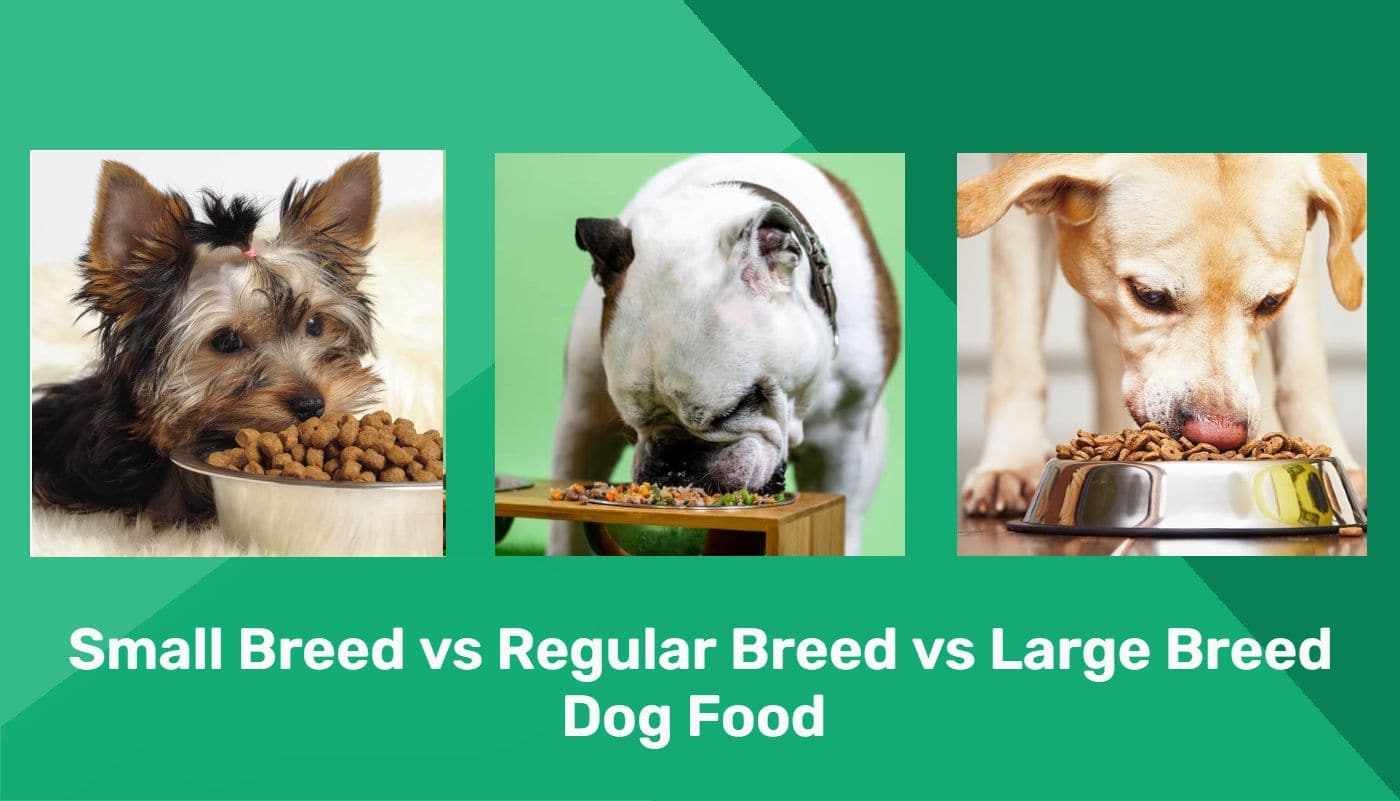
Image Source: www.dogster.com
Big Differences in Dog Food
Dog food companies make special formulas. These formulas match the unique needs of dogs. This is based on their size, age, and activity level. Knowing these differences helps you pick the right food. This helps your dog stay healthy and happy.
Large Dog Food Requirements
Large breed dog nutritional needs are very specific. Big dogs grow quickly. This rapid growth puts a lot of stress on their bones and joints. Because of this, their food must have a special balance of nutrients. This balance helps them grow strong without causing too much strain.
One key part is the protein and fat content for large dogs. They need enough protein to build strong muscles. But too much protein or fat can make them grow too fast. This can harm their developing bones. Their food usually has a moderate amount of protein and fat. This helps them grow at a safe, steady speed. This prevents problems like bone diseases.
Another very important nutrient balance is calcium phosphorus for large breed puppies. Getting this wrong can be very bad. Large breed puppies need a precise amount of calcium and phosphorus. Too much calcium, especially, can lead to serious bone problems. These problems include hip and elbow dysplasia. These are painful joint issues that can affect a dog for life. Small breed foods often have higher calcium levels. This is because small dogs have different bone growth patterns. So, small breed puppy food can be very harmful to a large breed puppy.
Joint health large breed dog diet is also key. Large dogs carry a lot of weight. This puts a lot of pressure on their joints. Many large breed dog foods include special ingredients. These are things like glucosamine and chondroitin. These help support healthy joints. They can reduce the risk of arthritis later in life. Small breed foods usually do not have these joint-supporting ingredients. They are not needed as much for smaller, lighter dogs.
Small Dog Food Requirements
Small dogs are like tiny dynamos. They have very fast metabolisms. This means they burn energy very quickly. So, they need food with a higher calorie density. They need more calories per pound of body weight. They also have smaller stomachs. They eat less food at one time. Their food is made to give them a lot of energy in a small portion.
Small breed dog food often has higher levels of fat and protein. These provide the quick energy small dogs need. The kibble size is also much smaller. This makes it easy for their tiny mouths to pick up and chew. It is made for their small jaws and teeth.
Kibble Size Differences in Dog Food
Kibble size differences dog food are not just about looks. They are very important for a dog’s health.
- For Large Dogs: Large dogs need bigger kibble. This makes them chew their food. Chewing helps clean their teeth. It also slows down how fast they eat. This can prevent problems like choking. It also helps digestion start in the mouth. Larger kibble forces big dogs to crunch and grind. This is natural for them.
- For Small Dogs: Small dogs need tiny kibble. This is because their mouths are small. They might struggle with big kibble. Small kibble is easy for them to manage.
When feeding big dog small kibble, many issues can arise. A large dog might swallow small kibble whole. This means they don’t chew it at all. Swallowing whole food can cause problems. It can lead to choking. It can also cause stomach upset. This is because the stomach has to work harder to break down whole pieces of food.
Health Effects Small Breed Food Large Dog
Feeding a large dog small breed food can cause many bad health effects. These can be short-term or long-term.
Poor Nutrition: Small breed food is not made for the nutritional needs of a big dog.
* Not Enough Protein: Large dogs need a good amount of protein for strong muscles. Small breed food might not have enough. This can lead to weak muscles over time.
* Wrong Fat Levels: While small breed food has high fat for tiny dogs, it’s not balanced for large dogs. It can lead to unhealthy weight gain.
* Mineral Imbalance: The most serious issue is the wrong balance of minerals like calcium and phosphorus. This is very bad for growing large breed puppies. It can cause serious bone and joint problems.
Digestive Issues Large Dog Food Change: Switching a large dog to small breed food, or even just feeding it by accident, can cause stomach problems.
* Upset Stomach: Small breed food is rich. It has more calories and fat. A large dog’s digestive system is not used to this. It can lead to vomiting, diarrhea, or gas.
* Bloating: When large dogs swallow small kibble whole, they can gulp a lot of air. This increases the risk of bloat. Bloat, or Gastric Dilatation-Volvulus (GDV), is a life-threatening condition. It is when the stomach fills with gas and twists. Deep-chested large breeds are especially at risk.
Joint and Bone Damage: This is one of the biggest concerns for large dogs.
* Lack of Joint Support: Joint health large breed dog diet is very important. Large breed foods often have added supplements like glucosamine and chondroitin. These help keep joints healthy. Small breed foods do not have these. Without proper joint support, a large dog’s joints will wear down faster. This leads to pain and arthritis.
* Bone Growth Problems in Puppies: For large breed puppies, an incorrect calcium and phosphorus balance from small breed food can be disastrous. It can cause abnormal bone development. This leads to painful conditions like hip and elbow dysplasia. These conditions often need expensive surgery. They can cause lifelong lameness.
Choking Risk: As mentioned, feeding big dog small kibble means they might not chew. They can choke on the tiny pieces. This is a very real danger.
Dental Issues: Large dogs need to chew bigger kibble. This helps scrape plaque off their teeth. Small kibble does not provide enough chewing action. This can lead to more dental problems over time.
Weight Gain and Obesity: Small breed food is calorie-dense. A large dog needs to eat a lot of it to feel full. But this means they will take in too many calories. This leads to rapid weight gain and obesity. Obesity is very bad for large dogs. It puts even more stress on their already vulnerable joints. It can also lead to other health problems like diabetes and heart disease.
Key Differences: Large vs. Small Breed Dog Food
To help you see the important differences, here is a table comparing them:
| Feature | Large Breed Dog Food | Small Breed Dog Food |
|---|---|---|
| Nutrient Balance | Lower calorie density, precise calcium/phosphorus ratio for controlled growth | Higher calorie density, higher fat/protein for high metabolism |
| Protein/Fat | Moderate protein (22-26%), moderate fat (12-16%) to support steady growth and muscle | Higher protein (25-30%), higher fat (15-20%) for high energy needs |
| Kibble Size | Larger, often disc or ring shape, designed for chewing and dental health | Smaller, easy for tiny mouths to pick up and chew |
| Additives | Often includes Glucosamine, Chondroitin, L-Carnitine (for joint support and weight management) | Less likely to contain specific joint supplements, may have specific dental care ingredients |
| Calcium/Phos. | Strict, controlled ratio (e.g., 1.1-1.5% Calcium, 0.9-1.2% Phosphorus) for bone development, especially in puppies | Generally higher levels, not regulated for rapid large-dog growth |
| Calories | Fewer calories per cup (e.g., 350-380 kcal/cup) to prevent overfeeding and rapid growth | More calories per cup (e.g., 400-450+ kcal/cup) to meet high energy demands |
| Fiber Content | Often slightly higher to support digestive health and satiety | Varies, but may be lower due to higher caloric density |
When a Big Dog Eats Small Kibble
When a large dog eats small kibble, it’s not just about what’s in the food. It’s also about how they eat it. Imagine trying to eat rice with a spoon instead of a shovel. A large dog’s mouth is designed for bigger pieces of food.
- No Chewing: Big dogs are likely to just swallow small kibble whole. This means their teeth don’t get the benefit of chewing. It also means the food isn’t broken down much before it reaches the stomach.
- Swallowing Air: When a dog gulps down food too fast, they can swallow a lot of air. This swallowed air can fill up the stomach. In large, deep-chested breeds (like Great Danes, German Shepherds, Boxers), this greatly increases the risk of bloat (GDV). Bloat is an emergency. It needs immediate vet care.
- Digestion Problems: Food that is swallowed whole is harder for the stomach to digest. It takes more work. This can lead to gas, discomfort, vomiting, and diarrhea.
So, feeding big dog small kibble is a problem. It impacts not only nutrition but also the physical act of eating and digestion.
Best Food for Giant Breeds
Appropriate dog food for giant breeds is specifically formulated for them. These breeds are huge, like Great Danes, Mastiffs, and Saint Bernards. They grow even slower than other large breeds. Their growth period can last up to two years. Their food needs to be even more carefully controlled.
Look for dog foods labeled “large breed,” “giant breed,” or “large and giant breed.” These foods are made with:
* Controlled Calories: This helps prevent them from growing too fast. Too-fast growth can harm their huge bones and joints.
* Perfect Mineral Balance: Very precise calcium and phosphorus levels. This is vital for strong, healthy bone development.
* Joint Support: High levels of glucosamine and chondroitin. These help keep their massive joints healthy throughout their lives.
* Digestive Health: Often include prebiotics and probiotics. These help with gut health. This is important for big dogs who can be prone to digestive upset.
It’s important to feed a giant breed dog only food made for their size and age. This is the best way to help them grow up healthy and strong.
Getting Vet Advice on Dog Food
Veterinary guidance dog food types is essential. Your veterinarian is the best person to talk to about your dog’s diet. They know your dog’s specific health needs. They know their age, activity level, and any existing health issues.
A vet can help you:
* Pick the Right Food: They can recommend specific brands or types of food. This ensures your dog gets the best nutrition.
* Check for Issues: They can spot any early signs of nutritional problems. They can also tell if your dog needs a special diet.
* Manage Growth in Puppies: For large breed puppies, a vet can guide you on the right calcium and phosphorus levels. This prevents serious growth problems.
* Address Health Problems: If your dog has allergies, sensitive digestion, or joint problems, your vet can suggest special diets.
Never hesitate to ask your vet for advice on what to feed your dog. This is especially true if you are unsure or if your dog has any health concerns.
Conclusion
In short, feeding a large breed dog small breed food is not a good idea. It is not safe. The differences in kibble size, nutrient balance, and calorie content are too big. Small breed food does not meet the complex needs of a large dog. It can lead to serious health problems. These include bone and joint issues, digestive upset, choking, and obesity.
Always choose a dog food made for your dog’s specific size and age. Look for labels like “large breed,” “giant breed,” or “large breed puppy.” This ensures they get the proper nutrition. It helps them grow well and live a long, healthy life. When in doubt, always ask your veterinarian for their expert advice. They can help you make the best food choices for your beloved big dog.
Frequently Asked Questions (FAQ)
Q1: Can small kibble harm a large dog’s teeth?
Yes, it can. Large dogs need to chew larger kibble to help clean their teeth. Small kibble does not provide enough scraping action. This can lead to plaque buildup and dental disease over time.
Q2: What if my large dog accidentally eats small breed food for a day?
If your large dog accidentally eats small breed food for just one day, it is usually not a big problem. They might have a mild upset stomach, like gas or loose stool. However, it should not cause long-term harm. Do not make it a regular habit. Make sure to feed them their proper large breed food the next day.
Q3: Are there any exceptions where a large dog might eat smaller kibble?
In some very rare cases, a veterinarian might suggest smaller kibble for a large dog. This might happen if an old large dog has severe dental issues and cannot chew big kibble. Even then, the food should still be a large breed formula, just with smaller pieces if available. Always consult your vet before making such a change. The nutritional balance is still key.
Q4: What should I look for in a good large breed dog food?
Look for food specifically labeled “large breed” or “giant breed.” Check the AAFCO (Association of American Feed Control Officials) statement. This ensures the food meets full nutrient needs. Look for moderate protein and fat levels. For puppies, pay close attention to the calcium-to-phosphorus ratio. It should be controlled (e.g., around 1.1:1 to 1.5:1). Also, check for added joint support ingredients like glucosamine and chondroitin.
Q5: How do I switch my dog’s food safely?
Always switch your dog’s food slowly. Do this over 7 to 10 days. Start by mixing a small amount of the new food with their old food. Slowly increase the amount of new food each day while decreasing the old food. This helps prevent digestive upset. Watch your dog for any signs of stomach issues during the change.