
Can a human get rabies from a vaccinated dog? No, it is extremely rare for a human to get rabies from a vaccinated dog. The rabies vaccine works very well to protect dogs and, in turn, people. However, no vaccine offers 100% perfect protection all the time. There are a few very rare situations where a vaccinated dog might still carry the virus. This makes the risk of rabies transmission from a vaccinated dog extremely low, but not completely zero. Let’s look closer at how this works and what you can do to stay safe.
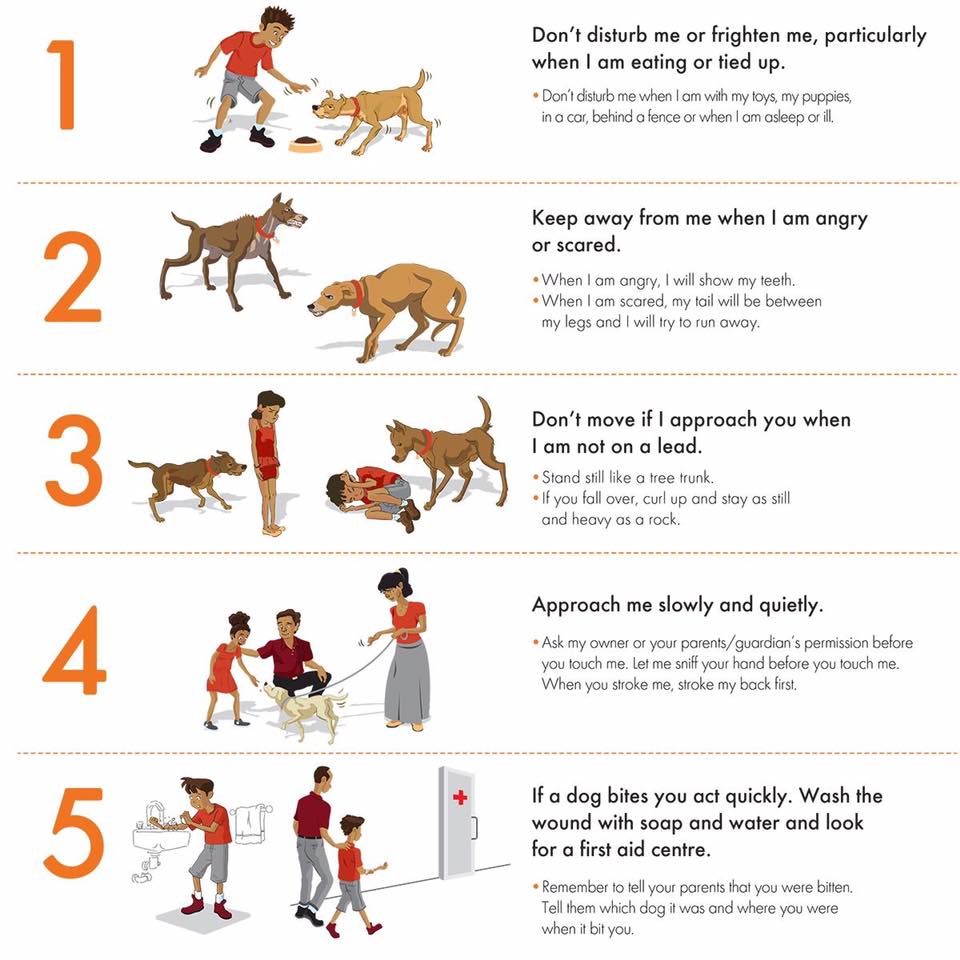
Image Source: lookaside.fbsbx.com
Grasping Rabies: A Short Overview
Rabies is a very serious disease. It attacks the brain and nerves. A virus causes it. This virus spreads through the saliva of an infected animal. It usually enters the body through a bite. It can also spread if infected saliva touches an open wound or a wet area like the eyes or mouth.
Once symptoms show, rabies is almost always deadly. This is true for both animals and humans. Early shots after exposure can stop the disease. This treatment is called post-exposure prophylaxis (PEP). This is why knowing about rabies and acting fast is so important.
Rabies exists all over the world. Wild animals like bats, foxes, raccoons, and skunks often carry it. These wild animals can then infect pets, especially dogs and cats. That’s why vaccinating pets is key. It creates a shield between wild animals and humans.
How Dog Rabies Vaccines Work So Well
The rabies vaccine is a powerful tool. It has saved countless lives. It protects dogs from the rabies virus. This also stops the virus from spreading to people.
The vaccine teaches a dog’s body. It shows the body how to fight the rabies virus. If a vaccinated dog gets exposed, its immune system is ready. It can fight off the virus. This stops the virus from causing illness. It also stops the dog from spreading the virus to others.
Dog Rabies Vaccine Effectiveness
Dog rabies vaccine effectiveness is very high. Studies show these vaccines are more than 99% effective. This means nearly all vaccinated dogs are safe from rabies. They cannot get sick. They also cannot spread the virus. This high success rate is why many countries now have very few rabies cases in humans. This is thanks to widespread dog vaccination.
Think of it like this: the vaccine builds a strong wall. This wall stops the rabies virus from getting through. For most dogs, this wall is very solid.
The Tiny Risk of Rabies from Vaccinated Dogs
So, can a human get rabies from a vaccinated dog? The risk is extremely small. For a human to get rabies from a vaccinated dog, several rare things must happen.
First, the dog itself would need to get the rabies virus. This is rare if the dog is vaccinated. Second, the dog would need to pass the virus to a human. Even if the dog had the virus, its body would likely fight it off. This means it would not shed the virus in its saliva.
Vaccinated Dog Rabies Risk Human
The vaccinated dog rabies risk human is almost zero. This is because a properly vaccinated dog fights off the virus. It does not get sick. It does not pass the virus. This protection is strong and reliable for most dogs.
Public health groups and doctors track rabies cases. They see very few cases linked to vaccinated dogs. This shows how well the vaccines work. The biggest rabies risk to humans still comes from unvaccinated animals. This includes stray dogs, wildlife, or pets whose shots are not current.
When the Vaccine Might Not Be Perfect
While rabies vaccines work very well, no medical product is 100% foolproof. There are a few very rare cases where a vaccinated dog could still pose a risk. This does not mean the vaccine is bad. It means rare situations can happen.
Rabies Vaccine Failure in Dogs
Rabies vaccine failure in dogs is extremely uncommon. When it happens, it is usually due to certain reasons. These include:
- Improper Storage: Vaccines must be kept at the right cold temperature. If they get too hot or too cold, they can stop working.
- Wrong Administration: The vaccine must be given correctly. This means using the right needle size and putting it in the right spot.
- Animal’s Health Issues: Some dogs might not respond well to vaccines. This can happen if their immune system is weak. Illness or certain medicines can cause this. Very young puppies also might not get full protection right away. This is because their mother’s antibodies can block the vaccine.
- Very Heavy Exposure: A dog could get a huge dose of the virus. This might happen from a very deep bite from a rabid animal. In very rare cases, this overwhelming exposure might be too much for the dog’s immune system, even if vaccinated.
- Immune System Not Ready: A dog might be exposed to rabies very soon after getting the vaccine. The vaccine needs time to work. It takes about two weeks for the dog’s body to build full protection. If exposed before this, the dog might not be fully safe.
These situations are rare. Most vaccinated dogs are very well protected. But knowing about these rare issues helps us see why even a vaccinated dog might need attention after a bite.
Lapsed Rabies Vaccination Dog Risk
A lapsed rabies vaccination dog risk means a dog has missed its booster shots. Rabies vaccines are not one-time shots. Dogs need booster shots regularly. This keeps their protection strong. If a dog misses a booster, its protection goes down. The vaccine’s effect wears off over time.
A dog with a lapsed vaccination is no longer fully protected. If this dog is bitten by a rabid animal, it is at higher risk. It could get rabies. Then, it could pass rabies to a human. This is why keeping up with all vaccine shots is vital. Vets send reminders for these boosters for a good reason.
What to Do After a Vaccinated Dog Bite
Even with a vaccinated dog, a bite needs care. It’s important to act quickly. This is true for any animal bite.
What to do after vaccinated dog bite:
- Clean the Wound Right Away: Wash the bite with soap and water. Scrub for at least 10 to 15 minutes. This helps remove germs, including the rabies virus if present.
- Stop Bleeding and Cover: Use a clean cloth to stop any bleeding. Put a clean bandage on the wound.
- Seek Medical Help: Go to a doctor or emergency room right away. Even small bites can get infected. A doctor will check the wound. They might give you antibiotics. They will also decide if you need a tetanus shot.
- Report the Bite: Tell animal control or your local health department about the bite. They will want to know about the dog. This is standard procedure for any animal bite.
- Observe the Dog: The most important step for a vaccinated dog bite is to watch the dog. Most health rules say the dog should be watched for 10 days. During this time, look for any signs of illness in the dog. If the dog stays healthy for 10 days, it means it did not have rabies at the time of the bite. This is true even if it was exposed to rabies. It also means the dog could not have spread rabies to you.
Do not worry about the dog being put down if it is vaccinated and healthy. The 10-day watch period usually happens at home. Only if the dog shows signs of rabies would further steps be needed.
Rabies Symptoms from Vaccinated Dog (If Exposed)
If a vaccinated dog somehow gets rabies, its symptoms would be the same as in an unvaccinated dog. However, this is very rare. Remember, the vaccine is designed to stop these symptoms from appearing.
Rabies symptoms from vaccinated dog (or any dog with rabies) include:
- Behavior Changes: The dog might act very differently. A friendly dog might become mean. A shy dog might become bold. They might become very restless or very withdrawn.
- Aggression: They might snap or bite at nothing. They might attack people or other animals without reason. This is often called “furious rabies.”
- Paralysis: Muscles can become weak or paralyzed. The dog might drool a lot. Its jaw might hang open. It might have trouble swallowing. This is called “dumb rabies.”
- Stumbling and Weakness: The dog might walk funny or fall over. Its back legs might seem weak.
- Eating Strange Things: Some rabid animals eat dirt, sticks, or other odd items.
- Seizures: In later stages, the dog might have fits or seizures.
If you see any of these signs in a dog that bit someone, tell the health department or animal control right away. Do not try to handle the animal yourself.
Rabies Exposure from Vaccinated Pet: When to Be Concerned
Rabies exposure from vaccinated pet is very rare. But there are times when you should be more concerned:
- Unknown Vaccine Status: If the dog’s rabies vaccine is not current, or you are not sure it’s vaccinated, treat it as an unvaccinated animal. This means you need more urgent medical advice.
- Lapsed Vaccination: If the dog’s shots are not up-to-date, its protection is weaker.
- The Dog Becomes Sick: If the biting dog shows any signs of rabies during the 10-day watch period, you need to tell your doctor and health officials immediately.
- Bite from a Wild Animal: If your vaccinated dog was bitten by a wild animal known to carry rabies (like a bat, fox, or skunk), even if your dog is vaccinated, contact your vet and local animal control. This might change the advice given to you.
In most cases, if a dog is properly vaccinated and stays healthy for 10 days after a bite, there is no rabies risk. You will not need rabies shots yourself.
The Strong Case for Ongoing Rabies Vaccination
Vaccinating dogs regularly is the best way to prevent rabies. It protects pets. It protects people. It also helps control the disease in the wild.
Countries with high vaccination rates in dogs have few human rabies cases. This shows the power of mass vaccination. It builds what we call “herd immunity.” This means enough animals are protected that the virus struggles to spread.
Pet owners play a huge role. By keeping their dog’s rabies shots current, they are doing their part to keep the community safe. They are also protecting their beloved pet.
Public Health and Rabies Control
Local and national health groups work hard to control rabies. They have rules for pet vaccination. They track rabies cases. They also help people who might have been exposed.
If you are bitten by an animal, these groups are there to help. They can give advice. They can tell you what steps to take. They work with doctors and vets to keep everyone safe.
Table: Rabies Risk Comparison
| Animal Type | Rabies Vaccination Status | Risk of Rabies to Human | Key Action After Bite |
|---|---|---|---|
| Dog or Cat | Fully Vaccinated & Current | Extremely Low | Clean wound, medical check, observe animal for 10 days |
| Dog or Cat | Lapsed Vaccination | Low to Moderate | Clean wound, medical check, consider PEP based on local rules and risk assessment, observe animal for 10 days |
| Dog or Cat | Unvaccinated | High | Clean wound, urgent medical check, likely PEP needed, animal quarantined/tested |
| Wildlife | (Not Applicable) | High (if known carrier) | Clean wound, urgent medical check, likely PEP needed, animal tested if possible |
| Bat | (Not Applicable) | Moderate to High | Clean wound, urgent medical check, consider PEP always (even if no visible bite), test bat if possible |
PEP: Post-Exposure Prophylaxis (rabies shots for humans)
Your Pet’s Safety and Community Health
Thinking about “Can a human get rabies from a vaccinated dog?” makes us appreciate vaccines even more. They are simple shots. But they have a huge impact. They build a wall of safety around our pets and our families.
Keeping your dog’s rabies vaccine up-to-date is more than just a rule. It’s a key part of being a good pet owner. It helps protect your dog. It protects you. It protects your neighbors. It makes our communities safer places for everyone.
Even if a vaccinated dog bites you, most times you won’t need rabies shots. The key is proper wound care and watching the dog closely. When in doubt, always talk to a doctor or your local health department. They have the best information to guide you.
Frequently Asked Questions (FAQ)
Q1: How effective is the rabies vaccine for dogs?
A1: The rabies vaccine is highly effective. It protects over 99% of dogs. It provides strong defense against the virus.
Q2: If a vaccinated dog bites me, do I need rabies shots?
A2: Usually, no. If the dog is properly vaccinated and stays healthy for 10 days after the bite, you do not need rabies shots. Clean the wound well and see a doctor.
Q3: What if a vaccinated dog was bitten by a wild animal?
A3: If your vaccinated dog is bitten by a wild animal, contact your vet right away. Also, tell animal control. Your dog might need a booster shot or a short quarantine. This helps ensure its protection.
Q4: How long does a dog’s rabies vaccine last?
A4: This depends on the specific vaccine. Some last for one year. Others last for three years. Your vet will tell you when your dog needs its next booster shot.
Q5: Can a dog carry rabies without showing symptoms?
A5: Not usually. A dog with rabies will develop symptoms. These symptoms appear within days to months after exposure. Once symptoms show, the dog can spread the virus.
Q6: What should I do if I am bitten by an unvaccinated dog?
A6: Clean the wound immediately with soap and water. Then, go to a doctor or emergency room right away. You will likely need rabies shots (PEP) to prevent the disease. Also, report the bite to local animal control.
Q7: Is it possible for a vaccinated dog to transmit rabies if its vaccine is lapsed?
A7: Yes, the risk goes up if the vaccine is lapsed. A dog with a lapsed vaccine is not fully protected. If it is exposed to rabies, it could get sick. Then, it could transmit the virus. This is why keeping shots current is so important.