
Yes, a dog with a rabies vaccine can still get rabies, but it is extremely rare. While the rabies vaccine is highly effective, no vaccine offers 100% protection. The chances of a vaccinated dog getting rabies are very low, making regular vaccination the best way to protect your pet and public health.
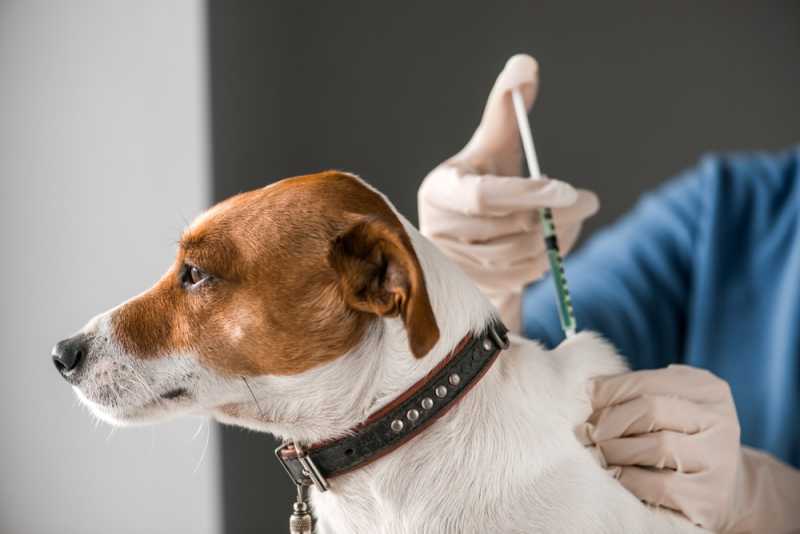
Image Source: images.ctfassets.net
The Core Question: Can a Vaccinated Dog Get Rabies?
A common fear among pet owners is: “Can my vaccinated dog still get rabies?” The short answer is yes, it’s possible. However, it’s very, very rare. Rabies vaccines are incredibly powerful. They protect dogs from this deadly disease in almost all cases. When a vaccinated dog does get rabies, it is called a “breakthrough rabies infection.” This means the virus broke through the vaccine’s protection. Such cases are few and far between. The vaccine makes your dog’s risk of getting rabies tiny.
How Rabies Vaccines Work
Rabies vaccines are a key tool in keeping pets safe. They teach your dog’s body to fight the rabies virus. This helps stop the disease before it can do harm.
The Body’s Defense System
When your dog gets a rabies shot, it gets a small, safe part of the rabies virus. This part cannot cause the disease. Instead, it acts like a “wanted” poster for the virus. Your dog’s body sees this harmless part. It then learns to make special fighters called antibodies. These antibodies are like tiny soldiers. They patrol your dog’s body. If real rabies virus enters, these soldiers are ready. They quickly attack and destroy the virus. This stops the disease from taking hold. The vaccine helps your dog build strong protection. This protection is what we call “dog rabies immunity.”
Types of Rabies Vaccines
Most rabies vaccines for dogs use a “killed” or “inactivated” virus. This means the virus is dead. It cannot cause rabies. It can only teach the body to make antibodies. This makes the vaccine very safe. It helps your dog build immunity without getting sick. Other types of vaccines exist, but the killed virus type is most common. This helps protect dogs and people everywhere.
Why a Vaccinated Dog Might Still Get Rabies (Rare Cases)
Even with strong immunity, a vaccinated dog might get rabies. This is very rare. It happens when something goes wrong. These are the “breakthrough rabies infection” cases. They usually involve specific issues.
Vaccine Failure Rate
The rabies vaccine failure rate is very low. It is one of the most successful vaccines we have. But no vaccine works every single time. Here are a few reasons why a vaccine might not work:
- Bad Vaccine Storage: Vaccines must be kept cold. If they get too warm, they can lose their power.
- Poor Shot Giving: The vaccine needs to be given correctly. If it’s not given in the right spot or way, it might not work.
- Sick or Weak Pet: A dog with a weak immune system might not respond well. This can happen if a dog is very young, very old, or has other health problems.
- Wrong Timing: The dog might have been exposed to rabies just before or right after the shot. The vaccine needs time to build protection.
Again, these issues are not common. Most vaccines work very well. The overall rabies vaccine efficacy is incredibly high.
Timing of Exposure
Immunity does not happen right after a shot. Your dog’s body needs time. It takes about 14 to 28 days for full protection to build. If your dog is bitten by a rabid animal during this time, it might still get sick. This is why it’s important to keep new puppies or newly vaccinated dogs safe. They need to stay away from wild animals or strange dogs until their immunity is strong. After this time, your dog’s “dog rabies immunity duration” begins.
Overwhelming Viral Load
Imagine a small army of antibodies. They are ready to fight off a few bad guys. But what if a huge army of bad guys attacks? Sometimes, a dog can get a massive dose of rabies virus. This might happen from a deep bite from a very sick animal. Even with antibodies, the sheer amount of virus might be too much. It could overwhelm your dog’s defenses. This is very, very rare. Most bites from rabid animals don’t carry such a large amount of virus. The vaccine usually creates enough antibodies to handle typical exposures.
Dog Rabies Immunity Duration
A dog’s protection from rabies does not last forever. Like many vaccines, the rabies shot needs to be given again. This is called a booster shot. Most rabies vaccines give protection for one or three years. This depends on the type of vaccine used. It also depends on local laws.
Over time, the number of “rabies antibody levels dog” has can drop. When these levels get too low, your dog is no longer fully safe. This is why booster shots are very important. They keep your dog’s immunity strong. Your vet will tell you when your dog needs its next shot. Following this schedule is key to keeping your dog safe.
Assessing Vaccinated Dog Rabies Risk
The risk of a vaccinated dog getting rabies is very, very small. This is thanks to how well the vaccines work.
High Efficacy of Rabies Vaccines
The rabies vaccine efficacy is outstanding. Studies show it protects more than 99% of vaccinated animals. This means it almost always works. This high success rate is why rabies is not as common in pets today. It’s also why many countries are rabies-free. This success comes from widespread vaccination. The vaccine is one of the most reliable animal vaccines available.
Real-World Scenarios
In real life, breakthrough rabies infection cases are nearly unheard of. When rabies cases do happen in pets, they almost always involve unvaccinated animals. These are pets whose owners chose not to vaccinate. Or pets that were too young for their shots. This shows how crucial vaccination is. It truly acts as a strong shield against the disease. The risk for your vaccinated pet is very low. This is good news for you and your dog.
The Role of Law and Public Health
Many places have laws about rabies vaccination. These laws say that dogs must get rabies shots. These rules are not just for your pet. They are for everyone’s safety. Rabies can spread to people. If pets are vaccinated, they cannot pass the disease to humans. This protects entire communities. So, vaccinating your dog helps keep your family and neighbors safe, too. It’s a key public health measure.
What to Do After Rabies Exposure (Vaccinated Pet)
Even a vaccinated dog can get bitten by a wild animal. Or a strange, unvaccinated dog. This is called “rabies exposure vaccinated pet.” Do not panic if this happens. Follow these steps right away.
Immediate Actions
- Wash the Wound: If safe, wash the bite wound with soap and water for several minutes. This can help remove some of the virus.
- Contact Your Vet: Call your vet right away. Tell them what happened. They will give you advice on next steps.
- Report the Incident: Tell your local animal control or health department. They need to know about possible rabies cases. This helps track the disease. It also helps them test the biting animal if possible. Do not try to catch the biting animal yourself.
Veterinary Protocol
Your vet will check your dog. They will look at the bite. They will also look at your dog’s vaccine records. For a vaccinated dog, the steps are usually:
- Booster Shot: Your vet will likely give your dog an immediate rabies booster shot. This is very important. It quickly raises the “rabies antibody levels dog” has. It gives your dog extra protection.
- Observation Period: Your dog might need to be watched closely. This might be at home. Your vet will tell you how long to watch. This observation time is shorter for vaccinated dogs than for unvaccinated ones. This is part of “re-vaccination rabies guidelines.”
- Isolate from Others: Your vet might suggest keeping your dog away from other pets and people for a short time. This is a safety measure. It helps ensure no spread happens, though it is highly unlikely.
The goal is to boost your dog’s protection as fast as possible. This extra shot helps prevent a breakthrough infection.
Monitoring for Symptoms
After a bite, watch your dog closely for any changes. This is true even if your dog is vaccinated. Post-vaccination rabies symptoms are the same as in unvaccinated dogs. But they are very rare in vaccinated ones. Look for things like:
- Behavior Changes: Is your dog acting strange? Is it suddenly shy or aggressive?
- Trouble Eating or Drinking: Is it having trouble swallowing? Is it drooling a lot?
- Weakness or Paralysis: Is your dog weak in its legs? Is it having trouble moving?
- Strange Noises: Is it making odd sounds?
If you see any of these signs, tell your vet right away. But remember, rabies symptoms are highly unlikely in a properly vaccinated dog. Most dogs show no signs after a bite, thanks to the vaccine.
Ensuring Strong Protection: Booster Shot Rabies Effectiveness
Booster shots are key to keeping your dog safe. They make sure your dog’s protection against rabies stays strong.
Why Boosters Matter
As mentioned, “dog rabies immunity duration” does not last forever. The “rabies antibody levels dog” has naturally go down over time. Booster shots work to fix this. They remind your dog’s immune system. They tell it to make more antibodies. This keeps the protection high. Think of it like recharging a battery. The booster shot rabies effectiveness is very good. It keeps your dog ready to fight off the virus. This ongoing protection is vital for your dog’s health. It also helps keep your community safe.
Re-Vaccination Rabies Guidelines
Your vet will tell you when your dog needs its next rabies shot. This depends on a few things:
- First Shot: Puppies get their first rabies shot around 3-4 months old.
- Booster Schedule: After the first shot, dogs usually get a booster one year later.
- Ongoing Boosters: Then, they get boosters every one or three years. This depends on the vaccine used and your local laws.
- Local Laws: Rabies laws can be different from place to place. Your vet knows the rules for your area. Always follow their advice.
It is very important to stick to these guidelines. Missing a booster can leave your dog unprotected. It can also cause problems if your dog bites someone or is bitten by a wild animal.
The Importance of Timely Vaccination
Always get your dog’s rabies shot on time. Do not let it lapse. A lapsed vaccine means your dog is no longer fully protected. If your dog’s vaccine runs out, it might be treated as unvaccinated. This can lead to more strict rules if your dog is exposed to rabies. It could mean longer observation or even quarantine. Staying on schedule avoids these problems. It gives your dog the best chance against rabies. It also follows the law.
Debunking Common Misconceptions
There are many false ideas about rabies vaccines. Let’s clear up some of them.
“Rabies Vaccine Harms My Pet”
Some people worry that the rabies vaccine will make their pet sick. It is true that some dogs might have mild side effects. These include soreness where the shot was given. They might be a bit tired or have a low fever for a day or two. These are normal signs that the body is building immunity. Serious reactions are very, very rare. These can include allergic reactions. But they are much less common than the mild ones.
The danger of rabies is very real. It is always fatal once symptoms appear. The small risk from the vaccine is far less than the huge risk of getting rabies. The benefits of vaccination are much greater than the risks. It truly saves lives.
“My Indoor Dog Doesn’t Need It”
Many owners think their dog does not need a rabies shot if it stays inside. This is a dangerous myth. Even indoor dogs can get rabies. Here’s why:
- Bats: Bats can get into homes. They are a common source of rabies. A rabid bat could fly into your house. Your dog might try to play with or catch it.
- Open Doors: Your dog might slip out an open door or gate. Even for a few minutes, it could meet a rabid animal.
- Other Pets: If you have an indoor/outdoor cat, or if other pets visit, they could bring rabies inside.
- Legal Requirement: In many places, rabies vaccination is required by law for all dogs. This is true even if they live indoors. This helps keep everyone safe.
So, even an indoor dog needs its rabies shot. It’s the law. It’s also the smart thing to do for your pet’s safety.
Final Thoughts on Rabies Prevention
Rabies is a terrible disease. It has no cure once signs appear. But it is almost 100% preventable. The key is regular vaccination. Vaccinating your dog is the most important step you can take. It protects your beloved pet. It protects your family. And it protects your community.
Always keep your dog’s rabies shots up to date. Follow your vet’s advice on “re-vaccination rabies guidelines.” If your dog has “rabies exposure vaccinated pet” procedures are in place. They boost protection further. Do not let myths stop you from giving your dog this life-saving vaccine. Be a responsible pet owner. Get your dog vaccinated against rabies.
Frequently Asked Questions
What is rabies vaccine efficacy?
Rabies vaccine efficacy is very high. It means how well the vaccine works. For dogs, it works over 99% of the time. It protects dogs from getting rabies.
What are signs of breakthrough rabies infection?
Signs of breakthrough rabies infection are the same as regular rabies. These include big changes in behavior, trouble swallowing, drooling, and weakness. But remember, these signs are very rare in vaccinated dogs.
How long does dog rabies immunity duration last?
Dog rabies immunity duration typically lasts one or three years. This depends on the type of vaccine. It also depends on local laws. Your vet will tell you the right schedule for your dog.
Are rabies antibody levels dog tests common?
No, tests for rabies antibody levels dog has are not common. Most vets do not test for these levels. They rely on the vaccine’s high success rate. They also rely on the standard vaccine schedule.
What is the rabies vaccine failure rate?
The rabies vaccine failure rate is very low. It is less than 1%. This means it almost always works. Failures can happen if the vaccine was stored wrong. Or if the dog was sick when it got the shot.
What happens if a vaccinated pet has rabies exposure?
If a vaccinated pet has rabies exposure, take it to the vet right away. The vet will likely give a rabies booster shot. They will also watch your dog closely. This helps ensure full protection.
Is booster shot rabies effectiveness guaranteed?
Booster shot rabies effectiveness is very high. It helps keep your dog’s protection strong. It raises the antibody levels again. This greatly reduces the risk of getting rabies.
What are re-vaccination rabies guidelines?
Re-vaccination rabies guidelines mean getting shots regularly. Puppies get their first shot. Then, a booster one year later. After that, shots are every one or three years. This depends on the vaccine and your local laws. Your vet will guide you.