
No, a dog cannot have turkey bones. Vets strongly warn against giving dogs any type of cooked bone, including turkey bones. These bones are a big danger to your dog’s health. They can splinter easily. This can cause choking, blockages, or tears inside your dog. Even raw turkey bones are not truly safe. They carry risks of bacteria and breakage. If your dog eats a turkey bone, get help from your vet right away.**
Thanksgiving and holiday meals are a time for family, friends, and lots of food. For many pet owners, this also means a struggle. You want to share the joy with your furry friend. But some foods are very bad for dogs. Turkey bones are one of the worst things you can give your dog. They are a major threat.
Vets agree on this point. Cooked bones are never safe for dogs. This includes turkey bones. They are a serious danger. They can cause many health problems. Some of these problems can even lead to death. It is important to know why. It is also important to know what to do if your dog eats a turkey bone. This guide will tell you everything you need to know.
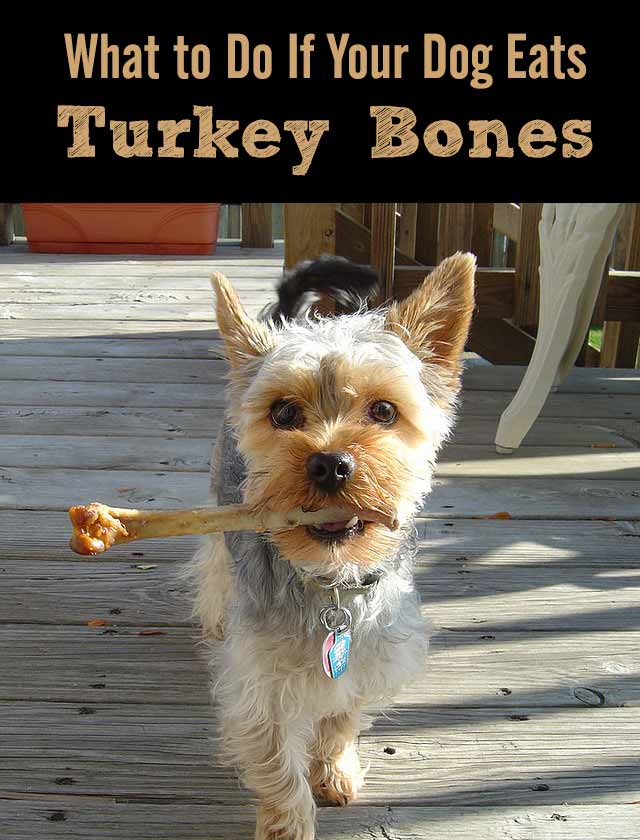
Image Source: chasingdogtales.com
The Clear Danger of Cooked Turkey Bones
Cooked turkey bones are a no-go for dogs. They are just too risky. Many people think bones are a natural treat for dogs. But cooked bones are different from raw bones. Cooking makes bones brittle. They become hard and break easily.
When a dog chews a cooked turkey bone, it does not just wear down. It can snap into sharp pieces. These sharp pieces are like tiny knives. They can cause a lot of harm to your dog. This is why vets always say no to cooked bones.
Turkey Bone Splintering Dog: A Sharp Hazard
The biggest problem with cooked turkey bones is how they splinter. When you cook a bone, it loses moisture. It becomes dry and hard. This changes its structure. It does not break in a smooth way. Instead, it breaks into sharp, jagged shards.
Imagine small, pointed pieces of glass. That is what these bone splinters can be like. If your dog swallows these sharp pieces, they can do a lot of damage. They can cut your dog’s mouth. They can hurt its throat. They can even tear the stomach or intestines. This can lead to very bad infections. It can even cause internal bleeding.
Small bones like those from a turkey wing or leg are especially risky. They are just the right size to cause harm. They can get stuck. They can also break into many dangerous pieces.
Choking Hazard for Dogs Bones: A Silent Threat
Another big danger is choking. Dogs can get very excited by bones. They might try to swallow a bone whole. Or they might try to swallow a piece that is too big. This can happen very fast.
A turkey bone, or a piece of it, can get stuck in your dog’s throat. This blocks their airway. If your dog cannot breathe, it is an emergency. It can cause them to lose oxygen. This can lead to brain damage. It can even lead to death in minutes.
Even smaller pieces can be a choking hazard for dogs bones. They can get stuck in the esophagus. This tube carries food to the stomach. If it gets stuck here, your dog might gag or vomit. They might have trouble swallowing. This can be painful. It also needs vet help to remove the bone.
Internal Blockage Dog Bones: A Hidden Crisis
If your dog swallows bone pieces without choking, the danger is not over. The pieces still have to pass through their digestive system. This can be a very tough journey. The bones can get stuck. This is called an internal blockage dog bones.
Bones are not easy to digest. They are very hard. They do not break down well in the stomach. If enough bone pieces are swallowed, they can form a solid mass. This mass can block the intestines. Nothing can pass through.
A blockage is a very serious problem. It stops food and waste from moving. This can lead to swelling, pain, and damage to the intestines. If not fixed, it can cause the intestines to rupture. This means they break open. When this happens, bacteria from the intestines spill into the body. This causes a life-threatening infection called peritonitis. Surgery is often needed to fix an internal blockage. Sometimes, it is too late.
Cooked Bones for Dogs Dangers: A Full List
Let’s list all the major risks of cooked bones for dogs dangers:
- Choking: Bones can get stuck in the throat or windpipe.
- Splintering: Cooked bones break into sharp pieces. These can cut the mouth, throat, stomach, or intestines.
- Blockages: Bone fragments can clump together. They can block the stomach or intestines.
- Constipation: Bone pieces can make stool very hard. This makes it hard for your dog to poop. It can cause pain and straining.
- Rectal Bleeding: Sharp bone pieces can cut the rectum or anus as they pass out. This causes bleeding.
- Oral Injuries: Bones can get stuck on teeth. They can break teeth. They can also cut gums or the tongue.
- Bacterial Infection: If a blockage or tear happens, bacteria from the gut can get into the body. This causes severe infection.
These are all serious issues. It is never worth the risk to give your dog a cooked bone.
Raw Turkey Bones Safe for Dogs? Not Really.
Some people think raw bones are safer for dogs. They say raw bones are more natural. They do not splinter like cooked bones. This is partly true. Raw bones are more flexible. They are less likely to break into sharp shards. But this does not mean raw turkey bones are safe for dogs.
Raw bones still carry risks:
- Choking: A raw turkey bone can still be a choking hazard. Especially if it’s small enough to be swallowed whole. Or if your dog tries to gulp down a large piece.
- Broken Teeth: Raw bones are still very hard. Dogs can break their teeth chewing on them. Broken teeth are painful. They also need costly vet care.
- Bacterial Contamination: Raw meat and bones can carry dangerous bacteria. This includes Salmonella and E. coli. These bacteria can make your dog very sick. They can cause severe vomiting and diarrhea. In some cases, these infections can be deadly. They can also spread to humans. This means you and your family can get sick too.
- Digestive Upset: Even if a raw bone passes, it can still cause digestive upset. This includes vomiting, diarrhea, or constipation.
So, while raw turkey bones might not splinter as badly as cooked ones, they are far from safe. The risks still outweigh any benefits. Most vets still advise against feeding any type of turkey bone.
Symptoms of Bone Obstruction in Dogs: Watch for These Signs
It is important to know the signs if your dog has eaten a bone. This is especially true if you did not see it happen. Or if you did not know it was bad for them. Pay close attention to your dog after any potential bone exposure.
Here are common symptoms of bone obstruction in dogs or other bone-related injuries:
- Choking or Gagging: If your dog is making strange noises, pawing at their mouth, or struggling to breathe. This is an emergency.
- Vomiting: Your dog might throw up food, water, or just foam. Vomiting can be a sign of irritation or a blockage.
- Diarrhea: Loose stools can also happen.
- Loss of Appetite: Your dog might refuse to eat or drink. This is a common sign of pain or illness.
- Lethargy or Weakness: Your dog might seem very tired. They might not want to play. They might not have much energy.
- Abdominal Pain: Your dog might cry when you touch their belly. They might have a tense or swollen belly.
- Straining to Defecate: Your dog might try to poop but cannot. They might cry or grunt while trying. Their poop might be hard, white, or contain blood.
- Drooling: Excessive drooling can mean a bone piece is stuck in their mouth or throat.
- Restlessness or Pacing: Your dog might seem uncomfortable and unable to settle down.
- Whimpering or Crying: These are signs of pain.
If you see any of these symptoms, do not wait. Get your dog to a vet right away. Time is very important.
What to Do If Dog Eats Turkey Bone: Immediate Action
You just saw your dog eat a turkey bone. Or you suspect they did. What should you do? Stay calm. Do not panic. Fast action can make a big difference.
Step-by-Step Action Plan
- Do Not Induce Vomiting: Never try to make your dog throw up a bone. This is very dangerous. The sharp bone pieces can cause more damage coming back up. They can tear the esophagus. They can also get stuck in the throat on the way out.
- Collect Evidence (If Possible): If your dog only chewed on part of the bone, save the rest. This can help the vet know the size and type of bone involved.
- Call Your Vet Immediately: This is the most important step. Call your vet, or an emergency vet clinic if it’s after hours. Tell them exactly what happened. Tell them what kind of bone it was. Tell them how much your dog might have eaten.
- Follow Vet Instructions: Your vet will tell you what to do next. They might tell you to bring your dog in right away. Or they might tell you to watch for symptoms. Every case is different.
Veterinary Care Dog Swallowed Bone: What to Expect
When you get to the vet, they will examine your dog. They will ask you many questions. Be honest and give all the details.
Here is what the vet might do for veterinary care dog swallowed bone:
- Physical Exam: The vet will check your dog’s mouth, throat, and belly. They will look for signs of pain or blockages.
- X-rays: This is often the first step. X-rays can show if there are bone pieces in the digestive tract. They can also show if there is a blockage. However, not all bones show up clearly on X-rays. Small or thin bone fragments might be hard to see.
- Endoscopy: If the bone is in the esophagus or stomach, the vet might use an endoscope. This is a long, thin tube with a camera. It goes down your dog’s throat. The vet can see the bone. Sometimes, they can remove it this way without surgery. This is less invasive. But it can only be done if the bone is in a certain place.
- Surgery: If the bone has moved into the intestines, or if it is causing a blockage, surgery might be needed. This is a major operation. The vet will open your dog’s belly. They will remove the bone pieces. They will repair any damage. This is a very serious and costly procedure.
- Supportive Care: Even if surgery is not needed, your dog might need other care. This could include IV fluids for hydration. It could include pain medicine. They might need anti-nausea medicine.
The cost of treatment can be high. It depends on how bad the problem is. It also depends on the type of treatment needed. Emergency care and surgery are very expensive. This is another big reason to prevent your dog from eating bones.
Can Dogs Eat Cooked Turkey Meat? A Safer Alternative
So, turkey bones are out. But what about the meat? Can dogs eat cooked turkey meat? Yes, mostly. Cooked turkey meat, without bones or skin, can be a safe treat for dogs.
Here are some rules for feeding your dog turkey meat:
- Plain and Boneless: Only give plain, boneless, skinless turkey meat.
- No Seasonings: Do not give turkey with salt, pepper, garlic, onions, or other spices. Many human seasonings are bad for dogs. Garlic and onions are toxic.
- No Gravy or Fat: Avoid giving gravy, butter, or fatty parts of the turkey. Too much fat can cause pancreatitis in dogs. This is a painful and serious inflammation of the pancreas.
- Small Portions: Turkey should only be a small treat. It should not be a meal replacement. Too much can upset their stomach.
- Cooked Through: Make sure the meat is fully cooked. Raw meat can carry bacteria.
So, a small piece of plain, cooked turkey breast can be a nice, safe holiday treat. Just make sure it is prepared correctly.
Pet Safety Thanksgiving Leftovers: Guarding Against Holiday Hazards
Thanksgiving is a joyful time. It is also a time when many dogs end up at the emergency vet. This is because of all the human food around. Pet safety Thanksgiving leftovers are very important. Many common holiday foods are dangerous for dogs.
Here are tips to keep your dog safe during the holidays:
- No Bones, Ever: As we have discussed, this is rule number one. Dispose of all turkey bones where your dog cannot reach them. Double bag them. Take the trash out to an outside bin if you can.
- Secure the Trash: Dogs are smart. They can get into trash cans. Use a trash can with a lid. Or keep it in a locked pantry or garage.
- Educate Guests: Tell your guests not to feed your dog from the table. Explain why it is dangerous. They might not know the risks.
- Keep Food Out of Reach: Place food far back on counters. Put leftovers away in the fridge quickly. Do not leave plates of food unattended.
- Watch for Specific Foods:
- Onions and Garlic: Very toxic. Found in stuffing, gravy, mashed potatoes, etc.
- Grapes/Raisins: Highly toxic. Found in many desserts or side dishes.
- Macadamia Nuts: Can cause weakness, vomiting, tremors.
- Xylitol: A sugar substitute found in some baked goods. It is deadly to dogs.
- Alcohol: Even small amounts can be dangerous.
- Fatty Foods: Gravy, butter, dark meat skin can cause pancreatitis.
- Yeast Dough: Can rise in the stomach and cause bloat.
- Provide Safe Treats: Have plenty of dog-specific treats ready. This way, guests can give your dog something safe. You can give your dog a special Kong filled with safe treats. Or a puzzle toy. This keeps them busy and happy.
- Supervise Your Dog: Keep a close eye on your dog. Especially when food is out. If they are prone to counter-surfing, keep them in another room during meal times. Use a crate or baby gate if needed.
- Know Your Vet’s Emergency Number: Have it handy. Just in case.
By taking these steps, you can help ensure your dog has a safe and happy holiday season.
Beyond Turkey Bones: Other Bones to Avoid
While turkey bones are a big focus, it is good to know about other bones. Many types of bones, especially cooked ones, are dangerous.
- Chicken Bones: Like turkey bones, chicken bones are small and brittle when cooked. They splinter easily. They are a common cause of vet visits.
- Pork Rib Bones: These are often small and cooked. They also splinter badly.
- Steak Bones (T-bones, Rib bones): These are larger. But when cooked, they can still splinter. Or they can be swallowed in pieces that cause blockages. They are also very hard and can break teeth.
- Ham Bones: Very fatty and salty. Can cause stomach upset or pancreatitis. They are also brittle when cooked.
What About Raw Bones from a Butcher?
Some people give their dogs raw bones from a butcher. These are often large beef or marrow bones. These are different from small poultry bones. They are less likely to splinter into tiny, sharp pieces.
However, even these come with risks:
- Broken Teeth: They are still very hard. Dogs can easily break or chip teeth.
- Choking: Even large bones can be a choking hazard if a dog tries to swallow a chunk.
- Bacterial Risk: Raw bones carry bacteria like Salmonella. This can make dogs and humans sick.
- Digestive Upset: Can cause diarrhea or constipation.
If you choose to give your dog raw bones, do so with extreme caution. Always supervise your dog. Choose bones that are too large to be swallowed whole. Remove the bone after a short chewing session (20-30 minutes). And always talk to your vet first. They can give advice based on your dog’s health and chewing habits.
Safe Chew Alternatives
Instead of real bones, choose safe chew toys or treats for your dog.
- Nylon Chews: Durable and designed not to splinter.
- Rubber Chew Toys: Can be filled with treats to keep dogs busy.
- Dental Chews: Help clean teeth and are digestible.
- Bully Sticks: A popular, digestible chew.
- Vegetable-based Chews: Many brands offer healthy, digestible options.
Always pick chews that are the right size for your dog. Make sure they are durable and cannot be swallowed whole. Supervise your dog with any new chew.
Grasping the Veterinary Perspective
Vets are clear on this. Their main goal is your pet’s health and safety. The risks of feeding bones, especially cooked ones, are too high. They see the negative outcomes regularly. Broken teeth, painful blockages, expensive surgeries – these are real.
When your vet warns against something, it is based on science and experience. They are not trying to spoil your fun. They are trying to keep your beloved pet out of danger.
The Bottom Line: When in Doubt, Leave it Out
It is simple. Do not give your dog turkey bones. Do not give them any cooked bones. The risks are too great. A moment of sharing a bone can lead to pain, fear, and huge vet bills. It can even be deadly.
Choose safe, dog-specific treats. Share plain, cooked turkey meat (without bones, skin, or seasoning) in small amounts. Always put your dog’s safety first. Your dog’s health is worth more than any table scrap.
Frequently Asked Questions (FAQ)
Q1: My dog just ate a turkey bone. What should I do immediately?
A1: Call your vet or an emergency vet clinic right away. Do not try to make your dog vomit. Watch for any symptoms like choking, gagging, or signs of pain.
Q2: How long does it take for bone symptoms to appear in dogs?
A2: Symptoms can show up right away (like choking) or take hours to days. Blockages or internal damage might take 24-72 hours, or even longer, for clear symptoms to appear. This is why quick vet contact is key.
Q3: Can small turkey bones pass through a dog’s system without issues?
A3: It is possible, but it is a huge risk. Even small cooked turkey bones can splinter or cause blockages. There is no way to know if it will pass safely. It’s best to assume it won’t and seek vet advice.
Q4: Are turkey necks safe for dogs, raw or cooked?
A4: Cooked turkey necks are highly dangerous due to splintering. Raw turkey necks are sometimes fed by raw diet advocates, but they still carry risks like choking, bacterial contamination, and broken teeth. Most vets advise against them.
Q5: My dog seems fine after eating a bone. Is it still a problem?
A5: Your dog might seem fine at first. But problems can show up later. Internal damage or blockages can take time to become obvious. It’s always best to call your vet, even if your dog seems okay. They can advise on monitoring or checking.
Q6: What can I give my dog for Thanksgiving instead of turkey bones?
A6: You can give your dog small amounts of plain, cooked turkey breast (no skin, no bones, no seasoning). You can also give them dog-specific treats, puzzle toys, or a Kong filled with plain pumpkin or peanut butter (xylitol-free).
Q7: Will a dog’s stomach acid dissolve bones?
A7: A dog’s stomach acid is strong, but it cannot fully dissolve large or dense bone pieces. It can soften them a little, but not enough to prevent splintering or blockages, especially with cooked bones.
Q8: What are the signs of internal bleeding from a bone?
A8: Signs can include weakness, pale gums, rapid breathing, a distended (swollen) abdomen, or bloody vomit or stool. This is an extreme emergency and needs immediate vet care.
Q9: My dog loves to chew. What are safe bone alternatives?
A9: Safe alternatives include durable nylon chews, rubber chew toys, dental chews designed to be digestible, bully sticks, or certain vegetable-based chews. Always choose the right size and supervise your dog.