
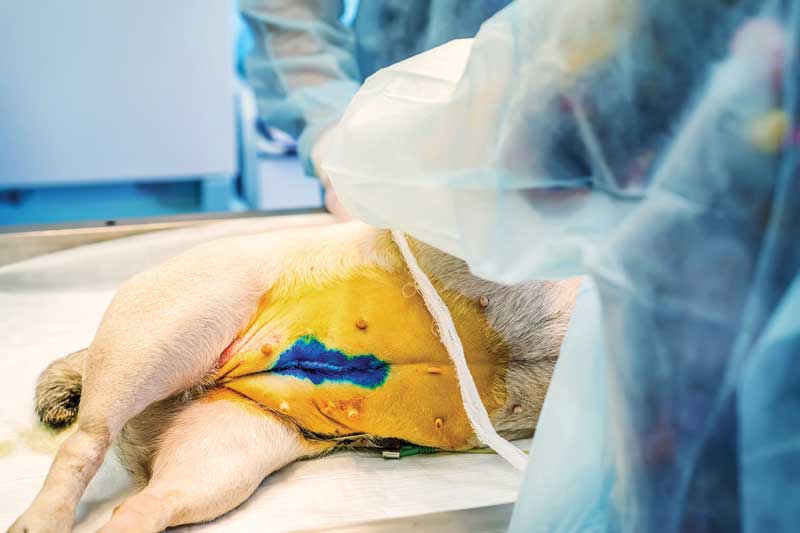
Image Source: www.veterinarypracticenews.com
Expert Answers: Can A Dog Get Spayed While In Heat?
Yes, a dog can get spayed while in heat, but most veterinarians advise against it. Spaying a dog during her heat cycle often brings higher risks and more complications. It is a more complex surgery. Vets prefer to spay a dog when she is not in heat. This makes the surgery safer and easier for your dog.
Grasping the Dog’s Heat Cycle
Before we talk about spaying, let’s learn about a dog’s heat cycle. This cycle is also called estrus. It is when a female dog can get pregnant. Most dogs have their first heat between 6 and 18 months old. Small dogs may have it sooner. Big dogs may have it later.
A dog’s heat cycle usually lasts about two to four weeks. During this time, you will see some clear signs. Her vulva may swell. She might have a bloody discharge. She will also act differently. She may seem restless or seek out male dogs. Her cycle has different stages. Each stage has its own changes.
Reasons for Spaying Your Dog
Spaying, or ovariohysterectomy, removes a female dog’s ovaries and uterus. This surgery stops her from getting pregnant. It also brings many health benefits.
Spaying greatly lowers the risk of certain cancers. These include mammary (breast) cancer. The earlier a dog is spayed, the more this risk goes down. It also fully prevents uterine infections. A common and serious one is pyometra. Pyometra is a life-threatening infection of the uterus. Spaying also stops unwanted pregnancies. This helps control the pet population. It means fewer dogs end up in shelters.
Many people choose to spay their dogs for behavior reasons too. Spayed dogs often have fewer mood changes. They do not roam to find mates. They are less likely to mark territory with urine. Spaying makes life easier for both the dog and her owner.
Deciphering the Safety of Spaying a Dog During Heat
Many pet owners ask, “Is it safe to spay my dog while she is in heat?” The simple answer is that it is less safe than spaying her when she is not in heat. The “safety of spaying dog during heat cycle” is a big concern for vets.
During heat, a dog’s body goes through many changes. Her blood flow to the uterus and ovaries increases greatly. These organs swell. Their tissues become more fragile. This makes the surgery more risky.
A vet can do the surgery during heat. But they must be very careful. They need more skill. They often need more time. The surgery takes longer. The risk of problems goes up.
Risks Spaying Dog in Heat
Spaying a dog while she is in heat carries higher risks. These risks are why most vets prefer to wait. Knowing these “risks spaying dog in heat” helps owners make good choices.
One major risk is increased bleeding. During heat, blood vessels in the reproductive organs get bigger. They are also fuller of blood. This means more blood loss during surgery. It can make the operation harder. It can also be dangerous for the dog. The vet must spend more time tying off blood vessels. This adds to the surgery time.
Another risk is tissue fragility. The uterus and ovaries are swollen and soft. They can tear more easily. This makes handling them during surgery tricky. A tear can lead to more bleeding. It can also cause other problems.
Inflammation is another concern. The tissues are already inflamed due to the heat cycle. Surgery adds to this inflammation. This can lead to more swelling. It can make recovery harder.
The surgery itself may take longer. Longer surgery means the dog is under anesthesia for more time. More time under anesthesia has its own risks. These include lower blood pressure or changes in heart rate. These risks are higher for any surgery. But they are worse when the dog is in heat.
Sometimes, it is harder to find the ovaries. They can be hidden by swollen tissues. This also adds to surgery time. It can lead to more bruising around the area.
In short, the risks are higher. The surgery is more complex. It needs more skill from the vet. This is why it is not the first choice.
Complications Spaying Dog Estrus
Beyond the risks, “complications spaying dog estrus” can occur. These are unwanted outcomes that can happen after surgery. They can make recovery harder.
One common complication is more bruising and swelling. Because of the extra blood and fragile tissues, the surgery site may look worse. There might be more bruising. It may swell more than usual. This is often not serious. But it can make the dog uncomfortable.
Another serious complication is hemorrhage. This means heavy bleeding. It can happen during surgery. It can also happen after surgery. A vessel might not be tied off well enough. Or a fragile vessel might break open later. Severe bleeding is a medical emergency. It needs immediate vet care.
Infection risk might also be slightly higher. Any surgery carries this risk. But with more tissue damage and inflammation, the body might be less able to fight off germs. Though rare, serious infections can occur. They might need more antibiotics.
Delayed healing is another possible issue. The body is already working hard during heat. Adding surgery to this can slow down how fast the incision heals. The wound might take longer to close. It might be more prone to opening if the dog is too active.
Phantom pregnancy is a potential complication. Even after spaying in heat, some dogs may show signs of pregnancy. This is due to hormones. The body still thinks it is pregnant for a short time. This can cause the dog to act strangely. She might nest or produce milk. This usually passes. But it can be stressful for the dog.
Sometimes, the dog may still show signs of heat after surgery. This is rare. It happens if a tiny piece of ovarian tissue is left behind. This tissue can still make hormones. This is called Ovarian Remnant Syndrome. It is more likely if the ovaries were hard to find during surgery. This can happen during heat. If this occurs, the dog might need another surgery.
Table 1: Spaying During Heat vs. Not in Heat
| Feature | Spaying Not in Heat | Spaying During Heat |
|---|---|---|
| Blood Loss | Less | More |
| Tissue State | Firm, normal | Swollen, fragile |
| Surgery Time | Shorter | Longer |
| Anesthesia Time | Shorter | Longer |
| Risk of Hemorrhage | Lower | Higher |
| Recovery Period | Shorter, easier | Potentially longer, harder |
| Cost | Standard | Often higher |
| Vet Preference | Preferred | Avoided if possible |
When to Spay Female Dog
“When to spay female dog” is a common question. Most vets advise spaying a dog before her first heat cycle. This is usually around 5 to 6 months of age. Spaying before the first heat greatly lowers the risk of mammary cancer. This is a very strong benefit.
Some vets recommend spaying after the first heat. They believe this allows the dog to fully mature. This is especially true for larger breeds. For big dogs, waiting for their growth plates to close might be good for joint health. This usually happens around 12 to 18 months. However, waiting does mean one heat cycle. It slightly increases the risk of mammary tumors compared to spaying before the first heat.
The key is to spay when the dog is NOT in heat. If a dog has just finished her heat cycle, it is best to wait. Vets usually recommend waiting 2 to 3 months after the heat ends. This gives the body time to return to normal. The blood vessels shrink. The tissues become less swollen. This makes surgery much safer and easier.
Cost of Spaying Dog in Heat
The “cost of spaying dog in heat” is often higher than a routine spay. This is due to several factors.
First, the surgery takes more time. As discussed, the vet must be more careful. They need to spend extra time finding vessels and tying them off. More surgery time means higher costs for the vet’s time and use of the operating room.
Second, there is a greater need for supplies. More stitches might be needed. More tools might be used. Extra care might be needed for blood loss. All these add to the overall price.
Third, there might be extra monitoring. The dog might need more close watching during and after the surgery. This is to catch any problems fast. This extra care also adds to the cost.
Some vets might charge an emergency fee. This is especially true if the owner insists on spaying during heat. They know the risks are higher. This fee covers the extra risk and effort.
It is wise to get a clear cost estimate from your vet. Ask about the total cost. Ask if it includes after-care. Compare this to the cost of a routine spay. You will likely see a difference.
Recovery from Spay While in Heat
“Recovery from spay while in heat” can be more challenging for your dog. It may take longer. Your dog might feel more pain. She might also need more rest and care.
After any spay surgery, your dog needs quiet rest. This is even more true if she was in heat during the surgery. She should avoid jumping, running, or rough play. This helps the incision heal. It also prevents stitches from coming loose. Your vet will give you specific limits on activity. Follow them strictly.
Pain management is very important. Your vet will give you pain medicine. Give it exactly as told. Do not miss doses. Pain control helps your dog rest. It also helps her heal better. If she is in more pain, she might be less active. This can slow down healing.
Watch the incision site closely. Look for signs of problems. These include redness, swelling, or discharge. If you see any of these, call your vet right away. The incision might look a bit more bruised or swollen at first. This is due to the increased blood flow. But if it gets worse, it could be a sign of trouble.
Your dog might also need an Elizabethan collar. This is often called a “cone.” It stops her from licking or chewing the incision. Licking can cause infection. It can also pull stitches out. Keep the cone on as long as your vet says.
Some dogs may still show signs of heat after surgery. This is rare. But it can happen. The hormones take time to leave the body. Your dog might still try to attract male dogs. She might still be restless. Keep her away from unneutered male dogs for a few weeks. This prevents accidents or further stress.
The typical recovery time is about 10 to 14 days for stitches to be removed or dissolve. For a dog spayed in heat, full recovery might take a bit longer. She might need more time to feel fully herself again. This is due to the extra stress on her body.
Veterinarian Recommendations Spaying Dog in Heat
Most “veterinarian recommendations spaying dog in heat” point to waiting. Vets know the risks. They want the best outcome for your pet.
They will usually suggest you delay the surgery. They advise waiting 2 to 3 months after the heat cycle ends. This waiting period allows the blood vessels to shrink. It lets the uterus and ovaries return to their normal size. It makes the surgery safer. It makes the recovery easier.
A vet might agree to spay a dog in heat in special cases. These might include:
* Urgency: The dog is in a shelter. She needs spaying before adoption. This prevents unwanted litters.
* Risk of Pregnancy: The dog has been around unneutered males. There is a high chance of pregnancy. Spaying can end an early pregnancy. This is often called an “emergency spay.”
* Owner Request: The owner strongly wants the surgery done now. They understand the higher risks and costs.
Even in these cases, the vet will explain all the risks. They will make sure you know what to expect. They will talk about the higher cost and longer recovery. They will ensure you sign forms that show you understand the risks.
It is always best to follow your vet’s advice. They are the experts. They have your dog’s health as their main goal. If they say wait, it is for a good reason.
Pros and Cons Spaying Dog in Heat
It is helpful to weigh the “pros and cons spaying dog in heat.” This helps you decide what is best for your dog.
Pros (Advantages):
- Immediate Pregnancy Prevention: This is the biggest pro. If your dog is in heat, she can get pregnant. Spaying her stops this right away. This is vital if you have male dogs at home. Or if she gets outside a lot.
- No More Messy Heat: The heat cycle can be messy. There is bloody discharge. Your dog might leave spots around the house. Spaying stops this immediately. You do not have to wait for the heat to end.
- Avoid Phantom Pregnancy: Some dogs have phantom pregnancies. This is when they act pregnant after heat, even if they are not. Spaying ends the hormonal cycle that causes this.
- One and Done: You get the surgery done quickly. You do not have to worry about future heat cycles. You avoid another waiting period.
Cons (Disadvantages):
- Increased Surgical Risks: As discussed, there is more bleeding. Tissues are fragile. This makes the surgery riskier.
- Higher Cost: The surgery usually costs more. This is due to longer time and more complex work.
- Longer, Harder Recovery: Your dog may take longer to heal. She might be in more pain. She needs more careful watching.
- Increased Anesthesia Time: Being under anesthesia for longer adds its own risks.
- Potential for Complications: Higher chance of problems like heavy bleeding or swelling.
- Vets Prefer to Wait: Most vets advise against it. This is a strong con. Their advice is based on safety.
Weighing these points can help you decide. For most owners, the cons outweigh the pros. It is usually better to wait.
Delaying Spay Until After Heat
“Delaying spay until after heat” is the gold standard advice. There are strong reasons why vets prefer this.
The main reason is safety. When a dog is not in heat, her reproductive organs are smaller. They have normal blood flow. This makes the surgery faster. It makes it safer. There is less blood loss. There is less risk of complications.
The tissues are also firmer. They are less prone to tearing. The vet can work more easily. They can find the ovaries and uterus more clearly. This reduces the chance of problems.
Recovery is also much easier. A dog spayed out of heat usually heals faster. She has less pain. She gets back to normal quicker. This is better for her. It is also less stressful for you.
How long should you wait? Vets usually suggest waiting 2 to 3 months after the heat cycle has fully ended. This allows her body to return to a normal state. All the swelling goes down. Blood vessels shrink. Hormones balance out. This makes for the safest and easiest surgery possible.
During this waiting time, keep your dog safe. She should not be around unneutered male dogs. Even though her heat is over, she might still attract males for a little while. Also, some dogs can have another heat cycle sooner than expected. It is best to be extra careful.
Emergency Spay During Estrus
Sometimes, an “emergency spay during estrus” is needed. This happens when a dog is in heat, but she has a life-threatening health problem. The risks of waiting are greater than the risks of spaying in heat.
The most common reason for an emergency spay during heat is pyometra. This is a severe infection of the uterus. It is common in unspayed female dogs. The uterus fills with pus. It can burst. This can lead to shock and death. Pyometra is a true emergency. It needs surgery right away. Even if the dog is in heat, the surgery must happen. The alternative is death.
Other emergency reasons might include:
* Severe trauma to the reproductive organs.
* Certain types of uterine or ovarian tumors that burst or bleed heavily.
* An accidental breeding where the owner wants to prevent pregnancy immediately. (This is more of an urgent spay, not always life-threatening, but time-sensitive).
In these emergency cases, the vet knows the risks are higher. But they must act to save the dog’s life. The higher blood loss and fragile tissues are managed as best as possible. The focus is on saving the dog. Recovery from an emergency spay might be even harder. This is because the dog was already very sick. She will need intensive care.
Post-Surgery Care Tips for All Spays
No matter when your dog is spayed, good after-care is key. This helps her heal well.
- Limit Activity: Keep your dog calm and quiet. No running, jumping, or rough play for 10-14 days. Short, slow leash walks are okay.
- Prevent Licking: Use an Elizabethan collar (cone) or a recovery suit. Stop your dog from licking the incision. Licking can cause infection. It can open stitches.
- Check Incision Daily: Look at the incision site every day. Check for redness, swelling, discharge, or open areas. A little bruising is normal. But a lot is not. Call your vet if you see problems.
- Give Medicines: Give all pain medicine and antibiotics as prescribed. Do not miss doses.
- Monitor Appetite and Energy: Your dog should start eating and acting more normal within 24-48 hours. If she stays very tired, or does not eat, call your vet.
- Keep Incision Dry: Do not bathe your dog until the vet says it is okay. Keep the incision clean and dry.
Fathoming Alternatives to Spaying in Heat
If your dog is in heat, and you want to avoid spaying her during this time, what are your options?
The best option is to wait. Keep your dog safe and away from male dogs. This means:
* Strict Confinement: Keep her inside your home. Do not let her out into the yard alone.
* Leash Walks Only: When she needs to go out, always use a leash. Stay close to her. Avoid dog parks or areas with many dogs.
* Avoid Male Dogs: If you have unneutered male dogs at home, you will need to keep them totally separate. This might mean crating them. Or keeping them in different parts of the house.
* Doggie Diapers: These can help manage the mess. They do not stop pregnancy. But they keep your house cleaner.
This waiting period usually lasts 2 to 3 months after her heat ends. This allows her body to return to normal. Then, she can have a much safer and easier spay surgery.
Conclusion
Spaying your dog is a big step for her health. It is a common and safe surgery when done at the right time. While a dog can get spayed while in heat, it is often not the best choice. It comes with higher risks like more bleeding and longer recovery.
Most vets will tell you to wait. They want to perform the surgery when your dog’s body is calm and ready. This means waiting about 2 to 3 months after her heat cycle finishes. This makes the surgery safer. It lowers the cost. It helps your dog heal faster.
If your dog is in heat, talk to your vet. Discuss all the pros and cons. Ask about the risks and costs. Work with them to choose the safest time for your beloved pet. Protecting her health is always the main goal.
Frequently Asked Questions (FAQ)
h4 What are the signs my dog is in heat?
Signs include a swollen vulva, bloody discharge, restlessness, and an interest in male dogs. She might also act more clingy or bark more.
h4 How long does a dog’s heat cycle last?
A typical heat cycle lasts about two to four weeks. The most fertile time is usually in the middle of this period.
h4 How long should I wait after my dog’s heat to spay her?
Most vets recommend waiting 2 to 3 months after her heat cycle has fully ended. This gives her body time to return to normal.
h4 Is spaying a dog in heat more painful for her?
The surgery itself is done under anesthesia, so she feels no pain then. But the recovery might be more painful or uncomfortable. This is due to more tissue swelling and bruising. Your vet will give pain medicine.
h4 Can spaying a dog in heat cause problems later in life?
While the immediate risks are higher, if the surgery goes well, long-term problems are rare. The main concerns are for the immediate surgery and recovery period.
h4 My dog just finished her heat. Is she still fertile?
A dog is usually fertile during the middle phase of her heat cycle. After the bleeding stops, she may still be able to get pregnant for a few days. It is best to keep her away from male dogs for at least 3-4 weeks after you think her heat has ended. This is to be safe.
h4 What if my vet says they can spay my dog in heat with no problem?
Some vets are more comfortable with it. If your vet has modern tools and skilled staff, they might feel the risks are low. Always discuss your concerns with your vet. Make sure you fully understand their reasons and any added risks.