
Can a dog be spayed when in heat? Yes, a dog can get spayed when in heat. It is possible for a vet to do this surgery even when a female dog is in her fertile cycle. But it is often not the best time to do it. Spaying a dog in heat comes with more risks and challenges than spaying at other times. This guide will help you grasp why spaying in heat is harder and what the best time for this important surgery is.
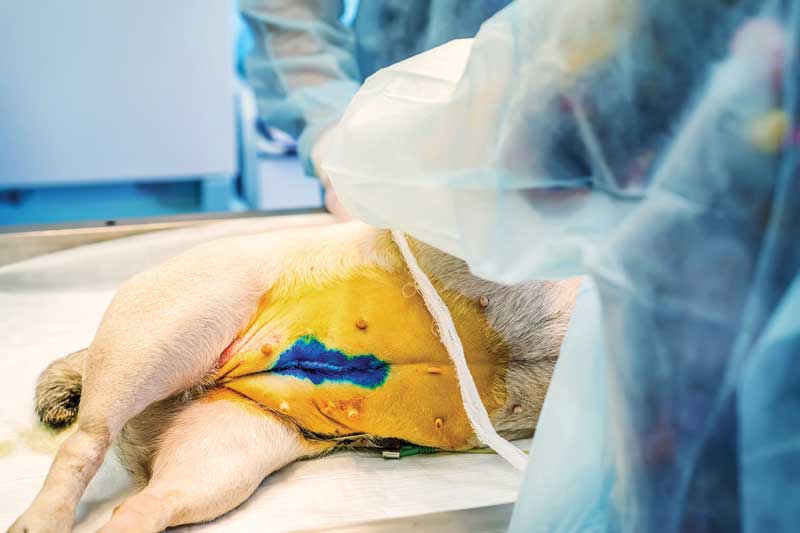
Image Source: www.veterinarypracticenews.com
Grasping the Dog Reproductive Cycle Stages
To know when is the best time to spay a dog, you first need to know about her heat cycle. This is also called the estrus cycle. It has four main parts.
Proestrus: The Start of the Cycle
This stage is when a female dog begins to attract male dogs. But she will not let them mate with her yet.
* Signs: You might see some blood discharge. Her vulva, which is the outer part of her private area, will look bigger or swollen. Male dogs will start to show interest in her.
* Length: This stage can last from 3 to 17 days. The average is about 9 days.
Estrus: The Mating Stage
This is the true “heat” stage. During estrus, a female dog is ready to mate. This is when she can get pregnant.
* Signs: The blood discharge might become lighter or even stop. Her vulva will still be swollen. She will be open to mating with males. She might hold her tail to the side.
* Length: This stage usually lasts 4 to 24 days. The average is also around 9 days. This is the period when your dog is truly “in heat.” This is the time we are talking about for spaying.
Diestrus: After Estrus
This stage happens right after estrus. It lasts about 60 to 90 days.
* What happens: If your dog got pregnant, she will carry her pups during this time. If she did not get pregnant, her body still acts like she might be. Her hormone levels stay high for a while. Sometimes, a dog not bred can have a “false pregnancy.” This means she shows signs of being pregnant, but she is not.
Anestrus: The Resting Stage
This is the longest stage of the cycle. It is a time of rest for the dog’s reproductive system.
* What happens: There are no signs of heat. Her body is getting ready for the next cycle. Hormone levels are low and stable.
* Length: This stage lasts from 2 to 10 months. It is the calmest time for her body.
Key Point: When a dog is “in heat,” she is in the estrus stage. Her body goes through big changes then. These changes are important when we talk about spaying.
Why Spaying in Heat is Possible, But Not Preferred
Vets can spay a dog when she is in heat. It is a surgery that removes her uterus and ovaries. This is called an ovariohysterectomy during heat. But most vets prefer not to do it at this time. This is because spaying a dog in heat comes with more risks and challenges. The main reason for this is how the dog’s body changes during heat.
Increased Blood Supply
During heat, a dog’s reproductive organs get more blood flow. This means the blood vessels around the uterus and ovaries become much bigger. They are also fuller with blood. This makes the area very vascular.
Swollen Tissues
The tissues around the uterus and ovaries also become thicker and more swollen. Hormones cause this change. The uterus itself gets bigger and softer.
These changes make the surgery harder. They also lead to more problems.
Risks and Challenges of Spaying a Dog in Heat
When a dog is spayed while in heat, the surgery carries higher risks. These risks are not seen when a dog is spayed in her resting phase (anestrus). It is important for you to know about these dangers.
Increased Bleeding Spay in Estrus
This is the biggest and most common risk.
* Bigger Blood Vessels: During heat, the blood vessels that supply the uterus and ovaries are much larger and fuller. Think of a garden hose. When a dog is in heat, these vessels are like a hose turned on full blast.
* More Blood Loss: When the vet cuts these vessels during surgery, they will bleed more. This means more blood loss for your dog.
* Surgical Field: Heavy bleeding makes it hard for the vet to see the surgical area. This can make the surgery take longer. It also raises the chance of making a mistake.
* Anemia Risk: Too much blood loss can cause your dog to become anemic. Anemia means her blood does not have enough healthy red cells. This can make her very weak. In severe cases, a blood transfusion might be needed. This adds more risk and cost.
Swollen Tissues Spay in Heat
The tissues in the reproductive area swell up during heat.
* Harder to Work With: These swollen tissues are fragile. They are also harder for the vet to handle and tie off cleanly.
* Longer Surgery: The surgery takes more time. The vet must be extra careful. They need to seal off more blood vessels.
* Increased Pain: Swollen tissues can lead to more pain after surgery. This is because the area is already irritated.
* More Bruising: The tissues can bruise more easily. This can make the healing process take longer.
Complications of Spaying Dog in Season
Beyond bleeding and swelling, other problems can arise.
* Infection Risk: A longer surgery time and more tissue handling raise the risk of infection at the surgical site. Bacteria can enter more easily.
* Wound Healing: Swollen tissues might not heal as well. The incision might take longer to close up. In some cases, the wound could open up (dehiscence). This would need more vet care.
* Anesthesia Risks: Any surgery needs anesthesia. A longer, more complex surgery means your dog is under anesthesia for more time. This slightly increases the risk of problems related to anesthesia.
* Increased Surgical Pain: As mentioned, the body is already active and swollen. This can make the post-surgery pain worse. Your dog might need stronger pain medicine.
* More Expensive: Due to the added risks and longer surgery time, spaying a dog in heat often costs more. The vet needs more supplies. The staff might need to spend more time monitoring your dog.
The Surgical Process: Ovariohysterectomy During Heat
Ovariohysterectomy is the medical term for spaying. It means taking out the ovaries and the uterus. When done during heat, the basic steps are the same. But the vet must be extra careful.
Before the Surgery
- Checks: The vet will do a full check-up. They will look at your dog’s general health.
- Blood Tests: Blood tests are very important. They check for blood clotting issues. They also make sure her organs work well. This is even more important if she is in heat due to the risk of bleeding.
- Fasting: Your dog will need to fast before surgery. This means no food for 8-12 hours and no water for a few hours. This helps prevent vomiting during or after anesthesia.
During the Surgery
- Anesthesia: Your dog will get medicine to go to sleep. She will not feel anything during the surgery.
- Incision: The vet makes a cut in the skin, usually on the belly.
- Finding the Organs: The vet gently finds the uterus and ovaries.
- In Heat: At this point, the vet will see the larger, swollen uterus. The blood vessels leading to and from the ovaries and uterus will be very full and visible. This is where the increased bleeding comes in. The vet must be very careful to tie off each vessel securely.
- Tying and Cutting: The vet ties off the blood vessels. Then, they remove the ovaries and the uterus. They must make sure all parts are gone.
- Checking for Bleeding: The vet checks the area very carefully for any signs of bleeding. This step takes longer when the dog is in heat. Every small bleeder must be found and stopped.
- Closing the Incision: Once all checks are done, the vet closes the muscle layers, then the fat layer, and finally the skin. Stitches are used.
After the Surgery
- Monitoring: Your dog will be watched closely as she wakes up from anesthesia. The vet team checks her breathing, heart rate, and pain levels.
- Pain Relief: She will get pain medicine to help her feel better.
- Go Home: Most dogs go home the same day or the next morning.
The extra care needed during surgery when a dog is in heat makes it more difficult. It requires a highly skilled vet.
Optimal Time to Spay a Female Dog
The best time to spay a female dog is when she is not in heat. This is during the anestrus stage of her cycle. This is when her reproductive organs are smallest and have the least blood flow.
Dog Spay Timing Heat Cycle: Aim for Anestrus
- Before First Heat: Many vets suggest spaying a dog before her first heat. This is often around 5 to 6 months of age. Spaying before the first heat offers the best protection against mammary (breast) cancer later in life.
- After First Heat (or subsequent heats): If your dog has already had a heat cycle, the best time to spay her is usually 2 to 3 months after her heat ends. This waiting period is very important.
Waiting Period After Heat for Spay
- Why Wait? When a dog’s heat cycle ends, her body needs time to return to normal. The hormones that caused her uterus and blood vessels to swell need to go down. The blood vessels need to shrink back to their normal size.
- How Long to Wait? Most vets recommend waiting 60 to 90 days (about 2 to 3 months) after the signs of heat have completely stopped. This allows the uterus to become smaller and less swollen. It also lets the blood vessels return to their usual, smaller size.
- Benefits of Waiting:
- Less Bleeding: The biggest benefit. Surgery is cleaner and safer.
- Easier Surgery: The vet can work more quickly and safely.
- Faster Recovery: With less tissue trauma and blood loss, your dog often recovers more quickly and with less pain.
- Lower Cost: The surgery is usually less complex, which can mean a lower bill.
What if I Miss the Window?
If your dog is already in heat, it is often best to wait. Talk to your vet. They can help you figure out the best plan. They will tell you how long to wait after her heat ends.
When Spaying in Heat Might Be Necessary: Emergency Spay During Estrus
While not ideal, there are times when a vet might need to spay a dog while she is in heat. This is often called an emergency spay during estrus. These are special cases.
Unwanted Pregnancy Risk
- If a female dog has been exposed to a male dog during heat and there is a high chance of pregnancy, a spay can prevent puppies. This is often done very soon after exposure. The surgery not only removes the ovaries and uterus but also any potential early pregnancies. This is a choice some owners make to avoid unwanted litters.
Pyometra (Uterine Infection)
- Pyometra is a severe infection of the uterus. It often happens in older, unspayed female dogs, usually after a heat cycle. However, in rare cases, a pyometra can start or be found while a dog is in heat.
- Life-Threatening: Pyometra is a very serious condition. It can be deadly if not treated fast. The uterus fills with pus.
- Emergency Surgery: If a dog has pyometra, she needs emergency surgery to remove the infected uterus. This must happen right away, even if she is in heat. In these cases, the risks of not doing surgery are much higher than the risks of spaying in heat. The vet must weigh the dangers carefully.
Trauma or Other Health Issues
- In very rare cases, a dog might have a severe injury or another health problem that needs emergency surgery. If she happens to be in heat at that time, the vet might need to proceed with spaying. This is usually only done if it is part of a larger, life-saving surgery.
Owner Insistence
- Sometimes, an owner might insist on spaying their dog during heat, even after being told about the risks. This might happen due to unique situations or travel plans. A vet might agree to do the surgery after fully explaining the dangers and getting the owner’s written consent.
Stray Dogs
- In animal shelters or rescue groups, a stray dog might be found in heat. They need to be spayed before they can be adopted or placed. In these cases, spaying might be done during heat to prevent pregnancy and to help the dog find a home faster. The benefits of spaying the dog might outweigh the risks in a shelter setting.
In all these emergency cases, the vet will take extra care. They will use specific methods to control bleeding. They will also give extra fluids and monitor the dog very closely.
Preparing for Spay: No Matter the Timing
Proper preparation is key for any surgery.
Pre-Surgical Health Check
- Your vet will do a full physical exam. They will listen to your dog’s heart and lungs. They will make sure she is healthy enough for surgery.
- Blood Tests: These tests are very important. They check organ health and blood clotting ability. They make sure your dog can handle the anesthesia and surgery well.
Fasting Instructions
- You will get strict rules about when to stop feeding your dog. This is usually 8 to 12 hours before surgery. No food means an empty stomach. This helps prevent vomiting during or after anesthesia. Vomiting can cause serious problems like choking or getting food into the lungs.
- Water might be allowed for a few hours before surgery. Follow your vet’s exact instructions.
Discussing Concerns
- Always talk to your vet about any worries you have. Ask questions. Make sure you know what to expect.
Post-Surgery Care for Your Spayed Dog
Good care after surgery is very important for a smooth and fast recovery.
Pain Management
- Your dog will get pain medicine from the vet. This might be an injection at the clinic and pills to take at home. Give all medicines exactly as your vet tells you. Pain control helps her feel better and heal faster.
Activity Restriction
- Limit Movement: For 10 to 14 days after surgery, your dog must be kept calm. No running, jumping, or rough play. Short, controlled leash walks are fine for going to the bathroom.
- Why Limit? Too much activity can cause swelling, bleeding, or even make the stitches come apart. This is especially true if the surgery was done in heat, as the tissues were already more fragile.
Incision Site Monitoring
- Check Daily: Look at the incision area every day. It should look clean and dry. A little redness or swelling is normal for the first day or two.
- Watch for Problems: Call your vet if you see:
- Lots of redness or swelling.
- Pus or bad-smelling fluid.
- Open stitches or skin.
- Excessive licking or chewing at the site.
- Any signs of fever, loss of appetite, or extreme tiredness.
The “Cone of Shame” (E-collar)
- Your dog will likely need to wear a plastic cone (Elizabethan collar). This stops her from licking or chewing her incision. Licking can cause infection or pull out stitches.
- Wear it! It might seem annoying, but the cone is crucial for healing. Make sure she wears it all the time, especially when you are not watching her.
Follow-Up Vet Visits
- Most vets will want to see your dog in about 10 to 14 days. They will check the incision and remove any stitches if needed. This visit makes sure your dog is healing well.
Benefits of Spaying: A Look at the Bigger Picture
While spaying a dog in heat has risks, spaying itself has many great benefits. These benefits are why vets recommend it for almost all female dogs not used for breeding.
Prevents Unwanted Litters
- This is the most obvious benefit. Spaying stops your dog from getting pregnant. This helps control the pet population. It means fewer homeless animals in shelters.
Reduces Risk of Mammary Cancer
- This is a very important health benefit. If you spay your dog before her first heat, her risk of getting breast cancer is very low. Each heat cycle she goes through increases this risk. Spaying later still helps, but spaying early is best for cancer prevention.
Prevents Uterine Infections (Pyometra)
- Pyometra is a life-threatening infection of the uterus. It is very common in unspayed older female dogs. Spaying removes the uterus, so pyometra can never happen. This saves many lives.
Prevents False Pregnancies
- Some unspayed dogs have “false pregnancies” after a heat cycle. Their body acts like they are pregnant, even if they are not. They might make milk, build nests, or carry toys around like puppies. Spaying stops this.
Behavioral Benefits
- Spaying can reduce some unwanted behaviors linked to heat cycles.
- No more messy bleeding or discharge.
- No more attracting male dogs to your yard.
- Some dogs can be moody or restless during heat. Spaying can calm these behaviors.
- It also removes the urge to roam and find a mate. This keeps your dog safer from accidents.
Overall Health and Well-being
- Spaying generally leads to a healthier, longer life for your dog. It removes the stress and health risks of heat cycles and potential pregnancies.
Cost Implications
Spaying a dog usually costs money. If your dog is in heat, the cost for the spay surgery will likely be higher.
* Why More Expensive? The vet needs more time for the surgery. They use more supplies to control bleeding. They might need more staff to watch your dog closely. All of this adds to the bill. It is best to ask your vet for an exact quote if you plan to spay your dog in heat.
Key Takeaways
- Yes, it’s possible: You can spay a dog when she is in heat.
- But it’s riskier: There is more bleeding, more swollen tissues, and a higher chance of problems.
- Optimal time is 2-3 months after heat: This is when her body is calm, and risks are lowest.
- Emergency cases exist: Sometimes, spaying in heat is necessary (like for pyometra or to prevent unwanted pregnancy).
- Talk to your vet: Always discuss the best timing and risks with your vet.
Spaying is a very important surgery for your dog’s health. Choosing the right time makes it safer and easier for her.
Frequently Asked Questions (FAQ)
Q1: Can my dog still get pregnant if spayed in heat?
No. Once the ovaries and uterus are removed, your dog cannot get pregnant. If she was already pregnant at the time of spay, the surgery removes the pregnancy.
Q2: Will my dog’s behavior change after spaying?
Many owners notice positive changes. She will not have heat cycles, so she won’t attract males or show behaviors linked to mating. Some dogs become calmer. Her basic personality will stay the same.
Q3: How long is recovery after spay surgery?
Most dogs recover well in 10 to 14 days. This is how long you need to limit their activity and watch the incision. Full internal healing takes a few weeks longer.
Q4: What are the signs my dog is in heat?
Signs include:
* Swollen vulva (her private area).
* Bloody discharge (can vary in color and amount).
* Increased urination or marking territory.
* Restlessness or being more affectionate.
* Flagging her tail to the side (when ready to mate).
* Male dogs being very interested in her.
Q5: Is spaying painful for my dog?
Your dog will be under anesthesia during surgery, so she feels no pain. After surgery, vets give pain medicine to keep her comfortable. Most dogs are a bit sore but recover well with good pain control.