
Can a dog get rabies if vaccinated? Yes, but it is very rare. Rabies vaccines are very good at stopping the disease. They give strong protection. But like any vaccine, they are not 100% perfect. A dog can get rabies even after getting the shot, but these are truly rare cases. This means the risk is very, very low for a vaccinated dog.
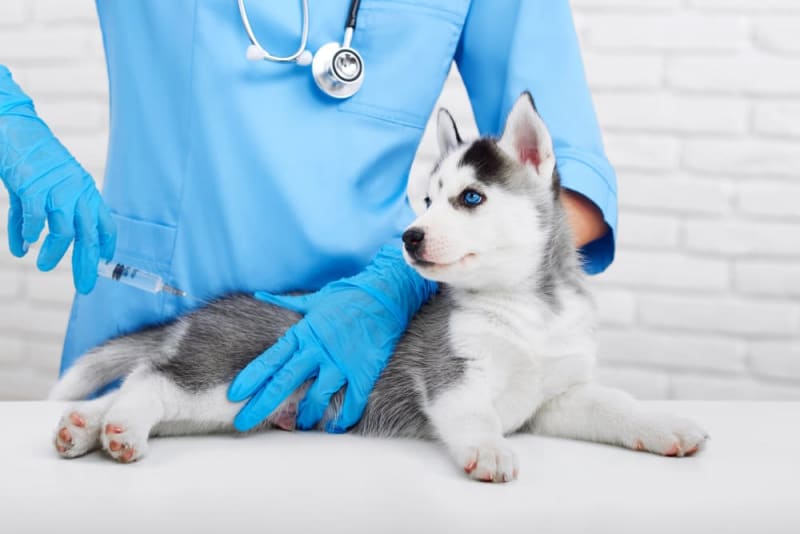
Image Source: d2zp5xs5cp8zlg.cloudfront.net
The Power of the Rabies Vaccine
Rabies is a very serious disease. It is almost always deadly once signs appear. It affects the brain and nerves. But there is good news. The rabies vaccine is a strong shield. It works very well. This makes it one of the most important shots your dog can get.
The rabies vaccine effectiveness dog is very high. It teaches your dog’s body to fight the rabies virus. When the vaccine goes in, it shows a harmless part of the virus to the dog’s immune system. The immune system then learns to make special fighters called antibodies. These antibodies are like tiny soldiers. If a real rabies virus tries to attack, these soldiers are ready. They quickly find and destroy the virus. This stops the disease from taking hold.
Most dogs who get their shots on time will not get rabies. The vaccine prevents the virus from getting into the brain. It stops the disease from starting. This protection is vital. It keeps our pets safe. It also keeps us safe. Rabies can spread to people.
Vaccines have almost wiped out rabies in pet dogs in many areas. This is thanks to pet owners getting their dogs vaccinated. It shows how strong and important these shots are.
How Vaccines Protect
- Immune System Boost: The vaccine wakes up the dog’s immune system. It gets it ready to fight.
- Antibody Production: The body makes specific antibodies. These are proteins that attach to the virus. They stop it from harming cells.
- Memory Cells: The immune system also creates memory cells. These cells remember the virus. If the dog meets the virus again, these cells act fast. They make more antibodies quickly. This fast response prevents the disease.
- Strong Protection: Once a dog has these antibodies and memory cells, it has good protection. This protection lasts for a long time.
Why Vaccination is Key for Every Dog
Getting your dog vaccinated against rabies is not just a good idea. It is often the law. Most places require dogs to get rabies shots. This is because rabies is a public health danger. It can jump from animals to humans. A bite from a rabid animal can be deadly for a person.
When many dogs in an area are vaccinated, it creates “herd immunity.” This means the disease has a hard time spreading. If one animal gets rabies, it is less likely to pass it on to other animals or people. There are fewer places for the virus to live and spread. This makes the whole community safer.
Vaccination protects your own dog first. But it also helps protect all the other pets around. It protects your family and neighbors too. It is a small step with a big impact.
Think of it like building a wall. Each vaccinated dog adds a brick to the wall. The more bricks, the stronger the wall against rabies. Skipping a shot weakens the wall for everyone.
What Happens if a Vaccinated Dog is Exposed?
Even with a strong vaccine, accidents happen. A vaccinated dog exposed rabies means your dog had contact with an animal that might have rabies. This could be a bite, a scratch, or even just saliva from a rabid animal getting into a wound.
If your vaccinated dog has this kind of contact, do not panic. The vaccine has given your dog a huge head start. The risk of getting sick is much lower than for an unvaccinated dog.
Steps to Take After Exposure:
- Safety First: Do not touch the wild animal. If it is dead, do not touch it with bare hands.
- Clean the Wound: If your dog was bitten, clean the wound right away with soap and water. This helps wash away the virus.
- Call Your Vet: Call your vet immediately. Tell them everything that happened.
- Report to Local Health Officials: In many places, you must tell local animal control or health officials about the exposure. They will guide you on next steps.
For post-exposure treatment vaccinated dogs, the approach is different from unvaccinated dogs. For a vaccinated dog, the main goal is to boost their existing immunity. This usually means a quick booster shot.
This booster shot is given soon after the exposure. It works like a rapid refresh for the immune system. It makes the body produce a lot of antibodies very quickly. This quick burst of protection helps fight off any virus that might have entered.
In most cases, vaccinated dogs who get a booster shot after exposure do not get rabies. They may need to be watched closely for a short time. This is often done at home. This monitoring period helps ensure no symptoms appear. The exact time for watching can change. It depends on local rules and how bad the exposure was.
It is important to follow all vet and health official advice. This helps keep your dog and others safe.
When Vaccines Don’t Work: Rare Cases
While rabies vaccine effectiveness dog is very high, no vaccine is perfect. Sometimes, very rarely, a vaccine might not give full protection. This is called rabies vaccine failure in dogs. It means the dog’s body did not make enough antibodies. Or it did not make them fast enough.
A breakthrough rabies infection dogs is when a vaccinated dog still gets rabies. These cases are extremely rare. They happen only in a tiny fraction of vaccinated animals. Many things can lead to this.
Possible Reasons for Vaccine Failure:
- Immune System Issues: Some dogs might have a weaker immune system. This could be due to other illnesses or certain medicines. Their body may not respond well to the vaccine.
- Improper Storage or Use: If a vaccine is not kept at the right temperature, it can lose its power. If it is given incorrectly, it may not work as well. This is rare in vet clinics.
- Timing of Exposure: If a dog is exposed to rabies right after its first shot, it might not have full protection yet. It takes time for the immune system to build up defenses.
- Very High Virus Load: A dog might get a very large amount of virus from a bite. This could overwhelm even a good immune response.
- Genetic Factors: Just like people, dogs are different. Some dogs might not react to a vaccine as strongly as others. This is very uncommon for rabies.
These rare rabies cases vaccinated dogs are heavily studied. They are often reported in science journals. This is because they are so unusual. The vast majority of vaccinated dogs are safe. The existence of these few cases does not mean the vaccine is not good. It just means nothing in medicine is 100% foolproof.
The main takeaway here is that rabies vaccine failure is not common. It should not make you doubt the vaccine’s power. It just reminds us that rabies is a serious disease. It is why we always need to be careful.
How Long Does Protection Last?
A common question is about dog rabies immunity duration. How long does one shot keep a dog safe? This depends on the type of vaccine used. It also depends on the laws in your area.
Most rabies vaccines give protection for at least one year. Many common vaccines now give protection for three years. This means your dog gets a shot, and it is good for three years.
Initial Rabies Vaccination:
- Puppies: Puppies usually get their first rabies shot when they are around 12 to 16 weeks old.
- First Booster: They need a booster shot one year after their first shot. This booster helps to fully establish long-lasting immunity.
- Ongoing Boosters: After the first booster, a dog will get shots every one year or every three years. This depends on the vaccine used. It also depends on local laws.
It is vital to stick to the rabies vaccine booster schedule dogs. This ensures your dog always has strong protection. Do not let your dog’s shots lapse. If a shot is missed, your dog might be considered unvaccinated by law. This can cause problems if your dog has contact with a wild animal.
Keeping up with shots is the best way to keep your dog’s immunity strong. Your vet will tell you when the next shot is due. They will help you stay on schedule.
Watching for Signs: Symptoms of Rabies in Vaccinated Pets
Even though it is rare, knowing the symptoms of rabies in vaccinated pets is still wise. The signs of rabies can be tricky. They can look like other illnesses. Rabies affects the brain. So, symptoms often involve changes in behavior or movement.
It is important to remember that these signs are highly unlikely in a properly vaccinated dog. But if your vaccinated dog acts strangely after a possible exposure, tell your vet at once.
Common Signs of Rabies:
Rabies usually shows in two main forms: “furious” and “dumb” (paralytic).
- Furious Rabies Signs:
- Behavior Changes: Extreme aggression, biting at nothing, attacking everything.
- Fear and Nervousness: Being jumpy, easily startled.
- Restlessness: Pacing, not settling down.
- Drooling: Lots of foamy drool.
- Sensitivity: Reacting strongly to light, sound, or touch.
- Disorientation: Seeming lost or confused.
- Convulsions: Seizures.
- Dumb (Paralytic) Rabies Signs:
- Weakness: Muscles becoming weak.
- Paralysis: Loss of movement, often starting in the legs. This can lead to falling or stumbling.
- Drooping Jaw: The lower jaw might hang open. This makes it hard to swallow. This also causes drooling.
- Voice Change: Barking might sound different. It can become hoarse or quiet.
- Difficulty Swallowing: Leading to choking or drooling. This is why it is called “dumb” rabies. The animal seems quiet and not aggressive.
These signs usually show up days to months after a bite. Once symptoms start, rabies is almost always fatal. There is no cure. This is why prevention with vaccines is so important.
If you ever see any of these signs in your dog, vaccinated or not, call your vet right away. Do not try to handle the dog yourself. This is for your safety.
Checking for Protection: Rabies Antibody Test Dogs
Sometimes, owners want to know if their dog is truly protected. Or they need proof for travel to certain countries. This is where a rabies antibody test dogs can be useful.
This test checks the level of rabies antibodies in a dog’s blood. It measures how much of those “soldier” proteins the dog’s body has made. A good level of antibodies means the dog has strong protection.
When a Rabies Antibody Test Might Be Used:
- Travel Requirements: Many countries require a certain level of rabies antibodies before a dog can enter. This test proves the dog is protected. It can help avoid long quarantine times.
- Peace of Mind: Some owners just want to be sure their dog is well-protected.
- Uncertain Vaccination History: If you adopt a dog and are not sure about its past shots, this test can give clues. But it does not replace proper vaccination.
- Research: In some studies, vets may use this test to check vaccine responses.
It is important to know that a rabies antibody test does not replace vaccination. It is a check, not a shield. Most vets do not routinely do this test. They rely on the vaccine schedule. They know that proper vaccination gives excellent protection.
If you are thinking about this test, talk to your vet. They can tell you if it is needed for your dog. They can also explain what the results mean.
Minimizing Risk: Best Practices for Pet Owners
Even with very effective vaccines, smart actions from pet owners are key. You can help reduce the tiny risk of rabies even further.
Key Actions You Can Take:
- Vaccinate on Time: This is the most important step. Follow your vet’s
rabies vaccine booster schedule dogs. Do not miss shots. Put reminders on your phone or calendar. - Control Your Pet: Keep your dog on a leash when outside. Do not let them roam free. This stops them from meeting wild animals. It also stops them from getting into fights.
- Keep Cats Indoors: If you have cats, keeping them inside greatly reduces their risk of rabies exposure.
- Avoid Wild Animals: Do not let your dog approach wild animals. This includes raccoons, bats, foxes, skunks, and coyotes. These animals can carry rabies. Teach your dog to stay away.
- Secure Trash: Store trash in bins with tight lids. This keeps wild animals away from your yard. They come looking for food.
- Report Strange Animals: If you see a wild animal acting strangely, call animal control. Do not try to catch or help it yourself.
- Tell Your Vet About Exposure: If your dog has any contact with a wild animal, tell your vet right away. Even if your dog seems fine. Quick
post-exposure treatment vaccinated dogscan prevent disease.
By following these simple steps, you add layers of safety for your pet. You are not just relying on the vaccine. You are actively reducing the chances of exposure. This makes the already tiny risk of rabies even smaller.
Tables: Rabies Vaccination Schedule and Symptoms
Here are some helpful tables to summarize key information.
Table 1: Typical Rabies Vaccination Schedule for Dogs
| Age of Dog | Vaccination Type | Details |
|---|---|---|
| 12-16 Weeks Old | First Rabies Vaccine | Puppy’s initial shot. Gives foundational immunity. |
| 1 Year Later | First Booster Vaccine | Crucial shot to strengthen and extend immunity. Often required by law. |
| Every 1 or 3 Years | Subsequent Booster Vaccines | Frequency depends on vaccine type used and local regulations. Keeps immunity strong. |
Note: Always follow your vet’s specific advice and local laws, as schedules can vary.
Table 2: Potential Rabies Symptoms in Dogs (Very Rare in Vaccinated Pets)
| Symptom Category | Furious Rabies Signs | Dumb (Paralytic) Rabies Signs |
|---|---|---|
| Behavior | Extreme aggression, irritability, restlessness, biting. | Lethargy, depression, seeking solitude. |
| Physical | Drooling, foaming at mouth, sensitivity to light/sound. | Drooping jaw, difficulty swallowing, paralysis (often legs). |
| Voice | Loud, constant barking or howling. | Hoarse bark, change in vocalization, no sound. |
| Movement | Stumbling, disorientation, aimless wandering. | Muscle weakness, unsteady gait, paralysis. |
Seek immediate vet care if you see any of these signs, especially after a possible animal exposure.
FAQ Section
Q1: How effective is the rabies vaccine for dogs?
A: The rabies vaccine effectiveness dog is very high. It protects nearly all dogs that get the shot. It stops the virus from causing disease in most cases.
Q2: Can a vaccinated dog transmit rabies to humans?
A: It is extremely unlikely for a vaccinated dog to get rabies and then pass it to a human. The vaccine greatly reduces the risk of the dog getting sick. If they do not get sick, they cannot spread the virus. Rare rabies cases vaccinated dogs do not usually spread the virus.
Q3: What should I do if my vaccinated dog bites someone?
A: Even if your dog is vaccinated, you must report bites to local animal control or health officials. Your dog might need to be watched for 10 days. This is a rule to make sure the dog is healthy. It helps ease worries about rabies.
Q4: Is a rabies antibody test dogs required for all travel?
A: No, not for all travel. But many countries, especially those that are rabies-free, do require a rabies antibody test dogs. This test makes sure your dog has enough protection before entering. Always check the rules for your travel spot far ahead of time.
Q5: If my dog misses a booster, do I need to start the vaccine series over?
**A: ** Usually no. For most rabies vaccines, if your dog misses a booster, your vet will just give the next booster. They might treat it as a new first shot, and then a booster one year later. This depends on how long it has been and local laws. Always talk to your vet if your dog is late for a shot. They will tell you the best plan for your dog’s rabies vaccine booster schedule dogs.
Q6: How quickly does rabies show symptoms of rabies in vaccinated pets if they get infected?
A: In very rare breakthrough rabies infection dogs cases, symptoms can appear weeks to months after exposure. The time can vary greatly. The vaccine helps delay the onset of symptoms, making the chance of full development very low. But once symptoms show, the disease is very serious.
Q7: Does the dog rabies immunity duration ever run out before the next booster?
A: The vaccine is designed to protect for one or three years. It provides strong immunity for that time. If boosters are given on time, the dog stays protected. There is a very tiny chance of vaccine failure. But for almost all dogs, immunity lasts until the next shot.
Q8: What is the main difference in post-exposure treatment vaccinated dogs vs. unvaccinated dogs?
A: For a vaccinated dog exposed to rabies, the main treatment is a quick booster shot. This boosts their existing immunity. They might need a short observation period. For an unvaccinated dog, the path is much harder. They face a longer observation time or may need to be put down, depending on local laws and risk. The booster for vaccinated dogs is a critical difference.
In conclusion, while the idea of a vaccinated dog getting rabies can be scary, the risk is extremely low. Rabies vaccines are incredibly effective. They protect millions of dogs every year. By keeping your dog’s shots up to date, avoiding wild animals, and knowing what to do if exposure happens, you give your beloved pet the best possible defense against this terrible disease.