
Okay, here is a long-form blog post designed to be highly readable and informative, addressing the topic of dry drowning in dogs.
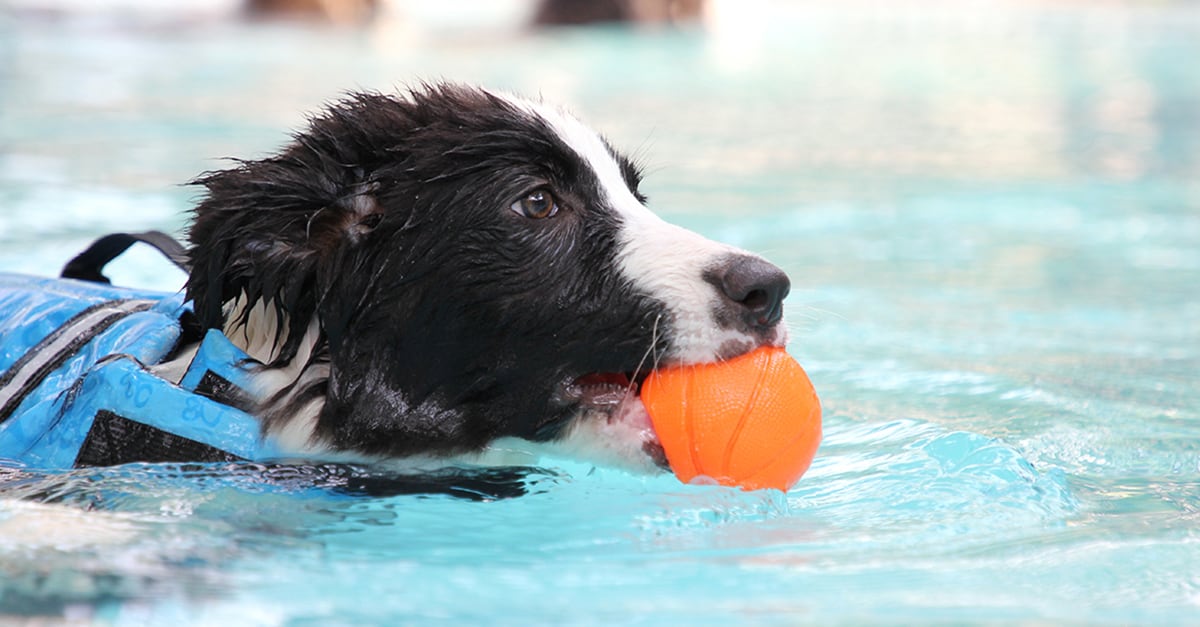
Image Source: www.diamondpet.com
Ask the Vet: Can A Dog Dry Drown? Facts and Fiction
Yes, a dog can experience health problems hours after being in water that are sometimes referred to as “dry drowning” or “secondary drowning.” While these terms are often used interchangeably by pet owners, they describe slightly different issues involving water near or in the lungs after the dog has left the water. It’s important for pet parents to know what to watch for any time their dog has been swimming or playing in water.
Grasping What Dry Drowning Means
The term “dry drowning” in dogs is often used to describe an immediate reaction. This happens right after a dog gets out of the water. It’s usually linked to inhaling a small amount of water. When this water touches the dog’s voice box area (larynx), it can cause a reflex. This reflex makes the muscles around the larynx tighten up. Think of it like the dog’s body trying to protect the lungs. It’s a spasm. This spasm can make it hard for the dog to breathe.
The key thing about “dry drowning” is that the water doesn’t actually reach the lungs. The problem is the airway closing up because of the spasm. Signs show up right away or within minutes of leaving the water.
This reaction is the dog’s body’s way of stopping water from going down the wrong pipe. But the strong reflex itself causes the breathing problem. It can be scary to see. The dog might cough a lot. They might struggle to get air. These signs are very sudden. They happen right after the water fun stops. The term dry drowning in dogs refers to this immediate laryngeal spasm event. It’s a quick response to water inhalation.
Deciphering Secondary Drowning
“Secondary drowning” is different. It’s also sometimes called delayed drowning in dogs. This problem happens when a small amount of water does get past the larynx. The water goes down into the lungs. Even a little water can cause big trouble there. The lungs are delicate. They don’t like having foreign stuff like water in them.
When water reaches the lungs, it irritates the tissues. This irritation causes the lungs to react. The body sends fluid to the area to try and deal with the irritation. This extra fluid builds up in the air sacs of the lungs. This buildup is called pulmonary edema. This makes it hard for the lungs to do their job. Their job is to put oxygen into the blood. They also take carbon dioxide out. When they are full of fluid, they can’t do this well.
The important difference here is the timing. Signs of secondary drowning don’t show up right away. They appear hours later. It could be 1 hour later. It could be 12 hours later. It could even be up to 24 hours after the dog was in the water. This is why it’s sometimes called delayed drowning in dogs. The problem is not the water going in, but the reaction of the lungs after the water is already there. The term secondary drowning dog is used for this condition.
Key Differences at a Glance
Here is a simple way to see the main points of difference:
| Feature | “Dry Drowning” | “Secondary Drowning” |
|---|---|---|
| What Happens? | Airway spasms shut it tight | Water gets into the lungs |
| Water Location | Stays near the voice box | Reaches the lungs |
| Timing | Signs appear right after water | Signs appear hours later |
| Main Problem | Airway closing reflex | Lung inflammation/fluid build-up |
Why Dogs Inhale Water
Dogs love water. They love to swim, splash, and play. But sometimes, while having fun, they can accidentally inhale water. Several things can make this happen:
- Playing too hard: A dog might gulp air and water at the same time while fetching a toy or roughhousing.
- Panicking: If a dog is scared in the water or gets tired, they might struggle. This can lead to inhaling water.
- Rough water: Waves or choppy water can make it easy to accidentally breathe in water.
- Getting dunked: If a dog goes completely underwater unexpectedly, they might inhale water when they come back up.
- Drinking while swimming: Some dogs try to drink while paddling. This can go wrong.
- Health issues: Dogs with breathing problems or flat faces (like Pugs or Bulldogs) might be more likely to inhale water. Their airways are different.
Even a small amount of water inhaled the wrong way can start the process that leads to these issues. It doesn’t take a near-drowning event. Simple play can be enough.
Spotting the Warning Signs
Knowing the symptoms of dry drowning in dogs and signs of secondary drowning in dogs is very important. It helps you act fast. Remember, dry drowning signs are quick. Secondary drowning signs are slow to appear.
Immediate Trouble Signs (Likely Dry Drowning)
These happen right after the dog gets out of the water:
- Hard coughing or gagging: The dog coughs like something is stuck in their throat. They might gag or retch. This is the most common sign of
dog inhaled water symptoms. - Trouble breathing: They might breathe fast or with effort. Their chest might heave. You might hear strange sounds when they breathe.
- Lip licking or swallowing a lot: The dog might seem uncomfortable. They keep licking their lips or trying to swallow.
- Acting scared or confused: They might seem jumpy or not act like themselves.
- Blue gums or tongue: This is a serious sign. It means they are not getting enough oxygen. Their gums or tongue might look bluish or purplish.
If you see these signs right after your dog swims, get them out of the water right away. Keep a close eye on them. If signs are severe or don’t stop quickly, call your vet right away.
Later Trouble Signs (Likely Secondary Drowning)
These signs appear hours after the dog finished swimming. This is why you must watch your dog closely for a full day after water play. These are the water in dog's lungs symptoms:
- Coughing: This is a key sign. The
dog coughing after swimmingmight start hours later. The cough might sound wet. It might sound like they are trying to clear something from their chest. Sometimes they cough up pink, foamy liquid. - Tiredness: The dog seems much more tired than usual. They might not want to play. They might just want to lie down. This is called lethargy.
- Trouble breathing: Their breathing might get fast or short. They might breathe with their mouth open even when resting. You might see their belly move a lot with each breath. This is a major sign of
signs of secondary drowning in dogs. - Acting weak: The dog might seem weak or unsteady when walking.
- Not wanting to eat: They might lose their appetite.
- Fever: Their body temperature might go up.
- Blue gums or tongue: This is a serious sign again. It means oxygen levels are low because the lungs are full of fluid.
- Behavior change: The dog might seem restless, anxious, or just “off.”
Any of these signs after water exposure should be taken seriously. They point to a problem in the lungs caused by inhaled water. This is what people mean by secondary drowning dog. It’s a medical emergency.
The Time After Swimming
A common question is how long after swimming dog dry drowning or secondary drowning can happen.
- Dry Drowning: The signs are immediate. You will see them right after the dog leaves the water, often within seconds or a few minutes. The laryngeal spasm is a quick reflex.
- Secondary Drowning: This is the one with a delay. The signs can show up anywhere from 1 hour to 24 hours after the dog is out of the water and seems fine. Most vets say the critical window is within the first 12-24 hours. It is rare for symptoms to first appear after 24 hours, though the effects can last longer if treatment is delayed. This delay is why it’s so tricky and needs careful watching after water activities. The signs develop as the body reacts to the water in the lungs.
So, if your dog swam today, you need to watch them closely for all of today and tomorrow morning. Don’t think that if they seem fine an hour later, they are completely out of danger.
When to Rush to the Vet
Knowing when to get help is key. If you see any of the delayed signs (coughing hours later, tiredness, trouble breathing) after your dog has been in water, call your vet or an emergency vet right away. Do not wait to see if they get better. Secondary drowning needs quick vet care.
Even if the signs seem mild, like just a little dog coughing after swimming a few hours later, it’s best to call. Your vet can tell you if you need to come in. It’s always safer to be too careful than not careful enough.
If your dog had immediate, severe signs right after getting out of the water (like struggling hard to breathe or blue gums), you should also call the vet right away or go to the emergency clinic. While a minor cough right after swimming might clear up, severe immediate signs need urgent help.
What the Vet Does
When you take your dog to the vet with worries about inhaled water, the vet will:
- Ask questions: They will ask about the water activity, when the signs started, and what you have seen.
- Listen to the chest: They will use a stethoscope to listen to your dog’s lungs and heart. They might hear abnormal sounds (like crackles or wheezing) that suggest fluid or swelling in the lungs.
- Check oxygen levels: They might use a small device on your dog’s ear or lip to see how much oxygen is in their blood. Low oxygen is a big worry.
- Take X-rays: Chest X-rays are often done. They can show if there is fluid or inflammation in the lungs. This is key to seeing
water in dog's lungs symptomsclearly. - Blood tests: Blood tests can check oxygen levels more precisely and look for signs of infection or how other organs are doing.
Based on these tests, the vet will decide on the best way to help your dog.
Helping Your Dog: Vet Care
Treatment depends on how bad the problem is.
- Oxygen therapy: If your dog is having trouble breathing or has low oxygen, they will likely need oxygen. This might be given through a mask, a tube in the nose, or in an oxygen cage.
- Medications:
- Medicines to help reduce swelling in the lungs might be used.
- If a bacterial infection starts (which can happen when water introduces bacteria to the lungs), antibiotics will be needed.
- Sometimes, medications to help open the airways are given.
- IV fluids: Your dog might get fluids through a vein. This helps keep them hydrated and supports their body.
- Monitoring: Dogs with secondary drowning need close watching. They might stay at the vet clinic so staff can check their breathing, heart rate, and oxygen levels often.
- Other care: Keeping the dog calm and rested is important.
Recovery time varies. It depends on how much water was inhaled and how quickly treatment started. Some dogs get better in a day or two. Others might need several days in the hospital.
Keeping Your Dog Safe: Prevention
The best way to deal with these issues is to stop them from happening. Preventing dry drowning in dogs and secondary drowning is possible with care and planning.
Here are important tips:
- Watch them closely: Never leave your dog alone near water. Always supervise them when they are swimming or playing by the edge. Stay off your phone. Pay attention.
- Use a life vest: A dog life vest is a great idea, especially for:
- Dogs who are new to swimming.
- Dogs who are not strong swimmers (like Bulldogs, Pugs, Basset Hounds).
- Older dogs.
- Dogs in rough water or deep water.
- Long swimming sessions.
A vest helps keep their head above water and makes swimming easier. This reduces the chance of them gulping water.
- Teach them how to swim: Not all dogs are natural swimmers. Slowly introduce them to water. Start in shallow areas. Make it a positive experience. Teach them how to get out of the water (where the exit is).
- Avoid overexertion: Don’t let your dog swim for too long, especially if they aren’t used to it. A tired dog is more likely to struggle and inhale water. Watch for signs of fatigue (paddling slower, head lower in the water).
- Stop them from gulping water: If your dog is trying to drink a lot while swimming, try to discourage it. Take breaks and offer fresh water away from the swimming area.
- Be careful with toys: Throwing toys far out can make a dog frantically swim and possibly inhale water when grabbing the toy or coming back. Throw toys shorter distances or only in shallow water.
- Consider water quality: Avoid stagnant or dirty water. It can have harmful bacteria that could cause infection if inhaled.
- Know your dog’s limits: Respect if your dog doesn’t like swimming. Don’t force them.
- Rinse after swimming: Rinsing your dog off helps remove salt, chlorine, or bacteria from their fur and skin. It doesn’t prevent inhaled water problems, but it’s good practice.
- Watch after swimming: This is a prevention and detection step. Keep a close eye on your dog for 24 hours after water play. Look for any of the signs mentioned earlier.
Taking these steps helps keep your dog’s water adventures safe and fun.
Real Facts, Not Scary Stories
While dry drowning in dogs and secondary drowning dog sound scary, and they are serious, it’s helpful to know the actual facts:
- It’s relatively rare: Considering how many dogs swim every day, the number of cases of true secondary drowning is small. It’s not something that happens every time a dog gets wet.
- Severity varies: Inhaling a tiny amount of water might cause a cough that quickly resolves. More water or a stronger reaction leads to more severe problems.
- Quick action matters: If it does happen, getting vet care fast makes a big difference in the outcome. Don’t delay if you see concerning signs.
- The terms are often used loosely: Many people use “dry drowning” or “secondary drowning” to mean any problem after water exposure. Vets understand these terms refer specifically to the laryngeal spasm (dry) or delayed lung issues (secondary). What’s important is recognizing any abnormal signs after swimming.
Don’t let fear stop your dog from enjoying water if they love it. Just be informed, be watchful, and be prepared to act if needed. Safe water fun is possible with the right precautions.
Frequently Asked Questions (FAQ)
h5 Can a dog get secondary drowning from a bath?
It’s highly unlikely but technically possible if a dog panicked or inhaled water while being bathed. However, the amount of water inhaled in a typical bath is usually much less than what might be accidentally inhaled while swimming or playing in a lake or pool. The risk is much, much lower.
h5 How much water does a dog need to inhale to cause these problems?
It doesn’t take a large amount. Even a small gulp that goes down the wrong way can cause irritation or a spasm. It’s more about where the water goes (near the larynx or into the lungs) and the dog’s body’s reaction to it.
h5 If my dog coughs right after swimming, should I worry?
A single cough or two right after getting out of the water might just be clearing their throat. However, persistent coughing, gagging, or any sign of breathing difficulty right after swimming should be watched closely. If it continues, is severe, or if any delayed signs appear later, call your vet.
h5 How long after swimming should I watch my dog?
You should watch your dog closely for at least 24 hours after they have been swimming or playing in water. This is the key window for delayed drowning in dogs symptoms like lethargy or coughing hours later.
h5 Is secondary drowning common in dogs?
No, it is not common. It is relatively rare, especially compared to the large number of dogs that swim safely every day. However, because it is serious when it happens, it’s important for owners to be aware of the risks and signs.