
Can a dog be too old to get fixed? No, a dog is rarely too old to get fixed. The decision to spay or neuter an older dog needs careful thought. It is safe to spay an elderly dog, but it depends on the dog’s health. A full health check is key. Vets look at many things before surgery. This helps keep your old dog safe.
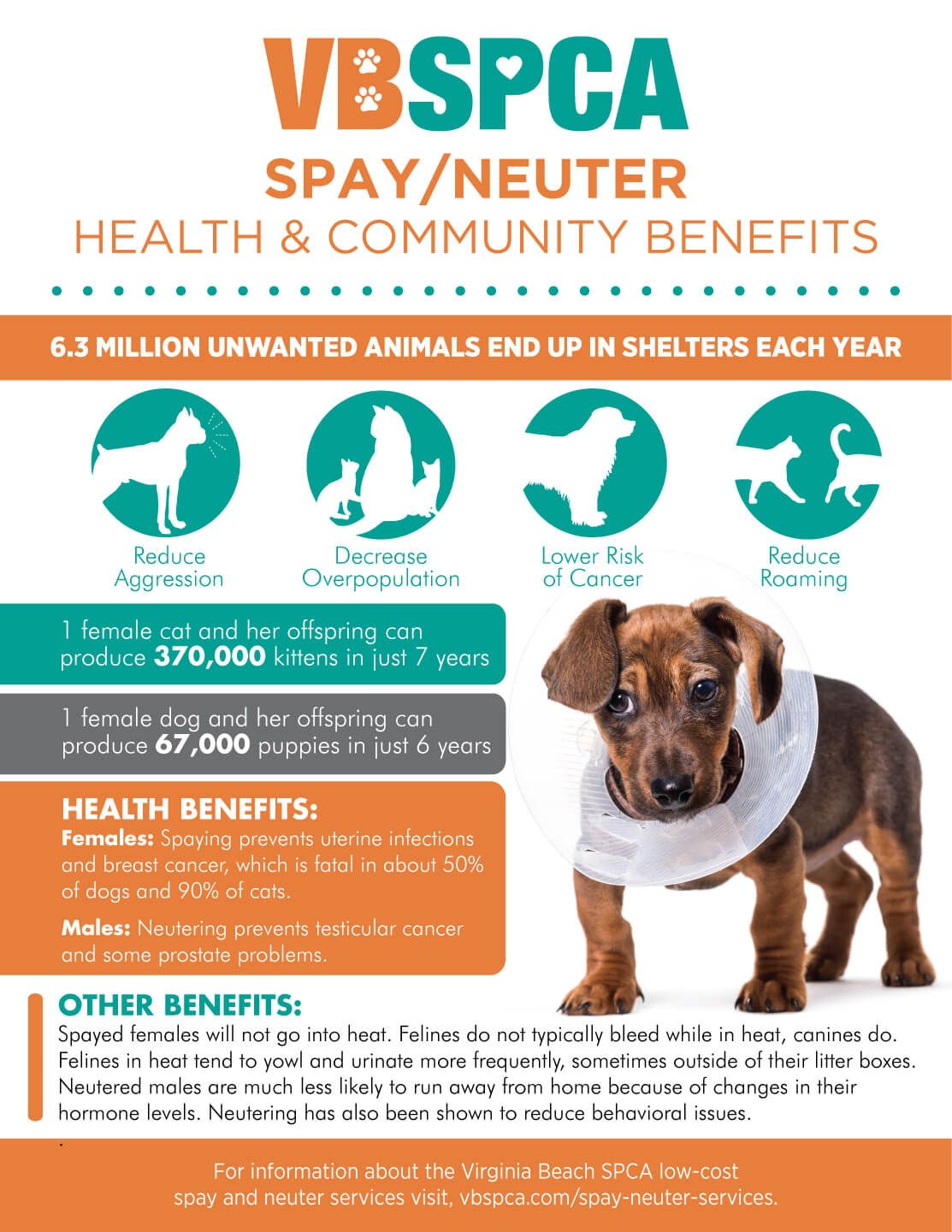
Image Source: vbspca.com
Exploring the Safety Aspects of Late-Age Pet Sterilization
Fixing a senior dog can feel scary. Many owners worry about the risks. Yet, with good vet care, it can be safe. Late-age pet sterilization has become more common. Vets now have better tools and knowledge. They work hard to lower risks for older pets. It is all about how well the dog is doing now.
Senior Dog Health Assessment Before Surgery
Before any surgery, a vet must check your dog fully. This is very important. It helps lower senior dog spay risks. It also ensures geriatric canine neutering safety. The vet will do a deep dive into your dog’s health. This is called a pre-surgical health assessment. It helps the vet make good choices.
Here are key parts of this check:
- Full Physical Exam: The vet will check your dog from nose to tail. They will listen to the heart and lungs. They will feel the belly and joints. This helps spot any issues. They will check your dog’s weight and muscle. They will look at the eyes and ears. This full check gives a good first look at overall health.
- Blood Tests: These tests look at organs like the liver and kidneys. They check blood cell counts. This shows if your dog has an infection. It also shows if organs are working well. Old dogs can have hidden problems. Blood tests can find them before surgery. These tests also make sure the blood clots well.
- Urine Tests: A urine test checks for kidney health. It can also find infections or sugar in the urine. This is important for older dogs. Kidney health matters for anesthesia. Good kidney function helps clear drugs from the body.
- Chest X-rays: These images look at the heart and lungs. They show if your dog has heart disease. They can also show lung problems. These issues can make anesthesia risky. X-rays help the vet see if the heart is too big. They can also spot fluid in the lungs.
- Electrocardiogram (ECG): An ECG checks the heart’s electrical activity. It finds heart rhythm issues. Some old dogs have heart problems. An ECG helps the vet know about them. It ensures the heart can handle surgery.
- Blood Pressure Check: High or low blood pressure can be a problem. Vets check this to plan for surgery. Stable blood pressure is vital during anesthesia. It helps keep blood flow steady to all organs.
All these tests help the vet. They show the full health picture. If tests show problems, the vet may suggest treating them first. Or, they might change the surgery plan. This careful check helps keep your dog safe during surgery. It is the very first step in making a wise choice.
Anesthesia for Older Dogs
One of the biggest worries for owners is anesthesia for older dogs. It is true that old dogs can be more sensitive to drugs. Their bodies might not clear drugs as fast. Yet, modern anesthesia is very safe. Vets use special methods for senior pets.
Here is what makes anesthesia safer for older dogs:
- Tailored Drug Choices: Vets pick specific drugs. These drugs are easier on the heart and kidneys. They wear off fast. This helps old dogs wake up quicker. They use less strong drugs for senior dogs.
- Lower Doses: Older dogs often need less anesthetic. Vets give very small, precise amounts. They watch your dog closely. The goal is to use the least amount of drug needed.
- Constant Monitoring: During surgery, your dog is watched at all times. Machines track heart rate, breathing, and blood pressure. They also check oxygen levels and body temperature. A dedicated vet nurse or tech often does this. They alert the vet to any changes. This close watch is key.
- IV Fluids: Most old dogs get fluids through a vein. This keeps them hydrated. It helps keep blood pressure steady. It also helps flush drugs from the body. This supports the kidneys and other organs.
- Temperature Control: Old dogs can get cold during surgery. Vets use warming blankets. This helps keep their body temperature normal. A normal body temperature helps with good healing. It also helps with waking up from anesthesia.
- Pain Management: Pain control starts before surgery. Dogs get pain meds before they even feel pain. This makes them more comfortable after waking up. Good pain control helps with faster healing. It also reduces stress on their bodies.
All these steps make geriatric canine neutering safety much better. It is not like it was years ago. Vets are highly trained. They know how to care for old dogs during this time. They put your pet’s safety first.
Surgical Risks in Senior Dogs
Even with all the safety steps, some risks remain. These risks are usually low, but they are there. For senior dogs, these risks might be a bit higher. This is true for any surgery. A vet will always discuss these potential issues with you.
Common surgical risks include:
- Bleeding: Any surgery can cause bleeding. Vets are careful to stop bleeding. Older dogs with some health issues might bleed more. This is why blood tests for clotting are vital.
- Infection: Bacteria can enter the surgical site. Vets use sterile tools. They also give antibiotics if needed. Keeping the area clean after surgery is also important to prevent infection.
- Pain and Swelling: Some pain and swelling are normal. Pain meds help keep your dog comfy. Swelling should not be extreme. If it is, tell your vet.
- Slow Recovery: Older dogs might take longer to heal. Their bodies work a bit slower. Rest and good care are key. They might feel tired for a few days. Patience is important during this time.
- Drug Reactions: Very rarely, a dog can react badly to a drug. This is why close monitoring is so important. Vets are ready to act fast if this happens.
- Wound Opening (Dehiscence): If a dog is too active, or licks the incision, the stitches can open. This needs more vet care.
The vet will talk to you about these risks. They will explain how they plan to lower them. Knowing the risks helps you make the best choice. They will focus on making the surgery as smooth as possible.
Benefits of Fixing Senior Dogs
You might wonder, “Why fix an old dog at all?” There are many good reasons. The benefits of fixing senior dogs are clear. They can greatly improve your dog’s health and life quality. These benefits often outweigh the risks.
Health Benefits for Females
For female dogs, spaying can stop serious health issues. These are very common in older intact females.
- Pyometra: This is a life-threatening infection of the uterus. It is very common in older female dogs who are not spayed. The uterus fills with pus. It makes the dog very sick. Signs include drinking lots of water, peeing a lot, no appetite, and being very tired. Emergency surgery is often needed. This surgery is much riskier than a planned spay. Spaying prevents pyometra completely. This is a huge benefit for older females. It often saves their lives.
- Mammary Tumors: These are breast cancers. Female dogs not spayed have a higher chance of getting them. Spaying greatly lowers this risk. If done when young, the risk is very low. Even late spaying can help. It can slow the growth of some existing tumors. It stops new ones from forming. These tumors can spread to other parts of the body.
- Uterine Cysts and Tumors: These are less common than pyometra. But spaying removes the uterus. This stops these issues too. It also removes the risk of ovarian cysts or tumors.
Health Benefits for Males
For male dogs, neutering helps prevent prostate issues and certain cancers.
- Benign Prostatic Hyperplasia (BPH): This is when the prostate gland gets bigger. It happens to almost all intact male dogs as they age. A large prostate can make it hard to poop or pee. It can cause pain. Neutering shrinks the prostate. It stops BPH.
- Perianal Adenomas: These are tumors near the anus. They are often linked to male hormones. They can get big and bleed. Neutering can make them shrink or stop them from forming.
- Testicular Cancer: Neutering removes the testicles. This means testicular cancer is impossible. This is a common cancer in older intact males. If a testicle has not dropped (cryptorchid), the risk of cancer is even higher. Neutering removes this risk.
- Hernias: Neutering can lower the risk of certain hernias, especially those around the rectum. These are often related to straining from an enlarged prostate.
Behavioral Benefits
Neutering can also help with some behaviors. These are often driven by hormones.
- Less Roaming: Intact male dogs often try to find mates. They may escape yards. They may run into traffic. This is a big safety risk. Neutering can reduce this strong drive.
- Reduced Aggression: While not a magic fix, neutering can help with hormone-driven aggression. This is especially true for aggression towards other male dogs. It can make a dog calmer.
- Less Marking: Intact males often mark their territory with urine. This can be indoors. Neutering can reduce this behavior. It can make them cleaner house pets.
- Less Mounting: Neutering can also reduce unwanted mounting behaviors. This is when dogs try to “mount” people, other dogs, or objects.
Population Control
Even an old dog can add to pet overpopulation. An intact male can still father puppies. An intact female can still get pregnant. Fixing them helps control the pet population. It means fewer unwanted animals in shelters. This is a big win for all dogs. It stops the cycle of unwanted litters.
Weighing the Decision: Spaying Versus Not Spaying an Old Dog
Deciding to fix an older dog is a big step. You need to weigh the pros and cons. This is about spaying versus not spaying an old dog. There is no single right answer for everyone. It depends on your dog and your family.
Factors to Consider:
- Your Dog’s Overall Health: This is the most vital point. Is your dog generally healthy for their age? Do they have energy? Are they active? Or do they have many health problems? A very sick dog might be too risky for surgery. The vet’s full assessment will guide this.
- Presence of Existing Conditions: Does your dog have heart disease? Kidney failure? Severe arthritis? These conditions add to the surgical risk. The vet will tell you if the risks are too high. Sometimes, treating these conditions first can make surgery safer. For example, stabilizing a heart condition before surgery.
- Quality of Life: How will surgery affect your dog’s life? Will it fix a major problem (like pyometra)? Will it stop future suffering? If the surgery can greatly improve their quality of life, it might be worth it. Preventing a severe, painful illness can give them more healthy years.
- Your Vet’s Advice: Your vet knows your dog best. They have seen many senior pets. Listen to their honest opinion. They will tell you if the benefits outweigh the risks. They have the medical training to guide you.
- Your Own Feelings: It is okay to be worried. Talk about your fears with your vet. Make sure you feel good about the choice. You are your dog’s voice. Your comfort with the decision matters.
Ethical Considerations:
Some people feel it is not right to put an old dog through surgery. They think it is too much. Others feel it is right if it helps prevent future pain or severe illness. For example, preventing pyometra in an old female dog can save her life. It stops a very painful disease. This is a strong reason to consider surgery. The ethical choice often comes down to preventing future suffering.
It is a personal choice. Gather all the facts. Talk with your vet. Think about what is best for your dog’s future health.
Veterinary Consultation for Senior Pet Surgery
Talking to your vet is the first and most vital step. A veterinary consultation for senior pet surgery is not just a quick chat. It is a detailed meeting. You will talk about your dog’s health. You will discuss the surgery. You will get clear answers to your questions. This meeting helps you feel confident in your choice.
What to Ask Your Vet:
Prepare a list of questions before your visit. This helps you get all the info you need. Do not be afraid to ask anything on your mind.
- “Based on my dog’s tests, what are the specific risks for my dog?” Ask for details. Are there any results that concern them? Are the risks very low, moderate, or high?
- “What steps do you take to make anesthesia safe for older dogs?” Ask about monitoring equipment. Ask about drug choices. Ask about who will be monitoring the anesthesia.
- “How long will the surgery take?” Knowing the time frame helps you plan.
- “What does recovery look like for an old dog?” Will it be longer? Will my dog need special care at home? What signs of trouble should I watch for?
- “What pain control will my dog get?” Ask about before, during, and after surgery. How will pain be managed at home?
- “What are the benefits of fixing my dog at this age?” Revisit these points. Are there specific health issues they are worried about?
- “Are there any alternatives to spaying/neutering for my dog?” (More on this in the next section.) What are the pros and cons of those?
- “What is the cost?” Get a clear estimate. This includes tests, surgery, meds, and follow-up. Make sure you understand all parts of the cost.
- “What is your experience with late-age pet sterilization?” It is good to know they have done this many times. Ask how often they perform these procedures.
A good vet will take the time to answer all your questions. They will help you feel at ease. They will provide a clear plan. They might even suggest another opinion if they feel it is needed. This full talk helps you make the best, most informed decision.
Alternatives to Spaying an Old Dog
Sometimes, surgery might not be the best choice. This could be due to very high risks. Or, it could be your personal choice. It is important to know about alternatives to spaying an old dog. Keep in mind that these are often about managing risks, not fully preventing them. They often come with their own set of challenges.
For Female Dogs (Non-Surgical Options)
For female dogs, there are very few true “alternatives” to surgical spaying. The main goal of spaying an older female is to prevent pyometra and mammary cancer. Non-surgical options do not prevent these serious issues.
- Medical Management of Pyometra: If a female dog gets pyometra, surgery is usually the only cure. In very rare cases, if the dog is too sick for surgery, vets might try to treat it with strong antibiotics and fluids. But this is not a reliable solution. It often fails. It does not prevent pyometra from coming back. It is not a way to prevent pyometra. It is a last resort treatment for a severe, existing problem.
- Close Monitoring: If you choose not to spay, you must watch your dog very closely. Watch for signs of pyometra, especially after a heat cycle. These signs include:
- Drinking more water.
- Peeing more often.
- Lack of energy.
- Not eating.
- Vomiting.
- Swollen belly.
- Pus-like discharge from the vagina (if it’s an open pyometra).
If you see these signs, get to the vet right away. Time is critical with pyometra.
- Hormone Therapies: In some specific cases, vets might use hormone shots to manage heat cycles. But this is not common. It is not a long-term solution. It carries its own risks. It does not stop pyometra or mammary tumors. These treatments are often more complex and less safe than spaying.
The truth is, for female dogs, no true “alternative” exists to fully stop pyometra and greatly lower cancer risk besides spaying. The ‘alternatives’ are mostly about managing problems if they arise, which is far riskier and less effective.
For Male Dogs (Non-Surgical Options)
For male dogs, there are more medical options compared to females, though surgical neutering remains the gold standard.
- Medical Management of Prostate Issues: If a male dog has an enlarged prostate (BPH), medicines can help. These drugs can shrink the prostate. They make it easier to poop. But they must be given for life. They do not prevent cancer. They only manage the symptoms of BPH.
- Close Monitoring: Watch for signs of prostate problems. These include:
- Straining to poop.
- Ribbon-like poop.
- Blood in urine.
- Frequent urination.
- Limping in the back legs.
Also, check for lumps around the anus (perianal adenomas). Report any changes to your vet quickly.
- Chemical Sterilization (Deslorelin Implants): For male dogs, there are implants that can stop sperm production. They work by releasing a hormone. They make the dog infertile for 6-12 months. This is often used in Europe. It is less common in the US. It can stop prostate growth. It reduces male behaviors. It is not a permanent solution. It must be repeated. It also does not remove the testicles. So, testicular cancer is still a risk. It is a way to get the effects of neutering without surgery for a time. It can be a good option if surgery is truly too risky. It helps see how the dog reacts to lower male hormones.
- Vasectomy: This procedure makes a male dog infertile but keeps his testicles and hormone production. It prevents puppies but does not stop hormone-related health issues like prostate disease or testicular cancer. This is very rare in pet dogs.
It is important to discuss these options with your vet. They can help you decide if one of these pathways is right for your dog. For most, surgical sterilization is the best, safest option. It offers the most full and long-term protection.
Post-Operative Care for Senior Dogs
After surgery, taking care of your senior dog is very important. Good post-op care helps them heal well. It lowers the chance of problems. Your vet will give you specific instructions. Follow them closely. This is vital for a smooth recovery.
Here are general tips for care after surgery:
- Quiet Rest Area: Set up a soft, quiet, warm place for your dog. It should be away from noise and other pets. A crate or a small room is ideal. This helps them rest and not move too much. Limit stairs and jumping.
- Pain Medication: Your vet will give you pain medicine. Give it exactly as told. Do not skip doses. Pain control makes your dog more comfortable. It helps them recover faster. Give it with food if instructed.
- Monitor the Incision: Check the surgical cut every day. Look for swelling, redness, or discharge. A small amount of redness is normal. But a lot of swelling, pus, or bad smell needs vet attention. Do not let your dog lick or chew the incision. An E-collar (cone) is usually needed. Keep it on as advised.
- Activity Restriction: Your dog needs to take it easy. No running, jumping, or playing. Keep walks short and on a leash. Do not let them use stairs if possible. This protects the incision. It helps it heal without tearing. This might last 10-14 days.
- Eating and Drinking: Offer small amounts of water soon after getting home. If no throwing up, offer a small meal later. Your vet might suggest a bland diet for the first day. This can be boiled chicken and rice.
- Watch for Problems: Look for any signs of trouble. These include:
- Not eating or drinking.
- Lots of throwing up or diarrhea.
- Extreme tiredness.
- Trouble breathing.
- Pale gums.
- Shivering or shaking.
- Pain that seems to be getting worse.
If you see these, call your vet right away. Do not wait.
- Follow-Up Vet Visits: Your vet will likely want to see your dog for a check-up. This is usually about 10-14 days after surgery. They will check the incision and remove any stitches if needed. This visit confirms good healing.
Taking good care of your senior dog after surgery makes a big difference. It helps them get back to their normal, happy self. Your care is key to their quick healing.
Deciding on Sterilization for Your Older Canine
The choice to spay or neuter an older dog is a deep one. It balances many factors. It is about extending a good life. It is about preventing serious illness. It is also about managing the risks of surgery. We have explored the safety measures. We have looked at the benefits. We have also thought about the alternatives.
For most senior dogs who are generally healthy, surgery is a safe option. The health benefits, especially preventing life-threatening conditions like pyometra, are huge. Modern vet medicine has come a long way. Anesthesia is safer than ever before. Vets are highly skilled. They put your dog’s well-being first.
Always have an open and honest talk with your vet. They are your best guide. They can give you the clearest picture of your dog’s health. They will help you make a choice that is right for your beloved old friend. This choice ensures they live their later years as healthy and happy as possible.
Frequently Asked Questions (FAQ)
Q: How long is recovery for an older dog after spay/neuter surgery?
A: Recovery times can differ. Older dogs often take a bit longer to heal than young ones. Expect 10 to 14 days of quiet rest. Full recovery might take a few weeks. Your vet will give you a clear timeline. Follow their specific instructions for the best outcome.
Q: Are there non-surgical options for old dogs?
A: For female dogs, no safe, long-term non-surgical way to stop pyometra exists. For male dogs, chemical implants can offer temporary sterilization effects. They can help with prostate issues. But they do not remove the risk of testicular cancer. They are not permanent. Discuss these with your vet.
Q: What makes an older dog a higher risk for surgery?
A: An older dog becomes a higher risk if they have other health problems. These include heart disease, kidney issues, liver problems, or very poor general health. Poor organ function makes anesthesia harder on the body. This is why full health checks are so vital before surgery.
Q: At what age is a dog considered “senior”?
A: “Senior” age varies by breed size.
* Small breeds (under 20 lbs): 10-12 years and up.
* Medium breeds (20-50 lbs): 8-10 years and up.
* Large breeds (50-90 lbs): 6-8 years and up.
* Giant breeds (over 90 lbs): 5-7 years and up.
Your vet will look at your dog’s overall health and vitality, not just their age. They will make a call if your dog is “senior” for surgery purposes.
Q: Will fixing my old dog change their personality?
A: Neutering usually affects behaviors linked to hormones. For males, this means less roaming, marking, or aggression toward other males. For females, no more heat cycles or related stress. It rarely changes a dog’s basic personality. They will still be your loving companion. Any changes are usually for the better.
Q: Is it too late to get my 10-year-old dog fixed?
A: No, it is generally not too late. Many 10-year-old dogs are good candidates for surgery. The key is their overall health. Your vet will do a full check-up. They will make sure your dog is healthy enough for the procedure. The benefits can still be very strong at this age. Especially for female dogs at risk of pyometra.