
Senior Dogs: Can A Dog Be Too Old To Be Spayed Safely?
Can a dog be too old to be spayed safely? No, a dog is generally not too old to be spayed safely, but the process needs careful thought. Age itself is not the main limit. A dog’s health matters more. A thorough check-up by your vet is vital before any surgery. They will look at your dog’s full health picture. This helps decide if spaying is a good and safe choice. Older dogs can often get spayed. But it needs more care and planning than for younger dogs.
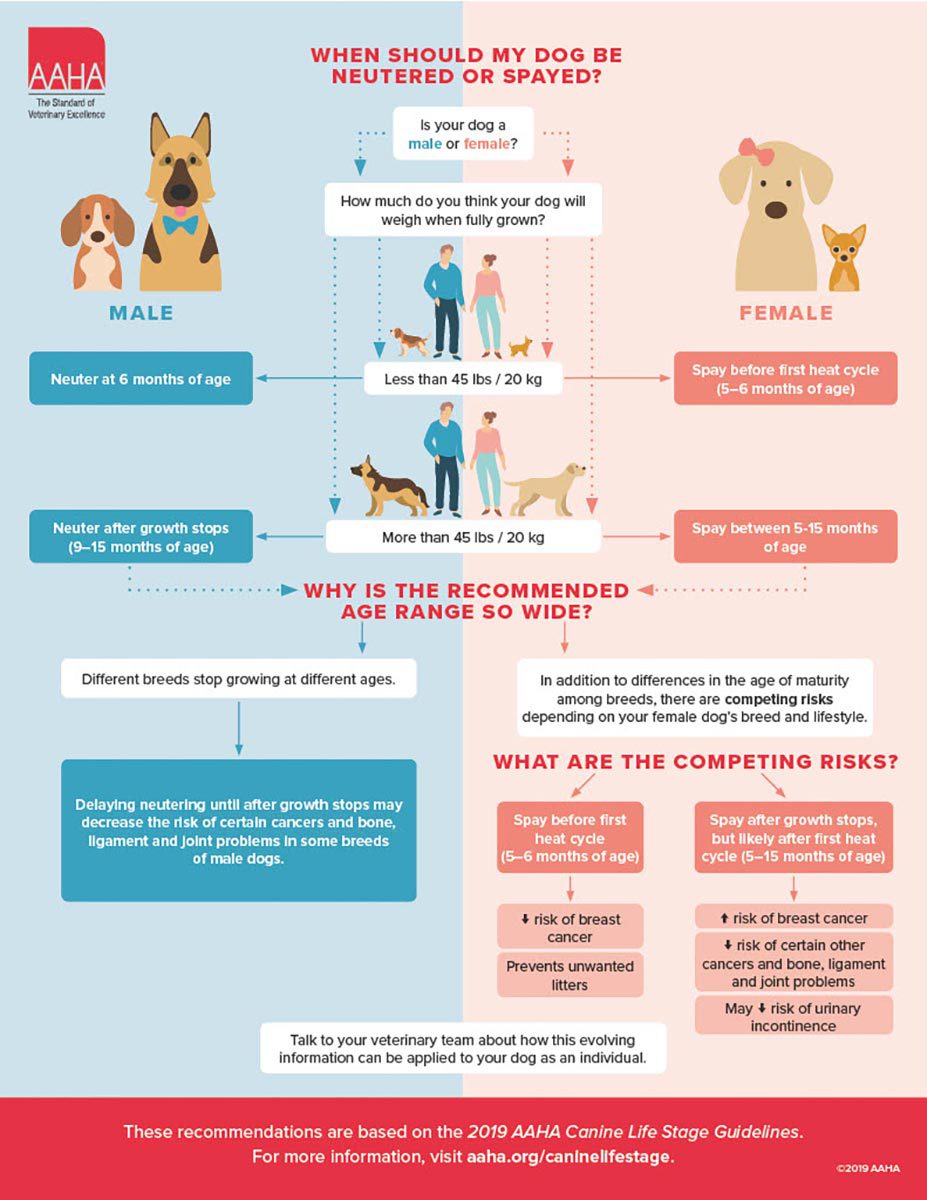
Image Source: southeastoakvillevet.ca
Deciphering the Question: Is There an Age Limit for Dog Spaying?
Many people ask if there is a cut-off age for spaying a dog. The simple answer is no. There is no set age where a dog suddenly becomes too old to be spayed. Instead, a vet looks at each dog as an individual. An older dog might be healthier than a younger one. The decision rests on the dog’s overall health. It depends on their heart, kidneys, and other organs. These are the key things a vet checks. Your vet will do a full exam. They will check blood work too. This helps them know if your dog can handle the surgery. They will also think about the Senior dog spay risks. These risks must be weighed against the benefits. Sometimes, not spaying an older dog carries bigger risks. For example, severe infections like pyometra. This can be deadly. So, age is just a number. Health is what truly counts.
Benefits of Spaying Older Dogs
Spaying an older dog offers many key health perks. These benefits often outweigh the risks. This is especially true for unspayed older females.
-
Pyometra Prevention Older Dogs: This is one of the most vital reasons. Pyometra is a serious womb infection. It is very common in older, unspayed female dogs. The womb fills with pus. It can be open or closed. A closed pyometra is more dangerous. The pus has no way out. It can make your dog very sick. It can even kill them. This infection is an emergency. It needs surgery right away. This emergency surgery is often much riskier. It is riskier than a planned spay. Spaying removes the womb. This means pyometra cannot happen. For older dogs, this prevention is a huge plus. It saves them from a life-threatening illness.
-
Mammary Cancer Spay Age and Risk Reduction: Spaying helps prevent breast tumors. These tumors are common in unspayed female dogs. About half of these tumors are cancer. The sooner a dog is spayed, the lower the risk. Spaying before the first heat cycle almost stops the risk. But spaying later can still help. It reduces the chance of new tumors. It can also slow the growth of existing ones. In older dogs, spaying might still lower the risk of future tumors. It can make existing tumors grow slower. It removes the hormones that fuel these cancers. This hormone removal is a big part of spaying. It protects their health long-term.
-
Preventing Unwanted Pregnancies: Even older dogs can get pregnant. This is true if they still have heat cycles. Pregnancy is hard on an older dog’s body. It puts a lot of stress on them. Spaying stops all heat cycles. It prevents any chance of pregnancy. This keeps older dogs safer and healthier. It also means no more puppies to find homes for.
-
Behavioral Perks: Spaying can calm down some female dogs. It can reduce heat-related behaviors. These include howling, pacing, or trying to escape. They may also be less attractive to male dogs. This makes life calmer for both dog and owner. It can reduce stress for the dog.
-
Other Health Issues: Spaying removes the ovaries. This stops certain hormone-related problems. These can include ovarian cysts or tumors. While less common than pyometra or mammary cancer, they are serious. Spaying removes these risks entirely. It is a full removal of risk.
Overall, the benefits of spaying older dogs are clear. They greatly boost an older dog’s quality of life. They prevent painful and deadly diseases. This makes the thought of spaying worthwhile. It means thinking past the risks.
Senior Dog Spay Risks
While spaying offers many perks, it also comes with risks. These risks are higher for older dogs. It is important to know them. This helps you make a choice.
-
Anesthesia for Senior Dogs: This is the main concern. Older dogs may not handle anesthesia as well. Their organs might not work as perfectly. This means the liver and kidneys. These organs break down the drugs. If they are slower, drugs stay in the body longer. This can cause problems. Also, older dogs may have heart disease. Anesthesia can stress the heart. It can also cause changes in blood pressure. Vets must be very careful with older dogs. They use special anesthetic plans. They watch the dog very closely. They monitor their heart rate, breathing, and blood pressure. This care lowers the risk a lot.
-
Longer Recovery Time Senior Dog Spay: Older dogs heal more slowly. Their bodies take longer to mend. This means their recovery time after spay surgery can be longer. They might feel sore for more days. They might be slower to get back to normal. This means more care is needed at home. They need more rest. Their owners must watch them closely. They need extra patience during this time.
-
Underlying Health Problems: Older dogs often have hidden health issues. These can be mild kidney disease. Or early heart problems. Sometimes, these issues only show up during surgery. Or during recovery. The stress of surgery can make them worse. This is why pre-surgical blood work older dogs is so important. It helps vets find these issues early. They can then plan for them.
-
Bleeding: Any surgery carries a risk of bleeding. Older dogs may have weaker blood vessels. Or they might have clotting problems. This can make bleeding during surgery more serious. Vets take steps to control bleeding. But it is still a risk to know about.
-
Infection: Like any surgery, there is a risk of infection. The surgical site can get infected. Older dogs might have weaker immune systems. This can make them more prone to infection. Vets use sterile tools. They give antibiotics if needed. This helps prevent infection.
-
Pain Management: Older dogs may have other painful conditions. Arthritis is common. Surgery adds more pain. Vets use good pain medicine. They make sure the dog is comfortable. But owners must watch for signs of pain at home. They must give pain meds as directed.
Knowing these risks is key. But remember, vet teams are skilled. They take many steps to reduce these risks. They do careful checks. They use safe methods. They watch the dog closely.
Navigating the Anesthesia for Senior Dogs
Anesthesia for senior dogs is a major point of care. It needs careful planning. Vets take extra steps to keep older dogs safe. They use the latest methods and tools.
-
Full Health Check: Before any drugs are given, the vet does a full exam. This includes listening to the heart and lungs. They check overall body condition. They look for any signs of illness.
-
Pre-Surgical Blood Work Older Dogs: This is a must-do. Blood tests check organ function. They look at the liver and kidneys. These organs process the anesthesia drugs. Good results mean the organs can handle the drugs. Blood tests also check for anemia. They look at blood clotting ability. This helps prevent bleeding problems.
-
Tailored Anesthesia Plan: Not all dogs get the same drugs. The vet chooses drugs based on the dog’s health. They pick drugs that are easier on the heart and organs. They use lower doses if needed. They might use more than one drug type. This allows them to use less of each.
-
Close Monitoring: During surgery, the dog is watched very closely. A trained vet tech often does this. They use special machines.
- Heart Rate: Checks how fast the heart beats.
- Breathing Rate: Checks how fast the dog breathes.
- Blood Pressure: Makes sure blood flows well to organs.
- Oxygen Levels: Shows if the dog is getting enough air.
- Body Temperature: Keeps the dog warm. Anesthesia can lower body temp.
- ECG (Electrocardiogram): Checks the heart’s electrical activity. It shows if the heart rhythm is normal.
-
IV Fluids: Most senior dogs get fluids through a vein. This keeps them hydrated. It helps keep blood pressure steady. It also helps flush drugs out of the body.
-
Pain Management: Pain medicine is given before, during, and after surgery. This keeps the dog comfortable. Less pain means a smoother recovery.
-
Warmth: Older dogs lose body heat faster. Vets use warming blankets or air warmers. Keeping them warm helps recovery.
These extra steps make anesthesia much safer for older dogs. They greatly lower the senior dog spay risks.
Geriatric Dog Surgery Considerations: What Vets Look For
When a senior dog needs surgery, vets look at many things. Their goal is to make the surgery as safe as possible. They think about the dog’s full life.
-
Pre-Surgical Blood Work Older Dogs: This is not just a good idea; it is vital.
- Complete Blood Count (CBC): This checks red blood cells, white blood cells, and platelets. Red cells carry oxygen. White cells fight infection. Platelets help blood clot. Low red cells (anemia) can make anesthesia riskier. Low platelets mean bleeding problems.
- Chemistry Panel: This checks organ function. It shows how well the liver and kidneys are working. It checks blood sugar, protein levels, and electrolytes. Problems here can mean the dog cannot handle drugs well. Or that they might have problems during or after surgery.
- Thyroid Test: Some older dogs have low thyroid hormone. This can affect heart rate and metabolism. It can affect how drugs are used. Checking it helps plan for surgery.
- Urinalysis: This checks kidney function. It can show if there’s an infection.
- Coagulation Profile: This test checks how well the blood clots. It is key for older dogs. Some older dogs have clotting problems. This can lead to too much bleeding during surgery.
-
Physical Exam: The vet will do a very thorough nose-to-tail check.
- Heart and Lungs: They listen carefully. They check for murmurs, abnormal rhythms, or breathing issues.
- Joints: They check for arthritis. This can affect how the dog moves after surgery.
- Dental Health: Poor teeth can hide infections. These can spread to other body parts.
- Weight and Muscle Mass: Very thin dogs might have a harder time recovering. Very overweight dogs also have higher risks.
-
Addressing Existing Health Issues: If the dog has a known illness, the vet will manage it first. For example, if a dog has heart disease, they might get heart medicine before surgery. If they have a dental infection, they might get antibiotics. These steps make the dog stronger for surgery.
-
Imaging (X-rays, Ultrasound): Sometimes, the vet might want more tests.
- Chest X-rays: These check the heart and lungs. They can show if there is fluid around the lungs or if the heart is too big. This helps check for heart disease.
- Abdominal Ultrasound: This can check the internal organs. It can help find issues not seen on blood tests. It is good for checking the womb if pyometra is feared.
-
Discussion with Owner: The vet will talk in detail with you. They will explain all findings. They will talk about the risks and benefits. They will help you make the best choice for your dog. They will explain the post-surgery care too.
Here is a table showing typical pre-surgical tests for a senior dog:
| Test Type | What It Checks | Why It Matters for Senior Spay |
|---|---|---|
| Complete Blood Count (CBC) | Red and white blood cells, platelets | Anemia, infection, blood clotting ability |
| Chemistry Panel | Liver, kidney function, blood sugar, electrolytes | Organ health for drug processing and overall stability |
| Thyroid Test | Thyroid hormone levels | Affects metabolism, heart rate, drug clearance |
| Urinalysis | Kidney function, urinary tract infection | Kidney health, potential for infection |
| Coagulation Profile | Blood clotting ability | Risk of excess bleeding during or after surgery |
| Chest X-rays | Heart size, lung health | Checks for heart disease, fluid in lungs, breathing problems |
These steps show how much care goes into spaying an older dog. It is a full plan for safety.
The Surgical Process and Aftercare
The spay surgery itself is quite routine. But for an older dog, every step is done with extra care. After the surgery, good home care is key for a smooth recovery.
-
During Surgery:
- The dog is fully asleep.
- A breathing tube is placed. This helps them breathe well. It also delivers oxygen and gas anesthesia.
- Vital signs are watched closely. This includes heart rate, breathing, blood pressure, and oxygen levels.
- IV fluids are given throughout.
- The vet makes a cut on the belly.
- The ovaries and womb are removed.
- The vet checks for any abnormal bleeding.
- The layers of tissue are stitched back together. This includes the muscle, fat, and skin.
- Pain medicine is given during the surgery. This helps the dog wake up more comfortably.
-
Pain Management: Pain control is vital. Dogs get pain medicine before, during, and after the spay. This might be a mix of shots and pills. You will likely get pain pills to give at home. Give them exactly as your vet tells you. This keeps your dog comfortable. It helps them heal faster.
-
Recovery Time Senior Dog Spay: This can vary. Younger dogs bounce back fast. Older dogs need more time.
- First 24-48 hours: Your dog will be sleepy. They might be a bit unsteady. They should have a quiet, warm place to rest. Offer small amounts of water and food. They might not eat much at first.
- First 7-10 days: This is the main healing period.
- Restrict activity: No running, jumping, or rough play. Keep them on a leash for potty breaks. Avoid stairs if possible. This prevents strain on the incision.
- Monitor the incision: Check it daily. Look for redness, swelling, discharge, or open areas. A small amount of redness is normal. But any serious changes need a vet visit.
- Prevent licking: Dogs must not lick their incision. Licking can cause infection. It can open stitches. An E-collar (cone) is usually needed. Keep it on all the time.
- Medication: Give all medicines as told by the vet. This includes pain relief and any antibiotics.
- Appetite and elimination: Make sure they are eating, drinking, peeing, and pooping normally.
- Full recovery: It can take 2-3 weeks for an older dog to be fully back to normal. Their energy levels might be lower for a while. Follow your vet’s advice on when to return to normal activity.
-
Monitoring at Home:
- Watch for signs of trouble:
- No eating or drinking for more than a day.
- Vomiting or diarrhea.
- Lethargy (very sleepy, no energy).
- Trouble breathing.
- Pale gums.
- Large swelling or bleeding from the incision.
- Fever (ask your vet what temperature is too high).
- If you see any of these, call your vet right away.
- Watch for signs of trouble:
Good aftercare makes a big difference. It helps prevent problems. It helps your senior dog heal well and comfortably.
The Weight of Veterinary Advice Spaying Older Female Dog
The decision to spay an older female dog is never taken lightly. It needs close talks with your vet. Their advice is based on their knowledge and your dog’s health.
-
Open Discussion: Tell your vet all your worries. Ask every question you have. Your vet should explain everything clearly. They will discuss the specific risks for your dog. They will also talk about the specific benefits for your dog. This might include preventing pyometra or managing mammary tumors.
-
Risk Assessment vs. Benefit Assessment: Your vet will weigh the risks of surgery against the risks of not spaying. For an older, unspayed female, the risk of pyometra is high. It can be deadly. Emergency pyometra surgery is much riskier than a planned spay. So, spaying, while having risks, often lowers the overall danger to the dog. The vet helps you see this balance. They help you compare “doing nothing” versus “doing surgery.”
-
Tailored Care Plans: Every senior dog is unique. The vet will create a plan just for your dog. This plan includes:
- Specific pre-surgical tests.
- Choice of anesthesia.
- Special monitoring during surgery.
- Detailed pain management plan.
- Clear instructions for home care.
- Follow-up visits.
-
What if There Are Concerns? If your dog has a serious health issue, your vet might suggest other options. They might advise against surgery if the risks are too high. But they will always try to find the safest way. Sometimes, a vet might suggest delaying surgery. They might want to treat a condition first. This makes the dog stronger for the operation. Trust your veterinarian advice spaying older female dog. They are the best person to guide you. Their goal is your dog’s best health.
Pyometra: A Silent Threat for Older Unspayed Dogs
Pyometra is a severe infection of the womb (uterus). It is a very serious and common illness in older, unspayed female dogs. It is crucial to understand this condition when thinking about spaying an older dog.
-
What is Pyometra?
- It means “pus in the womb.”
- It happens when bacteria enter the womb. This usually happens during or after a heat cycle.
- Hormonal changes in unspayed females make the womb lining thicken. This creates an ideal place for bacteria to grow.
- The womb fills with pus.
-
Why It’s More Common and Dangerous in Older Dogs:
- Repeated Heat Cycles: Every heat cycle changes the womb. Over years, these changes make the womb more prone to infection.
- Weakened Immune System: Older dogs often have weaker immune systems. This makes them less able to fight off infections.
- “Closed” vs. “Open” Pyometra:
- Open Pyometra: The cervix (opening of the womb) stays open. Pus can drain out. You might see a bad-smelling discharge. This form is often less immediately life-threatening. But it still needs urgent care.
- Closed Pyometra: The cervix is closed. The pus cannot drain. It builds up inside. This form is much more dangerous. The womb can rupture. Toxins from the infection can leak into the bloodstream. This leads to sepsis. Sepsis is a body-wide infection. It can cause organ failure and death very quickly.
- Symptoms: Owners might see:
- Increased thirst.
- Increased urination.
- Loss of appetite.
- Lethargy (tiredness).
- Vomiting.
- Fever.
- Swollen belly.
- Vaginal discharge (only in open pyometra).
- These signs can be vague at first. This makes it hard to spot. By the time signs are clear, the dog can be very sick.
-
Emergency Surgery vs. Elective Spay:
- Emergency Pyometra Surgery: If a dog gets pyometra, she needs emergency surgery. This is often called an “emergency spay.” It means the womb, full of pus, must be removed quickly. This surgery is much riskier than a planned, elective spay.
- The dog is already sick. She might be dehydrated or in shock.
- The womb is larger and more fragile. It can break easily.
- The surgery takes longer. It is more complex.
- Recovery is often harder.
- Elective Spay: A planned spay is done when the dog is healthy. The womb is normal size. There is no infection. This makes the surgery safer. It makes recovery easier.
- Emergency Pyometra Surgery: If a dog gets pyometra, she needs emergency surgery. This is often called an “emergency spay.” It means the womb, full of pus, must be removed quickly. This surgery is much riskier than a planned, elective spay.
Thinking about pyometra shows why spaying an older dog can be a lifesaver. It removes the risk of this deadly disease entirely. It is a key part of pyometra prevention older dogs.
Mammary Tumors and Spaying: A Closer Look
Mammary tumors, or breast lumps, are common in unspayed female dogs. Spaying plays a big role in preventing them. Let’s explore how.
-
How Spaying Early Prevents Them:
- Mammary glands are sensitive to hormones. Estrogen and progesterone fuel tumor growth.
- Spaying removes the ovaries. The ovaries produce these hormones.
- When a dog is spayed very young, before her first or second heat cycle, she has very little exposure to these hormones. This greatly reduces her risk of getting mammary tumors later in life. The risk becomes almost zero.
-
Impact of Spaying Later on Mammary Cancer Risk:
- If a dog has had several heat cycles, her risk of mammary tumors goes up.
- Spaying an older dog will not remove the risk entirely. But it can still help.
- It removes the constant hormone exposure. This can stop new tumors from forming. It might also slow the growth of any existing tumors.
- Even if a dog already has mammary tumors, spaying is often still advised. It can improve the dog’s overall health. It reduces the chance of new tumors. It can also help if the current tumors are hormone-sensitive. This is part of the Mammary cancer spay age discussion.
-
If Tumors Are Already Present:
- If your older dog already has mammary lumps, your vet will check them.
- They might do a biopsy. This means taking a small sample to test. This tells if the lump is benign (not cancer) or malignant (cancer).
- If the lumps are cancerous, surgery to remove them is often needed.
- Your vet might still advise spaying at the same time. This is because spaying removes the hormone source. This can help prevent other lumps from growing. It can also reduce the chance of the cancer coming back or spreading.
- For very old or sick dogs with tumors, the vet might decide that surgery is too risky. They might suggest other ways to manage the tumors. But spaying often goes hand in hand with mammary tumor removal. It is a vital part of long-term care.
This shows that even for older dogs, spaying can still protect against cancer. It reduces the risk of this very common problem.
Conclusion
Deciding whether to spay an older dog is a big step. There is no age limit for dog spaying. Instead, your dog’s health is the main thing. While senior dog spay risks exist, such as those related to anesthesia for senior dogs, these are often less than the risks of not spaying. Conditions like pyometra prevention older dogs are serious. They can be deadly. Spaying completely stops this threat. It also helps lower the risk of mammary cancer, even if a dog is spayed later in life.
Geriatric dog surgery considerations are important. They include thorough pre-surgical blood work older dogs and careful monitoring. The recovery time senior dog spay might be longer, needing more patience and home care. Always talk to your vet. They are the best source of veterinarian advice spaying older female dog. They will do a full check-up. They will discuss all the pros and cons. They will create a plan that fits your dog’s specific needs. Spaying can lead to a healthier, longer life for your older dog. It brings peace of mind to owners.
Frequently Asked Questions (FAQ)
Q1: Is spaying an older dog more expensive?
A1: Yes, it can be. Older dogs often need more tests before surgery. This includes extra blood work and possibly X-rays. They also need more careful monitoring during and after the surgery. This extra care adds to the cost.
Q2: How long does spay recovery take for a senior dog?
A2: Recovery time for a senior dog spay can be 2 to 3 weeks. Younger dogs might heal faster. Older dogs need more time for their body to mend. You must limit their activity. Watch the incision closely. Give all medicines as told.
Q3: Can a senior dog get pyometra even if they are very old?
A3: Yes, absolutely. Pyometra is more common in older, unspayed female dogs. It can happen after any heat cycle. Some dogs get it when they are very old, even 10 or 12 years old or more. It is a serious, life-threatening infection.
Q4: Will spaying cure existing mammary tumors in an older dog?
A4: Spaying itself does not cure existing mammary tumors. But it can reduce the risk of new ones. It might also slow the growth of hormone-sensitive tumors. If tumors are present, they usually need to be removed surgically. Spaying is often done at the same time. This is part of the Mammary cancer spay age plan.
Q5: What if my senior dog has heart problems? Can she still be spayed?
A5: It depends on how severe the heart problem is. Your vet will do a full heart check. This might include X-rays or an ECG. They may refer you to a heart specialist. If the heart problem is mild and managed, spaying might still be an option. The vet will use special anesthesia for senior dogs that is safer for the heart. If the heart problem is severe, the risks might be too high. Your vet will give you the best advice.
Q6: What specific pre-surgical blood work older dogs need?
A6: Older dogs need a full check of their blood. This includes a Complete Blood Count (CBC). It also includes a Chemistry Panel. This panel checks liver and kidney function. Some vets also do a thyroid test and a coagulation profile (blood clotting test). These tests help find any hidden health issues. They make surgery safer.
Q7: Will my senior dog’s personality change after spaying?
A7: Spaying removes the heat cycles. This can calm down some dogs. They might be less restless or less likely to roam. This is often seen as a positive change. Spaying does not usually change a dog’s basic personality or behavior. It simply removes the hormonal shifts tied to heat.