
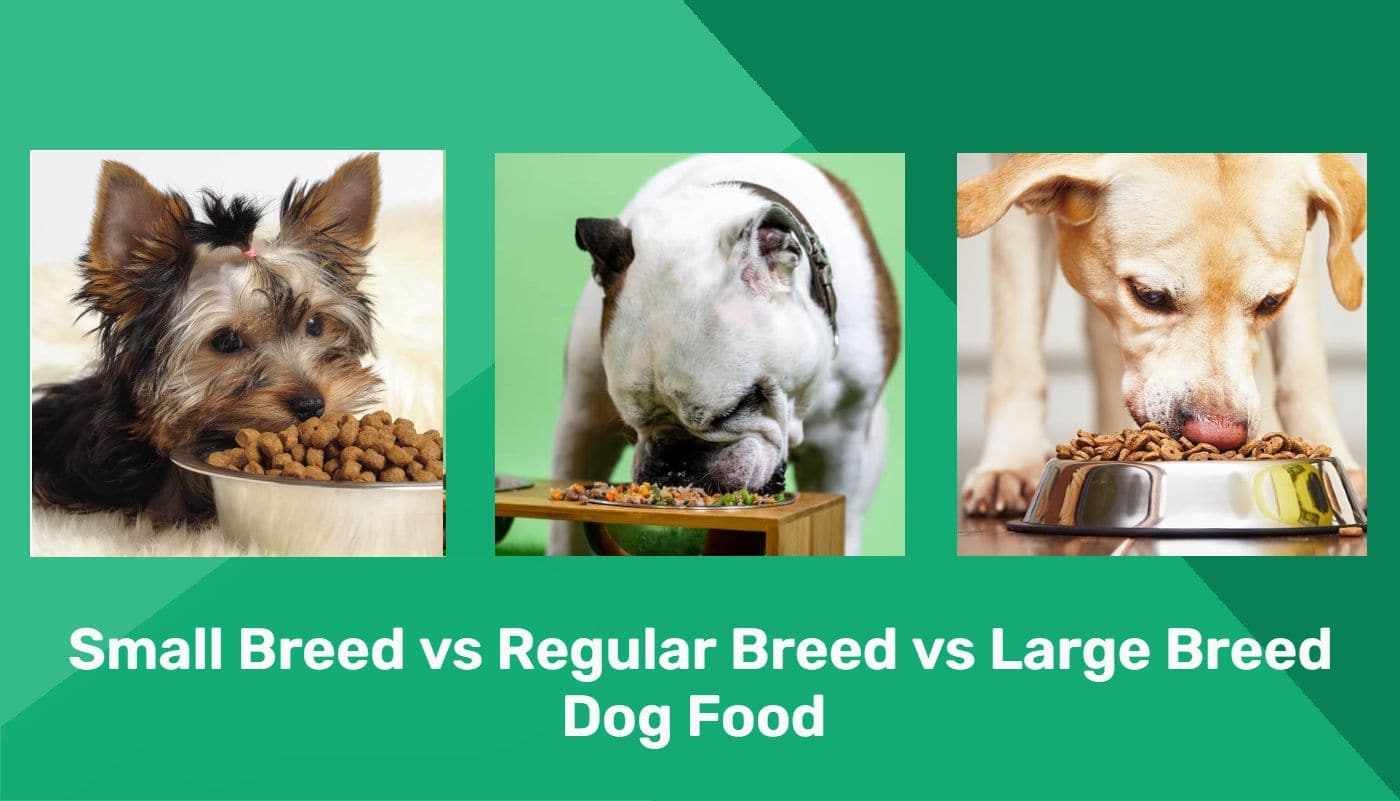
Image Source: www.dogster.com
Understanding Can Small Dogs Eat Big Dog Food: Is It Safe?
Can small dogs eat big dog food? The simple answer is that it is generally not safe or recommended for your small dog. While eating a tiny bit accidentally probably won’t hurt, big dog food is not right for small dogs as a regular meal. There are important reasons for this related to nutrition, kibble size, and how their bodies work.
Decoding Dog Food for Different Sizes
Dogs come in many shapes and sizes. Think about a tiny Chihuahua and a huge Great Dane. They are very different. Because they are so different, their bodies work in different ways. This means they need different things from their food. Dog food companies make special foods for different sizes of dogs for good reasons. They look at the needs of small dogs versus large dogs.
What Small Dogs Need in Their Food
Small dogs are often very active. They use up energy fast. Their bodies burn calories quickly. This is because they have a higher metabolism than big dogs. A high metabolism means they need food that gives them lots of energy.
Small breed dog food nutrition is designed for this. It packs many calories into each bite. This is called high caloric density. It means the food gives them the energy they need without them having to eat a huge amount. Eating a lot can be hard for tiny tummies.
Small breed food also has a special mix of protein and fat. Dogs need protein to build strong muscles. They need fat for energy and healthy skin and coat.
What Large Dogs Need in Their Food
Large dogs are different. They grow much bigger. Growing so large puts stress on their bodies, especially their bones and joints. Large breed dog food ingredients are chosen to support this.
Large breed food often has less fat than small breed food. This is because large dogs can gain weight easily. Extra weight is bad for their joints.
Large breed food also often has things like glucosamine and chondroitin. These help keep joints healthy. This is very important for big dogs because of their weight and size.
The balance of protein and fat is different. Large dogs still need protein, but the overall energy level might be lower per cup than in small dog food. This helps them grow slowly and steadily, which is better for their bones.
The Big Problem: Kibble Size
One of the most obvious differences is the kibble size small dogs cannot easily eat. Big dog food has big pieces. Small dogs have small mouths. They have small teeth. Trying to eat big pieces of food is hard for them.
It can be like trying to eat a whole apple without cutting it.
Choking Risk Large Kibble
The large kibble size poses a real danger. Small dogs might try to swallow big pieces whole. This is a choking risk large kibble creates. The food piece can get stuck in their throat. This can be scary and very dangerous.
Even if they don’t choke, they might struggle to chew it properly. This can make eating stressful for them. They might eat less than they need because it’s too hard.
Digestibility Small Dogs Large Kibble
Even if they manage to eat it, the large pieces can cause problems for their digestion. Small dogs have smaller digestive systems. Their bodies are set up to process smaller food pieces. Digestibility small dogs large kibble is often poor.
Large pieces are harder to break down in their stomach and intestines. This can lead to upset stomachs. They might get gas, vomiting, or diarrhea. Their body might not be able to get all the good stuff out of the food. This means they don’t get the nutrition they need, even if the food itself has the right nutrients (which it often doesn’t, as we discussed).
Nutritional Differences Matter
Beyond just calories, the exact balance of nutrients is different. Dog food protein needs different sizes of dogs are not the same. While both need protein, the amount and how it’s balanced with fat and carbs changes based on size and activity level.
Small dogs need a higher density of nutrients. They eat less food in total volume than big dogs. So, each bite must give them more. Their food has more calories, protein, and fat packed into a smaller volume.
Fat content small vs large dog food is a key difference. Small dogs need more fat for energy. Large dogs need less fat to control growth and prevent joint issues.
Think of it like fuel. Small dogs are like sports cars – high performance, burn fuel fast, need high-octane gas. Big dogs are like trucks – strong, carry a lot, need steady, perhaps less energy-dense fuel for long hauls.
Table: Typical Nutrient Ranges (Example)
This table shows typical ranges. The exact numbers vary by brand and specific food type (like puppy, adult, senior).
| Nutrient | Small Breed Adult Food (Typical Range) | Large Breed Adult Food (Typical Range) | Why the Difference? |
|---|---|---|---|
| Protein | 25-30% | 23-28% | Both need protein, but density varies with energy. |
| Fat | 15-20% | 10-15% | Small dogs need more for high energy. Large dogs need less for weight control. |
| Calories (per cup) | 400-500 kcal | 350-400 kcal | Small dogs need more calories in a small serving size. |
| Added Joint Support | Often None Needed | Often Glucosamine/Chondroitin Added | Large dogs need help protecting their joints due to size. |
Note: These are example ranges. Always check the specific food label and talk to your vet.
Life Stages: Puppy Food Small Breed
This is extra important for puppies. A puppy food small breed is made very carefully. Small breed puppies grow very fast at first. They need a lot of energy and specific nutrients for their rapid growth. Their bones and bodies are developing.
Large breed puppy food is different. Large breed puppies need to grow slower. This is vital for their bones and joints. If they grow too fast, it can cause serious health problems later.
Feeding large breed puppy food to a small breed puppy is not good. It might not have enough calories or the right nutrient balance for their fast metabolism. Feeding small breed puppy food to a large breed puppy is also bad. It can make them grow too fast, hurting their joints.
Getting puppy nutrition right is very important for a healthy start. Always choose food made for your puppy’s size and age.
Long-Term Problems
Feeding big dog food to a small dog over time can cause several health problems:
- Weight problems: They might not get enough calories if the food isn’t dense enough, or they might eat too much to get enough energy from low-density food, leading to weight gain if the balance is off. More likely, they struggle to eat enough due to kibble size, leading to being underweight.
- Digestive issues: Ongoing gas, upset stomach, diarrhea, or vomiting due to hard-to-digest kibble.
- Nutrient deficiencies: Even if they eat, they might not absorb all the needed nutrients because the food isn’t right for their system.
- Dental problems: Not being able to properly chew kibble designed for large jaws can affect their teeth.
- Behavioral issues: Frustration with eating or not getting enough energy can sometimes affect behavior.
Veterinary Recommendation Dog Food Size
Your veterinarian is the best person to ask about your dog’s food. Veterinary recommendation dog food size and type is based on your dog’s age, size, breed, activity level, and overall health.
They understand the specific needs of your dog’s breed. They can tell you which food is best. They can also help you if your dog has allergies or a sensitive stomach. Always follow their advice on food.
When is it Maybe Okay (Short Term Emergency)?
What if you run out of small dog food? And all you have is big dog food?
In a true emergency, feeding a tiny bit of big dog food for just one meal might be okay for an adult small dog.
But be very careful:
* Give only a small amount.
* Watch them closely while they eat to make sure they don’t choke.
* Break the pieces into smaller chunks if you can (though they are hard).
* This is only for a very short time. Like, until you can get to the store.
* Do not do this for puppies. Puppies need their specific food consistently.
* Do not do this if your dog has a sensitive stomach.
This is not a good solution and should be avoided if possible. It’s much better to borrow a little small dog food from a friend or neighbor if you can.
Switching Dog Food Small Large
If you need to switch your dog’s food (for example, moving from puppy to adult food, or changing brands, or realizing you made a mistake and need to switch from large breed to small breed food), do it slowly. Switching dog food small large or any other type too quickly can cause stomach upset.
Here is a common way to switch food:
- Day 1-2: Mix 25% new food with 75% old food.
- Day 3-4: Mix 50% new food with 50% old food.
- Day 5-6: Mix 75% new food with 25% old food.
- Day 7 onwards: Give 100% new food.
Watch your dog for any signs of stomach upset during this time. If they get sick, slow down the switch. Maybe stay at one mix level for longer. If problems continue, talk to your vet.
Why Specific Food Matters So Much
It might seem like just “dog food.” But the differences between small breed and large breed formulas are significant. They are made to meet the very different needs of different dogs.
Using the right food helps ensure your dog gets the right energy. It helps them maintain a healthy weight. It supports their specific growth pattern (especially for puppies). It helps their digestion work smoothly. It reduces the risk of choking.
Investing in the correct food for your dog’s size and age is important for their health and happiness over their lifetime. It’s not just about filling their belly. It’s about giving their body what it needs to be strong and healthy.
Making Sense of Dog Food Labels
Dog food labels can be confusing. When looking for food for a small dog, look for:
- Words like “Small Breed,” “Toy Breed,” or “Mini Breed.”
- Look for the life stage: “Puppy,” “Adult,” or “Senior.”
- Check the feeding guide. It should give amounts for dogs based on their weight, and often will show smaller weights common for small breeds.
- Look at the ingredient list. The first ingredient should be a protein source like chicken, lamb, or fish.
- Check the guaranteed analysis. This shows the minimum protein and fat, and maximum fiber and moisture. Compare these to what is typical for small breed food or what your vet recommends.
Don’t just look at the picture on the bag. Read the words carefully.
Thinking About Energy Needs
We talked about metabolism. Small dogs burn energy quickly. This means they need more calories per pound of body weight than big dogs. Imagine a tiny dog running around all day. Now imagine a big dog lying down for much of the day. Who needs more fuel for their size? The tiny dog!
Small breed food has more calories in each bite. This means small dogs don’t have to eat a mountain of food to get enough energy. Eating smaller meals that are very energy-rich is better for their small stomachs.
If a small dog eats large breed food, they might eat the same volume as they would of small breed food, but get fewer calories. This could lead to them not getting enough energy. They might lose weight, feel tired, or not thrive. Or, they might try to eat more volume to get enough energy, which can also cause digestive issues or unhealthy eating habits.
Joint Health in Small Dogs
While large dogs are more prone to joint problems just because of their weight, small dogs can also have joint issues, like luxating patellas (kneecaps that slip out of place). Some small breed foods include joint support ingredients, but it’s more common in large breed foods.
This isn’t a reason to feed large breed food, though. The other issues (kibble size, calorie density, digestibility) are too risky. If your small dog needs joint support, talk to your vet. They can recommend a specific small breed food with added joint support or a separate supplement.
Dental Health and Kibble
Small dogs can have dental problems. Kibble size can play a small role. Special small breed kibble is sized for their mouths. Some small breed foods even have kibble shapes or textures designed to help clean teeth as they chew.
Large kibble is not designed for this. It might not help clean their teeth at all. It might even make chewing painful if they struggle with the size. Good dental care for small dogs also includes brushing their teeth and dental treats, but the right kibble helps too.
Is Cost a Factor?
Sometimes, people wonder if they can save money by buying large bags of large breed food for a small dog. While large bags per pound might seem cheaper, remember:
- It’s bad for your dog’s health, which will cost you more in vet bills later.
- A small dog eats much less food overall than a large dog. A bag of small breed food will last a small dog a long time.
- You need to buy food designed for your dog’s needs. The small extra cost for the right food is worth it for your dog’s health.
Think of it as an investment in your dog’s well-being.
What About Mixes?
What if you have both a small dog and a large dog? Can you just leave one bowl out? This is not a good idea. Each dog needs their specific food. You need to feed them separately. Make sure the small dog cannot get into the large dog’s food, and vice-versa. Feed them in different rooms or crate them while eating. Pick up the bowls when they are done. This stops them from eating the wrong food.
Monitoring Your Dog
No matter what food you give your dog, watch them. See how they eat. Do they struggle with the kibble? Do they eat eagerly? Do they seem full of energy?
Look at their poop. Is it firm and healthy? Or is it loose or strange?
Look at their body condition. Are they too skinny? Too fat? Just right? You should be able to feel their ribs easily but not see them sticking out.
These things tell you if the food is working for them. If you see problems, talk to your vet. It might be time to change food, or it could be a sign of a health issue.
Grasping the Need for Size-Specific Food
So, to recap: feeding big dog food to a small dog is not safe. It’s not just about the size of the food pieces. It’s about the whole package:
- Nutrition: The amount of protein, fat, calories, and other nutrients is balanced differently for small and large dogs. Small dogs need more energy density.
- Kibble Size: Large kibble is a choking hazard and hard for small dogs to chew and digest.
- Digestibility: Their smaller digestive systems work best with smaller, easier-to-break-down food.
- Life Stage: Puppy needs are especially critical and vary greatly by expected adult size.
Choosing food made for your dog’s size and age is one of the most important things you can do for their health.
Frequently Asked Questions
Q: Is it okay if my small dog eats just a few pieces of large dog kibble?
A: Accidentally eating a few pieces is usually not a big problem for an adult small dog. The main risks are choking or a mild stomach upset. It’s not something to worry about if it happens rarely. But it should not be a regular thing at all.
Q: My small dog seems to like eating the large kibble. Is that okay?
A: Dogs don’t always know what is best for them. Your dog might like the taste, but the large kibble is still a choking risk and not good for their digestion or long-term health. It’s like a kid liking candy – it might taste good, but it’s not a healthy meal.
Q: Can I just break up the large kibble into smaller pieces?
A: You could try to break the kibble. However, this is very hard to do consistently for every meal. Even if you break it up, the nutritional balance is still wrong for a small dog’s needs. Breaking kibble doesn’t change the calories, fat, or protein percentages. It’s better to buy food already made for small dogs.
Q: What if my dog is a mix? Like part small breed, part large breed?
A: For mixed breeds, consider their likely adult size and body type. A vet can help you figure out the best food type. Look at their paws, legs, and head shape. Are they built more like a small dog or a large dog? Your vet can make a recommendation based on your dog’s specific needs.
Q: How long should I feed puppy food before switching to adult food for a small dog?
A: Small breed dogs usually finish growing sooner than large breed dogs. Many small breeds can switch from puppy food to adult food around 9-12 months old. Always check the feeding guidelines on the food bag or talk to your vet for the best timing for your specific dog.
Q: My small dog has a sensitive stomach. Does the kibble size make a difference?
A: Yes, absolutely. Large, hard-to-digest kibble is much more likely to cause stomach upset in a dog with a sensitive tummy. Feeding easily digestible small breed food is especially important for these dogs.
Q: What are the most important things to remember about small dog food?
A: The most important things are: high energy density (lots of calories in a small amount), small kibble size (to prevent choking and help digestion), and a nutrient balance made for their fast metabolism and specific health needs.
Feeding your small dog food made for them is crucial for their health, safety, and well-being. Always choose food made for their size, age, and activity level. If you are unsure, ask your vet. They are there to help you make the best choices for your furry friend.