
Are you wondering, “What is training a deer tracking dog?” It means teaching a dog to use its amazing nose to follow the scent of a deer, especially one that was injured. This helps hunters find game quickly and ethically. “Can any dog do this?” While most dogs can learn basic scent work, some breeds are naturally better at it because of their breeding and strong scent drive. This guide will walk you through the steps needed for training tracking dogs, helping your dog become a skilled partner in the field.
Training a dog to track deer is a rewarding process. It builds a strong bond between you and your dog. It also helps with the important job of finding wounded deer. This ensures less game is lost and supports responsible hunting. Let’s start the journey to train your own blood trailing dog.
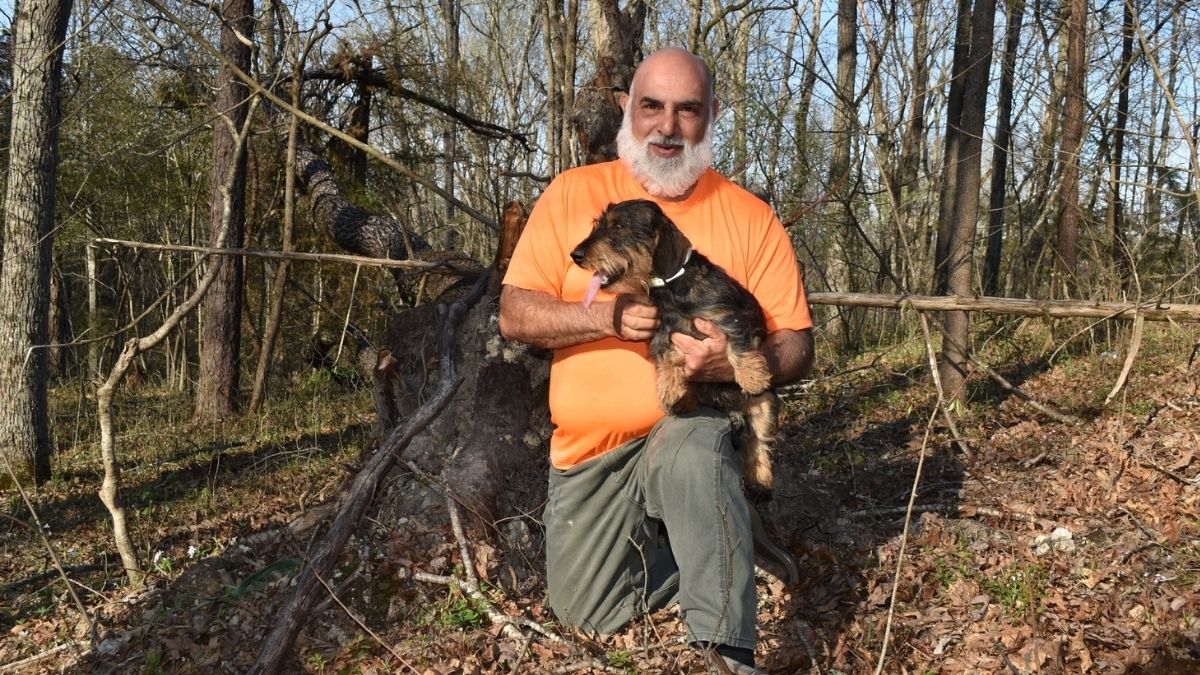
Image Source: dwr.virginia.gov
Why Teach Your Dog to Track Deer?
Teaching your dog to follow a deer trail is more than just a fun activity. It serves a real purpose. Finding a deer after the shot can sometimes be hard. A well-trained tracking dog makes this much easier.
- Ethical Recovery: A good tracking dog helps find wounded deer quickly. This prevents suffering.
- Saving Game: Fewer deer are lost in the woods.
- Building a Bond: Training together strengthens your relationship with your dog.
- Using Natural Talent: Dogs have incredible noses. Tracking uses this natural skill in a helpful way.
It takes time and patience. But the result is a dog that loves working with you and helps in a valuable way.
Picking Your Partner
Not all dogs are born trackers, but some breeds have a head start. When choosing a dog for this job, look for certain traits.
- Strong Nose: This is key. Some breeds have noses made for tracking.
- Drive to Work: The dog should want to please you and love having a job.
- Focus: Good tracking dogs can ignore distractions and stick to the scent.
- Temperament: A calm, steady dog is best. They need to handle pressure and new places.
Tracking Dog Breeds
Certain breeds are known for being great training tracking dogs. Here are a few top choices:
- Bloodhounds: Famous for their noses. They are stubborn but excellent trackers.
- Beagles: Small but mighty. They have great noses and lots of energy.
- Labrador Retrievers: Versatile and eager to please. Many labs excel at scent work.
- German Shorthaired Pointers: High energy and smart. They can learn tracking along with hunting skills.
- Wirehaired Pointing Griffons: Another versatile hunting breed. They have strong scent drive.
- Bavarian Mountain Hounds: Bred specifically for tracking wounded game. Less common in some areas.
- Hanoverian Scenthounds: Also bred for tracking game. Serious scent dogs.
Even if you don’t have one of these breeds, a dog with a good nose and willingness to learn can become a decent tracker. The most important thing is the dog’s desire to follow a scent and your commitment to training.
Basic Lessons First
Before you start any deer scent training, your dog needs basic manners. This makes training much smoother. Think of basic obedience as the ABCs before you read a book.
Why Basic Obedience Helps
- Control: You need to be able to manage your dog, especially in the woods.
- Focus: Commands like “sit” and “stay” teach your dog to pay attention to you.
- Teamwork: Obedience training builds the idea that you work together.
Key Commands
Make sure your dog knows these well:
- Sit: Dog sits when told.
- Stay: Dog remains in place until you say okay.
- Come (Recall): Dog comes to you when called. Very important for safety.
- Loose Leash Walking: The dog walks by your side without pulling hard. While tracking uses a long line, good manners on a regular leash are a must first.
Positive Reinforcement Dog Training
This is the best way to train your tracking dog. It means rewarding the behaviors you want (like following a scent) with things the dog loves (treats, praise, toys).
- Rewards: Use high-value treats (small pieces of hot dog, cheese, specific dog treats) that the dog only gets for tracking work.
- Praise: Use an excited, happy voice.
- Fun: Keep training sessions short and end on a good note. The dog should think tracking is the best game ever.
Never punish your dog for making a mistake during tracking. They are using their nose, which is different from following commands. If they go off track, gently guide them back or restart the track. Keep it positive!
Grasping the Scent Trail
Dogs live in a world of smells. They have millions more scent receptors than humans. Scent training dogs means teaching them which smell you care about and to follow it. For deer tracking, this means focusing on deer scent.
Interpreting Dog Noses
A dog’s nose works in amazing ways.
- They can smell scents separately, not just a mixed smell like we do.
- They can tell the direction a scent is coming from.
- They can follow scent trails that are hours old.
When tracking deer, the dog follows a mix of smells: the deer’s foot scent, disturbed earth, broken plants, and if the deer is wounded, blood scent.
Deer Scent Training Starts
You need a source of deer scent. The best is from a real deer.
- Scent Articles: A piece of deer hide, a hoof, or dried blood are great. Get these legally from harvested deer. Keep scent articles frozen when not using them. Store them in airtight bags or containers so they don’t pick up other smells.
- Handling Scent Articles: Only touch the scent article right before laying a track. Wear gloves if needed to avoid putting your own smell on the start of the track.
Introducing the Scent
- Show the Scent: Let your dog sniff the deer hide or hoof. Don’t make a big deal of it yet. Just let them smell it.
- Associate Scent with Reward: Hold the scent article in one hand and a super tasty treat in the other. Let the dog sniff the article, then immediately give the treat and praise. Repeat this many times. The dog learns: “Deer smell = good stuff!”
- Short Drags: Drag the scent article a few feet on the ground. Let the dog see you do it. Encourage them to follow it to the end. When they get to the article, give a big reward. This is the very first step of starting a tracking dog.
Starting a Tracking Dog: The First Tracks
Okay, your dog knows deer scent is good. Now, let’s teach them to follow a line of that scent. You will need:
- Your dog
- High-value treats
- A scent article (hoof or hide piece)
- A long tracking line or leash (usually 20-30 feet)
Laying the First Simple Track
- Choose a Spot: Find a quiet area with short grass or soft ground. An open field is good for beginners.
- The Start: Place the scent article on the ground where you want the track to begin. This is your “scent pad.” Rub it on the ground a little.
- Lay the Line: Walk a straight line away from the scent pad. Rub the scent article on the ground every few steps. After 10-15 feet, place the scent article at the end of the line. Put several treats right on top of or next to the scent article. This is the “find.”
- Hide Yourself: Walk away from the track so your dog doesn’t just follow you. Go back to your car or stand far away.
Running the First Track
- Bring the Dog: Get your dog and your tracking line. Go to the starting scent pad.
- Give the Command: Let your dog sniff the scent pad. Use your chosen
Tracking dog commands(e.g., “Track,” “Find it”). - Let Them Work: Let the dog put its nose down and sniff. They should start following the scent line you made.
- Stay Quiet: Do not talk to your dog or pull on the leash. Let them figure it out. This is their job. Follow quietly behind them. Keep the tracking line loose (
Handling a tracking leashrule #1: slack!). - The Reward: When the dog reaches the scent article and treats at the end, give huge praise and let them eat the treats right there. Make it a party! They found it!
Keep these first tracks very short and straight. Repeat this several times. Make sure the dog is having fun and getting rewarded well for finding the end.
Making Tracks Harder
Once your dog quickly and happily follows short, straight tracks, it’s time to add challenges. This is part of progressing your training tracking dogs.
Adding Turns
- Start Simple: Make a wide, sweeping turn (like a gentle curve) instead of a straight line. Rub the scent extra well around the curve.
- Gradual Progression: Move to 90-degree turns. Lay these tracks in an “L” shape. Later, try “T” or “U” shapes. Lay tracks with multiple turns.
- Observe: Watch your dog at the turn. They might lift their head or circle. This shows they lost the scent line. They need to learn to work the area to find the scent again around the corner. Stay back and let them figure it out.
Making Tracks Longer
Slowly increase the length of the tracks.
- Go from 15 feet to 30, then 50, then 100 feet, and so on.
- Do not increase length and add turns at the same time when starting. Change one thing at a time.
- Building distance takes many training sessions over time.
Aging the Track
This is a key step in deer scent training. Real deer trails are not fresh. You need to teach your dog to follow older scents.
- After laying the track, wait before letting the dog run it.
- Start with a short wait (5-10 minutes).
- Slowly increase the wait time: 30 minutes, 1 hour, 2 hours, several hours.
- Aging makes the scent weaker and harder to follow. The dog has to rely more on the true scent particles and less on disturbed ground.
Adding Distractions
The real world has smells and sights everywhere.
- Start training in quiet places.
- Slowly move to areas with mild distractions (e.g., edge of a park, light foot traffic).
- Lay tracks that cross other animal trails (if ethical and safe).
- Make tracking so much fun and rewarding that the dog prefers the deer scent over other interesting smells.
Different Places
Train in different types of areas:
- Woods (leaves, branches)
- Fields (grass, dirt)
- Varied ground (up hills, down slopes)
This helps the dog learn that the scent is the key, not the type of ground.
Mastering the Leash and Signals
The long tracking leash is not like a regular leash. You are not pulling the dog along. You are following the dog. Handling a tracking leash well is crucial.
The Tracking Leash Rules
- Length: Use a line that is 20-30 feet long. This gives the dog room to work the scent.
- Slack: Always keep slack in the line. A tight line pulls the dog off the scent cone and tells them you are in charge, not their nose. The dog should feel free to move within the line’s length.
- Grip: Wear gloves to prevent rope burn. Hold the excess line loosely. Let it slide through your hand as the dog moves.
- Following: Walk behind the dog. Let them lead. Your job is to keep the line from getting tangled and to observe.
Reading Your Dog
Your dog will tell you if they are on the scent if you watch closely.
- On Scent: Head down, nose working the ground or air close to the ground, pulling steadily forward on a loose line. Tail might be wagging or moving slowly.
- Lost Scent: Head comes up, dog stops, looks confused, might circle, sniffs the air higher up, looks back at you.
- Working a Turn: Dog might slow down, lift their head slightly, work back and forth across the area where the turn is, nose actively sniffing to find where the scent continues.
Learn your dog’s specific body language. Every dog is a little different.
Tracking Dog Commands
Use simple, clear commands and use them consistently.
- “Track” or “Find it”: Use at the start pad to tell the dog to begin working.
- “Good dog” or “Yes!”: Use praise when the dog is on the scent or solves a problem (like finding a turn).
- “Find”: Some handlers use this when the dog is near the end article or the deer.
- Name: Use your dog’s name only if you need their attention for a moment, but try to let them focus on the scent.
Limit talking during the track. Your voice can be a distraction. Let the nose do the work. Use positive reinforcement dog training with rewards at the end and quiet praise during the track.
Transition to Blood
The goal is often training a dog to find wounded deer, which means following a blood trail. This builds on the pure scent tracking you’ve already taught.
Introducing Blood
- Get Blood: Use real deer blood if possible (from a legally harvested deer). Store it frozen. Thaw it for use.
- Short Blood Trails: Lay short tracks (like your first tracks) but instead of just rubbing the scent article, put small drops of deer blood along the line. Place the scent article and blood at the end.
- Dog Learns: The dog learns to follow the mix of deer scent and blood. They might show a different energy level or nose-down focus when they hit blood scent.
Realistic Scenarios
As the dog gets better, make the tracks more like real hunting situations.
- Wounded Trail: A wounded deer doesn’t just walk in a straight line. It might walk, stop, lay down (leaving more blood), get up, walk some more. Create tracks that copy this. Lay a walking trail, then have a “bed” area with more blood, then continue the trail.
- Varied Blood: Sometimes there is a lot of blood, sometimes very little. Train on both.
- Different Times: Train at different times of day and in different weather. Rain can wash away scent, heat can make it rise. Dogs need to work in all conditions.
The “Find”
Teach your dog what to do when they reach the end (the “find,” which in a real situation is the deer).
- Indication: The dog should clearly show they found it. This could be sitting, lying down, barking at the find, or nudging it.
- Training the Indication: When the dog reaches the end article/blood and maybe a piece of hide, praise them wildly. Give the ultimate reward right at the find. Repeat this many times. The dog learns “Finding the end makes handler REALLY happy!” You can start asking for a sit or down when they reach the end before giving the reward.
Patience and Accuracy
In blood trailing dogs training, speed doesn’t matter. What matters is being slow, steady, and accurate. A fast dog that goes off the trail is useless. A slow dog that stays on the trail is gold.
What if Things Go Wrong?
Training isn’t always a straight line forward. You will have days where the dog seems to forget everything. This is normal!
Dog Loses the Scent
- Go Back: Calmly go back to the last spot where the dog was clearly tracking well (head down, pulling steadily).
- Work the Area: Let the dog work the area around that spot to re-find the scent line. Give them time.
- Restart if Needed: If the dog really can’t find it, it’s okay to end the session or lay a new, easier track. Don’t turn it into a fight.
Dog Gets Distracted
- Manage the Environment: Train in quiet places first. Gradually add distractions as the dog improves.
- Make Tracking Fun: Make sure the reward for tracking is much better than the fun of chasing a squirrel.
- Positive Interruption: If the dog is about to chase something, a quick, sharp noise (like clapping your hands) might stop them for a second, giving you time to get their attention back to the track. Don’t punish.
- If They Chase: If they bolt after something, use your recall command (if you have one you trust 100%). If not, just wait it out. This is why basic obedience is important.
Handler Mistakes
Most problems early on are handler mistakes.
- Poor Track Laying: Not enough scent, turns too sharp, track too long/old for the dog’s level.
- Pulling the Leash: Tight leash prevents the dog from working.
- Talking Too Much: Distracts the dog.
- Not Reading the Dog: Not seeing the signs that the dog is on or off scent.
- Lack of Patience: Getting frustrated with the dog.
Be patient with yourself and your dog. Watch videos, read more, or find a mentor.
Keeping Skills Sharp
Tracking is a skill that needs practice. Both for the dog and the handler.
- Frequent Sessions: Short, regular training sessions are better than long, infrequent ones. Even 15-20 minutes a few times a week helps.
- Vary the Challenge: Don’t just do easy tracks. Mix in harder ones, but always end on a success if possible.
- Different Scents: If legal and ethical, train on scents from different deer, or even other animals the dog might encounter while tracking (like rabbits or coyotes, teaching them to ignore these).
- Fun! Keep it enjoyable for the dog. It should be their favorite game.
Be Safe Out There
Safety is always first when training or actually tracking.
- Dog Safety:
- Use a bright collar or vest (hunter orange) so others can see your dog.
- Check for ticks, thorns, or cuts after every session.
- Bring water, especially in warm weather.
- Know the area. Avoid roads or dangerous terrain.
- Handler Safety:
- Wear hunter orange yourself, even when just training.
- Know if others are hunting in the area.
- Carry a first-aid kit for you and the dog.
- Have a way to navigate (map, GPS, phone app).
- Legal Stuff:
- Know the laws in your state or area about using blood trailing dogs to recover game. Some places require dogs to be leashed, others have specific rules for handlers.
Training your dog to track wounded deer is a commitment. But it leads to responsible hunting and a deeper bond with your dog.
Frequently Asked Questions (FAQ)
How old should a dog be to start training?
You can start fun scent games with puppies young, around 8-12 weeks. Formal tracking on lines usually starts around 6 months, after basic obedience is solid.
How long does it take to train a deer tracking dog?
It takes many months of regular training to get a dog ready for real tracks. Becoming truly skilled takes years of practice. It’s an ongoing process.
Can I use my hunting dog (like a bird dog) for deer tracking?
Yes, many versatile hunting breeds can learn to track deer. They already have scent drive. You just need to teach them to follow deer scent specifically and how to work a trail instead of pointing or flushing.
Do I need special gear?
Yes, you’ll need a good long tracking line (20-30 ft), a comfortable harness for the dog (attaching the line to a collar can injure the dog’s neck if they hit the end hard), deer scent articles (hoof, hide, blood), and high-value training treats.
My dog just wants to chase deer. Can I still train them?
It’s harder if the chase drive is very strong. You need to make tracking the scent more rewarding than seeing the deer. Start in areas without live deer present. Keep the dog focused on the ground scent. If they spot a deer, correct them calmly (“No,” or a quick leash correction away from the deer) and get them back on the scent trail immediately, then reward heavily for getting back to work.
Conclusion
Training a dog to track deer is a journey. It starts with choosing a dog with potential and building a foundation with basic training and positive reinforcement dog training. You then teach them the specific scent of deer, starting with simple tracks and making them harder over time. You learn handling a tracking leash and how to read your dog. Finally, you move to blood trailing dogs and training a dog to find wounded deer in realistic settings.
It takes time, effort, and patience. But the payoff is huge: an ethical recovery, less wasted game, and a powerful working partnership with your dog. Enjoy the process, celebrate the successes, and you’ll build a skilled training tracking dogs team ready for the field.